By Martin Vismara | Project Leader
The context of the educational challenge in Argentina:
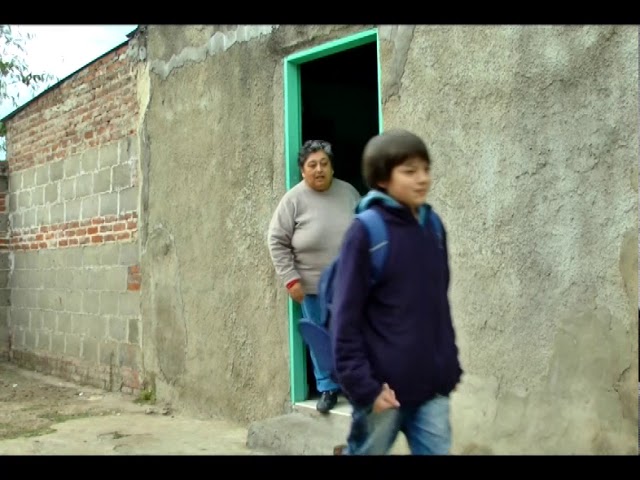
According to data recently released by UNICEF and INDEC, 5.6 million children are poor in Argentina and 1.3 million of them are indigent. This critical situation is accompained by an another worrying fact: one in 10 children between 5 and 17 years of age works, in a domestic context or in another informal occupation (UCA, Universidad Católica Argentina).
In May 2017 the Ministry of Education of the Nation public the results of "Learn 2016", a study conducted throughout the year in order to measure the quality of education and schooling in the country. The evaluation had a census character, it included students who studied the last year of the primary and secondary cycle in 2016. The research was applied in 28,002 schools, 76% state management and the remaining 24% privately managed. 851,083 students participated, 65% of them from state schools, and 35% from private schools. The areas evaluated were Language, Mathematics, Social Sciences and Natural Sciences. The results of "Learning 2016" has confirmed, on the one hand, the great regional inequalities in education and, on the other hand, the gap that has arisen between public and private education. 7 out of 10 students in the last year of high school do not achieve a basic level in mathematics and almost half in language, while only 40% of students complete the secondary cycle in modes and form, confirming the high rate of dropout and repetition of primary and secondary education.
"Far from a school with equal opportunities" is the title of a publication of the CEA (Center of Educuational Studies of Argentina), which emphatizes how the current school system is not breaking the negative circle of intergenerational reproduction of poverty. Actually, the economic inequality of society penetrated the school, which today is not an equalizing place. A few months before entering a university, adolescents who belong to poor school contexts do not have the same cognitive development as others, because they have to deal with the lack of basic needs.
How we respond to this educational crisis:
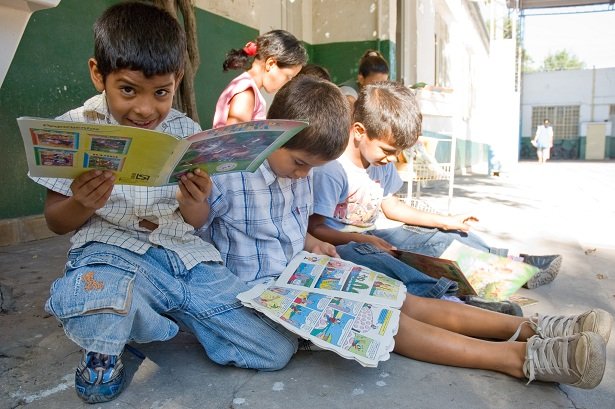
Aware of this critical situation, ACDI strengthens the path of access and permanence in the school system of children who belong to poor and marginal contexts. It does it through various projects that promote education in its various components: social, emotional and cognitive.
This are our main initiatives:
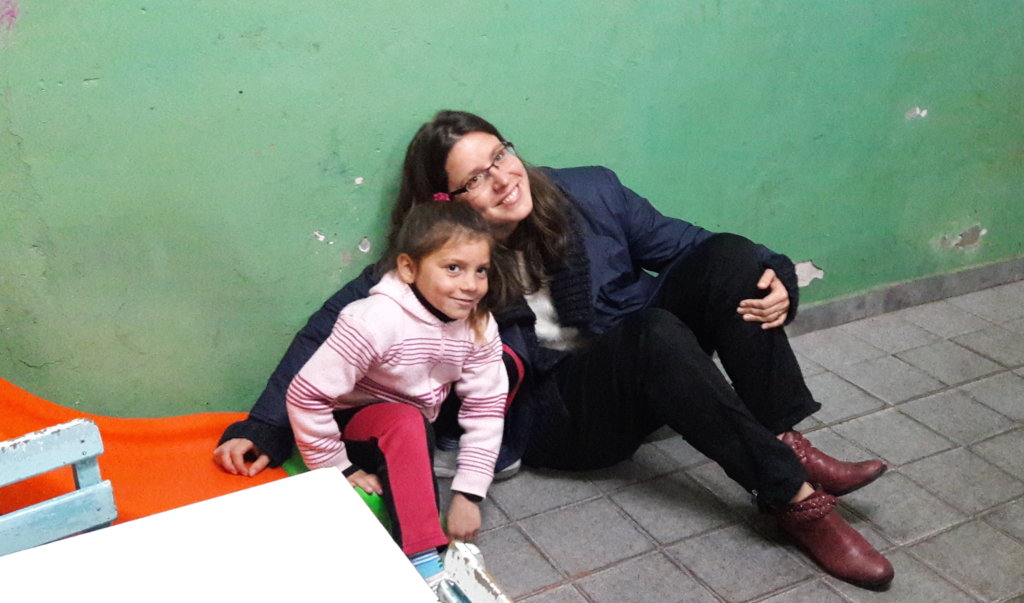
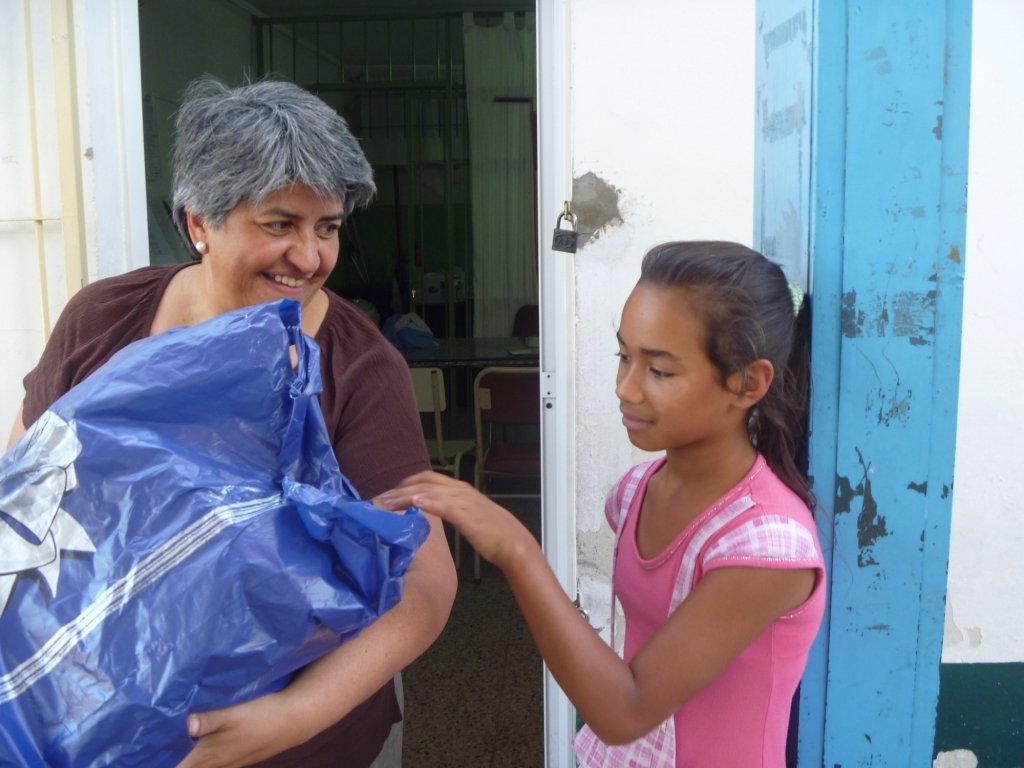
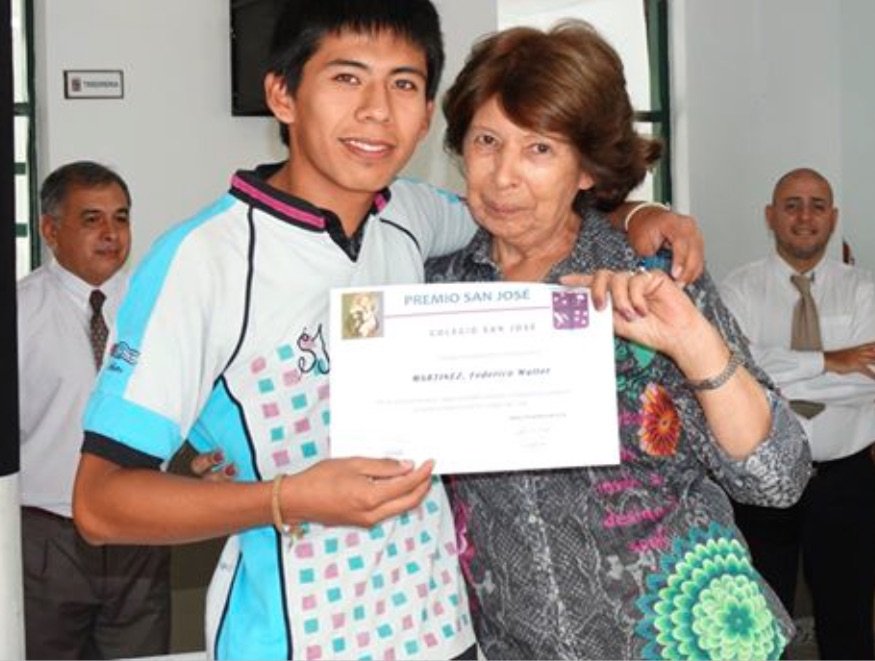
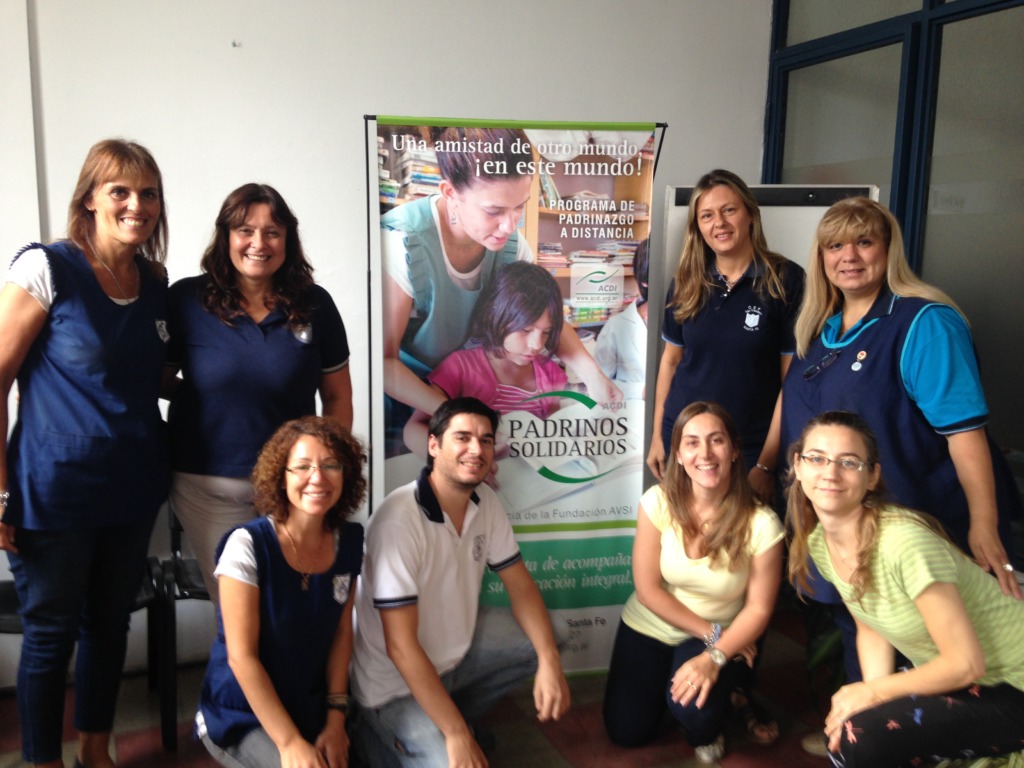
1. A Solidarity Sponsor program called "Padrinos Solidarios", where a person helps a school, a child and his family with a monthly donation of 15 USD to cover expenses of school fees, teaching materials, the school food basket and school infrastructure improvements.
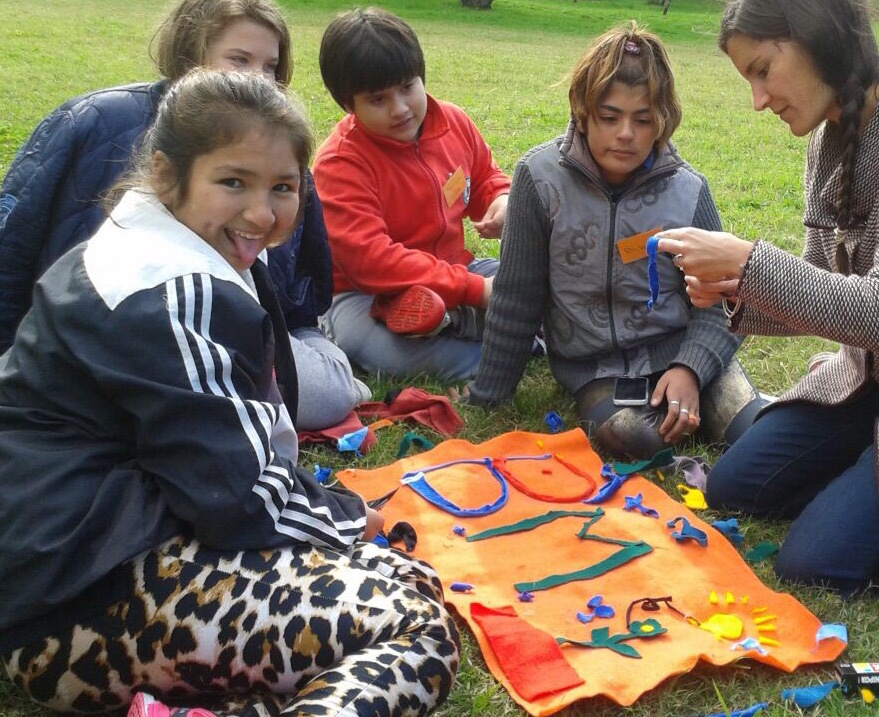
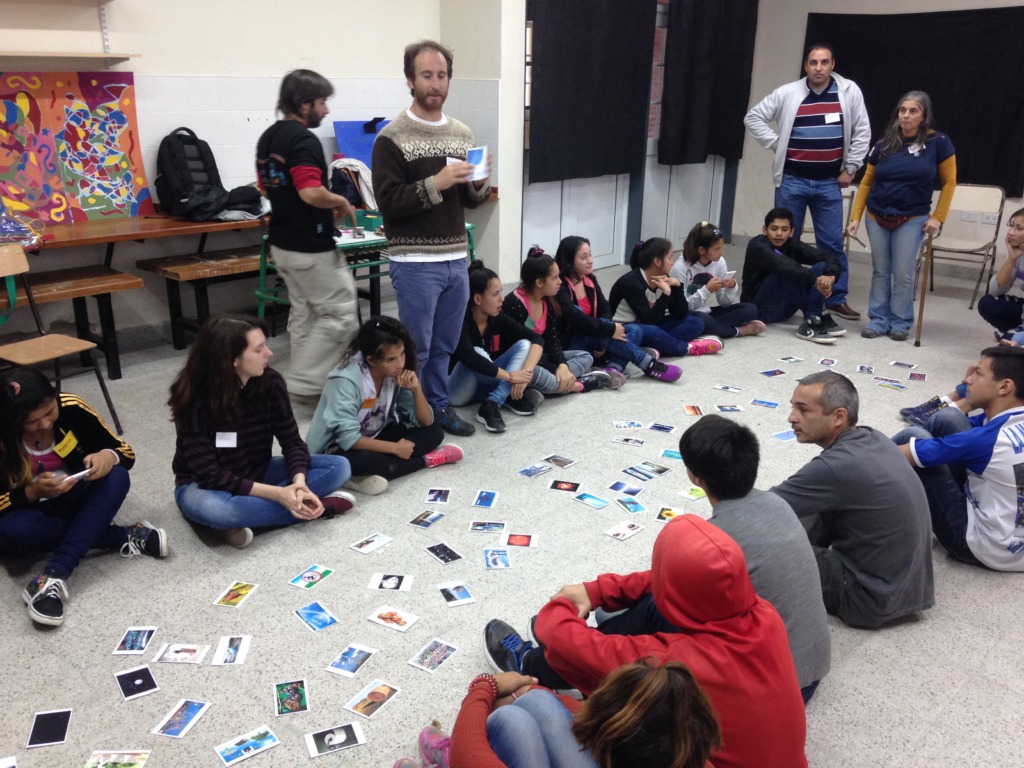
2. "Arts for the social cohesion of adolescents": a project that aims to mitigate neighborhood conflicts through cultural and artistic workshops that promote inclusion and socialization among peers.
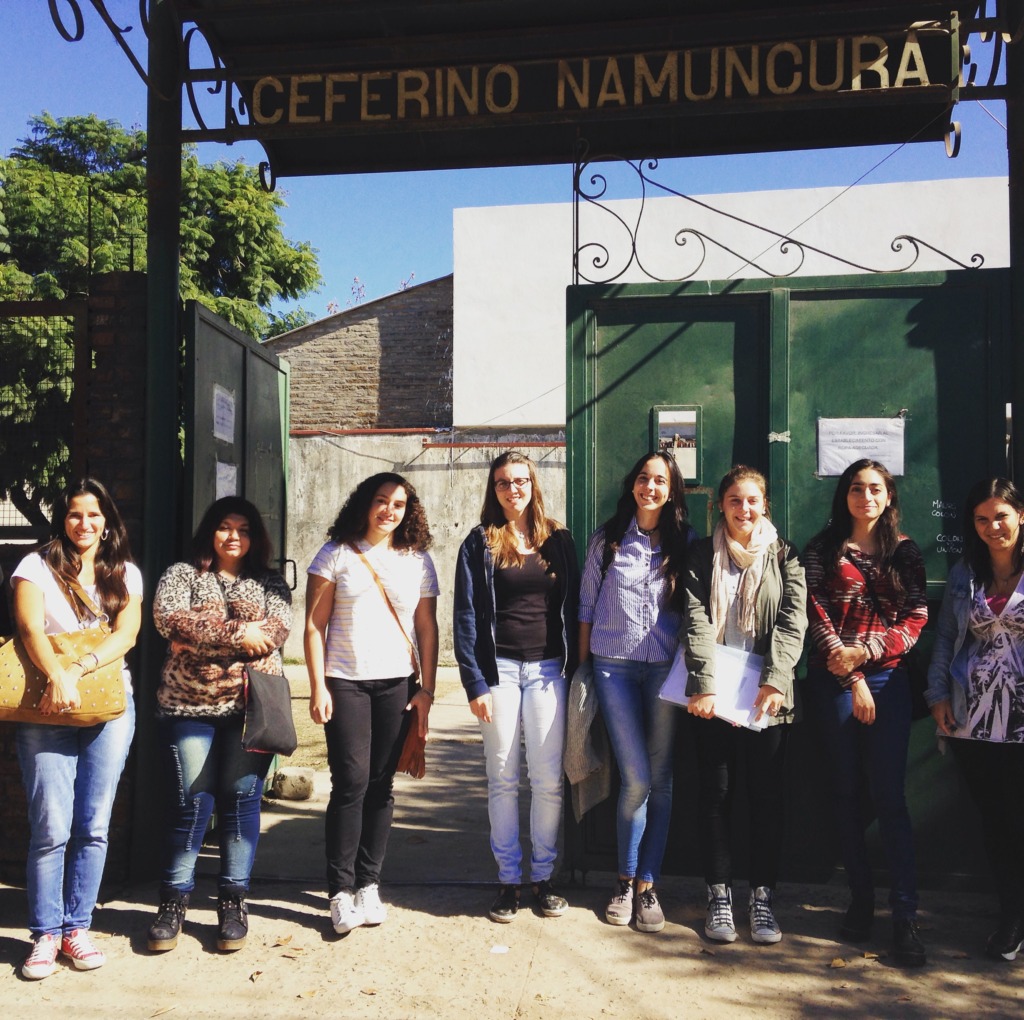
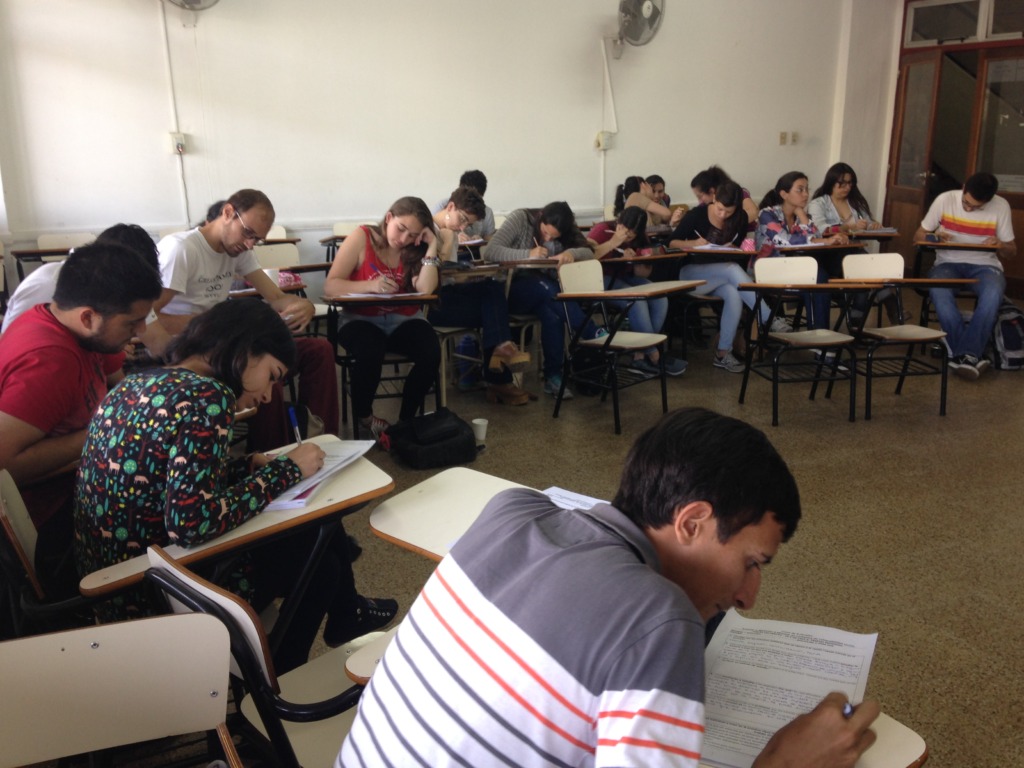
3. "Teaching and learning to study": a project that incorporates approximately 50 university or professional volunteers in classrooms in order to provide school support to teachers and adolescent students.
4. The project "Energy goes to school", which is implemented in public and private school contexts, mixing diverse social groups with a pretense of social inclusion together with the promotion of the concepts of energy saving, energy efficiency and energy Renewable.
Project reports on GlobalGiving are posted directly to globalgiving.org by Project Leaders as they are completed, generally every 3-4 months. To protect the integrity of these documents, GlobalGiving does not alter them; therefore you may find some language or formatting issues.
If you donate to this project or have donated to this project, you can receive an email when this project posts a report. You can also subscribe for reports without donating.