By Juraj Sott | Project Leader
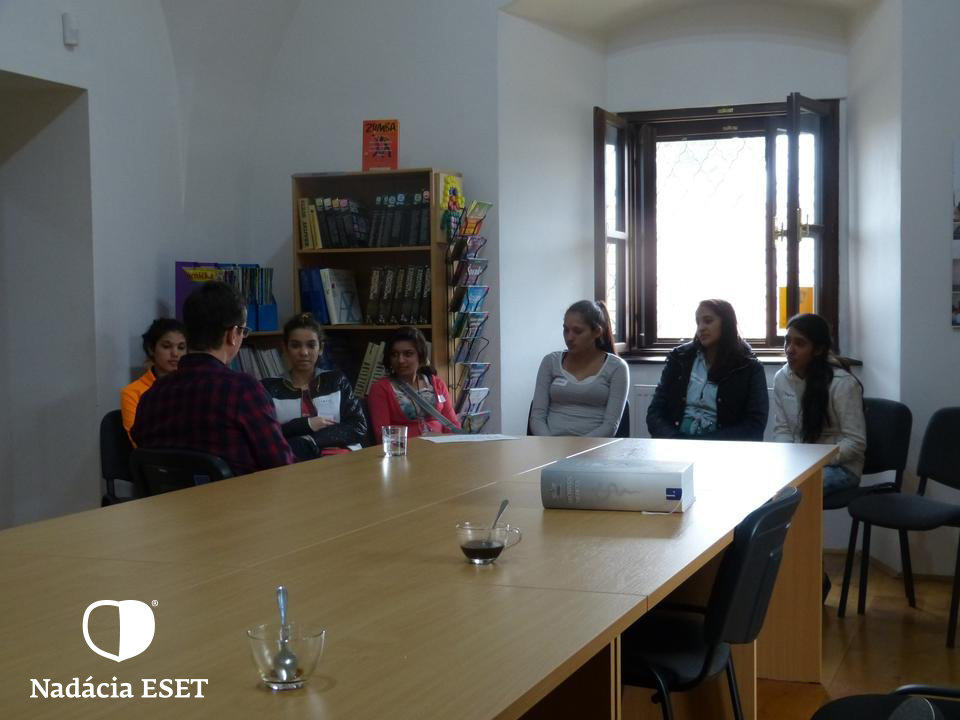
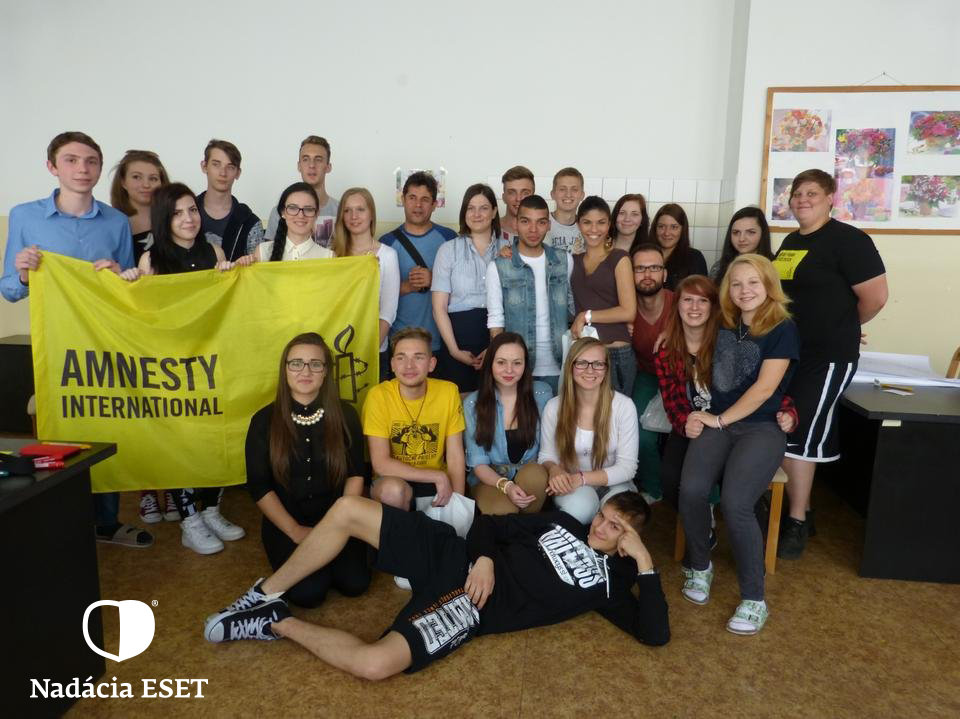
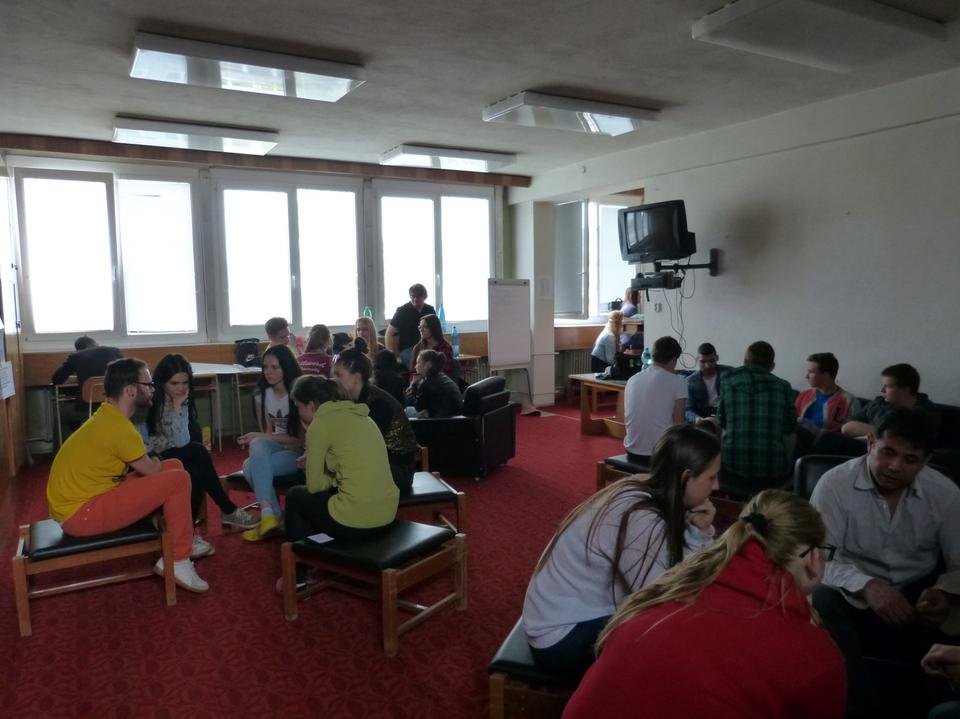
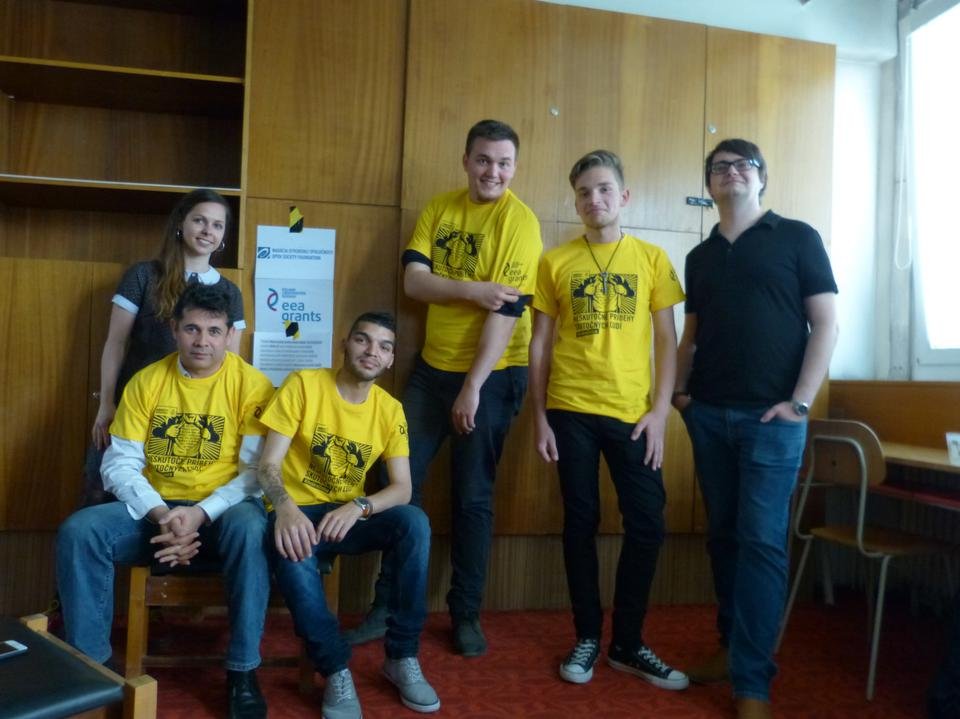
Amnesty International, Human Books Library project, May 2016
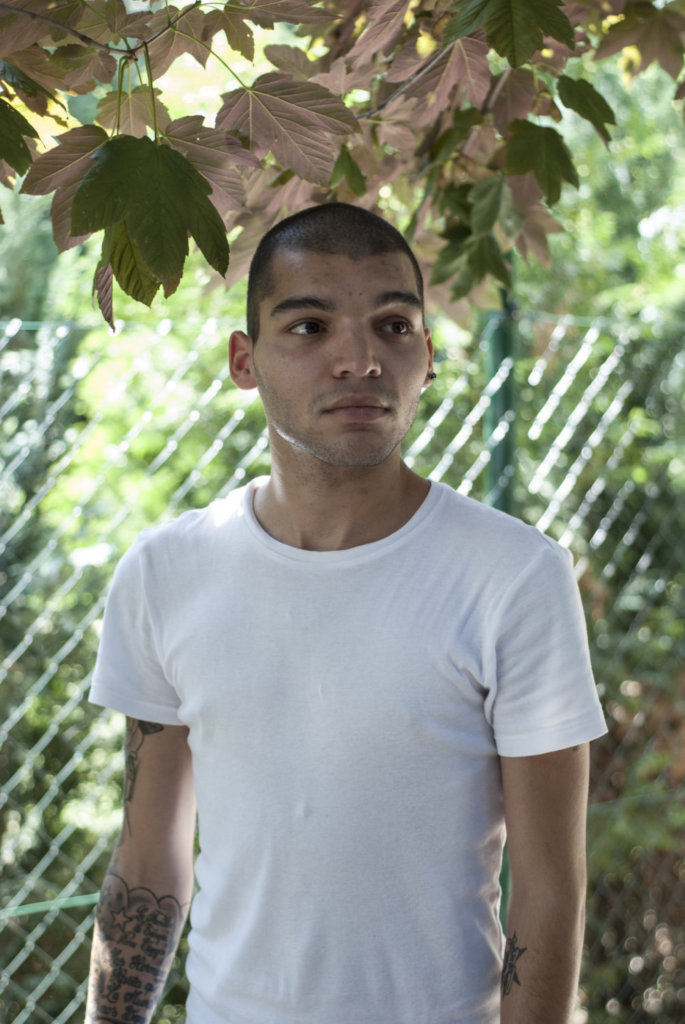
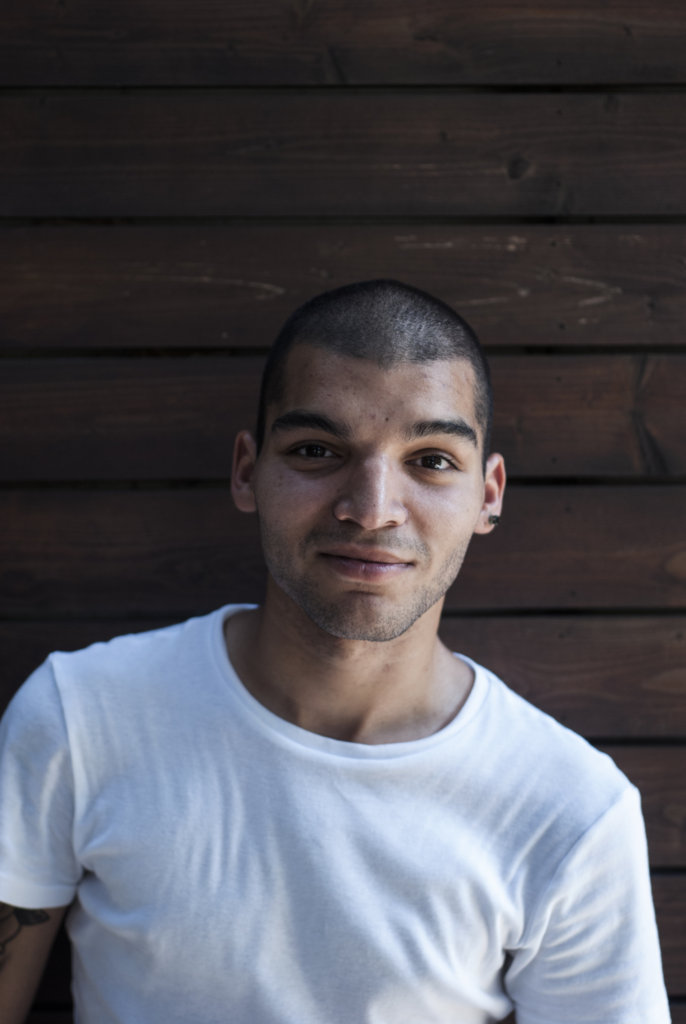
Marek is a 22-year-old Slovak young man living in Bratislava. He has been giving speeches for elementary and high school students for the past six years. He is mainly talking about his life experience as a “gipsy”, as he calls himself. His mom, Janette, led him to the Human Library project, which she created with the IUVENTA organization. She has always been his supporter and inspiration, who motivated him to get an education, learn foreign languages and achieve something in life.
Thanks to the knowledge of English, Spanish, the basics of Italian and the understanding of most Balkan languages, he can communicate practically everywhere. In the past few years he has travelled around Europe and he has visited South and North America. The unfortunate part of his passion for travelling is that he has trouble to get a permanent job in Slovakia.
When he was 19 he joined the Centre of awareness for Roma as a volunteer and his first work meeting in Frankfurt aroused his travelling spirit.
Another opportunity appeared to Marek thanks to a nonprofit organization based in Brussels (ERGO Network), which fights for the rights of Roma people in Europe. He was able to experience daily meetings in the European parliament with the most important people, with whom we discussed the gipsy issue from his own saying. But we didn't solve it, he added.
Marek is an impulsive and ambitious person, so he decided not to stay in Brussel for long. There was a need for some change. I packed my suitcase and travelled to Uruguay, where I was teaching English to small kids, teenagers and adults from disadvantaged backgrounds. I was providing this course for free.
When asked how people perceive him, when he says he's Gipsy, Marek answers: It's completely different compared to Slovakia. When I was in South America, everyone thought I was Cuban, Porto Rican or Brazilian, and when I finally told them I'm Gipsy, their reaction was very positive. What, you're Gipsy? That's great, we love Gipsy people! I stared at them like... wow, if somebody told me that in Slovakia, I'd be glad.
This pleasant experience was verified during the few weeks he spent in the USA. Marek joined the program for young Roma people from Slovakia, Czech Republic and Hungary. This program is based on trips, workshops, seminars and life in communities. When I was in America, no one had a problem with me being a Gipsy, they took me as equal, no one made me feel different, however in Slovakia I feel inferior all the time.
Because of his origins, Marek has very often faced racism, prejudices and stereotypes. Being rejected from job vacancies is common, and negative beliefs are experienced on a daily basis.
I applied for a job position in a press agency with my CV and cover letter attached, and I received a phone call, when the lady said how great it was that I traveled the half of the world at the age of 21. My skills were fine, but she just couldn´t imagine to have a Gipsy as a colleague.”
Another time people didn't find it difficult to catch me by neck and to kick me out, just because I was asking for job behind the bar.
Last month I walked into a drugstore with my sister and the lady behind the cashbox told her colleague to check on us and she was obviously watching us all the time, until I got pissed off so I asked her what her problem was and she responded that it was because I was a stupid gipsy!
I ended up a few times in hospital. For example, once I have been surrounded and beaten up by ten skinheads, and then the police came, so it wasn't that bad. But I had a severe concussion and some problems with my ribs from other fights.
After all these sad experiences it is not a surprise when Marek says he is way happier abroad. But his cheerful theory is a proof of his unbreakable optimism: I would imagine living in Slovakia, if somebody gave me the opportunity to get a job, to have a chance to grow. I have been searching for employment since last September, unsuccessfully. His dream job would be any kind of manager position in an office.
“The fact is that I didn't grow up in a gypsy settlement. I don't speak the gipsy dialect, and I was the only gipsy in a white class. This leads to actual rejection from the gipsy society: they judge me as a redneck.”
“It's getting on my nerves when people rate us all the same… No one takes a look at the properly educated ones, who want to work, who are interested in studying. For sure there are cases which put a shame on us. I'm not supporting them. Unfortunately, only a few people think normally and don't take gypsies as a whole, but separate individuals.
“I can't stay at home. I'm an active kind of person, who always has to do something.”
Despite Marek's difficulties to get employment, he is not resting a tiny bit. He has just returned from an international festival in the Romanian city of Cluj-Napoca just few weeks ago, where he stood up for a nonprofit organization from Budapest. He has a part time job as a photo model; his face represented advertising campaigns for the network of cafes La Putika and festival Bazant Pohoda. Right now he is playing the bad guy in a Slovak movie, which will be released in our cinemas next year. He is missing 10 centimeters to become a professional model and to promote a fashion collection on a mole. “Some agencies require a height of 180 – 190 cm, so I'd have to walk on stilts to get this job”, he's laughing.
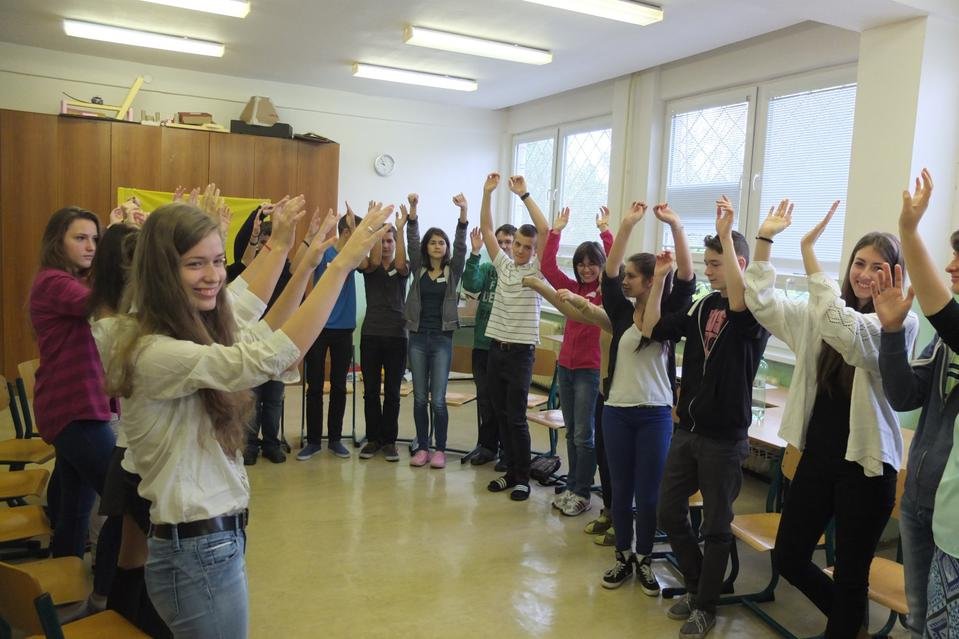
The bullies from Mark's elementary school class are now his friends. Therefore he realized that the Human Books Library project is of essential importance in elementary schools, high schools and colleges: “talking to kids of the age of 12 – 13 can fall on deaf ears, but those who are 14 years old can already think for themselves and react in a way.”
It is true that the older students are very curious of how Marek got to travel and how they could do something similar. Marek likes to discuss all the details, give them advices, teach them how to participate in youth exchange and seminars and not just follow the path of their parents. “I see some potential in young people, they want to do something, they want to improve their language skills, travel abroad, and see different cultures, other habits and traditions.”
The feedback following his intervention in the Living Books library is mostly positive. The readers keep their fingers crossed for him and Marek believes it can change something. They start to understand that all Gypsies are not the same and they shouldn't lump them all together.”
Marek's most memorable Living Books session was when he had a young skinhead in his class. When I saw him, I couldn't stay cool about it, especially when I had to tell him my story, but afterwards, he came to me, shook my hand and said he actually respects me and that I'm a rare case, I'm the first Gipsy he spoke to and shook hands with. Marek describes this moment with a smile on his face because it carries the joyful feeling of changing somebody's mind.
I sincerely thank Marek for sharing his story and for his long term participation in Living Books Library. We wish him luck in his professional and personal life, either in Slovakia or abroad.
Translation by Milena S.
The Human Books Library project by Amnesty International is on Global Giving thanks to ESET Foundation.
By Amnesty International Slovakia | NGO in charge of the project
Project reports on GlobalGiving are posted directly to globalgiving.org by Project Leaders as they are completed, generally every 3-4 months. To protect the integrity of these documents, GlobalGiving does not alter them; therefore you may find some language or formatting issues.
If you donate to this project or have donated to this project, you can receive an email when this project posts a report. You can also subscribe for reports without donating.