By Susannah McCandless | Administrator, for the Project Leaders
Indigenous-led efforts to control malaria continue effectively in the multiple Venezuelan Amazonian communities where you have helped us to work. Communities utilize a combination of prevention, treatment, and control strategies--think nets, portable malakits, and elimination of standing water near homes, for example.
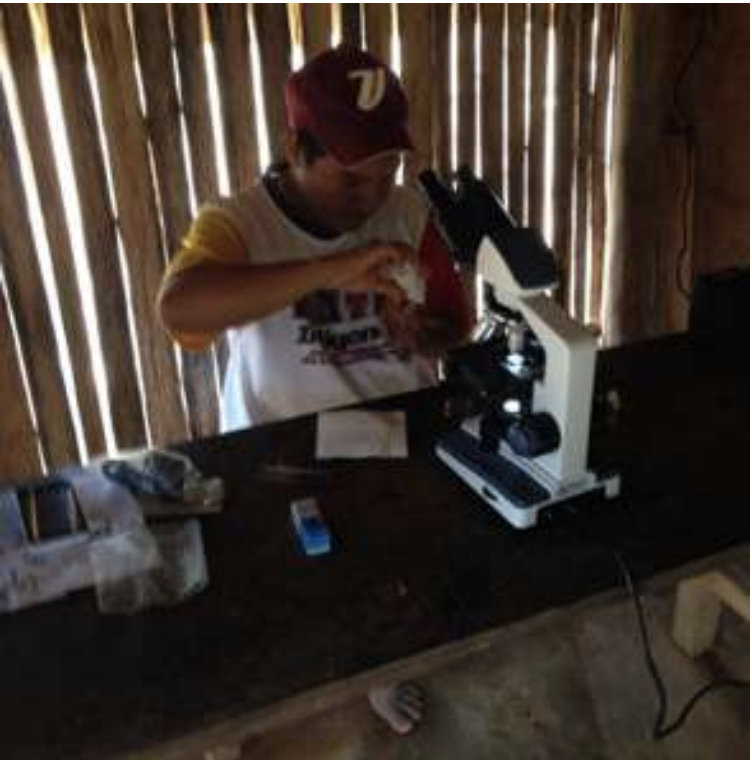
Treatment strategies depend on community health nurses, microscopists and clinics. They also depend on community-based caregivers, individuals who take charge of monitoring, giving out diagnostic tests and dispensing medication to treat malaria in each groups often far-flung, tiny settlements. Some of these are nestled at multiple day's remove from the clinic, along rivers or through the forest.
Once a case of malaria is diagnosed, and the strain is identified, community health nurses and community caregivers need to give patients the right dosage of the powerful medications used to combat the disease. Timely, correct treatment improves patient outcomes, alleviates suffering and, importantly, limits the period during which the infected patient can spread malaria to others.
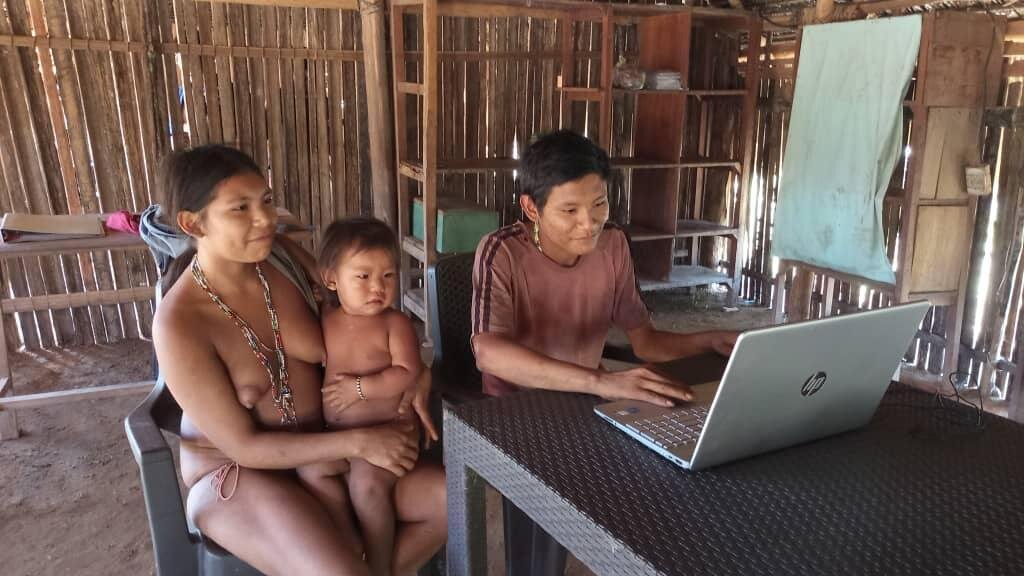
Today, we're sharing about a different sort of innovation to improve malaria treatment, created based on data collected by community members and shared via the new community internet link. Then, one of the project leaders analyzed the data and synthesized it into medication dosing charts, like the ones families receive from their pediatrician's office.
The project leader reports as follows:
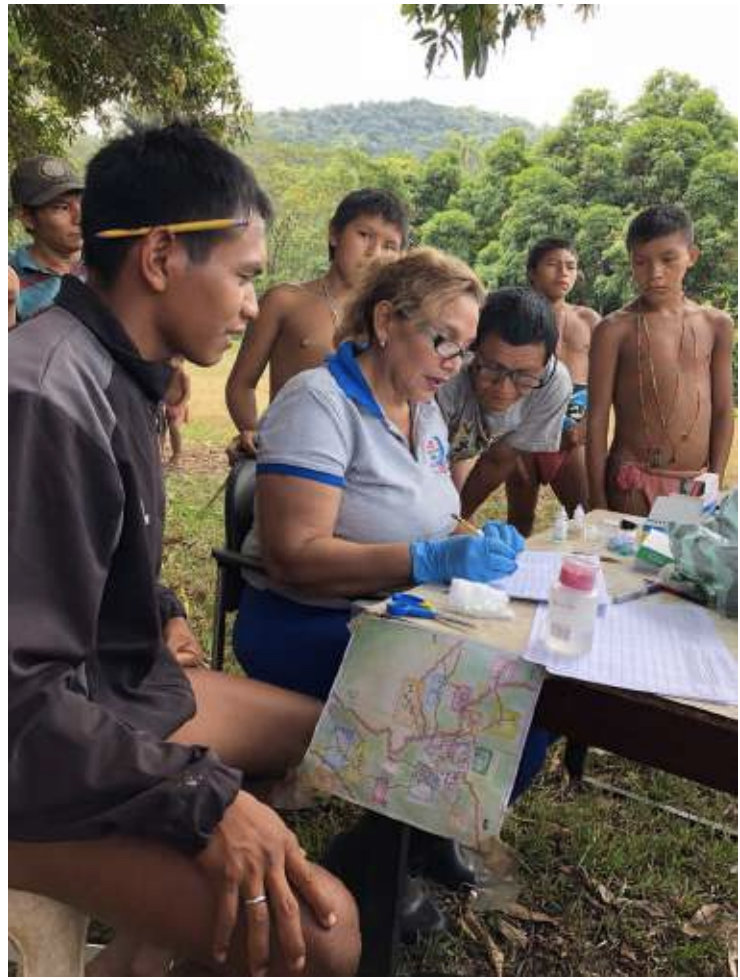
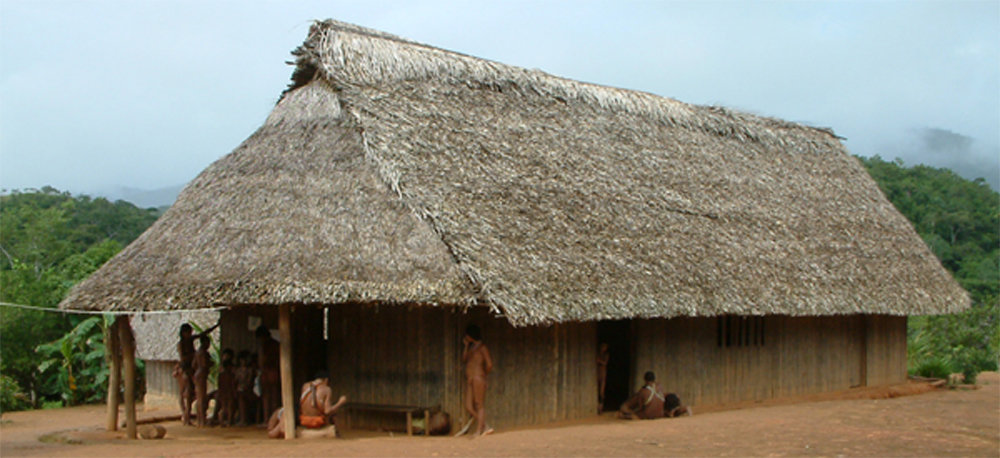
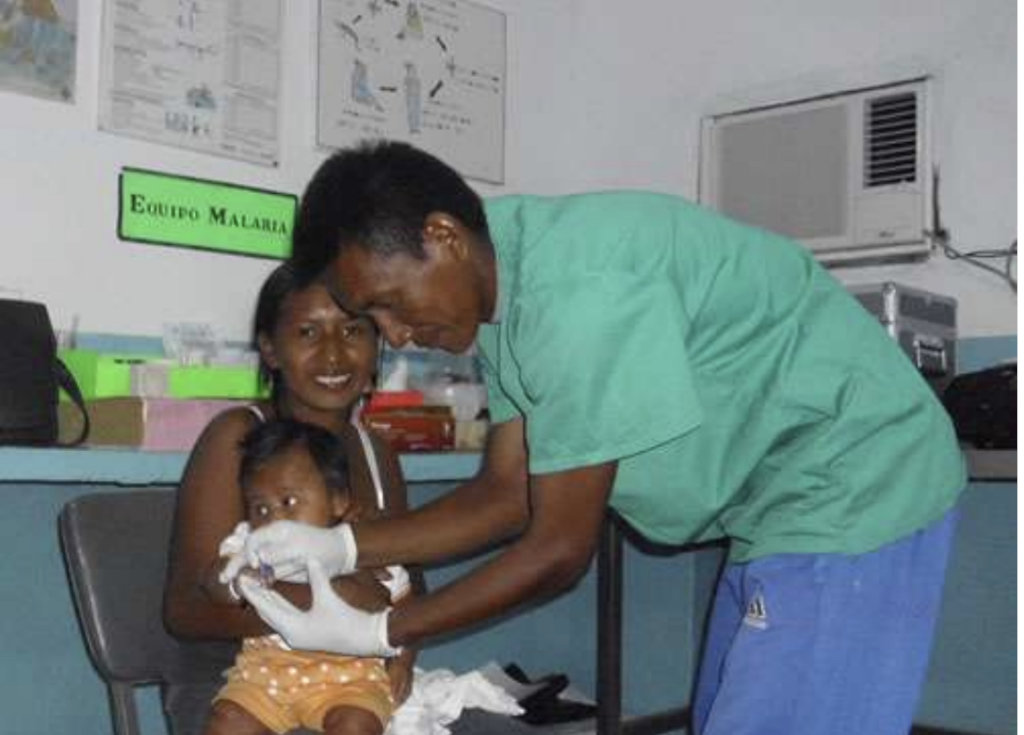
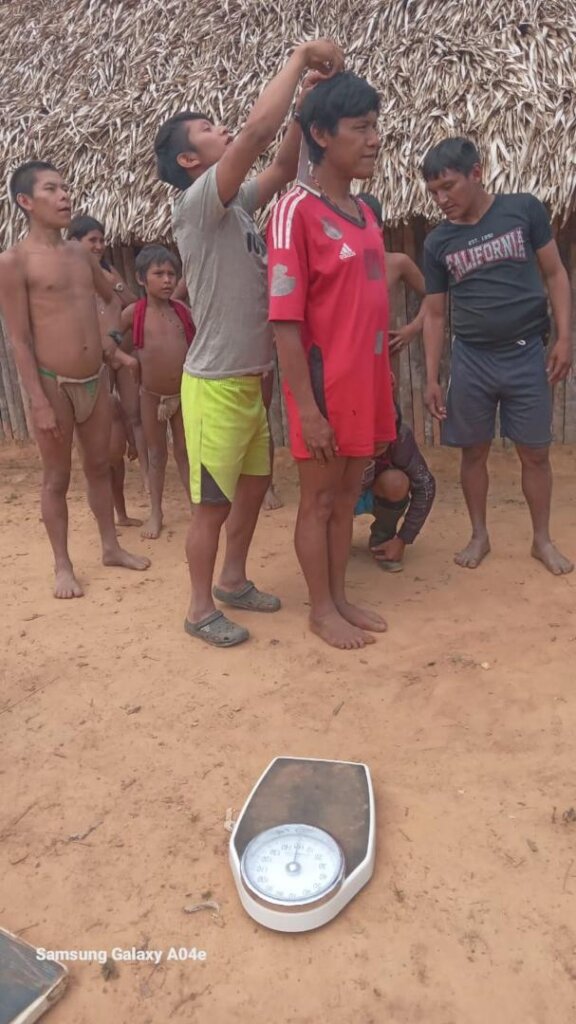
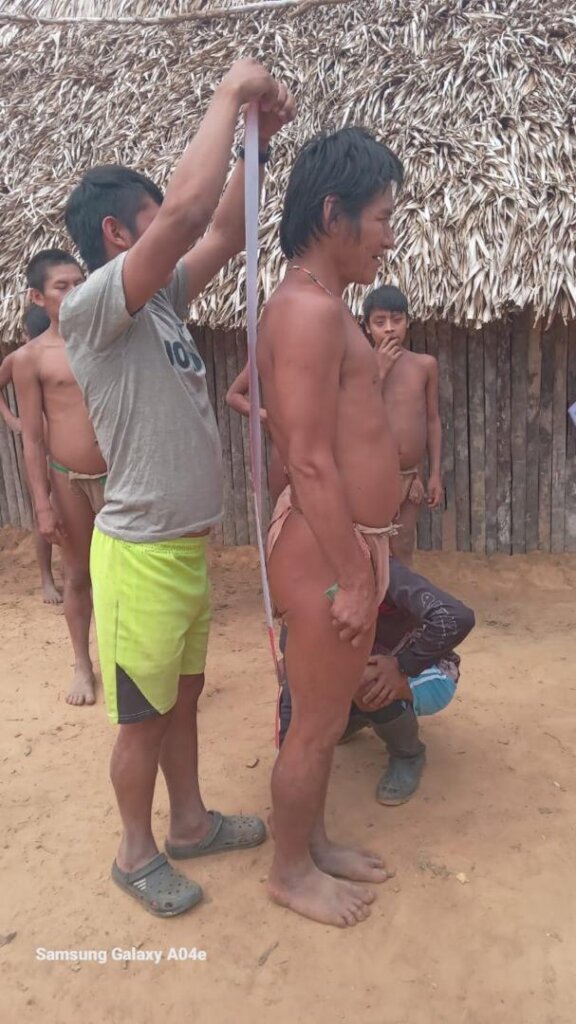
"Between January and May of 2026, community members recorded anthropometric data (weight and height/age group/sex) was recorded for approximately 200 individuals of the Jotï population at Kayamá (see photos 1 & 2). The immediate objective of this data set was to derive the average weight by age/sex for the Jotï communities participating in the community-based project of malaria prevention/treatment/control.
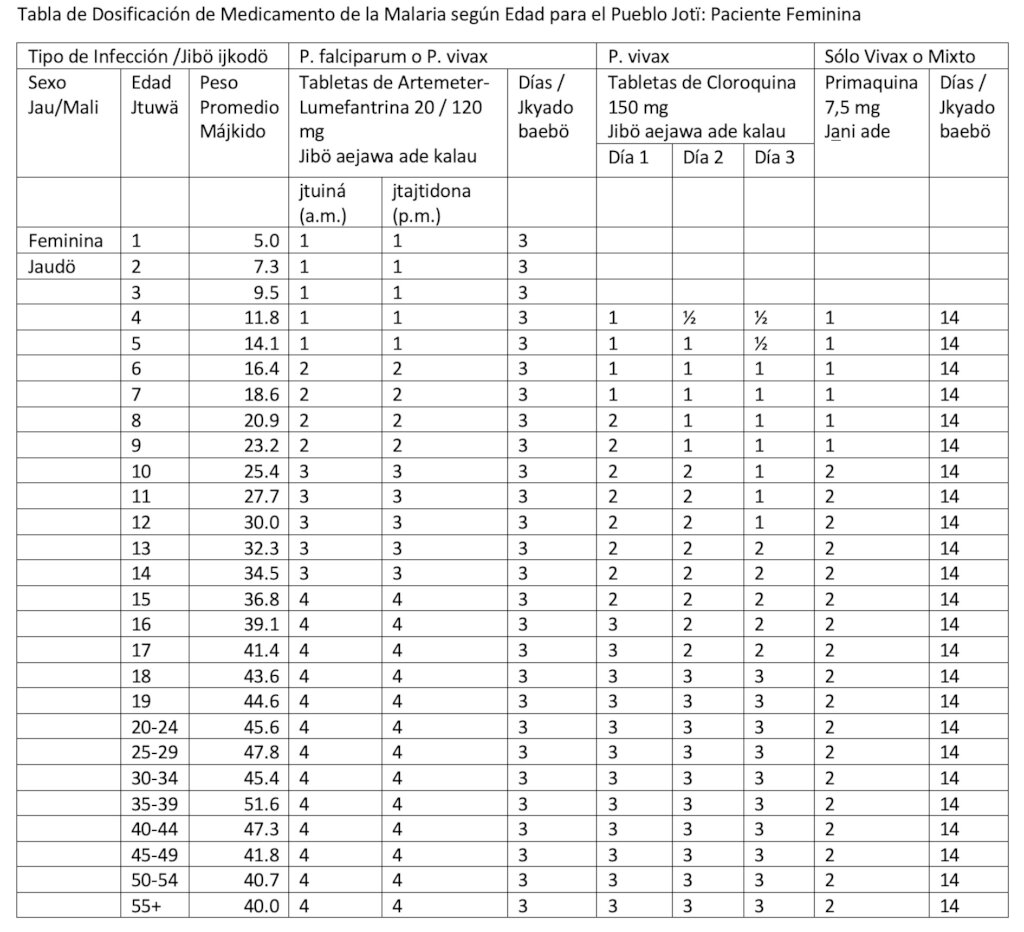
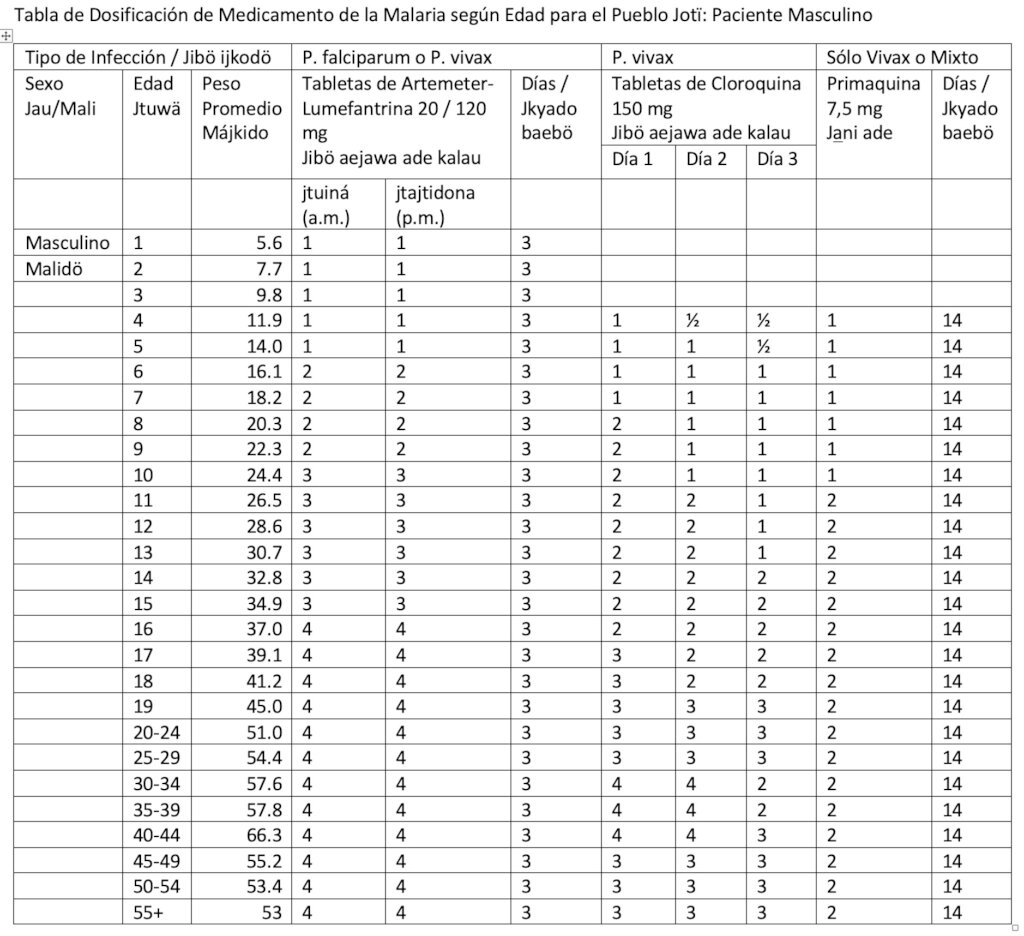
The average weights were figured from the data set by regression analysis for sub-adults (individuals below 20 years of age) and by calculation of means for adults per demographic cohort (20-24, 25-29, 30-34, 35-39, 40-44, 45-49, 50-54, 55+ age groups). Based on the strong correlations found from these results, a new bilingual Jo-Spanish table was prepared showing the proper doses of malaria medication according to the sex and age of the patient (see table in two parts, attached as images 6 & 7, below). This table will be printed, copied, laminated, and distributed to the different communities participating in the Hawapo project during the next field trip to the field (July-August 2026).
This guide will help the community-based caregivers to measure and administer the proper dosage to their patients without the need to actually weigh the person. In many of the scattered and isolated settlements, there are in fact no scales available. The table also shows the dosage given for either the medicine Artemether-Lumefantrine or Chloroquine and Primaquine medicines, since availability of particular medicines may vary." (Different medications, when available, are preferentially used to treat Plasmodium falciparum, Plasmodium vivax, or mixed strain malarial infections.)
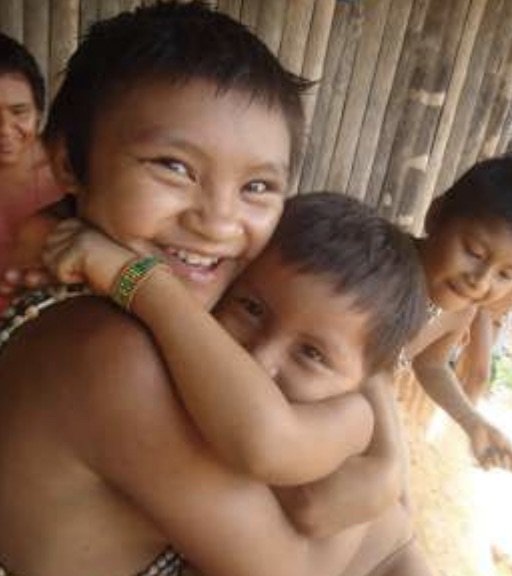
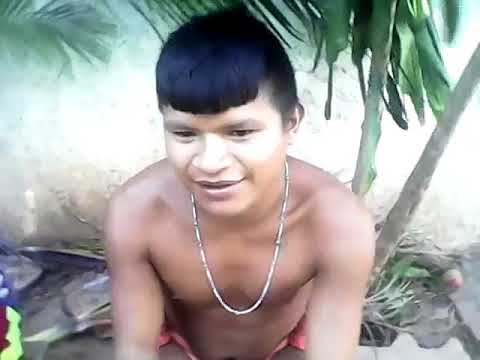
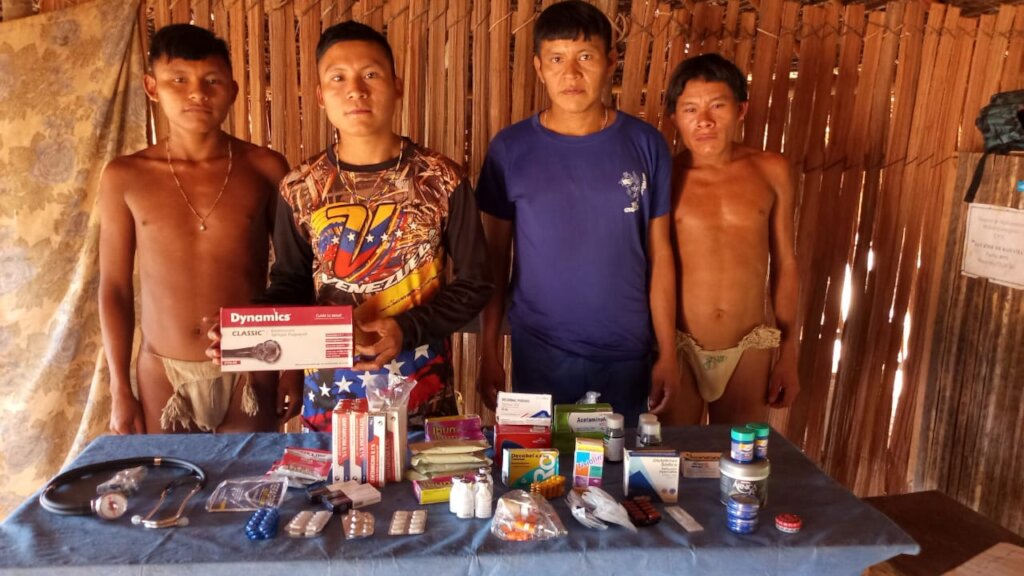
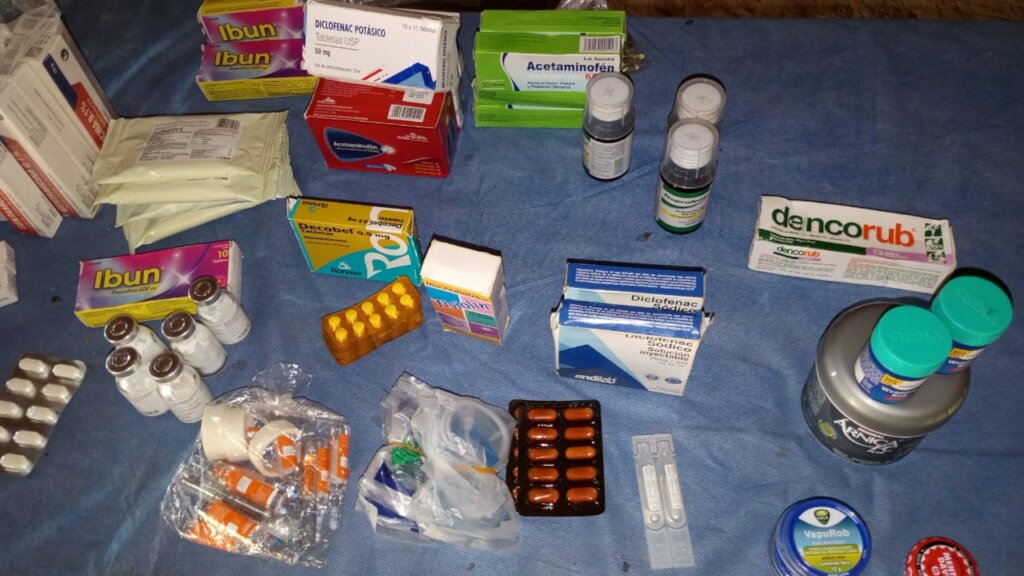
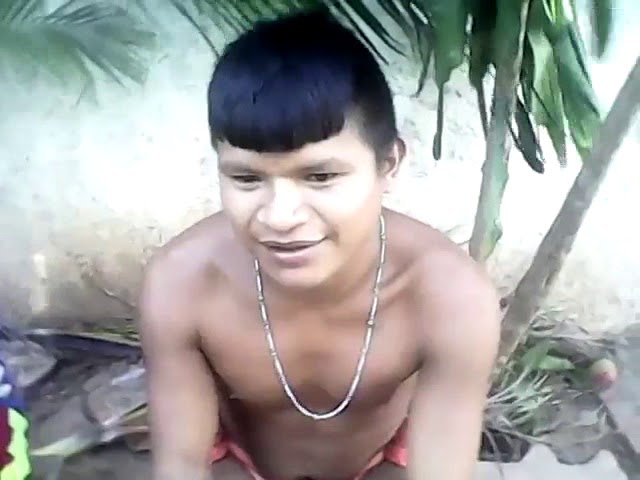
We're excited by this new applied public health resource, made possible by the Jotï community's effective organization, data gathering, and targeted use of their internet connection. It was complemented, this past week, by the delivery of additional medicines and medical supplies (see photos). Purchased with project funds, they were hand-carried to Kayama by community members making the week-long journey home on foot. It takes a village! (See photos 3 & 4.)
Thanks to each of you for all you do to make this work possible, as well as the work for health and wellbeing in your own communities.
Project reports on GlobalGiving are posted directly to globalgiving.org by Project Leaders as they are completed, generally every 3-4 months. To protect the integrity of these documents, GlobalGiving does not alter them; therefore you may find some language or formatting issues.
If you donate to this project or have donated to this project, you can receive an email when this project posts a report. You can also subscribe for reports without donating.



Support this important cause by creating a personalized fundraising page.
Start a Fundraiser