By Susannah McCandless, for the project leaders | Project Administrator
In our last report, we detailed the September 2025 delivery of the first Jotï-language primers, created and illustrated by the community, and compiled by one of the project leaders. By October 2025, the project leaders had already left the community, but with great complexity, via conversations with a number of military personnel, we managed to arrange permission for a private pilot to fly in to Kayamá.
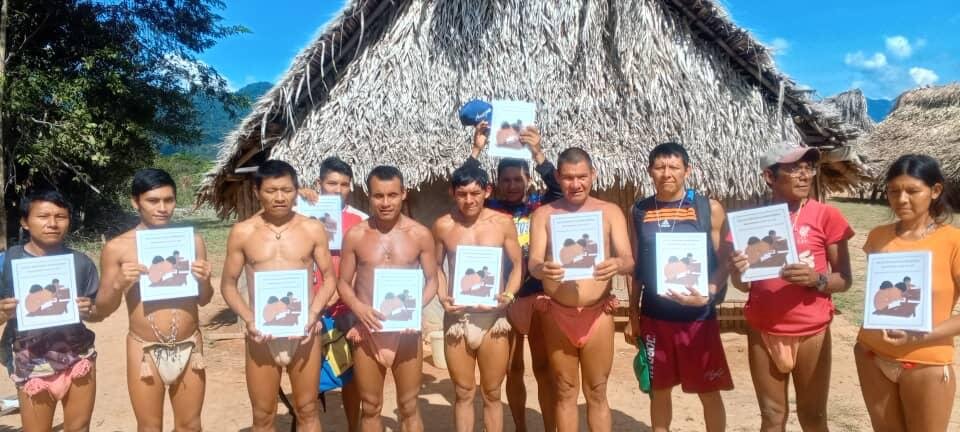
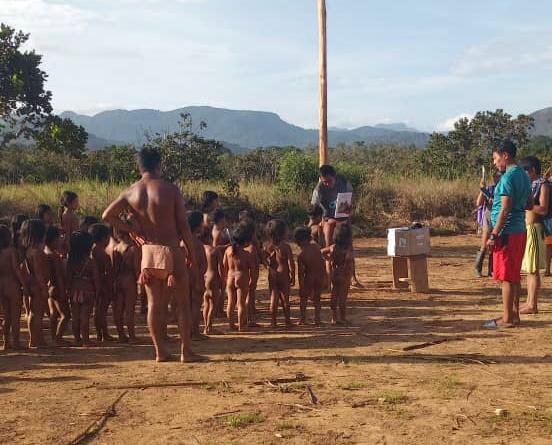
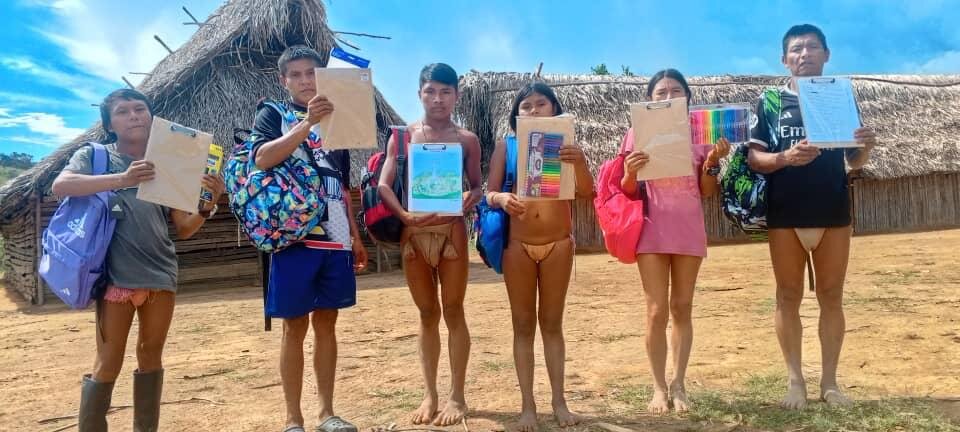
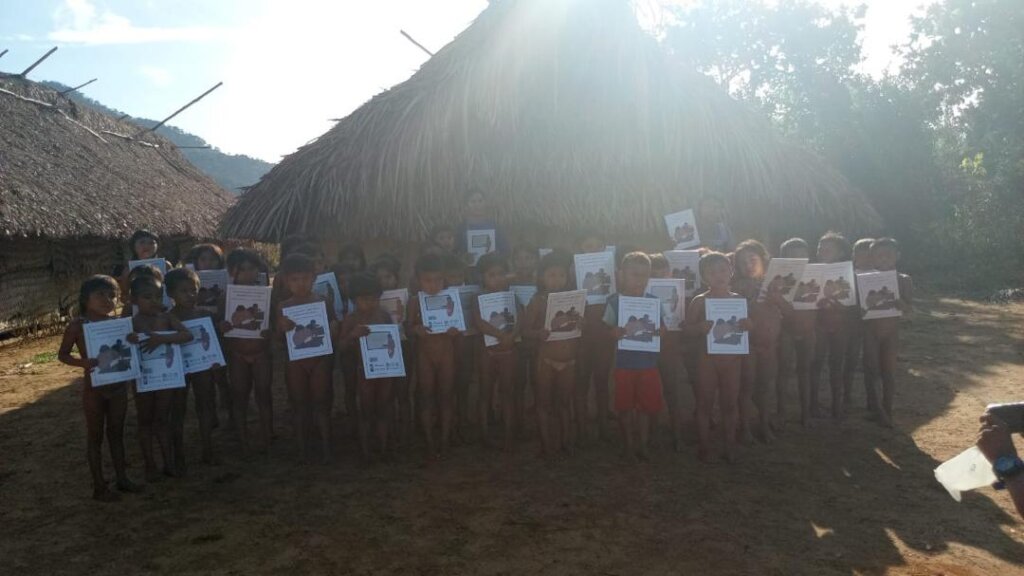
Finally, on the 25th of October 2025, a young pilot flew a 10-passenger plane carrying 8 Indigenous community members--patients who had received medical treatment in the city and were waiting to return home. They shared cargo space with170 copies of the Joti-language primer, medicines for the community health clinic, the StarLink antenna the Jotï chose to enable community-controlled internet, plus salt and other necessities.
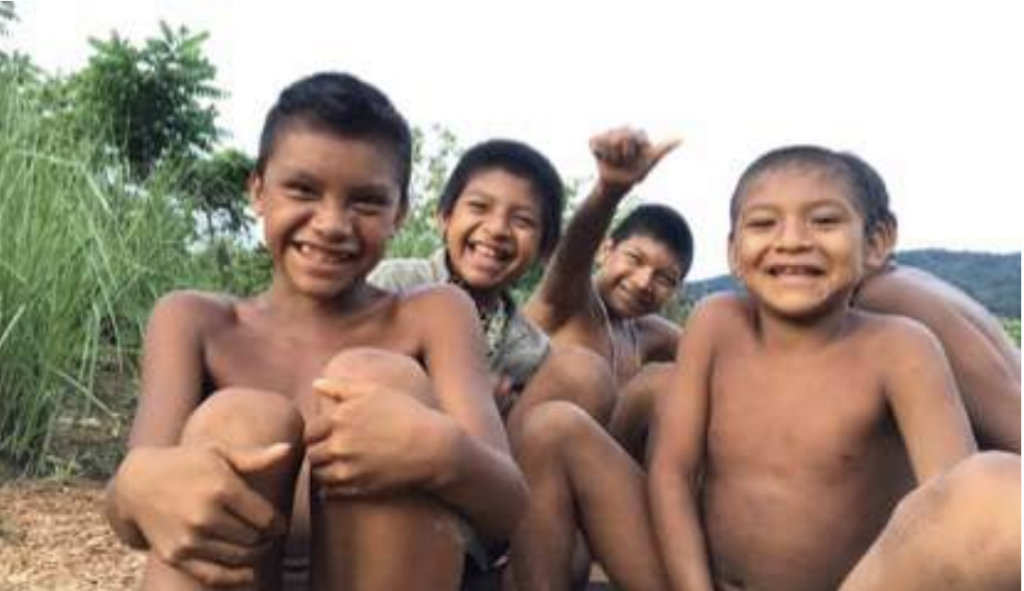
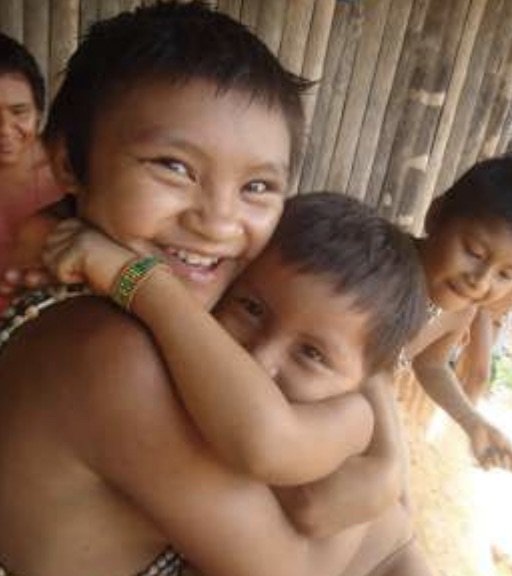
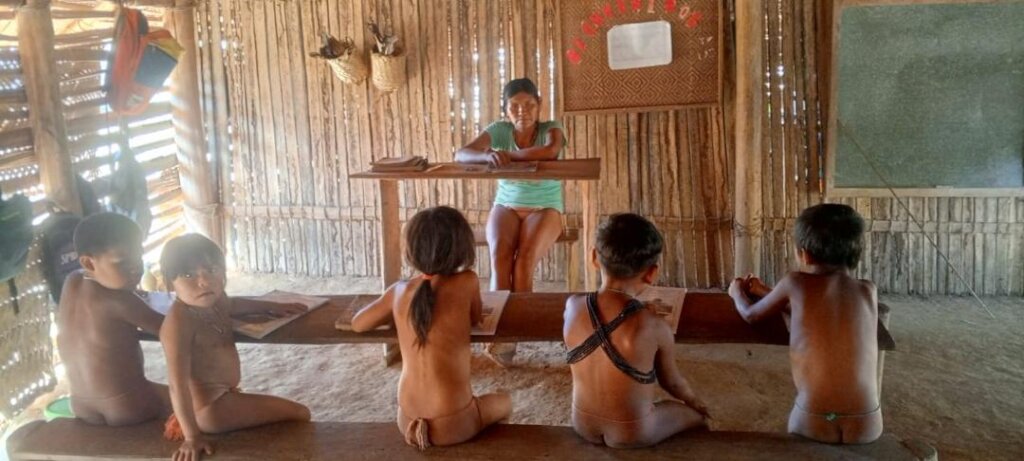
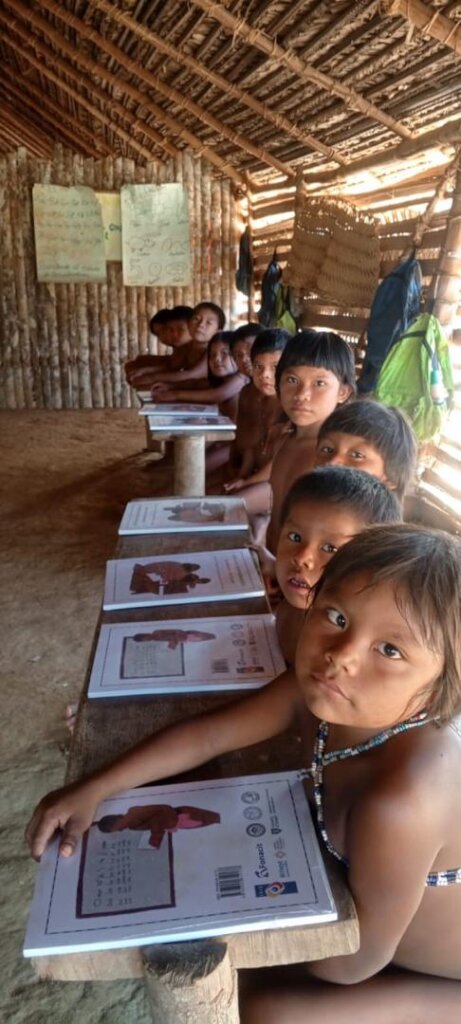
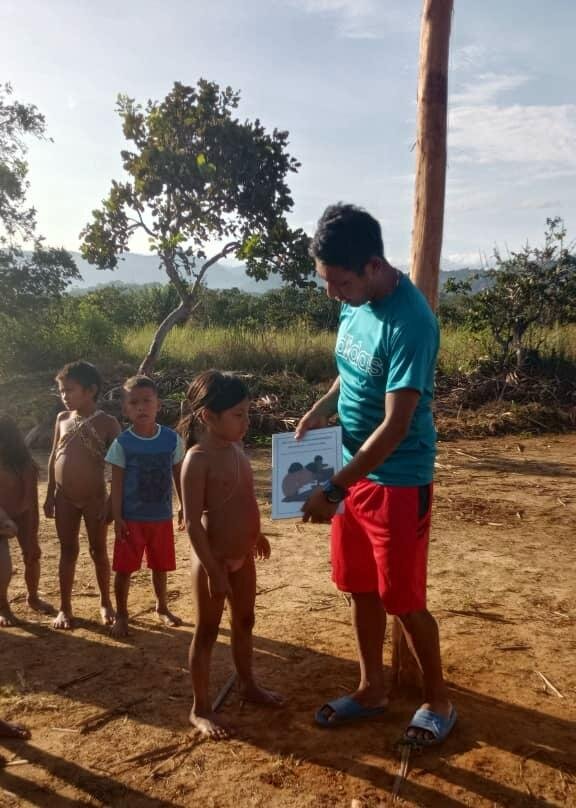
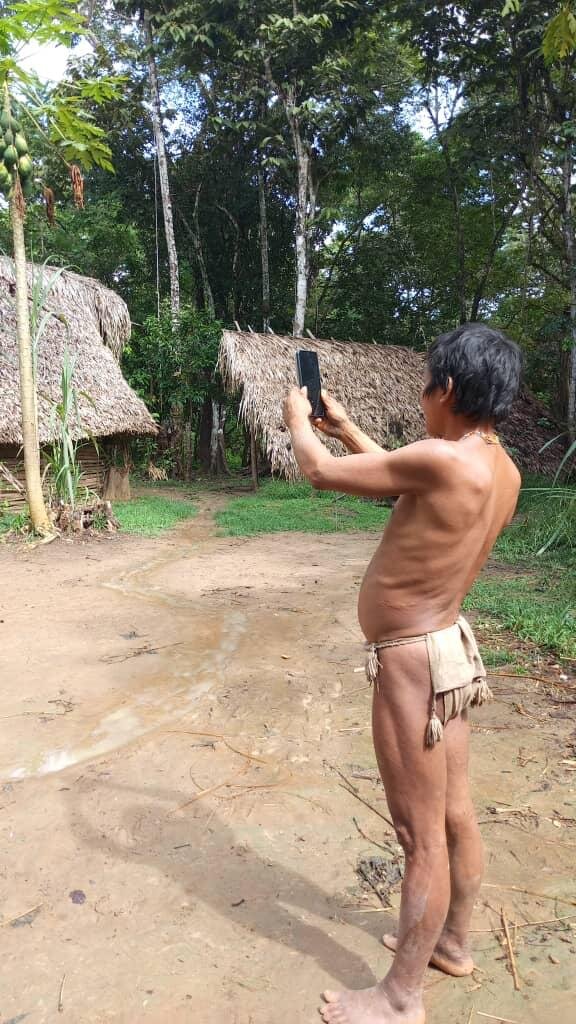
Initially, the antenna worked beautifully, so a super-lovely aspect of that delivery was to receive photos from the community--via the newly installed internet service--of children and illustrators alike delighted to receive the primers.
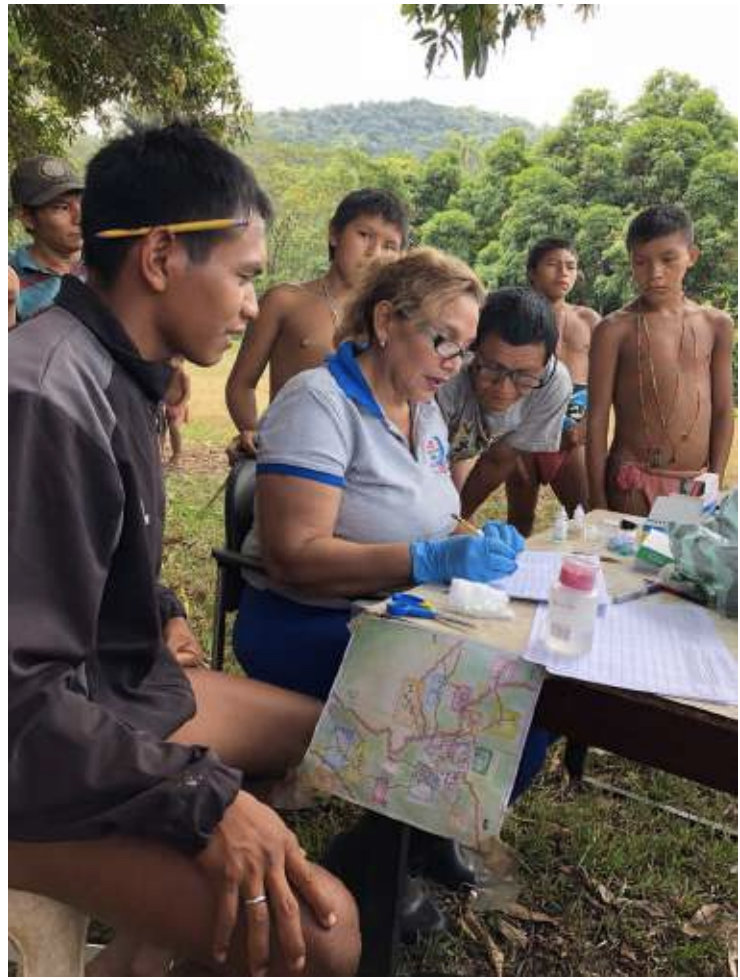
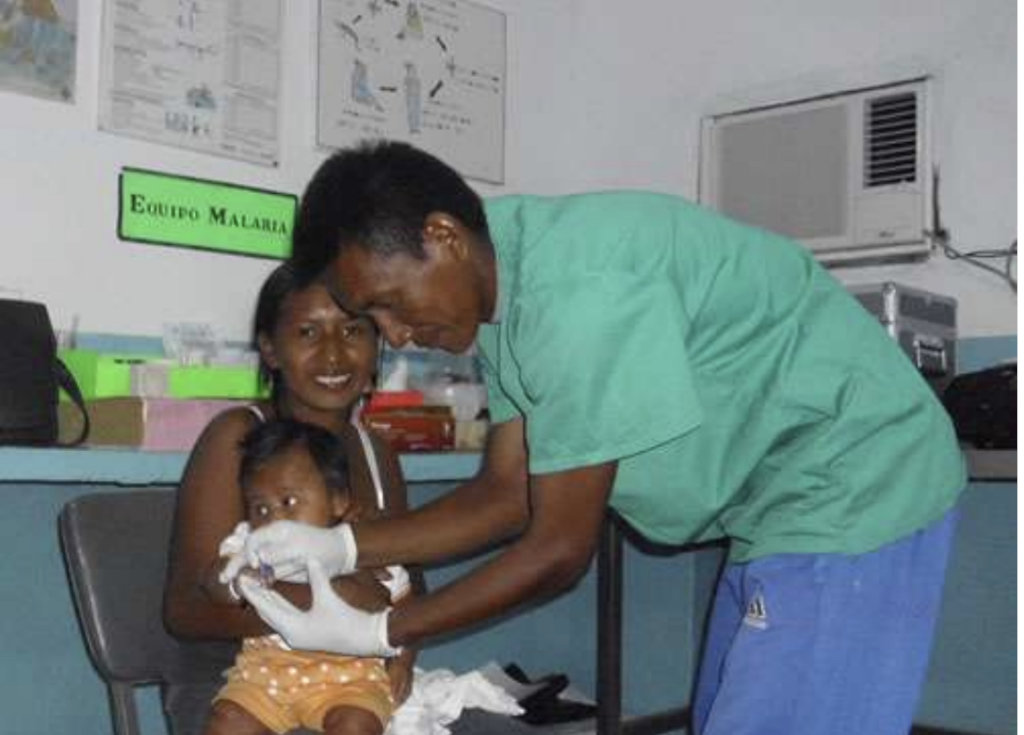
On the same day, 7 new patients took advantage of the return flight out of Kayamá. Some came from even more remote communities, their chance to catch the plane out arranged by a health clinic shortwave radio donated by the project. These patients faced maladies that could not be cured at a remote community health center, including leishmaniasis and a severe kidney infection.
The project supported the cost of medicines for these patients, as well as food for them and their caregivers while they received treatment and recuperated in Ciudad Bolivar. These modest supports made a big difference: we are pleased to share that all 7 patients have recovered well in the ensuing months. In fact, they plan to travel back overland to a small community five hours from the city, and from there return on foot to Kayamá, a trek of 10-12 days.
In addition, since September we have sent small amounts of funds to help cover the costs of other Indigenous individuals in the region facing medical emergencies. For instance, we provided support for a Yabarana youth with a neck tumor, only to learn that he was the grandson of one of the first people the project leaders had collaborated with in the area, over 25 years ago. The project also supported a Piaroa man with an ulcer, and a Jotï woman facing cancer. These health issues are unprecedented in the project leaders' experience. They make us suspect the impacts of mercury and other toxins used in upriver mining lixiviation (leaching) processes, which contaminate the communities’ water supply.
Also since September, in response to the present political moment, the complexity of the reality in Venezuela has increased exponentially. Given that, it is a particular privilege to continue to experience the joy that emerges from this project's partnership with determined Indigenous Venezuelan Amazonian communities. We are so glad to share with you what it looks like to support learning in language and culture, and to foster health and wellbeing across generations.
Thank you for making this work possible!
Project reports on GlobalGiving are posted directly to globalgiving.org by Project Leaders as they are completed, generally every 3-4 months. To protect the integrity of these documents, GlobalGiving does not alter them; therefore you may find some language or formatting issues.
If you donate to this project or have donated to this project, you can receive an email when this project posts a report. You can also subscribe for reports without donating.



Support this important cause by creating a personalized fundraising page.
Start a Fundraiser