By Yael Falicov | Director of Programs, IDEX
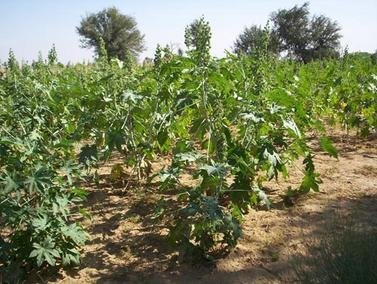
Ten fruit tree orchards were established. These horticulture units are of the size of 40 ft x 30 ft. and each orchard has 18-20 trees of four different varieties. The farmers were selected on the basis that they would be able to provide water to the plants. The water in most cases comes from rainwater harvesting structures installed with support from GRAVIS.
The horticulture units produce indigenous varieties of fruit like goonda, pomegranate, lemon and desert plum. Some of these plants, like the pomegranate, give yield three times a year. The native citrus tree yields 500 kilos of fruit per year, which sell for approximately 25 cents per kilo, yielding an income of $119 per tree. Th
Drip irrigation has been found very effective in this part of the desert. Not only the frequency of watering the plants is reduced but due to the constant moisture, the termite attacks decrease as well, ensuring a higher survival rate for each tree.
Two trainings were also organized at GRAVIS field center. Individuals were brought to the Krishi Vigyan Kendra (KVK, or Center for Agricultural Sciences) - the extension unit of the Central Arid Zone Research Institute (CAZRI) at Jodhpur. These trainings served a dual purpose of training as well as field exposure visits. KVK not only have the technical expertise, they also have numerous demonstration plots of arid horticulture, pastureland development, organic compost, worm compost, and livestock rearing.
The participants showed a high level of interest and cleared many doubts about the type of crops to be sown, the place from where good quality seed could be procured, the time of sowing, the process of composting, common diseases of animals and how to prevent contracting them etc. These trainings also helped bring a shift in the perception of many who during a later meeting agreed to develop demonstration plots on their fields related to organic farming.
Thank you for all your support for this project. To continue to support GRAVIS’ work please visit Project 2171 – Help women secure food and water in India.
By Katherine Zavala | Program Coordinator, IDEX
By Katherine Zavala | Coordinator of Programs
Project reports on GlobalGiving are posted directly to globalgiving.org by Project Leaders as they are completed, generally every 3-4 months. To protect the integrity of these documents, GlobalGiving does not alter them; therefore you may find some language or formatting issues.
If you donate to this project or have donated to this project, you can receive an email when this project posts a report. You can also subscribe for reports without donating.