To prepare us to enter the next phase of development for our kids, we are shifting our curriculum from a traditional approach to a diversified student-centered curriculum. While our longstanding curriculum has yielded positive outcomes such as grade advancement, school attendance, higher graduation rates, and admissions to the university, we have identified gaps in student knowledge that, when filled, will better prepare our graduates to enter the workforce.
With the traditional curriculum approach that most Nigerian schools utilize, children do not learn in the capacity that will enable them to lead successful careers once they graduate. The traditional curriculum is highly theoretical and often misses developmental elements such as critical thinking, problem-solving, and methodology that leads to strong communication, digital, and leadership skills that enables students to develop real-world applicable skills.
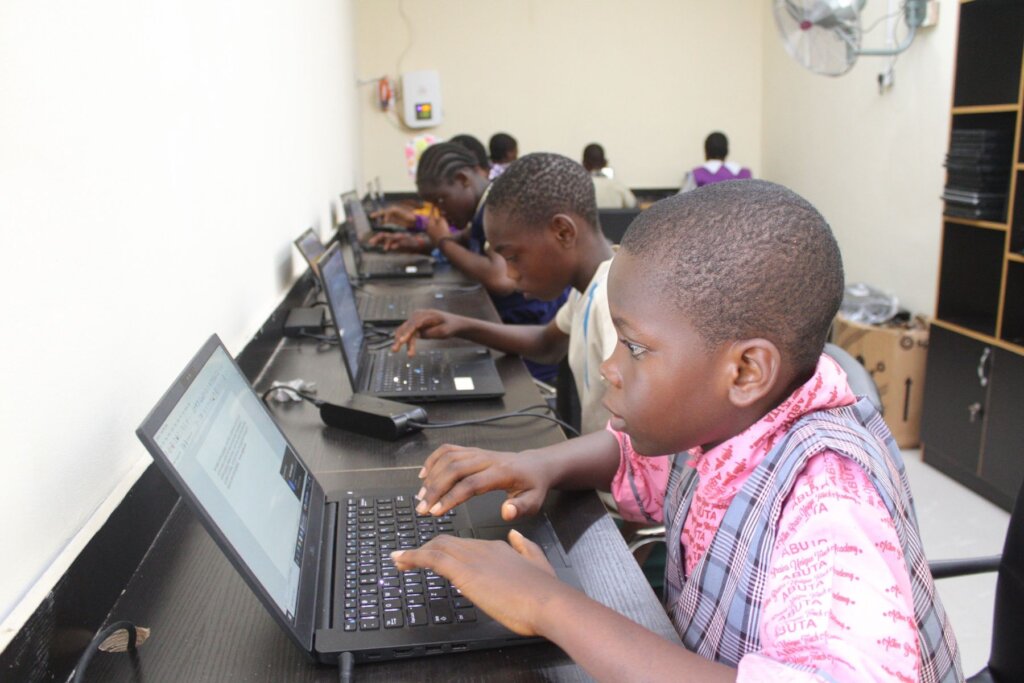
To bridge the gap, we will develop a student-centered program that incorporates applied and project-based learning strategies. Students will encounter topics in three phases: exposure, exploration, and engagement. As students progress through their schooling, they will choose the topic areas they would like to dig deeper into and begin to specialize in related skills. Core subjects will include Leadership, Communications, Strategy, Entrepreneurship and Internet Literacy.
This curriculum will ensure our youth have the foundation for the ever-evolving needs of the workplace. Nigeria is projected to be the third-most populous country in the world by 2050. As pressure on the labor market increases, having a strong foundation is important, so our youth might become more adaptable to the future economic landscape. Incorporating this curriculum will give our youth the agency that they need to choose their careers, reach their full potential, and become great leaders.