By Yvonne Capehart Weah | Project Leader, Co-Director WE-CARE Foundation
Program Implementation
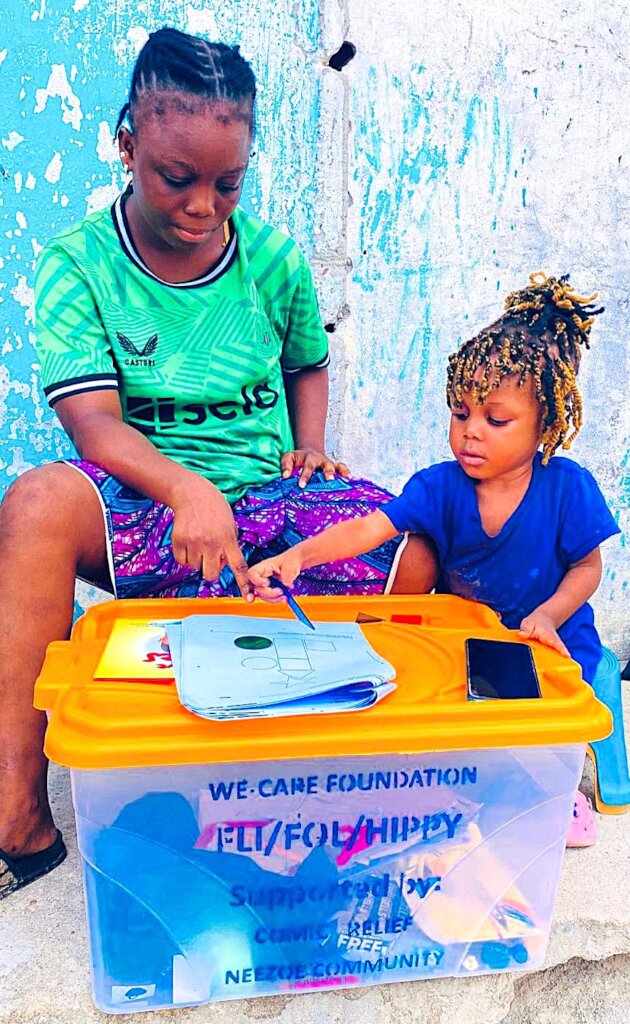
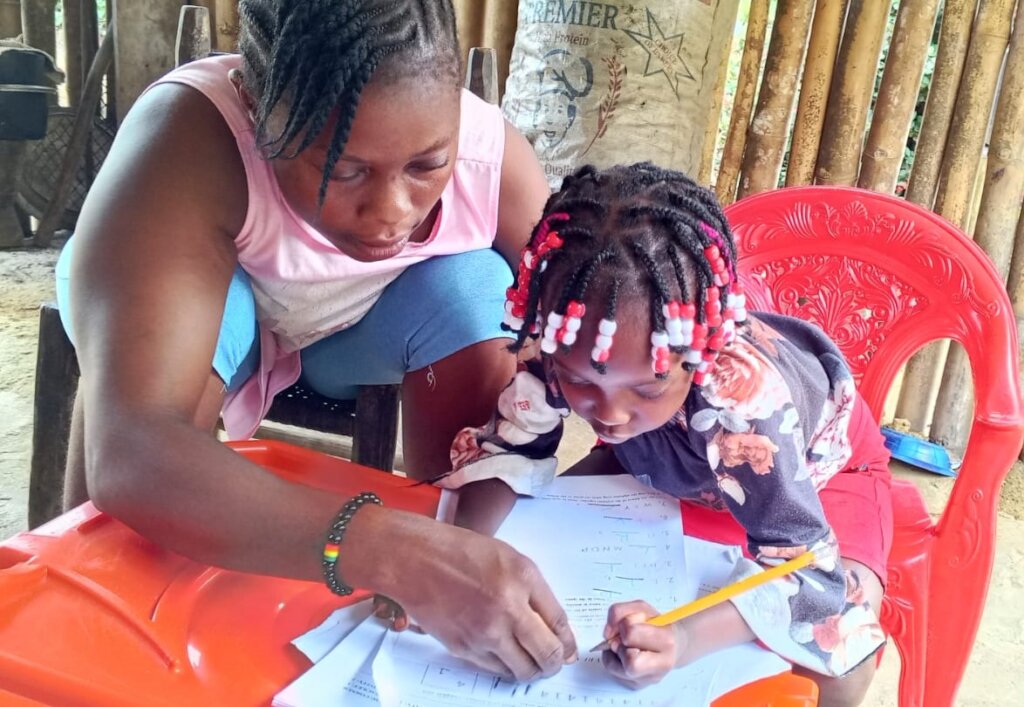
WE-CARE and her partners Friends of Liberia and HIPPY International extend thanks and appreciation to all donors that contributed the Family Literacy Initiative (FLI) in its eleventh year of operation. The structured home visits for this year started March 2026. These visits are designed to equip parents with the tool and skills that they need to support their children’s learning at home. The home visits started after extensive stakeholder engagement meetings and assessments of newly recruited year 1 families.
A total of 233 families with 236 children are currently participating, supported by 25 trained
home visitors across five program communities. Introductory meetings were held to establish
rapport between families and home visitors, set teaching schedules, and ensure smooth coordination of home visits. These initial interactions created a strong foundation of trust, collaboration, and effective lesson delivery.
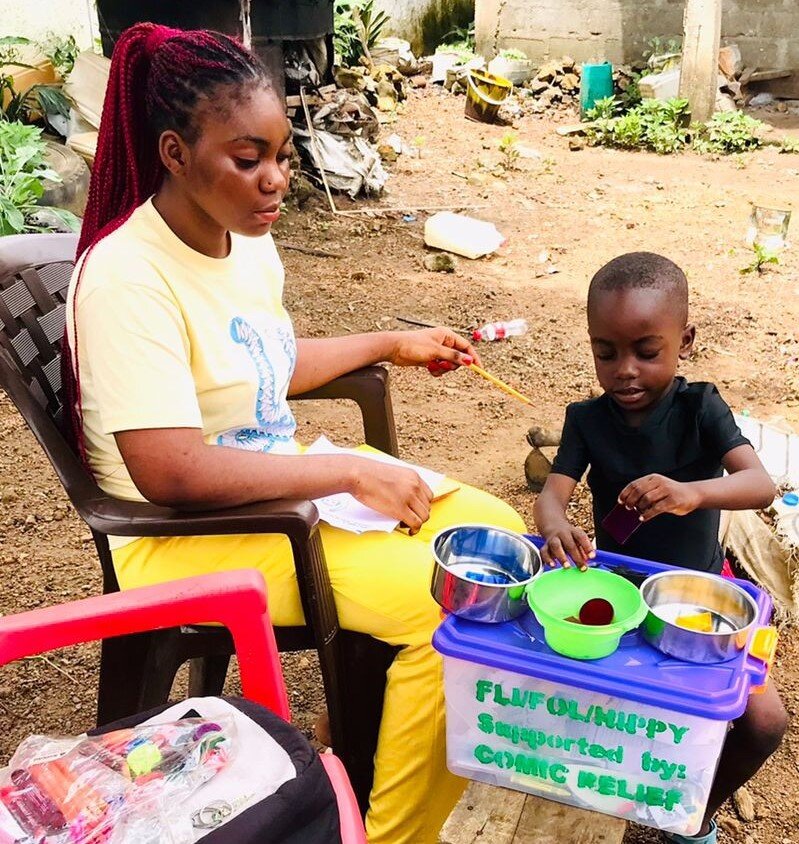
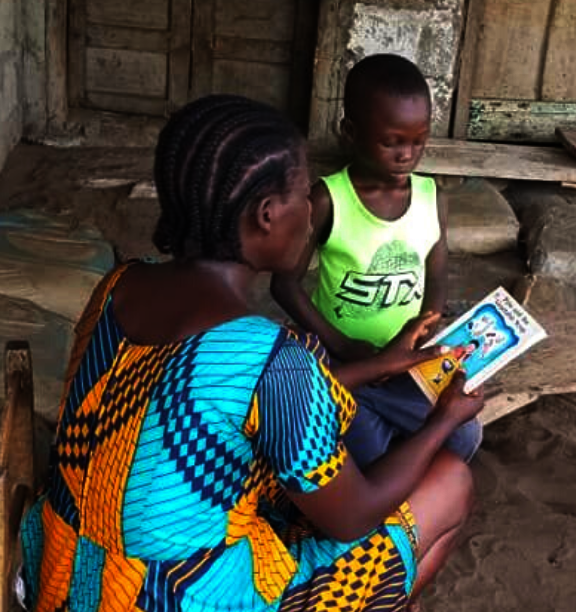
Home Visits and Roleplay
During this reporting period, home visitors delivered structured lessons across five contextual
areas: Mathematics, Science, Socio-emotional Development, Literacy, and Language. Lessons
targeted children ages 3 to 5 that have been participating for 1 to 3 years, while parents were guided on teaching key foundational skills.
Screening and Assessment
After six weeks of roleplay, children underwent screenings to evaluate progress in conceptual
skill areas aligned with lessons taught.
These assessments provided valuable insights into children’s developmental progress and informed on areas that home visitors need to enhance when they are teaching the parents.
Update Meetings and Monitoring
Weekly update meetings brought together coordinators, supervisors, and home visitors to prepare for upcoming lessons. These sessions included demonstrations of teaching methods, correction of instructional errors, and peer learning. As a result, home visitors showed marked improvements in preparedness, teaching strategies, and roleplay delivery.
General Group Meetings and Community Engagement
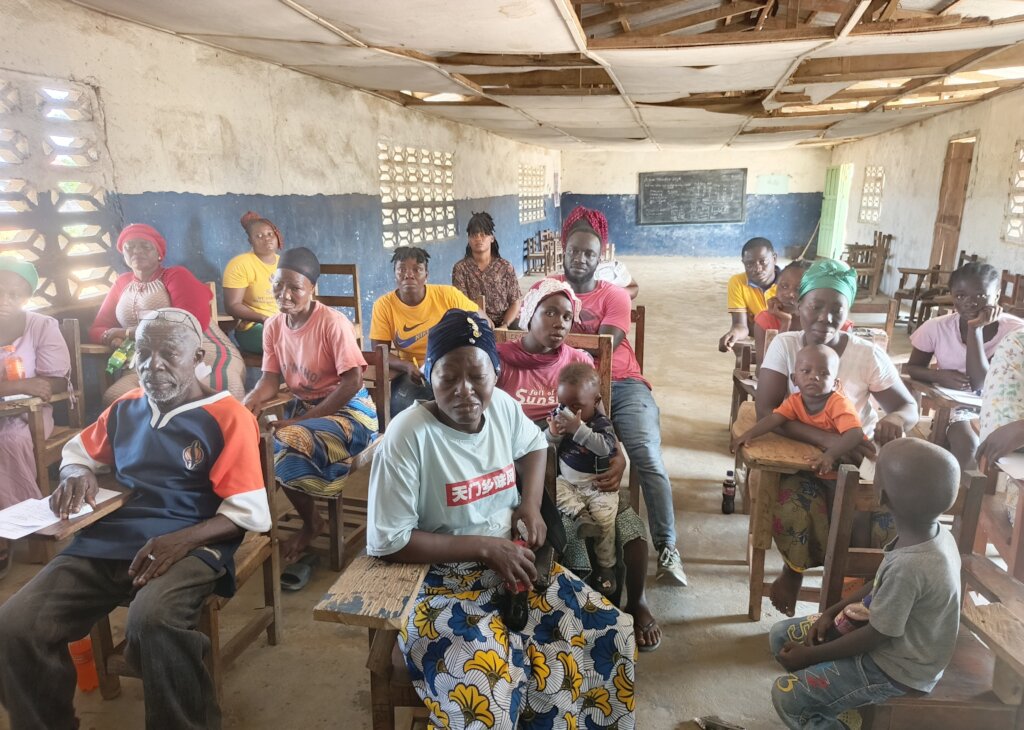
In May 2026, the first general group meetings were held across all five program communities. These gatherings brought together 168 families, alongside school administrators, District and County Education Officers, community leaders, elders, youth representatives, home visitors, ALP facilitators, and program coordinators.
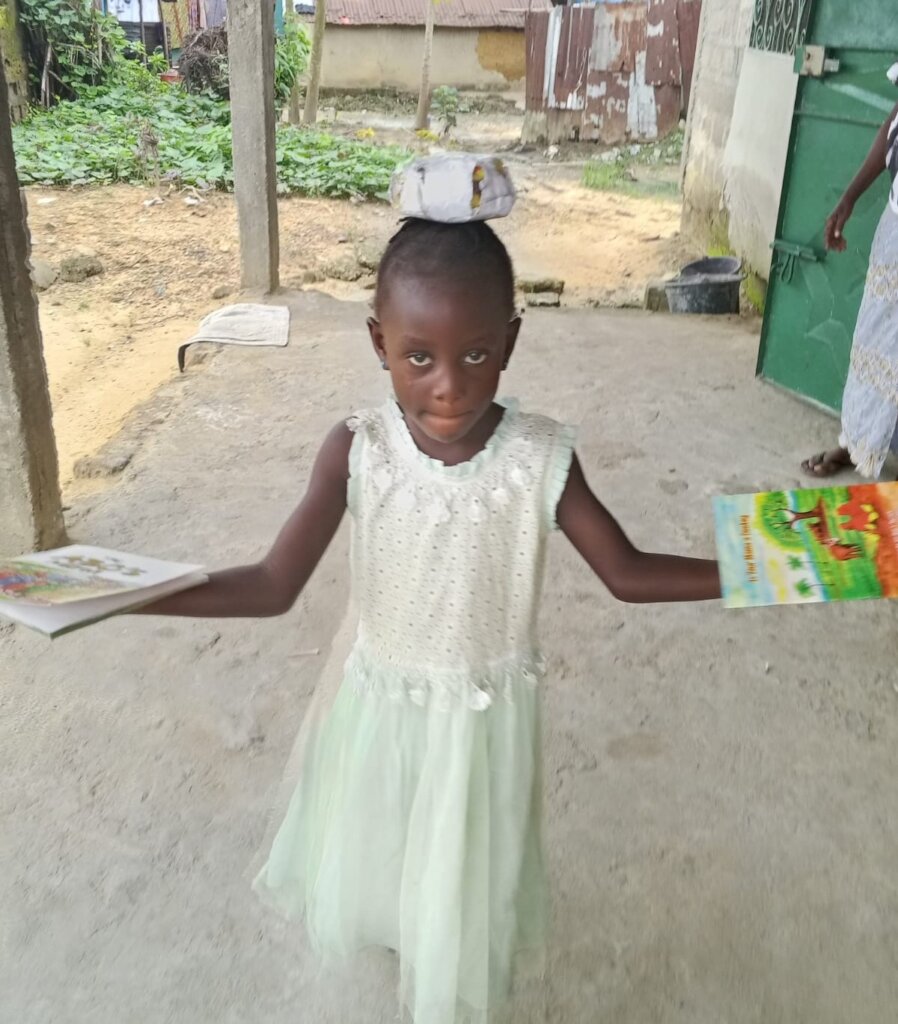
Parents shared personal experiences, highlighting improvements in their children’s confidence and learning. Education and community leaders reaffirmed their support, while Year 1 families received teaching and learning resource boxes to aid home-based instruction.
One notable testimonial came from a proud mother in Caldwell, who shared that her previously shy age four daughter had gained confidence and was promoted to kindergarten in formal school. For this family a child being in the appropriate class for their age is unusual.
Adult Literacy Program (ALP)
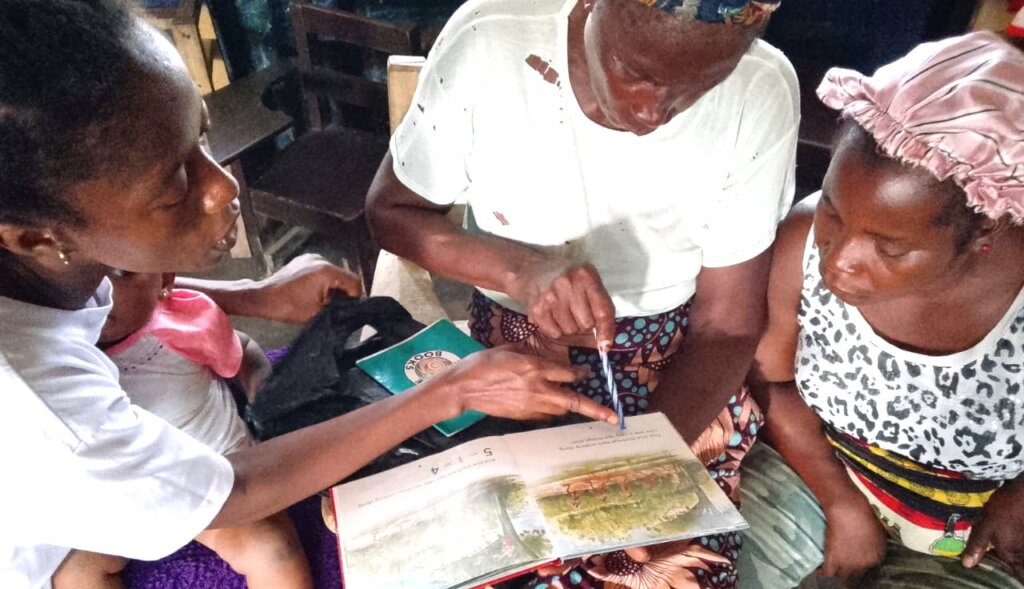
Children’s learning outcomes are closely tied to parental literacy, the 2026 Adult Literacy Program (ALP) classes for 105 (Male 1, Female 104) low-literate parents participating in FLI and other community members started in March 2026. Communities with ALP classes include: Dauzon, Gankalashue, Lekpeh Town (Bomi), Central Careysburg, WestPoint, Caldwell, Neezoe and Nyemah Town. While attendance in Gankalashue and Lekpeh Town remains challenging due to heavy rain, the Central Careysburg class has seen strong attendance. To improve the learning environment Central Careysburg, 27 chairs were provided to accommodate the learners.
A Reading Campaign was introduced to enhance learners’ reading fluency, comprehension, vocabulary development, sentence formation and creative writing. The use of phone text messages is being used to promote writing and communication.
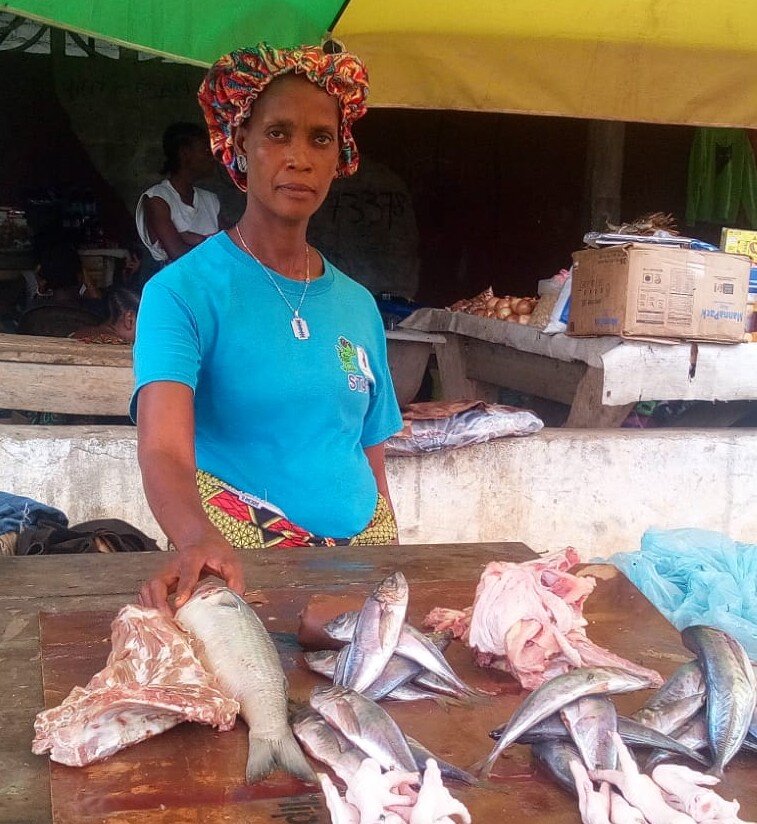
Women’s Economic Empowerment Activity
The FLI Women Economic Empowerment pilot demonstrated the potential of combining literacy education with economic empowerment to address barriers affecting children's school enrollment and retention. By strengthening women's financial literacy, vocational skills, and income-generating opportunities, the pilot contributed to improved women caregivers' capacity to support their children's learning and school enrollment. The second phase of the FLI Women Economic Empowerment commenced in April 2026 with the financial literacy training for identified families to benefit from the interest-free micro-loan. A total of 56 women from West Point, Careysburg (Central, Nyemah Town, and Gankalashue Town) received loans to support and expand their small businesses.
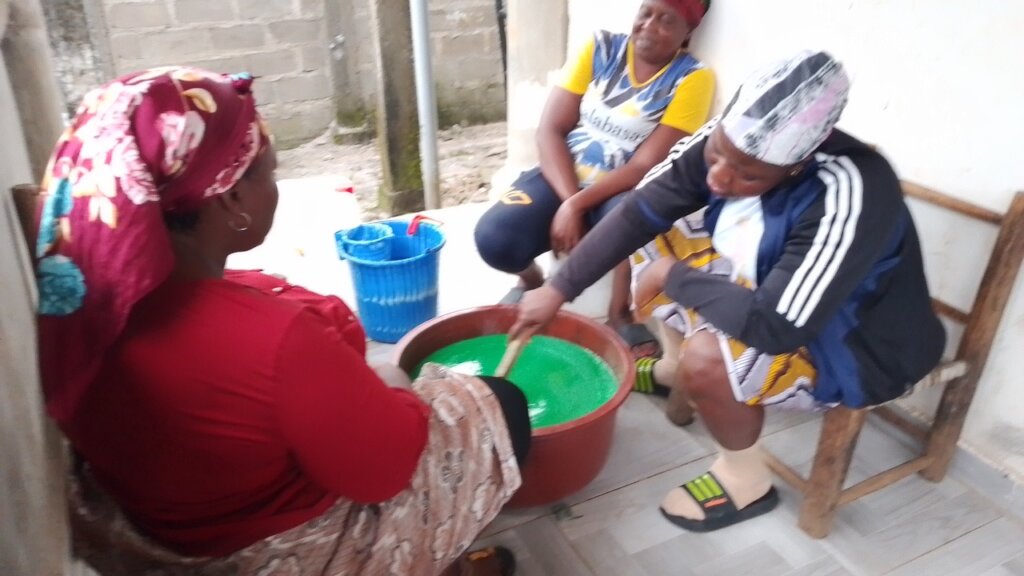
In addition to the cash loan component, the income-generating skills training classes started in June 2026. Skills include liquid soap making and slipper, bag and beads production. 47 women are benefiting from the skills training from FLI families in Caldwell, Neezoe, and Duazon.
The Family Literacy Initiative has made strong strides in its first months of home visit implementation. With over 230 families engaged, structured lessons delivered, and children showing measurable progress, the program is building a solid foundation for literacy and learning. Weekly update meetings, monitoring visits, and community engagement activities have strengthened collaboration and accountability.
The addition of the Adult Literacy Program has expanded the initiative’s impact, empowering parents to improve their own literacy while supporting their children’s education. Coupled with the Women’s Economic Empowerment activity, FLI is addressing both educational and socio- economic needs, ensuring families are better equipped for long-term success.
Thank you for your past support on GlobalGiving.
Links:
Project reports on GlobalGiving are posted directly to globalgiving.org by Project Leaders as they are completed, generally every 3-4 months. To protect the integrity of these documents, GlobalGiving does not alter them; therefore you may find some language or formatting issues.
If you donate to this project or have donated to this project, you can receive an email when this project posts a report. You can also subscribe for reports without donating.



Support this important cause by creating a personalized fundraising page.
Start a Fundraiser