By Kit Fischer | Senior Program Manager
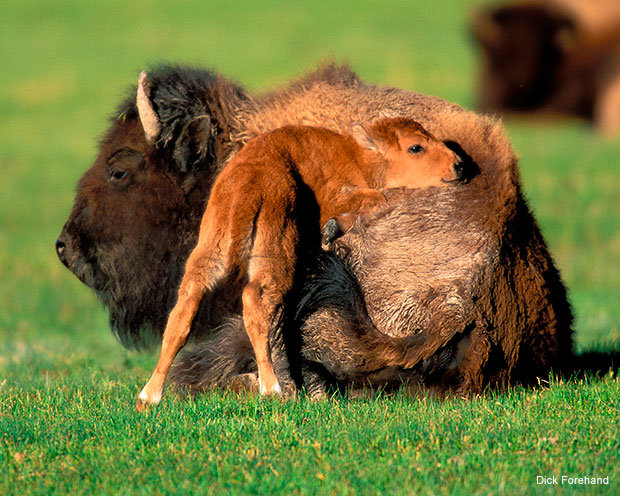
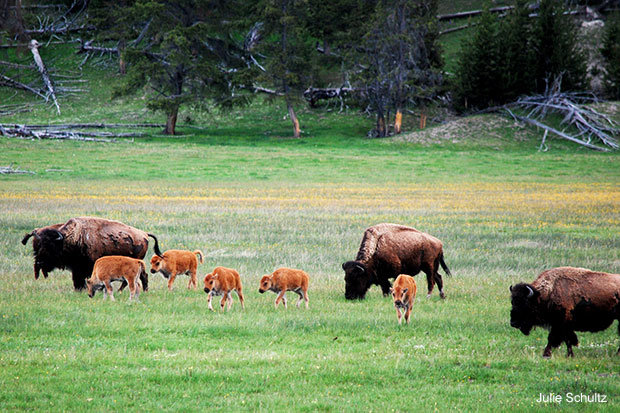
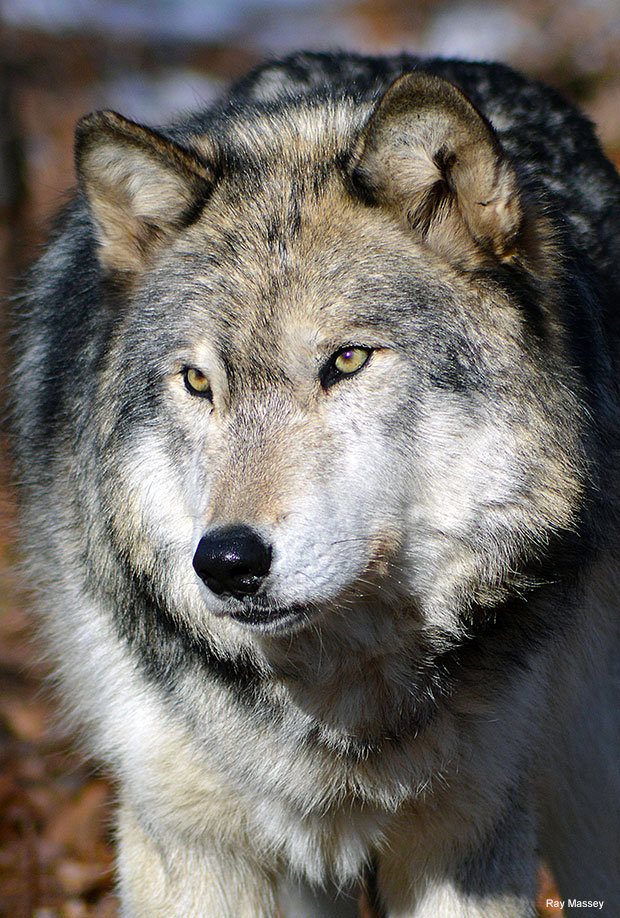
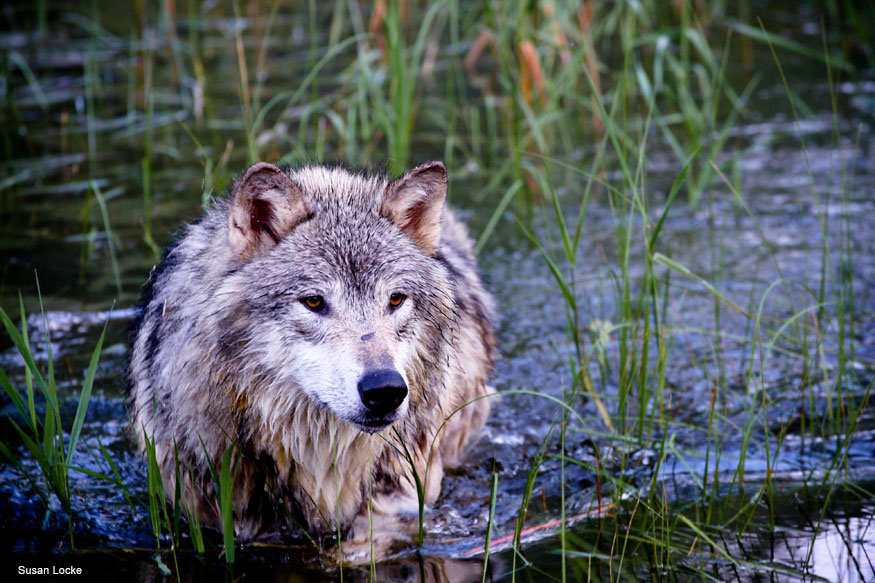
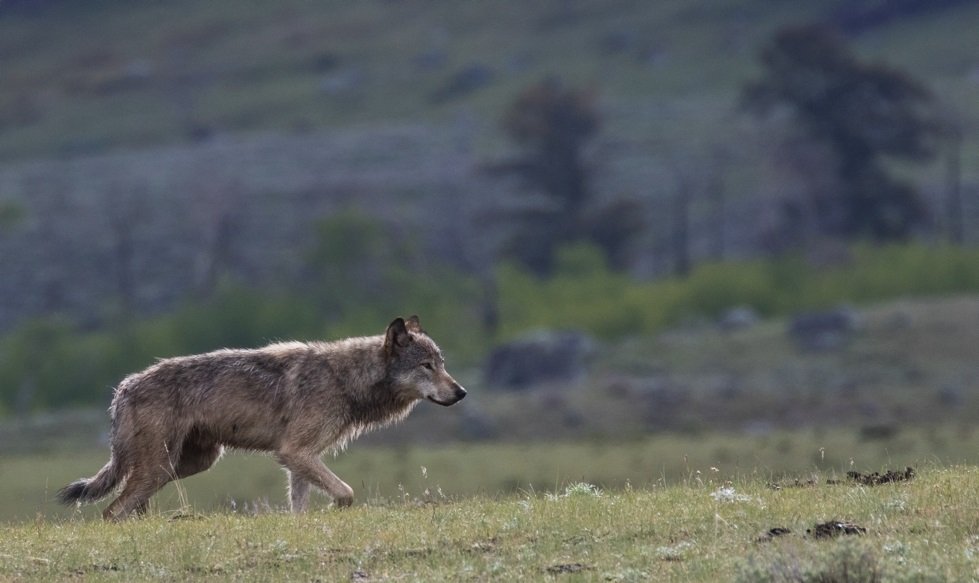
One of NWF's key campaigns over the past decade has been the enhancement of wildlife habitats in the High Divide eco-region, not only to sustain resident wildlife populations within this magnificent landscape but also to improve landscape connectivity between the Greater Yellowstone and the Salmon-Selway ecosystems in central Idaho. NWF initiatives have triggered new BLM planning to protect key wildlife habitats, catalyzed sage grouse habitat mapping and protection, removed livestock from areas with high potential for conflicts with wildlife, and advanced balanced federal legislation to protect hundreds of thousands of acres of wilderness while underwriting restoration of working landscapes. Through voluntary grazing retirements we have eliminated wildlife / livestock conflicts on over 140,000 acres along the High Divide. In turn, we are reconnecting wildlife to landscapes where they’ve been absent nearly a century.
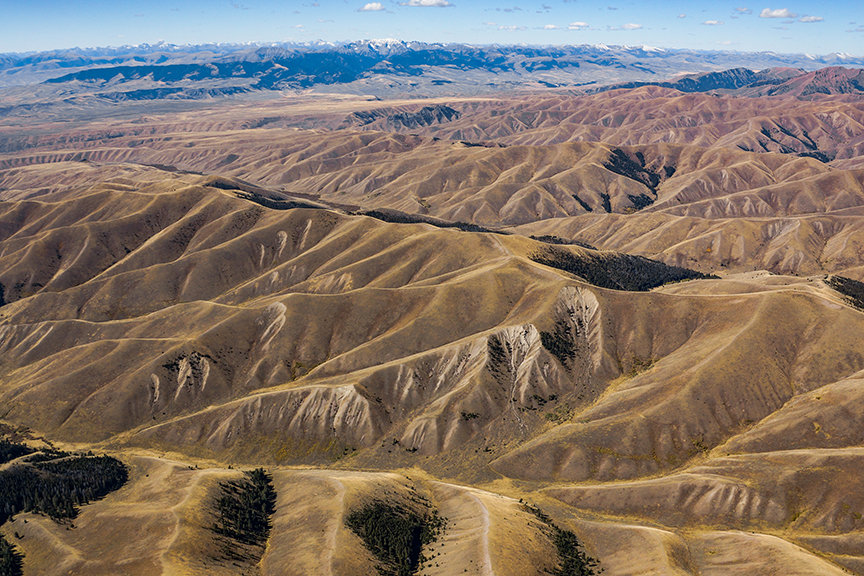
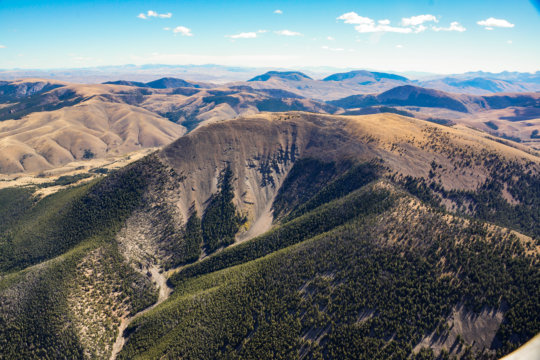
This immense swath of high elevation public lands runs west out of Yellowstone Park, including the Centennial Mountains and the south Beaverhead Mountains on the Montana/ Idaho border until joining the Salmon / Selway Wilderness in central Idaho. For the past 20 years, NWF has worked collaboratively with ranchers, agencies and other conservation NGO's to highlight the importance of the region as an essential wildlife corridor. However, we still have much work to do to ensure wildlife can utilize this important corridor without running into trouble.
In addition to NWF's grazing retirement work on the High Divide, we continue to fight efforts to end domestic sheep grazing on the United States Department of Agriculture's Sheep Research Station (ARS) lands. The ARS lands amount to 16,600 acres of prime habitat for a variety of species and is not a suitable place for grazing research to be conducted.
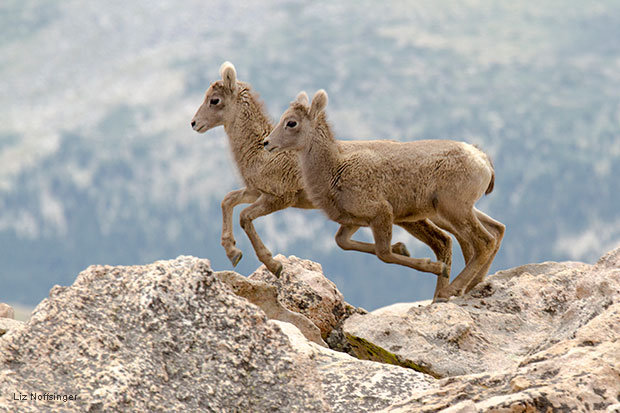
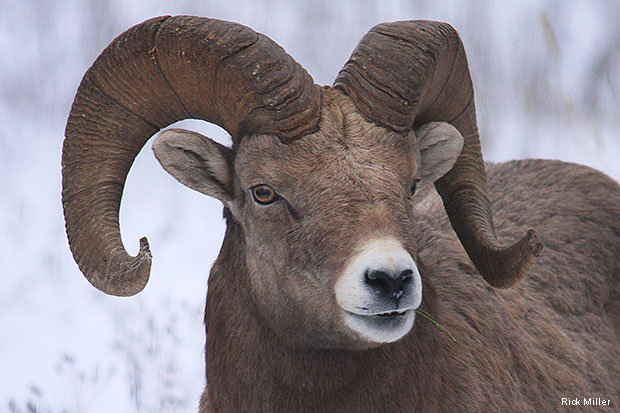
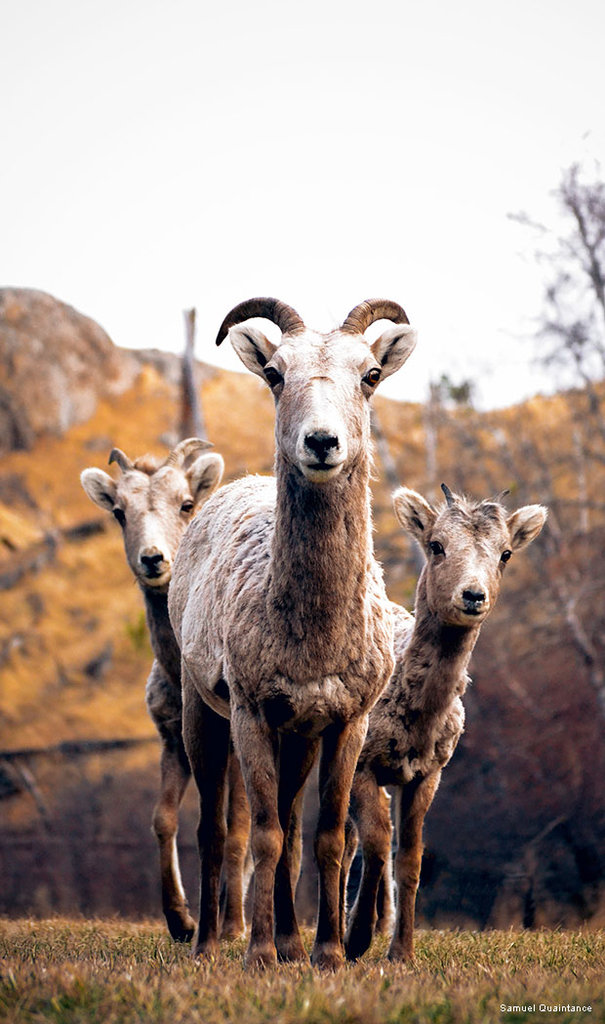
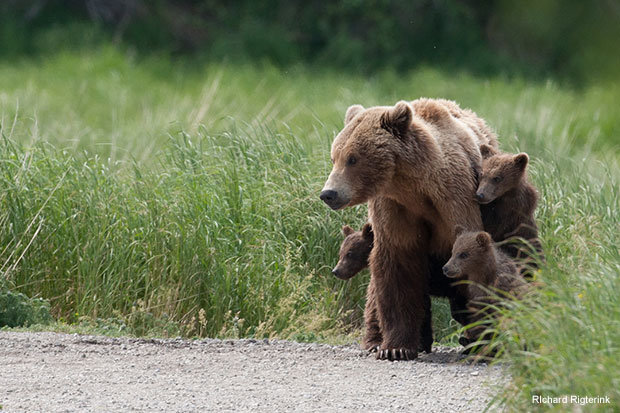
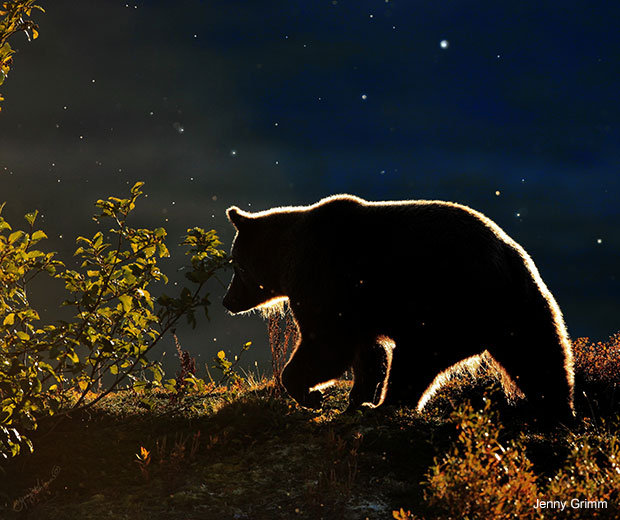
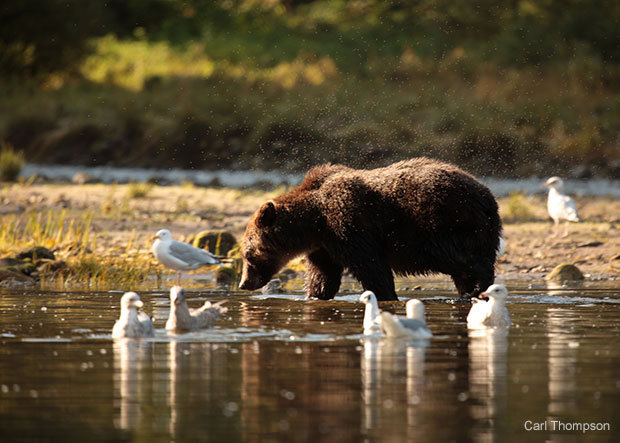
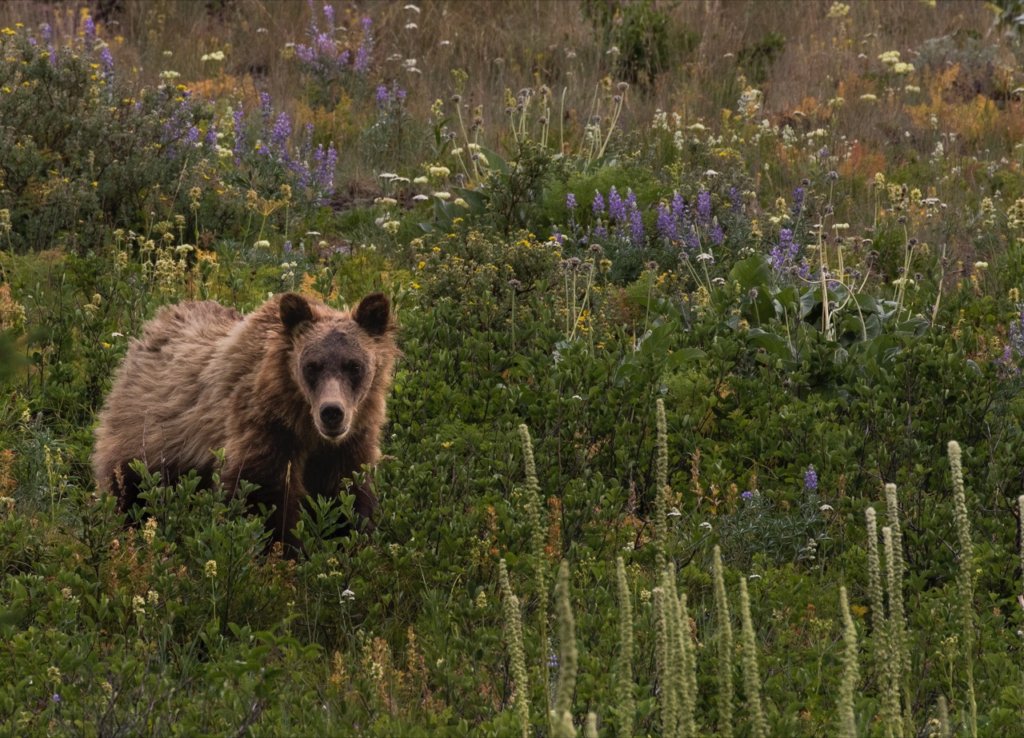
Of particular importance is the role of this wild country for expanding Yellowstone's grizzly population. Grazing domestic sheep on the high elevation pastures in the Centennial Mountains will continue to limit the potential expansion of grizzly bear populations as more conflict arises. In addition, domestic sheep limit the ability for wild sheep populations to expand into the region as domestic sheep often can pass on deadly bacterial pathogens to wild sheep.
Over the next year we see incredible opportunity to work collaboratively to find solutions that will allow wildlife populations to fully utilize this valuable ecological corridor.
Links:
Project reports on GlobalGiving are posted directly to globalgiving.org by Project Leaders as they are completed, generally every 3-4 months. To protect the integrity of these documents, GlobalGiving does not alter them; therefore you may find some language or formatting issues.
If you donate to this project or have donated to this project, you can receive an email when this project posts a report. You can also subscribe for reports without donating.



Support this important cause by creating a personalized fundraising page.
Start a Fundraiser