By Kit Fischer | Senior Program Mgr. Wildlife Conflict Resolution
Chinook salmon spawning in central Idaho's Cape Horn area can breath a sigh of relief thanks to NWF's recent efforts to retire domestic sheep grazing on the critical endangered Chinook spawning grounds.
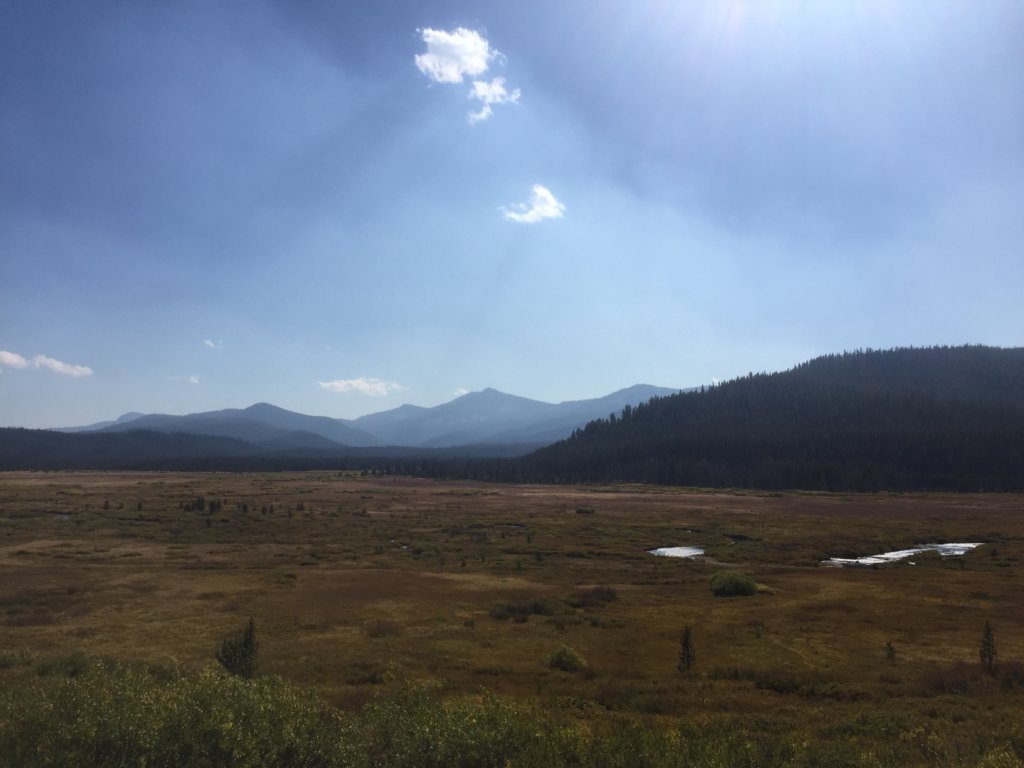
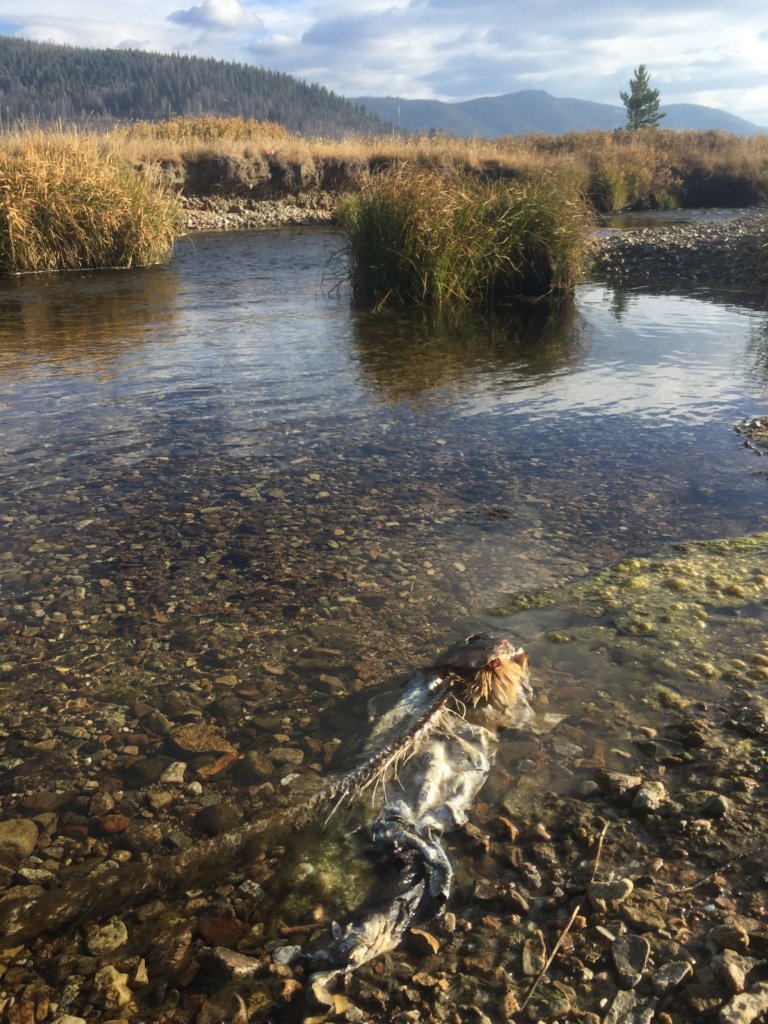
The Cape Horn allotment lies in the headwaters of the Middle Fork of the Salmon River in the Salmon Challis National Forest west of Stanley, Idaho. This grazing retirement will protect critically important spawning habitat for steelhead, threatened Chinook salmon and bull trout. The Chinook that spawn in Knapp Creek, Marsh Creek, Valley Creek, Beaver Creek, and Swamp Creek, within the Cape Horn allotment boundaries, represent one of the last remaining wild Chinook populations that has not been genetically influenced by hatchery fish. In total, the allotment includes 38 miles of Chinook spawning habitat.
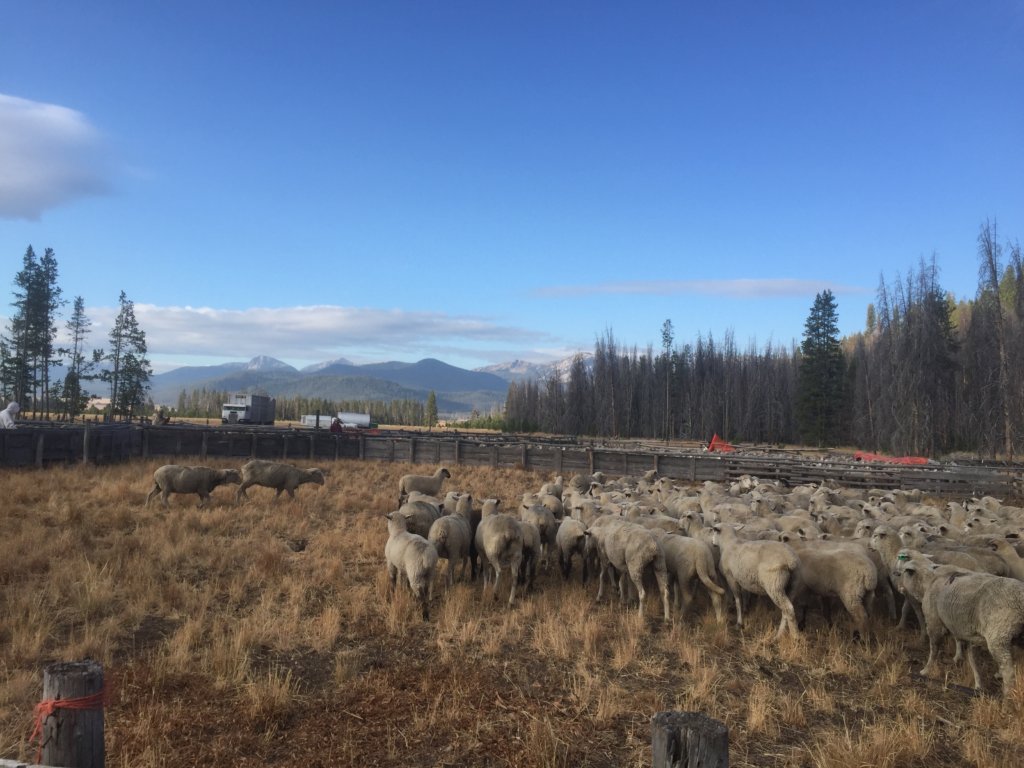
Unfortunately, long-term grazing on Cape Horn has threatened recovery of the species. Historically, hundreds of sheep trailed across the vast 86,000 acre allotment in late August and they often waded through several critical spawning areas, known as redds, and trampled Chinook eggs.
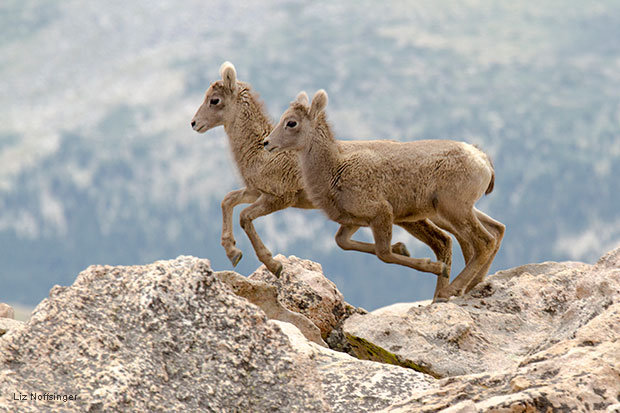
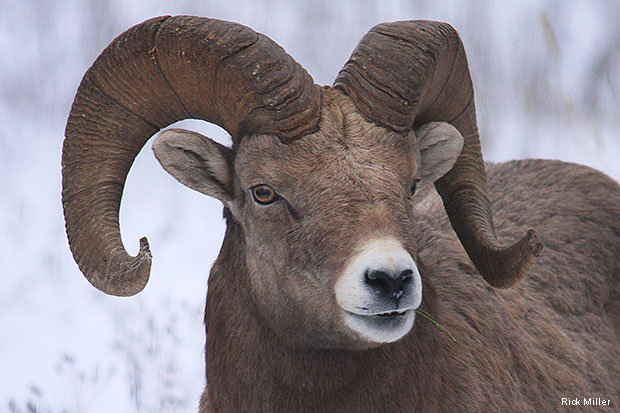
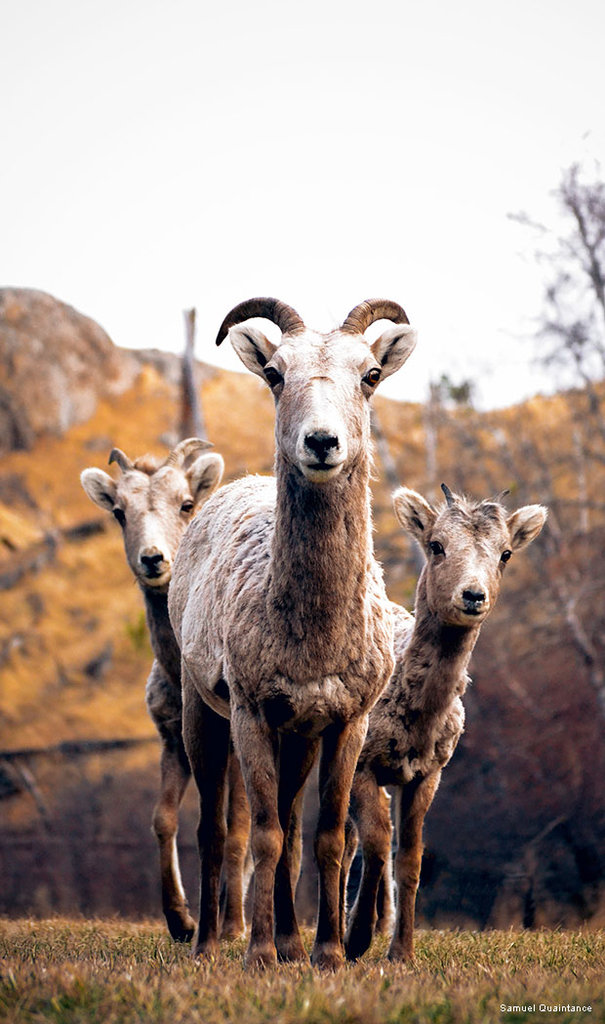
In addition, the domestic sheep grazed on this high-elevation allotment during the summer months threatened the health of nearby bighorn sheep populations in the Salmon River area. This is Idaho's largest bighorn population and eliminating the risk of contact with domestic sheep will ensure their longterm stability.
The sheep rancher, the Forest Service and National Wildlife Federation were all seeking solutions. By compensating the producer to retire his grazing permit, it allows the Forest Service to permanently cancel the grazing permit. This solution benefits the Forest by cutting costly management and monitoring of the allotment and provides financial opportunity for the rancher to pursue alternate grazing in areas with minimal conflict with wildlife and secure his business.
We are currently fundraising to pay the rancher for the Cape Horn retirement, and have $60,000 yet to raise in the next 5 months. For the cost of less than $2/ acre, the conservation benefits of this grazing retirement are hard to match. Many thanks to our supporters who make this important work possible.
Links:
Project reports on GlobalGiving are posted directly to globalgiving.org by Project Leaders as they are completed, generally every 3-4 months. To protect the integrity of these documents, GlobalGiving does not alter them; therefore you may find some language or formatting issues.
If you donate to this project or have donated to this project, you can receive an email when this project posts a report. You can also subscribe for reports without donating.



Support this important cause by creating a personalized fundraising page.
Start a Fundraiser