By Kit Fischer | Wildlife Conflict Resolution Program Manager
The National Wildlife Federation, in close partnership with the Wyoming Wild Sheep Foundation and the Wyoming Wildlife Federation, is celebrating another exciting victory for wildlife in the Greater Yellowstone Ecosystem. In early November, 36,000 acres of domestic sheep grazing were permanently retired in the upper Green River region southeast of Yellowstone / Grand Teton National Park in the Bridger-Teton National Forest.
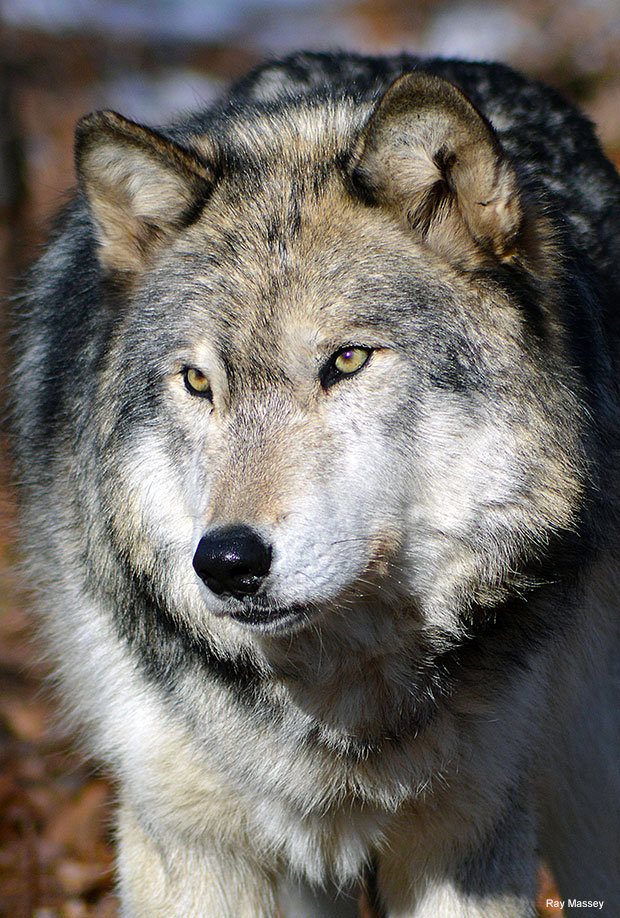
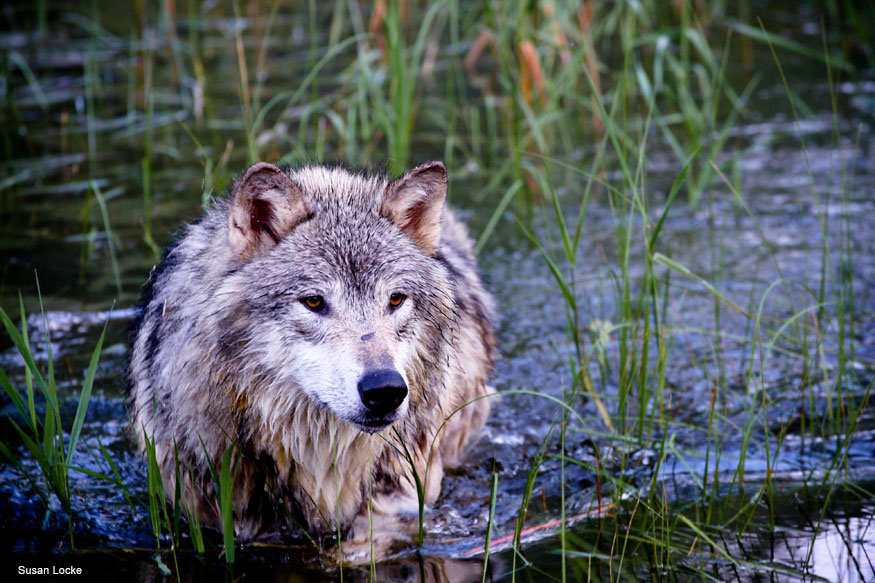
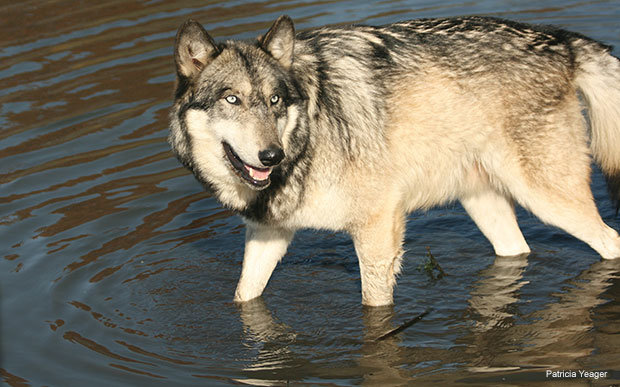
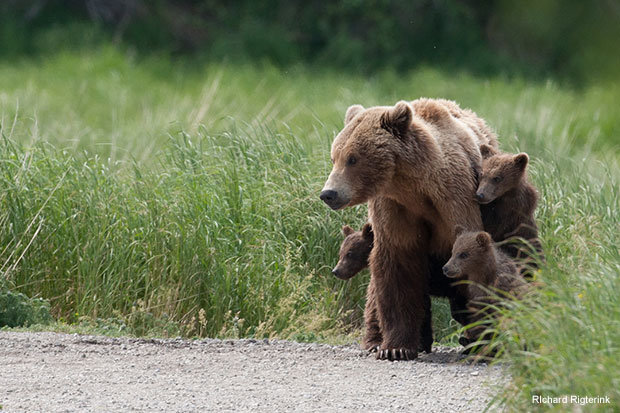
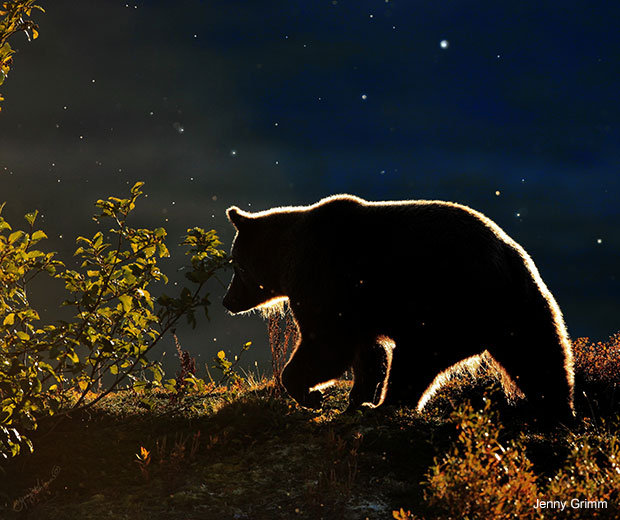
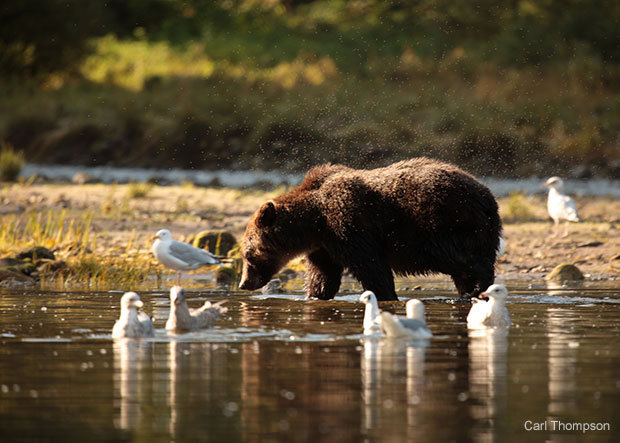
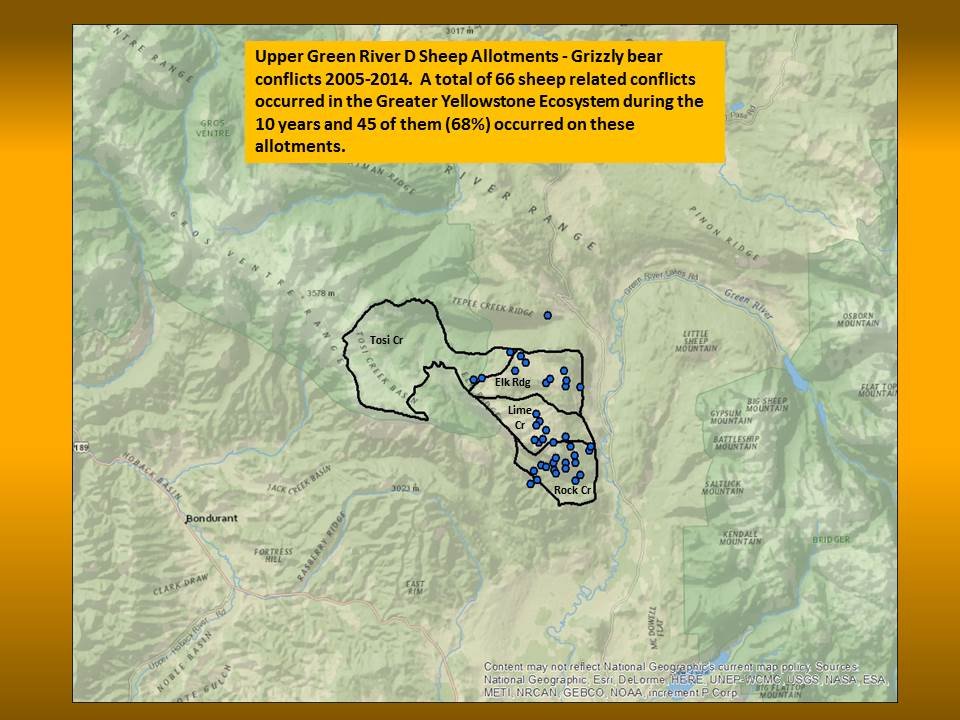
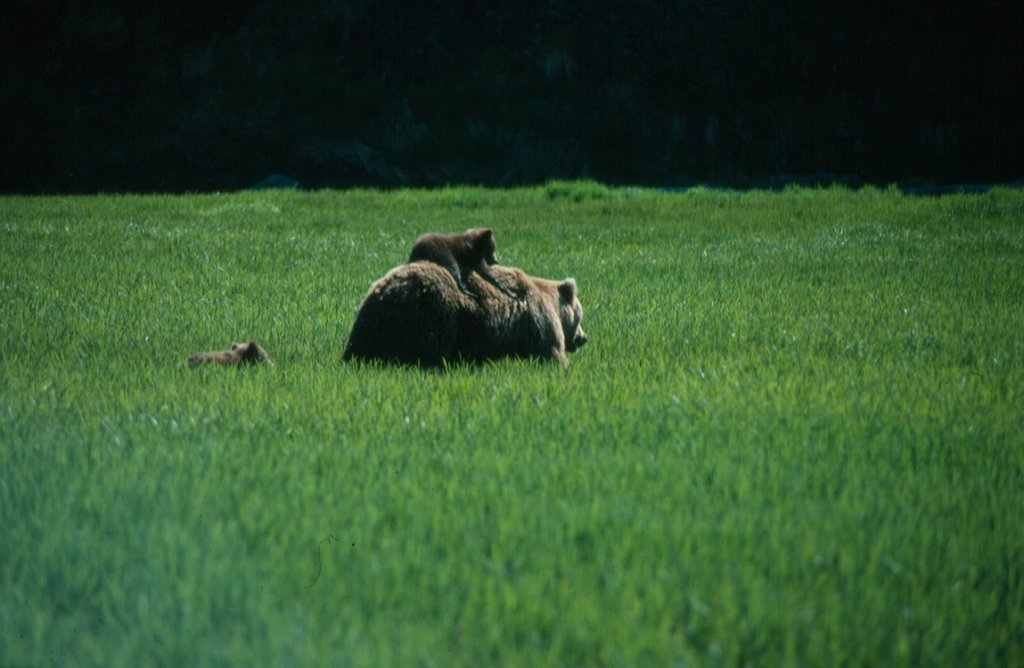
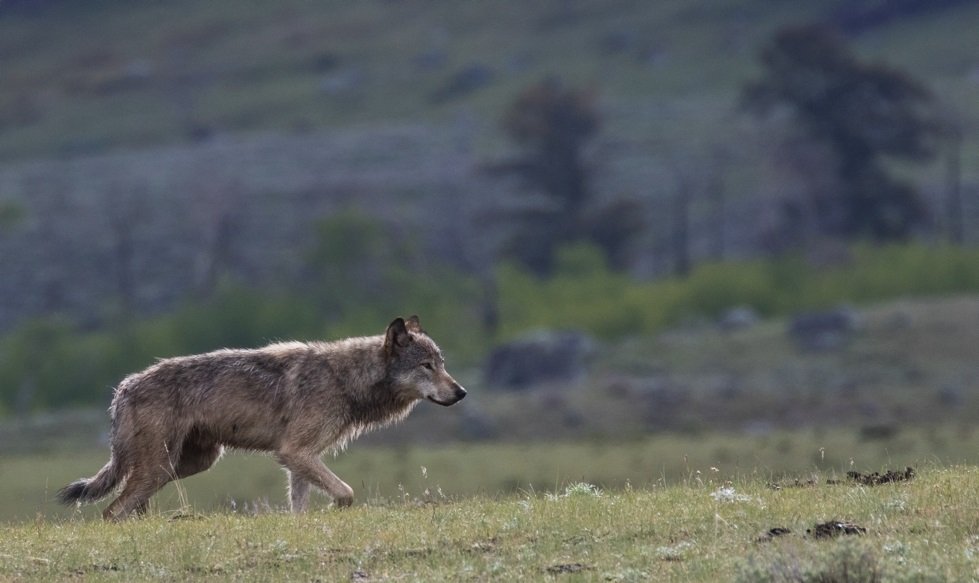
For well over a decade these (4) allotments were ground zero for grizzly bear and wolf conflicts south of Yellowstone. In fact, 68% of all grizzly bear conflicts in the Yellowstone Ecosystem over the last ten years occured on these domestic sheep grazing allotments. As a result of these conflicts, dozens of bears and wolves have been removed ,relocated and / or killed, significantly hindering their recovery. While NWF has worked with other ranchers to retire similar problem allotments over the past 15 years, this retirement is an important benchmark for species protection.
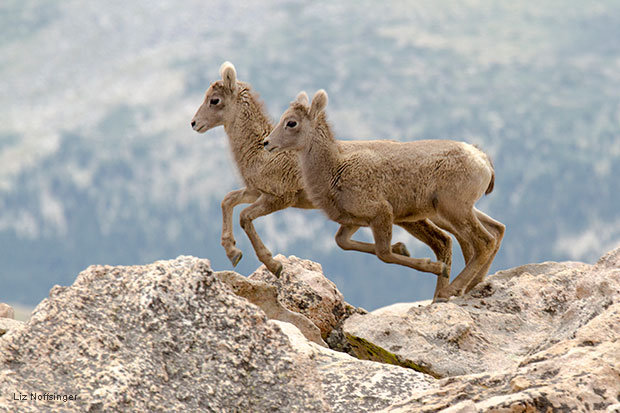
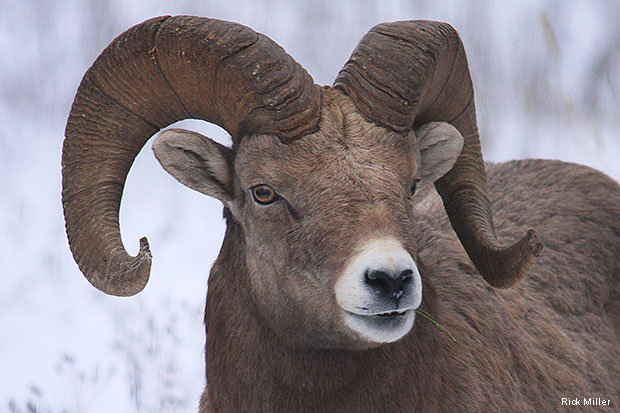
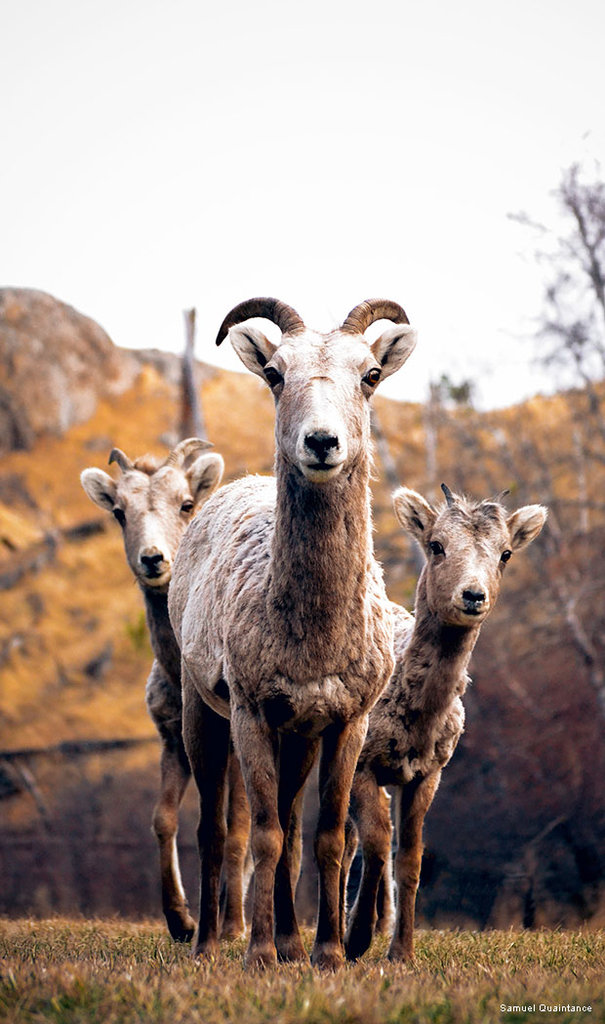
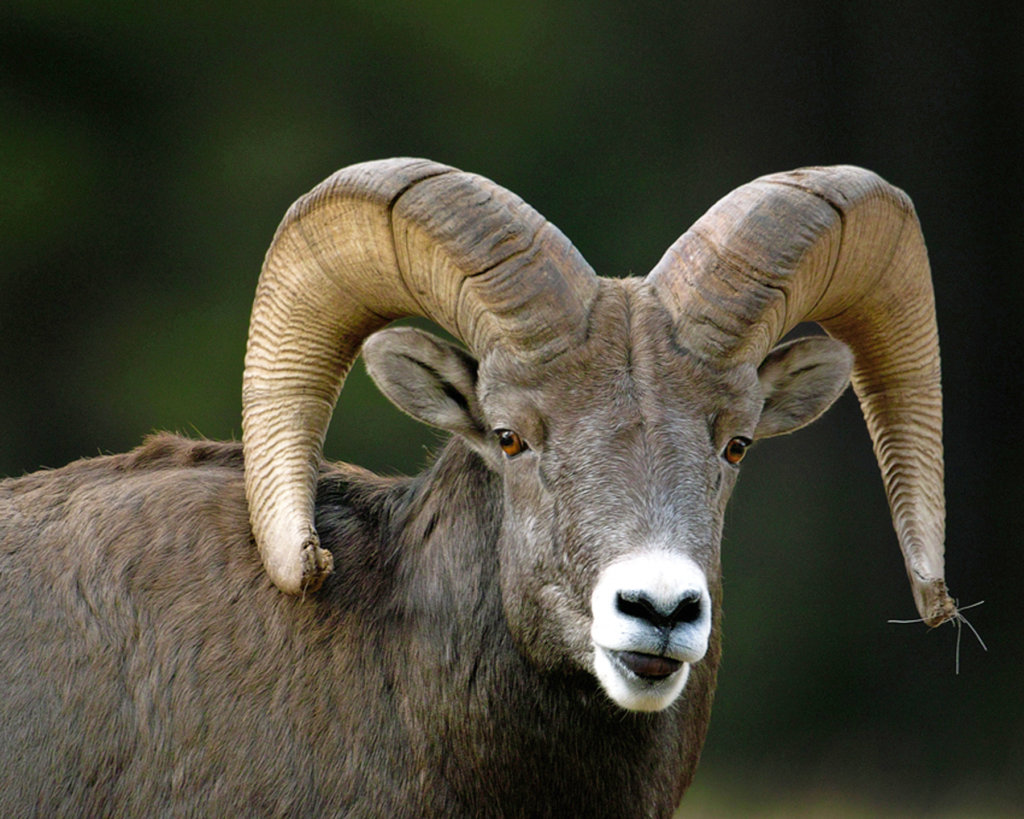
Not only does this win benefit wolves and bears, but bighorn sheep also come out big winners. The risk of contact between domestic and bighorn sheep has been significant on the allotments. This contact is especially troublesome as bighorn sheep face a high risk of becoming infected with pneumonia carried by their domestic counterparts. The disease, when transmitted to wild sheep, often results in all-age die offs and can decimate entire herds of bighorns. By eliminating this risk, bighorns will once again thrive.
The most important part of this work is all the agreements we negotiate with ranchers are completely voluntary. The agreements are designed to benefit both native wildlife and provide the rancher financial opportunity to acquire grazing elsewhere where there is minimal conflict with wildlife. This free-market approach protects the strong western tradition of ranching while at the same time shifting grazing patterns to benefit wildlife for future generations.
The support of our donors and partners has been invaluable in creating these long-term win-win solutions for wildlife!
Links:
Project reports on GlobalGiving are posted directly to globalgiving.org by Project Leaders as they are completed, generally every 3-4 months. To protect the integrity of these documents, GlobalGiving does not alter them; therefore you may find some language or formatting issues.
If you donate to this project or have donated to this project, you can receive an email when this project posts a report. You can also subscribe for reports without donating.



Support this important cause by creating a personalized fundraising page.
Start a Fundraiser