By Collin Peterson | Wildlife Project Coordinator
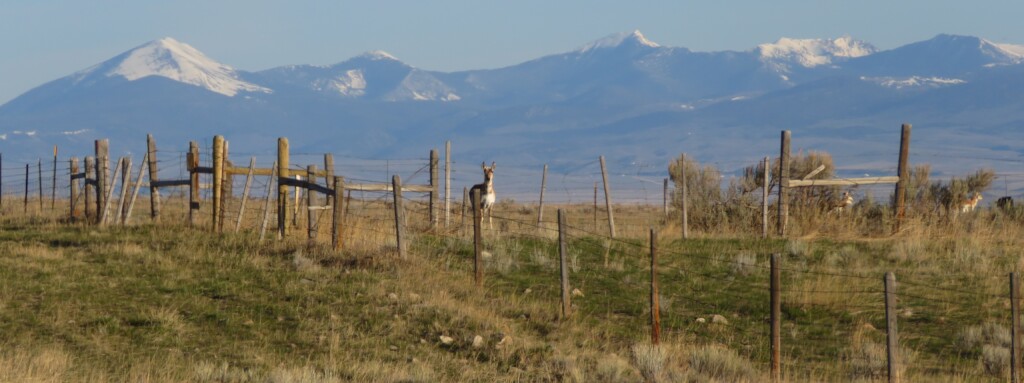
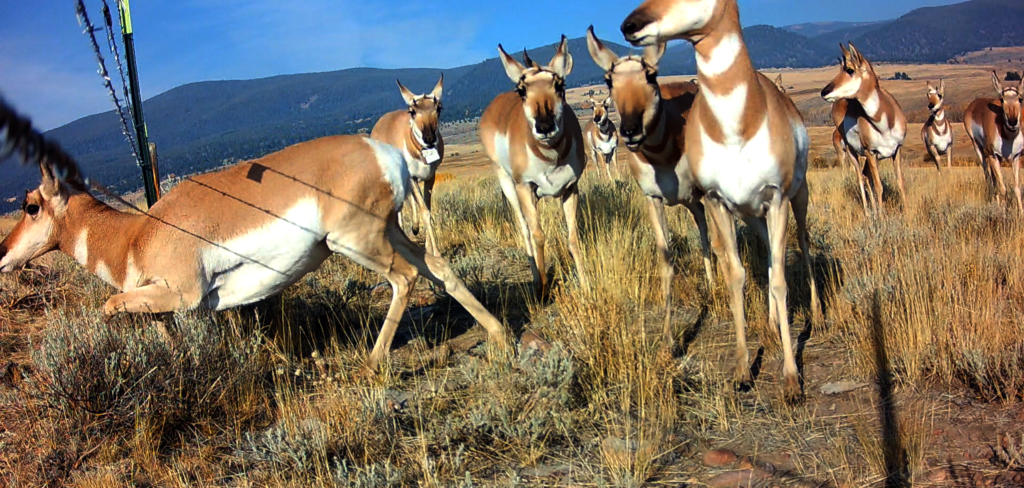
The High Divide and Greater Yellowstone Ecosystems in Montana are home to some of the most spectacular wildlife migrations left on Earth. Species like elk, mule deer, and pronghorn regularly make journeys exceeding 100 miles, connecting seasonal habitats in this dynamic landscape. Maintaining connectivity – the ability for animals to move freely across the landscape – is essential for the long-term viability of these wide-ranging mammals. If they lose the ability to move, the effects of stressors like drought, extreme snowfall, disease, and predation amplify, making every aspect of an animal’s life more difficult. But in the Western US, wildlife connectivity is threatened by barriers to movement, like fences. The scale of the problem is immense: conservatively, over 600,000 miles of fencing crisscross the West. In southwest Montana, the major focal area for NWF’s Fencing for Wildlife Program, over 20,000 miles of fence overlap pronghorn habitat in just two counties. And by some estimates, one deer, elk, or pronghorn is killed annually from fence entrapment for every 2.5 miles of fence. By blocking movement and entrapping animals, fences can have major impacts on wildlife populations.
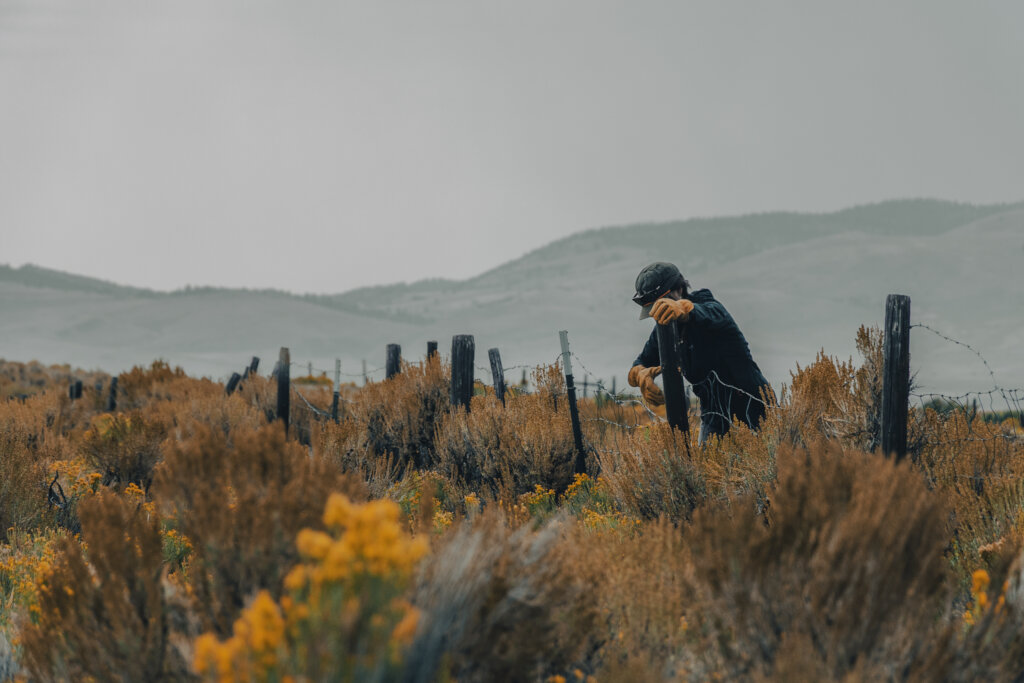
Luckily, NWF's Fencing for Wildlife program has been busy converting fences to wildlife-friendlier standards that allow animals to pass more freely. In our last update about this program in the spring of 2024, we had removed or modified 23 miles of fencing and stated a goal of 100 miles of fence modifications by 2028. We are well on track to exceed that goal, having achieved an additional 55 miles of fence replacement since then, for a total of 78 miles of fencing removed or modified to wildlife-friendlier standards since 2021! Compared to the thousands of miles of fencing out there, this may sound like a drop in the bucket. But we utilize a data-driven approach to prioritize fences that pose the biggest barriers to wildlife within critical migration routes, winter range, and habitat bottlenecks, ensuring each project maximizes benefits for wildlife. For example, research shows that woven wire fences pose the greatest barrier and are most lethal to pronghorn. Of the 27 miles of fence projects completed or in progress in 2025, 72% have been woven wire.
Critically, this work requires the support of the community within the rural settings where we work. NWF has become a trusted leader in raising awareness and connecting landowners with resources to improve wildlife habitat connectivity, having completed fencing projects with 24 family-run cattle ranches in rural southwest Montana. We have also completed projects across dozens of miles of Bureau of Land Management lands. These collaborative achievements translate into the landscape-scale impacts necessary for conserving entire ecosystems.
Project reports on GlobalGiving are posted directly to globalgiving.org by Project Leaders as they are completed, generally every 3-4 months. To protect the integrity of these documents, GlobalGiving does not alter them; therefore you may find some language or formatting issues.
If you donate to this project or have donated to this project, you can receive an email when this project posts a report. You can also subscribe for reports without donating.



Support this important cause by creating a personalized fundraising page.
Start a Fundraiser