By Kali Becher | Sr. Manager, Wildlife Conflict Resolution
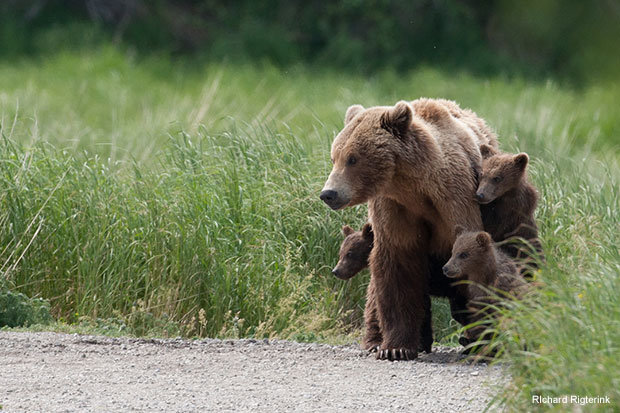
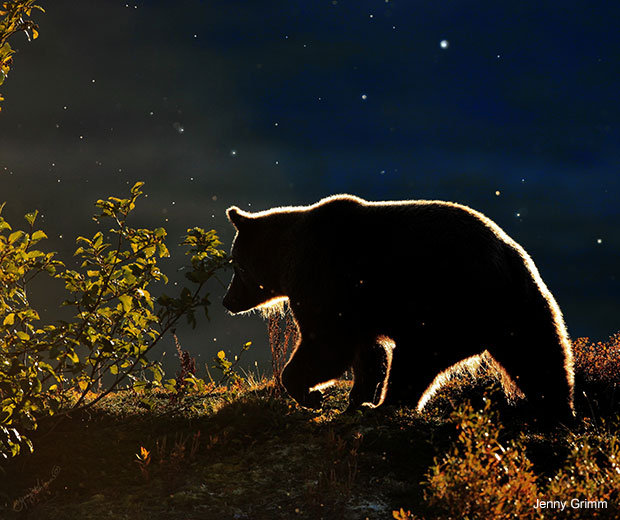
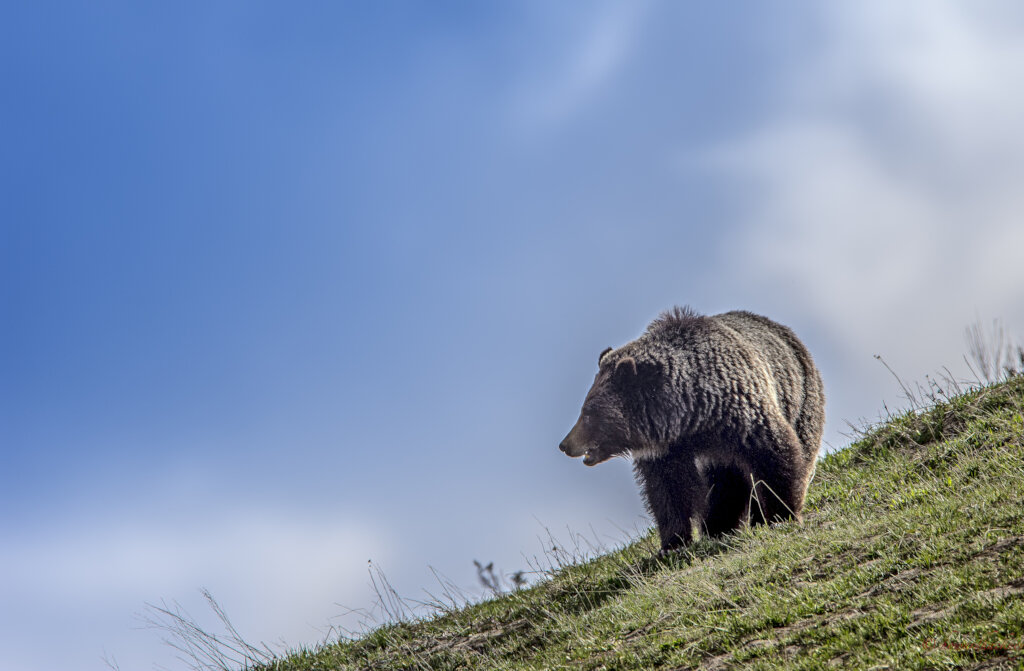
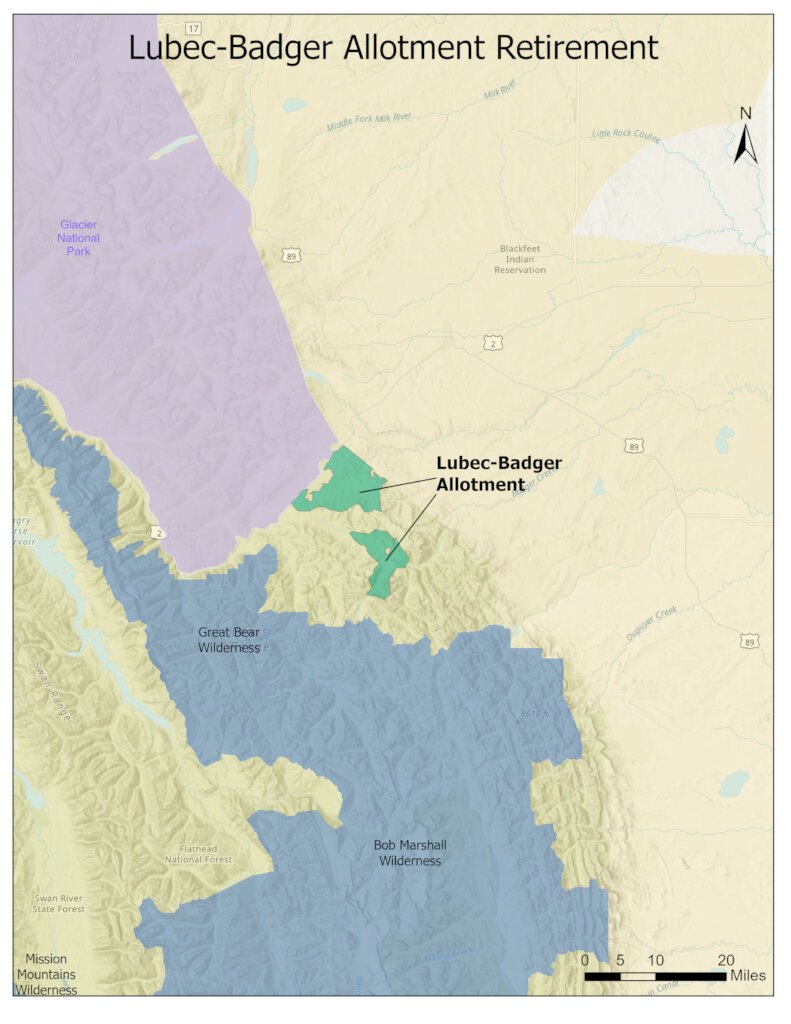
Located in the Crown of the Contientent, one of the largest still intact ecosystems in the United States, the Badger Two Medicine area sits between Glacier National Park, two contiguous wilderness areas, and the Blackfeet Reservation. The area is also a federally-designated Traditional Cultural District under the National Historic Preservation Act due to its profound cultural significance to the Blackfeet Nation. To protect the Badger-Two Medicine area (part of the Helena-Lewis and Clark National Forest along Western Montana’s Rocky Mountain Front), the National Wildlife Federation and the Glacier-Two Medicine Alliance secured an agreement to cancel the last three grazing permits in the area. This action ends cattle grazing, which has impacted resources and caused conflicts with grizzly bears and other carnivores in a key ecological corridor, while also fairly compensating the ranchers who held the grazing permits. As readers know, this market-based approach recognizes the economic value of public land livestock grazing permits and has proven to be a successful model across the west in resolving conflicts between livestock and at-risk wildlife, as shown through the retirement of over 1.7 million acres of high-conflict, public land grazing allotments over the past 20 years.
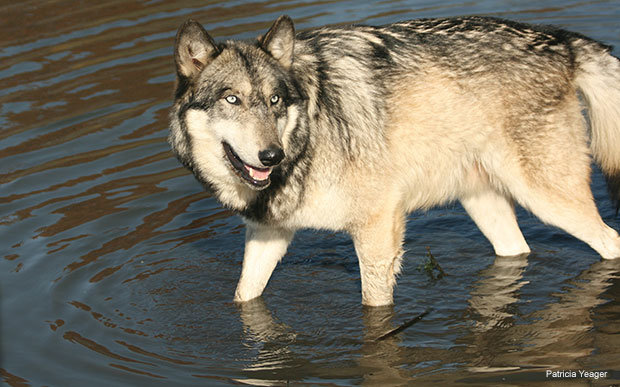
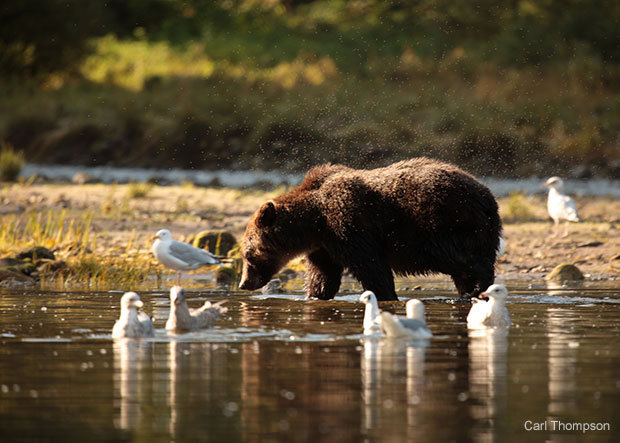
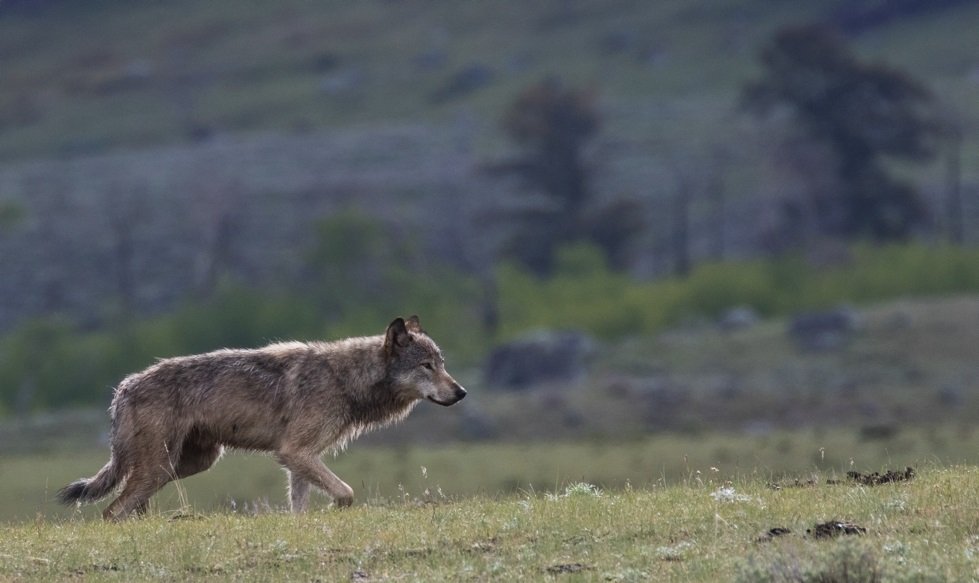
The Lubec-Badger allotment, covering over 28,000 acres and permitted for about 340 cow-calf pairs, was the sole active grazing allotment in the Badger-Two Medicine area. Retiring this allotment eliminates grizzly bear/cattle conflict in core grizzly habitat and benefits a variety of species, including wolves, elk, lynx, moose, mule deer, wolverines, as well as enhancing wildlife connectivity. The benefits also extend to aquatic species as two streams, for which the Badger-Two Medicine area is named, flow through the allotment as they pass from the Continental Divide to the plains. These streams contain important habitat to westlope cutthroat trout, a native species that is considered at risk and a prioirty to protect and restore. Removing grazing will improve riparian habitat and water quality, benefitting native fish as well as terrestrial species while also improving both tribal and public hunting and fishing opportunities.
In an area that has largely remained intact and where the list of plant and animal species inhabiting the area has remained unchanged since the time of Lewis and Clark, this project helps to return and restore thousands of acres to its more wild roots. While the benefits are numerous and extend to many species across a vast landscape, the cost is economical as $100 protects roughly 15 acres of important habitat.
Project reports on GlobalGiving are posted directly to globalgiving.org by Project Leaders as they are completed, generally every 3-4 months. To protect the integrity of these documents, GlobalGiving does not alter them; therefore you may find some language or formatting issues.
If you donate to this project or have donated to this project, you can receive an email when this project posts a report. You can also subscribe for reports without donating.



Support this important cause by creating a personalized fundraising page.
Start a Fundraiser