By Bob McCready | Director, Western Wildlife Conservation
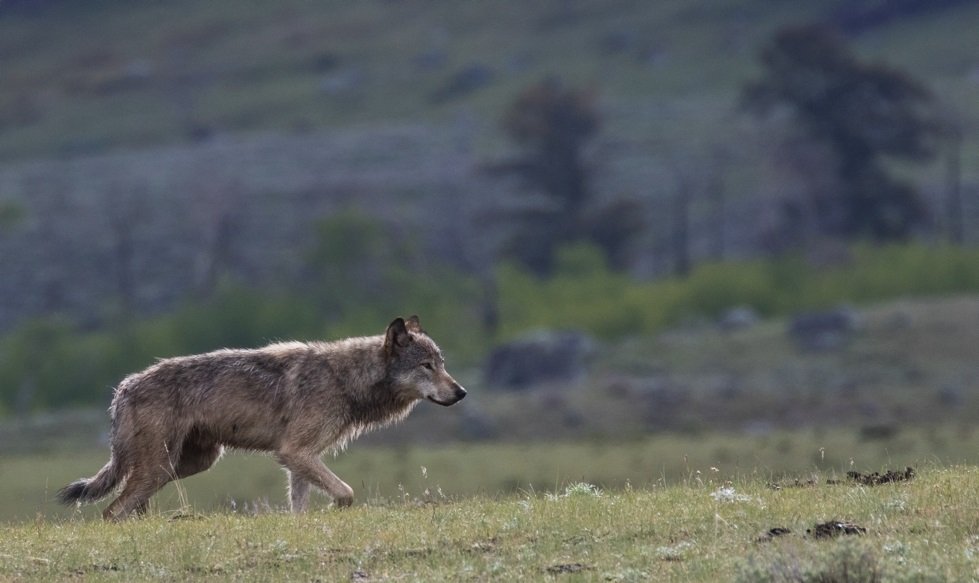
Where conflicts between livestock and wildlife are prolonged and intractable, the National Wildlife Federation believes that public land grazing retirements can provide an equitable solution for ranchers and wildlife interests. In coordination with federal land managers, we negotiate with livestock ranchers to retire public land livestock grazing allotments that experience chronic conflict with wildlife, especially grizzly bears, wolves, bison, bighorn sheep and now Gunnison’s Sage Grouse (GUSG), elk and mule deer. This market-based approach recognizes the economic value of public land livestock grazing permits and fairly compensates ranchers for their public land grazing leases. This approach has proven a successful model across the west in resolving conflicts between livestock and at-risk wildlife.
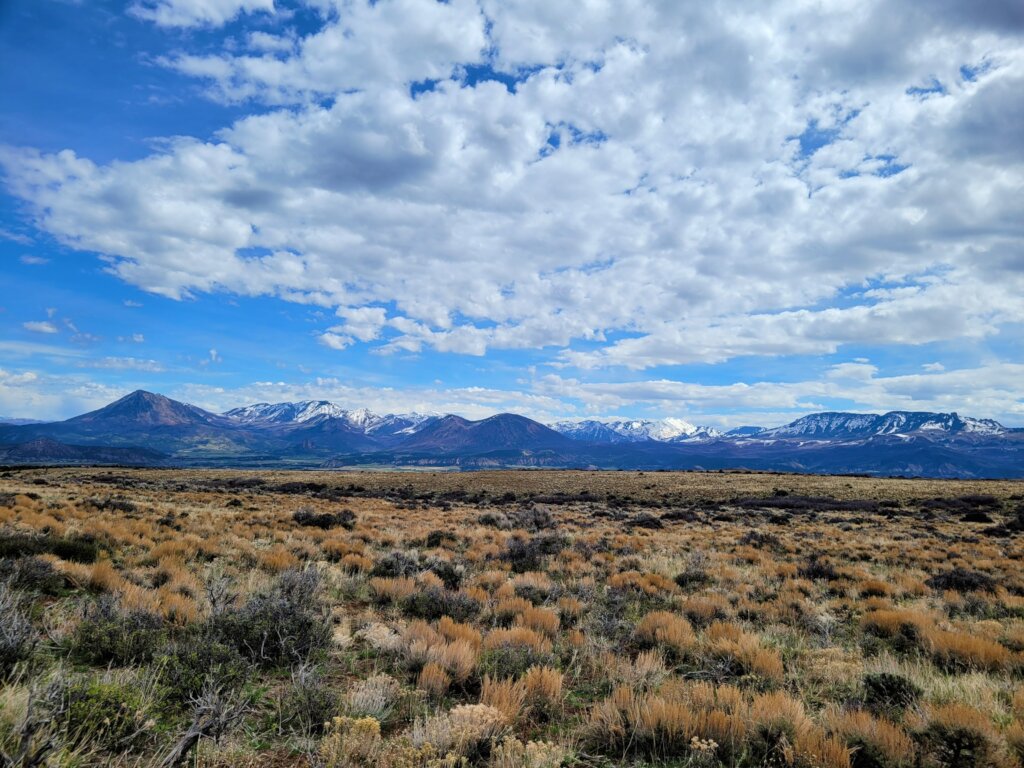
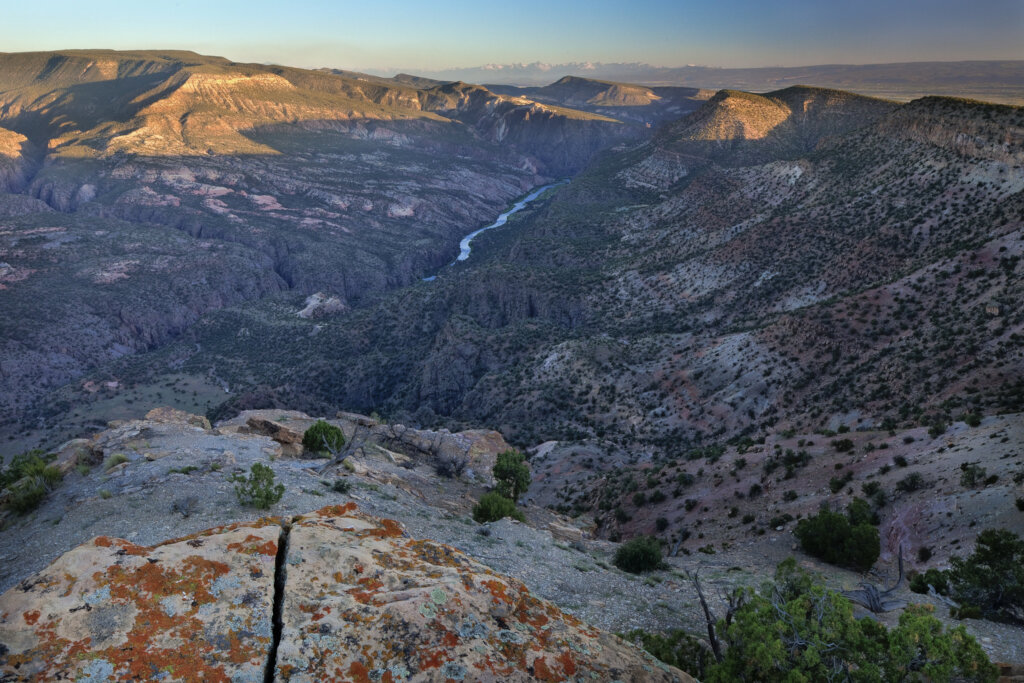
As our readers know so well, we continue to negotiate with ranchers across the west to retire their public land grazing allotment permits where there are acute conflicts with wildlife and we are pleased to announce that we have completed the retirement of a domestic sheep grazing permit the 22,000 acre Green Mountain domestic sheep grazing allotment (see map below), located on the eastern rim of the Gunnison Gorge on the western slope of Colorado. The allotment is administered by the Bureau of Land Management who have provided a document ensuring that the permit will be permanently retired. Although most of our work of late has been focusing on reducing the impact of domestic sheep and bighorn sheep, this retirement also benefits the critically endangered Gunnison's Sage Grouse, a once abundant species across the western slope of Colorado and eastern Utah.
The Green Mountain allotment is in a gorgeous and biologically important landscape that abuts on its south boundary, the Black Canyon of the Gunnison National Park and directly overlaps with critical occupied habitat for Gunnison's Sage Grouse, which was listed as threatened under the Endangered Species Act in 2014. The historic range of this bird has been reduced to several small areas in southwestern Colorado and western Utah and the population is currently estimated to be only 3,500 birds. The population has continued to decline with major threats as identified by the US Fish and Wildlife Service including residential development, climate-change fueled drought frequency and intensity, and grazing. Domestic sheep grazing is identified by the USFWS as being one of the most significant threats to this bird because of the impact on sage brush habitat and other forb species that are critical during various GUSG life-cycle phases. On the Green Mountain allotment, these impacts are exacerbated by the presence of as many as 1200 elk in the winter, who also have an impact on the vegetation needs of GUSG.
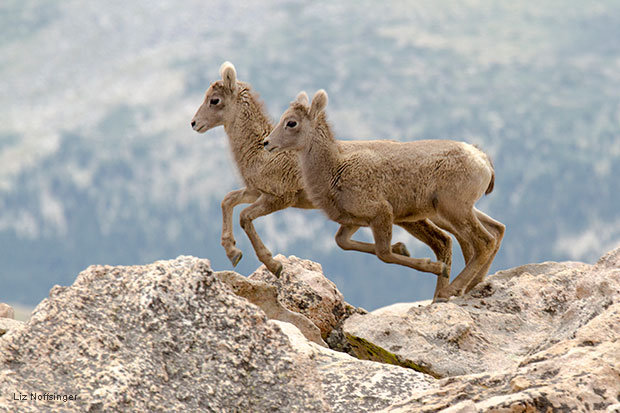
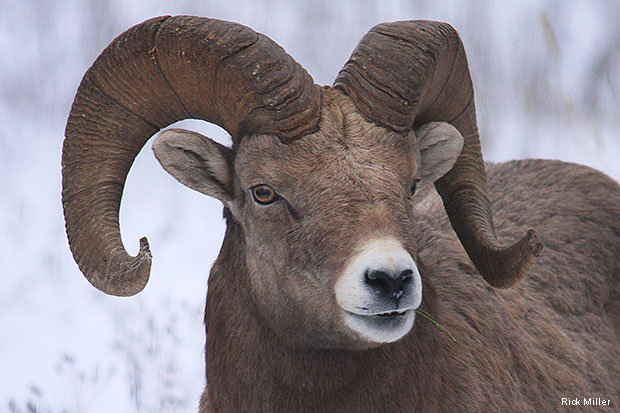
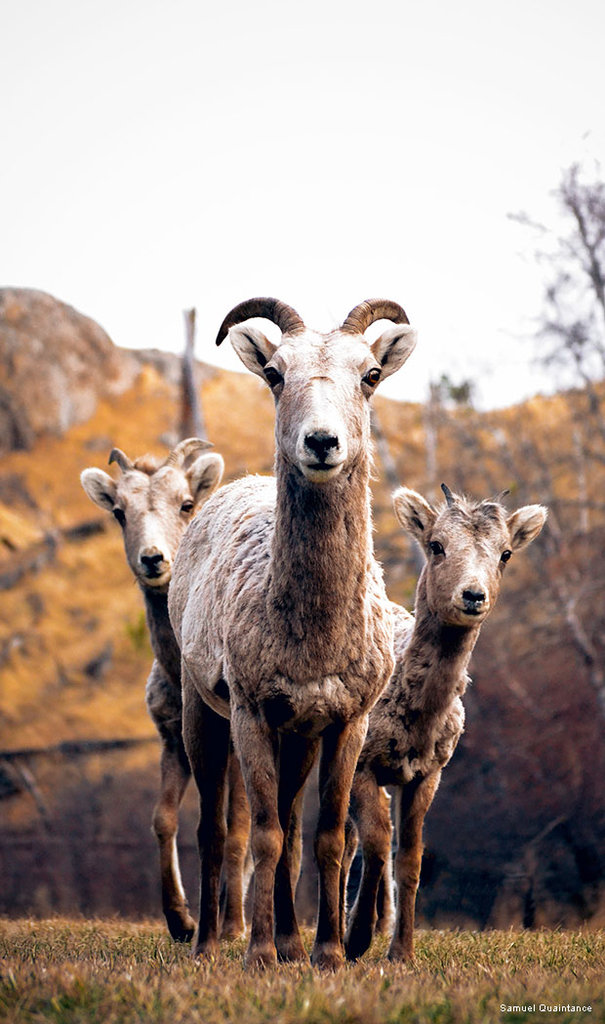
We pursued the retirement of this grazing allotment in part to benefit Gunnison's Sage Grouse, but also to benefit the bighorn sheep herd that occupy the Gunnison Gorge. Domestic sheep carry a pathogen that in sheep, is rarely symptomatic. It is however, very easily transmitted to bighorn sheep and leads to all-age die-offs of up to 90% of the wild sheep. Once disease gets into a bighorn herd, is usually leads to the death of up to 90% of the lambs born each year for up to a decade or more. This is only one of six additional high-risk domestic sheep allotments on either side of the Gorge, but we have had preliminary conversations with these permit holders and are confident that we can reach similar agreement with them over the next several years.
The completion of this grazing allotment will significantly reduce threats to GUSG and aid in the recovery of the species. In addition, we are exploring similar grazing allotment retirements in other designated critical GUSG habitat across the birds remaining range. This project sets the stage for future such deals and BLM has expressed interest in supporting any permit waiver transactions that we reach.
Project reports on GlobalGiving are posted directly to globalgiving.org by Project Leaders as they are completed, generally every 3-4 months. To protect the integrity of these documents, GlobalGiving does not alter them; therefore you may find some language or formatting issues.
If you donate to this project or have donated to this project, you can receive an email when this project posts a report. You can also subscribe for reports without donating.



Support this important cause by creating a personalized fundraising page.
Start a Fundraiser