By Bob McCready | Wildlife Conflict Resolution Program Manager
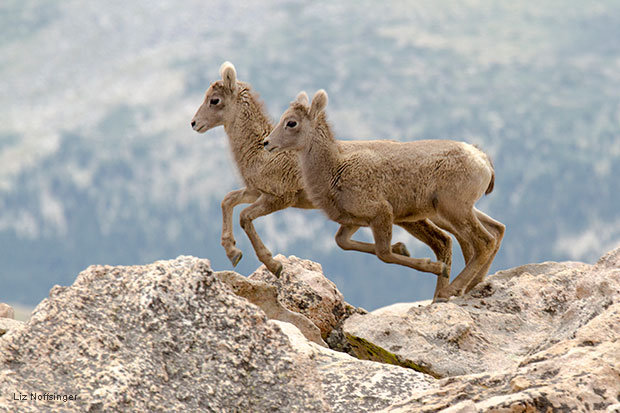
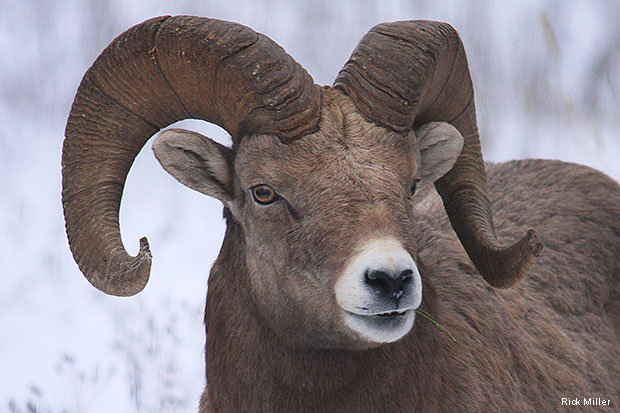
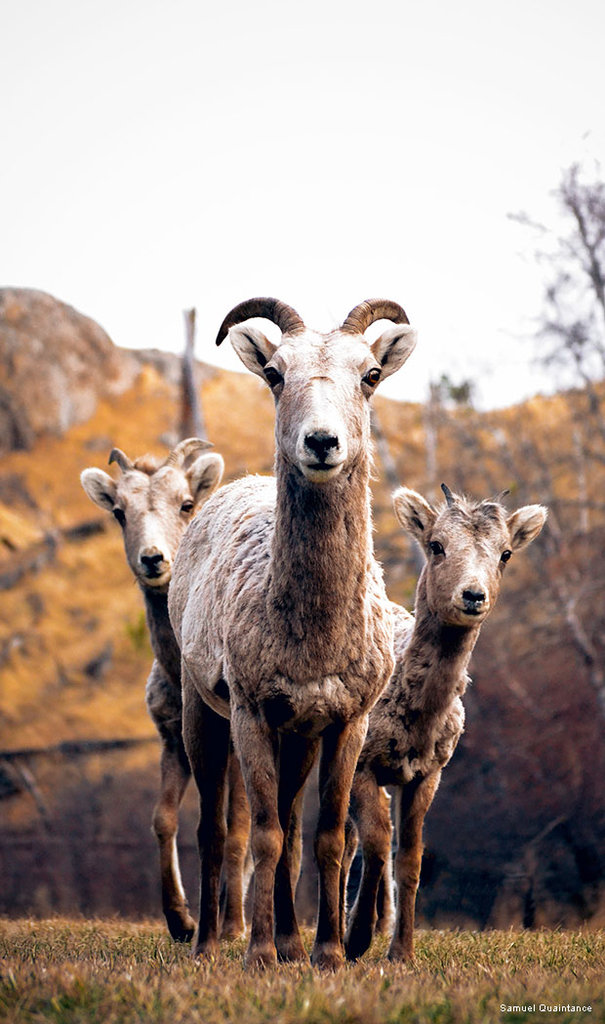
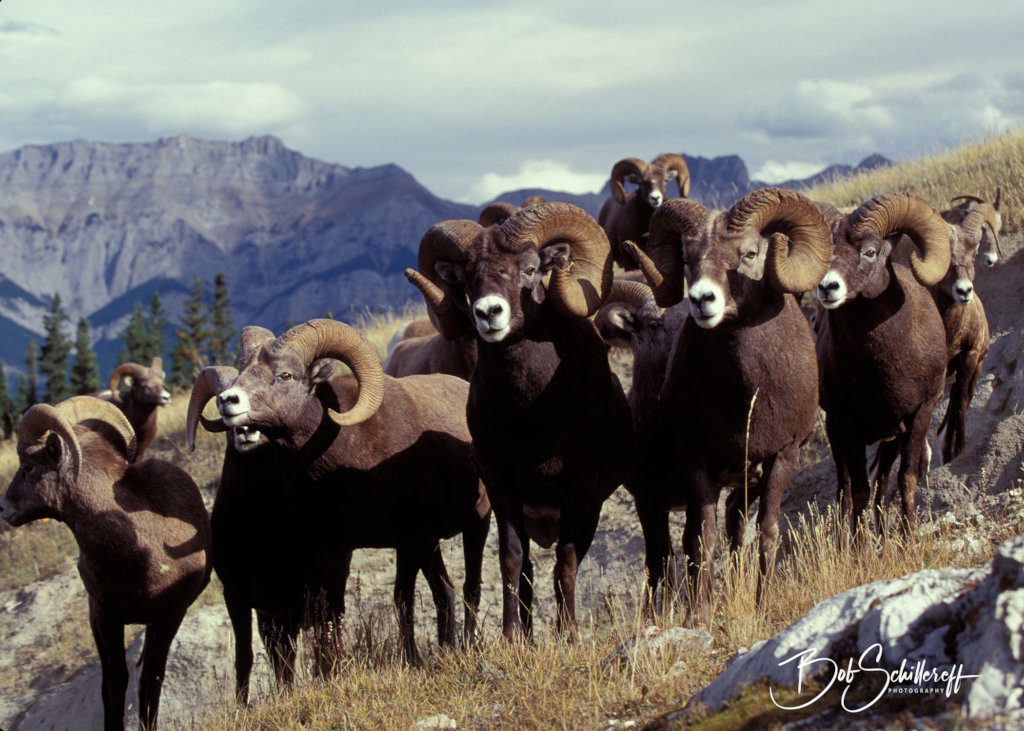
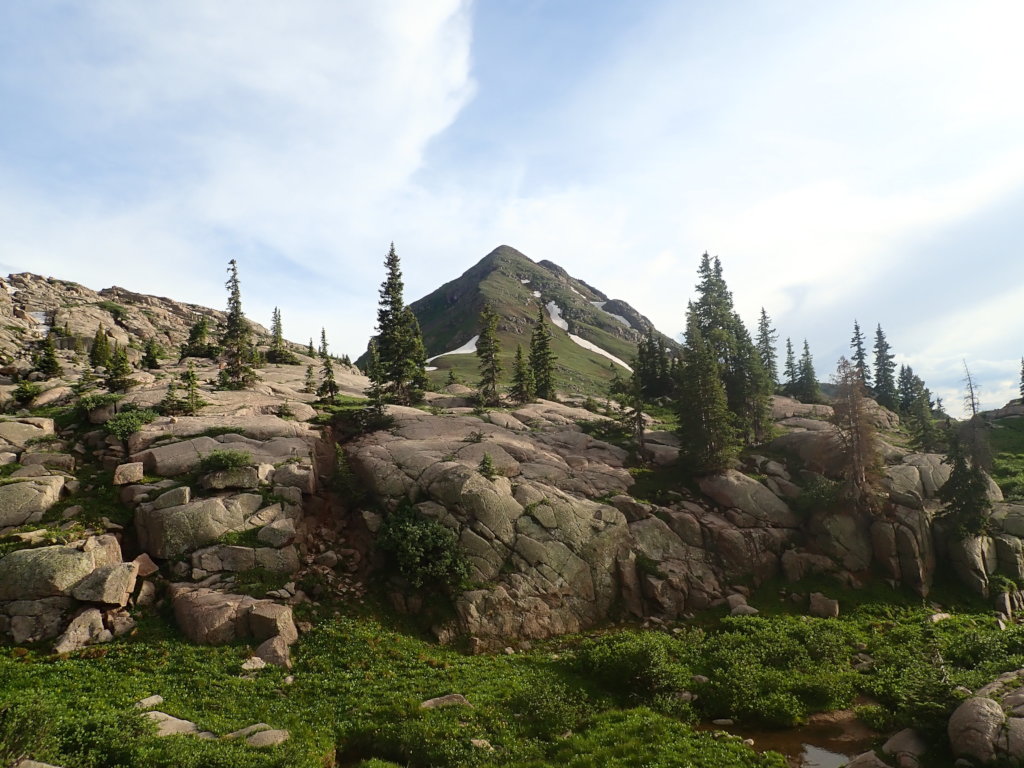
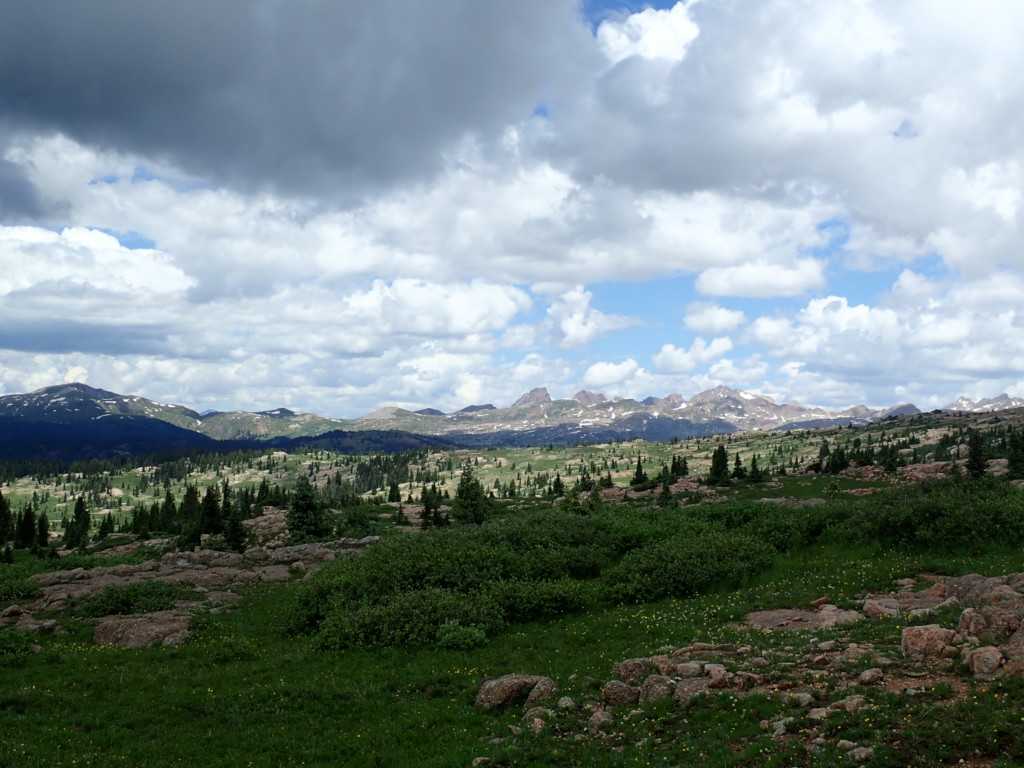
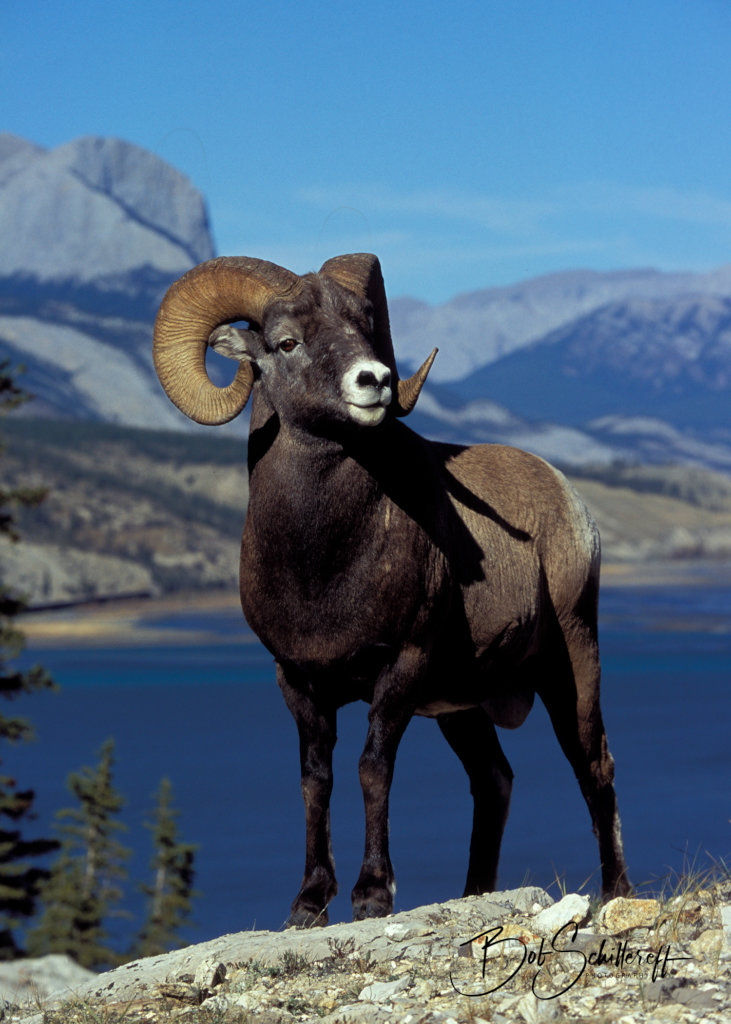
High in the Weminuche Wilderness, in the San Juan Range of the Southern Rockies you’ll find some of the highest and most rugged mountains in North America. The Weminuche is the largest designated Wilderness Area in Colorado and home to one of its highest priority herds of bighorn sheep. Known as the Vallecito herd, it is recognizable by it’s darkly colored fur, a trait unique to this population as seen in the photos below.
Historically numbering around 2 million in North America, today there are only an estimated 60,000 wild sheep remaining, only 3% of their original population. It was even worse in the 1950s when the continental population had dwindled to about 1% of historic numbers. Starting in the ‘50s, state wildlife agencies began transplanting bighorn sheep into previously occupied habitat in an effort to repopulate areas where wild sheep had been extirpated. The Vallecito herd however, is a remnant (i.e., indigenous herd) that was never extirpated and as a result is one of the three highest priority bighorn herds in Colorado.
As we have outlined previously, domestic sheep carry a number of pathogens that if transmitted to bighorn sheep, can cause the die-off of most or even all of that Bighorn herd. As humans are currently experiencing the first global pandemic in a century, the parallels between COVID-19 and the decimation of bighorn sheep over the last 150 years are difficult to ignore. As humans, we are extremely fortunate that the fatality rate, though horrible, is so much lower that the 30%-90% mortality that bighorn herds experience following the transmission of the pneumonia pathogen from domestic sheep. As with COVID-19 and social distancing and stay-at-home orders, the only effective strategy to prevent all-age die-offs is to create separation between domestic and wild sheep.
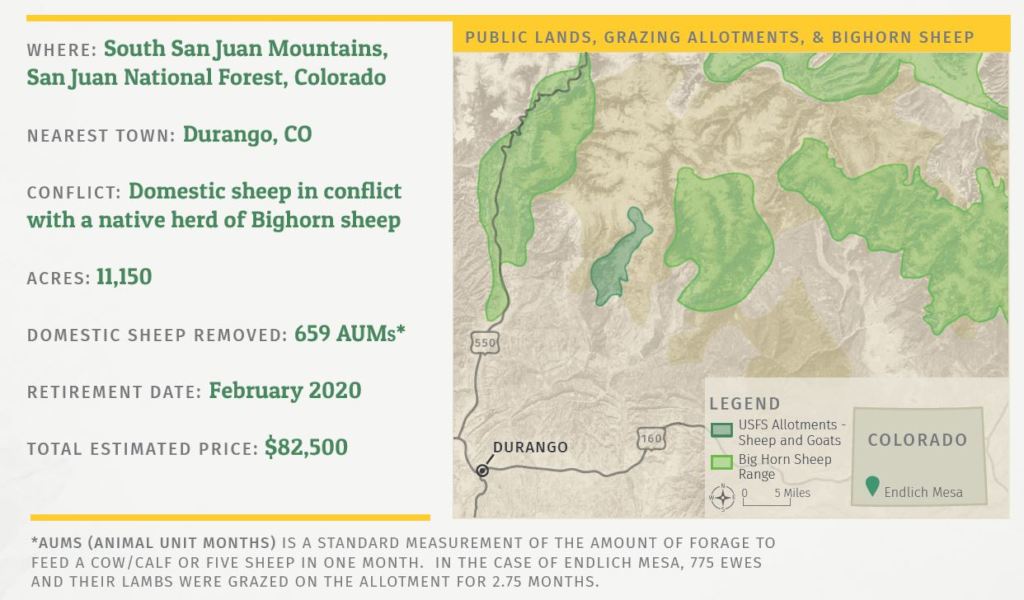
The good news is that we have just completed the retirement of the 11,150 acre Endlich Mesa domestic sheep grazing allotment that will help keep separation between domestic and wild sheep, preventing the transmission of the pathogens to the Vallecito herd of bighorn sheep. After a year of negotiations, in April, NWF signed an agreement with the multi-generational ranching family and will provide fair-market compensation to permanently retire the allotment. The permanent removal of domestic sheep will go a long way in helping the Vallecito herd return to its historic numbers. As for the rancher, he’s still in the business, adapting to the needs of wildlife. He recently remarked, “My family has grazed this allotment for decades and waiving the allotment back to the Forest Service for the benefit of bighorn sheep, which we love, was a very difficult decision. Thankfully though, the National Wildlife Federation provided us with a way to do this.”
We are grateful for the many years of generous support received through GlobalGiving, which has helped us fund these allotment retirements. This is a very cost-efficient conservation strategy and for this allotment, a $100 dollar contribution will retire 15 acres. We understand these are uncertain times, but as always, we appreciate all of the support GlobalGiving Community provides.
Project reports on GlobalGiving are posted directly to globalgiving.org by Project Leaders as they are completed, generally every 3-4 months. To protect the integrity of these documents, GlobalGiving does not alter them; therefore you may find some language or formatting issues.
If you donate to this project or have donated to this project, you can receive an email when this project posts a report. You can also subscribe for reports without donating.



Support this important cause by creating a personalized fundraising page.
Start a Fundraiser