Project Report
| May 10, 2013
Adopt a Wildlife Acre Project Report May 2013
By Hank Fisher | Senior Project Manager
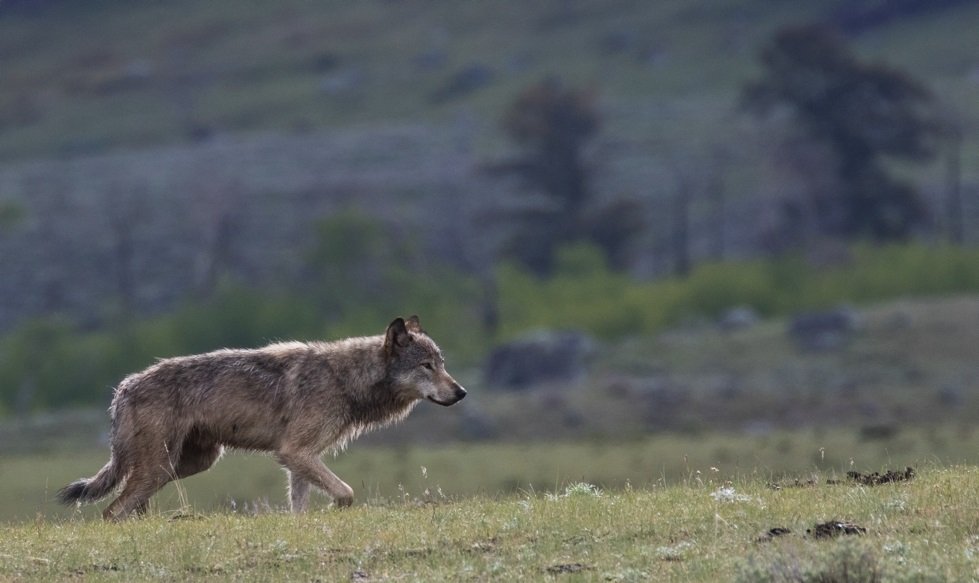
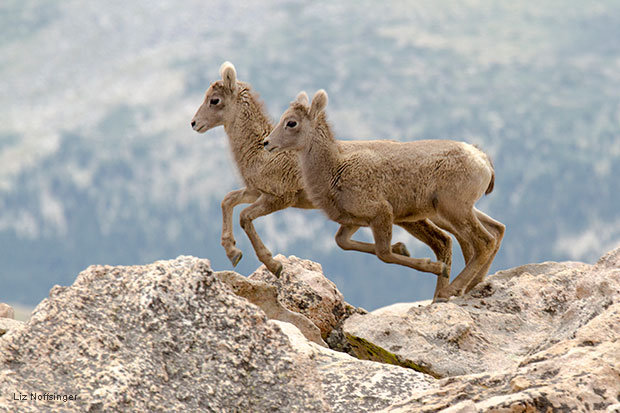
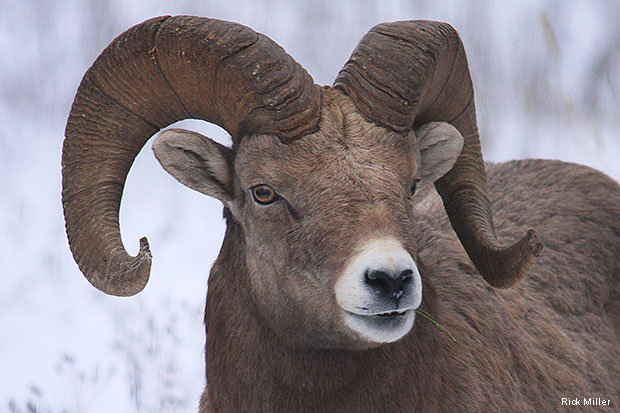
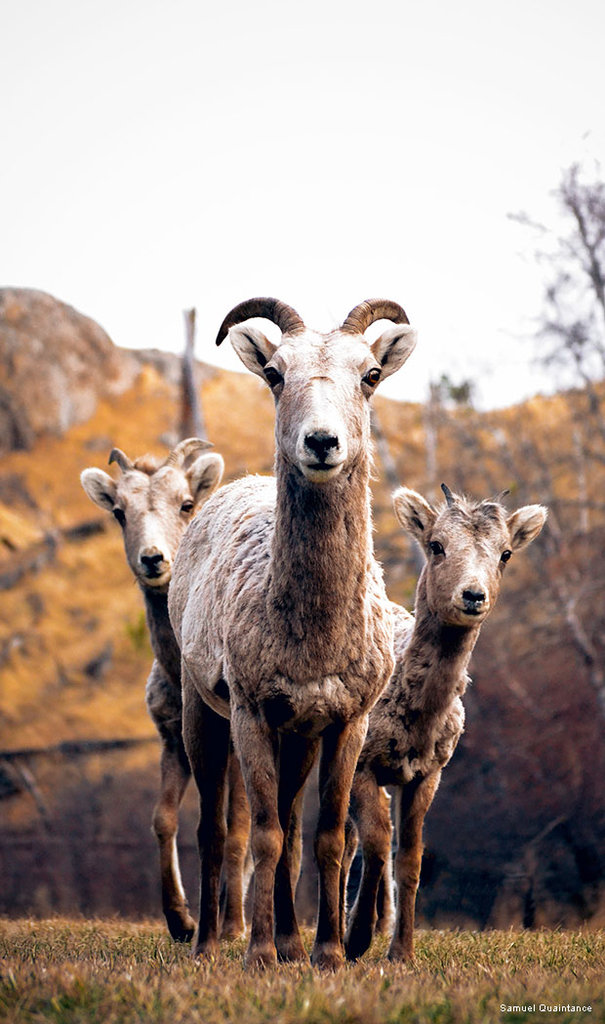
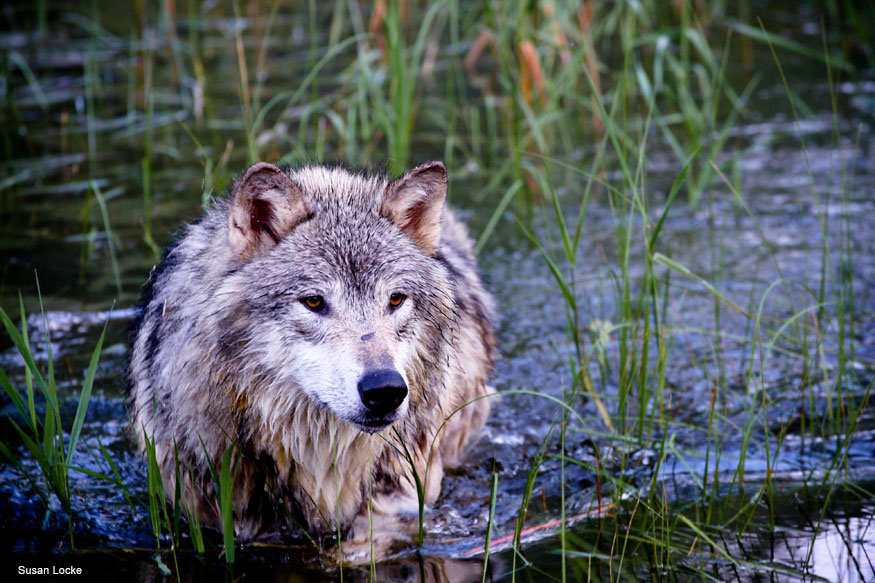
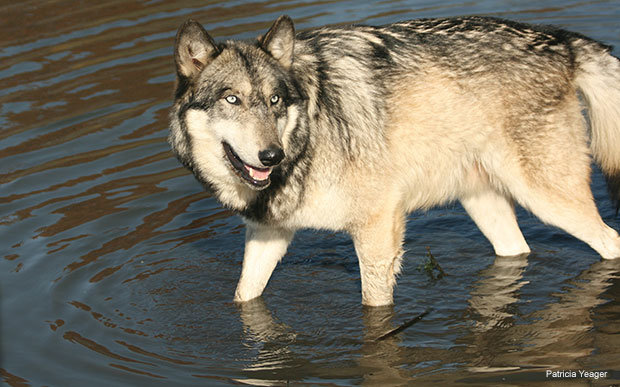
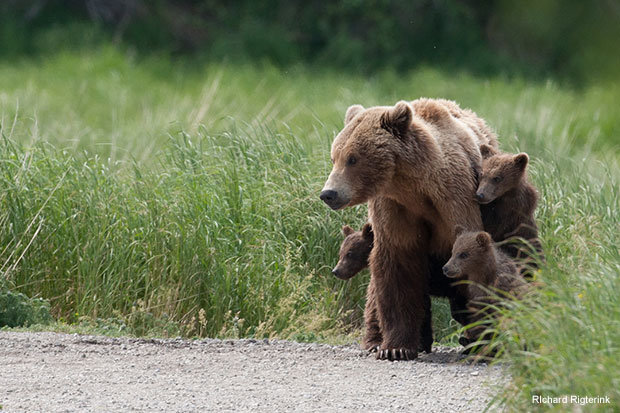
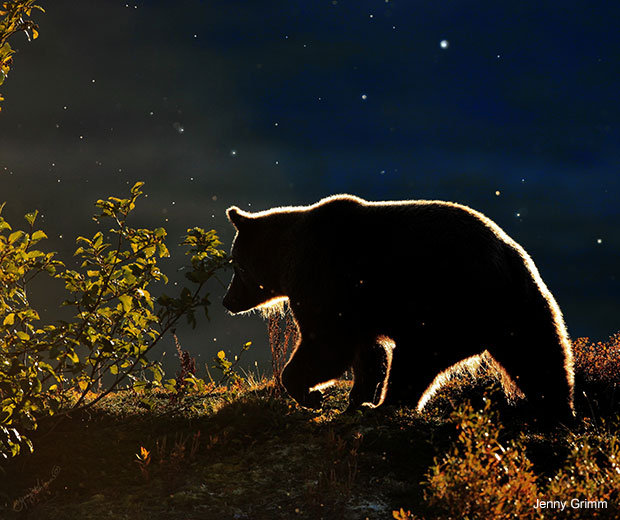
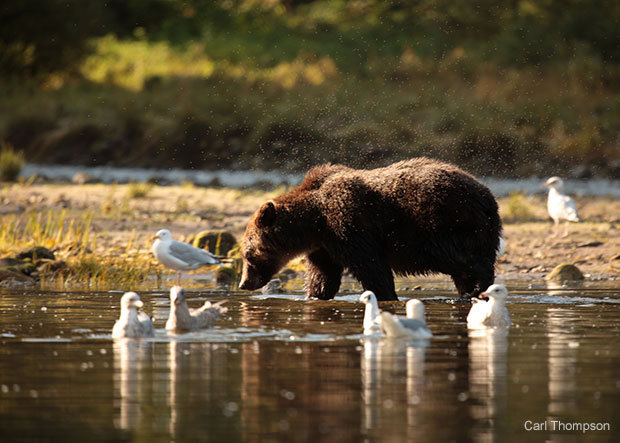
While our Adopt-an-Acre program has often centered on conflicts with grizzly bears and wolves, bighorn sheep are another important wildlife species that frequently have been a focal point of our efforts. When domestic sheep come into contact with bighorn sheep, there's strong potential for disease transmission. Bighorns do not seem to have resistance to many of the pathogens that are carried by domestics. Consequently, bighorn sheep herds that range near areas that have domestic sheep frequently have large die-offs. Over the last decade these episodes of mass mortality have occurred in numerous locations. The conflicts between bighorn sheep and domestic sheep became so severe on the Payette National Forest in Idaho that environmental groups filed lawsuits to remove the domestic sheep. The National Wildlife Federation believes our approach of negotiating agreements is a superior approach if livestock producers are willing to meet us halfway. To date, we have retired over 600,000 acres surrounding Yellowstone National Park.
![Share on Twitter]()
![Share on Facebook]()
Feb 5, 2013
Adopt a Wildlife Acre Project Report February 2013
By Trina Clausen | Conservation Associate
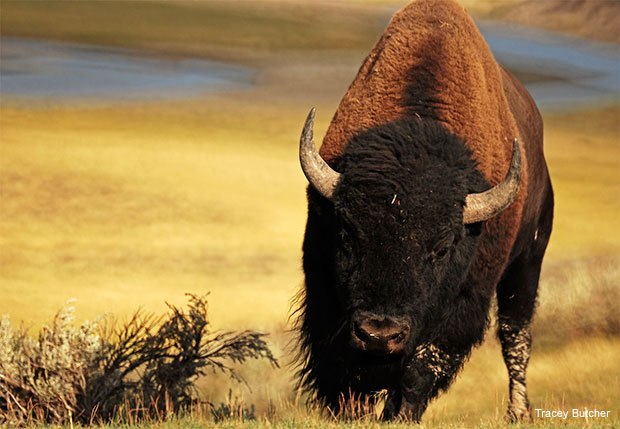
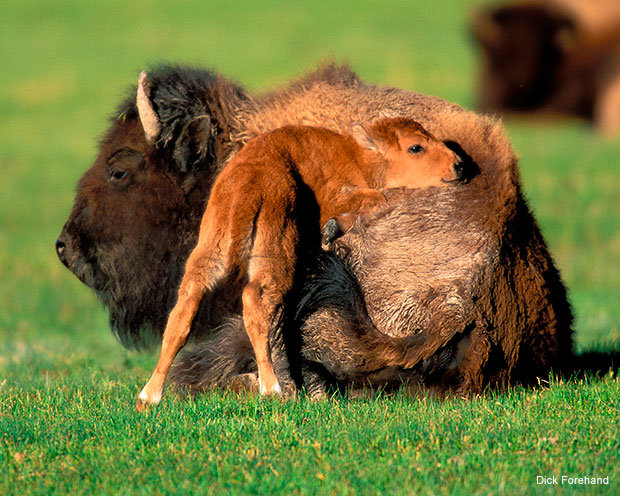
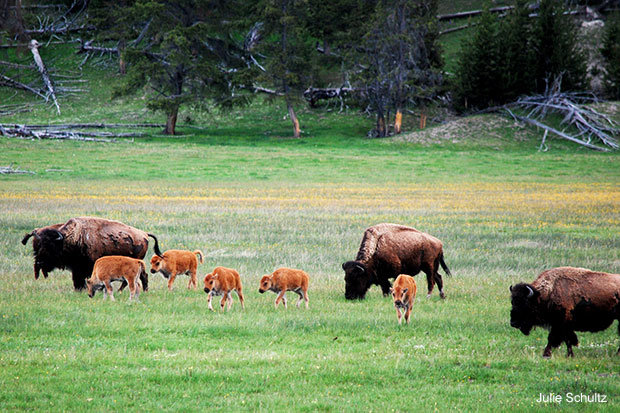
Winter is the time bison start migrating out of the snowy, high-elevation habitat that makes up most of Yellowstone National Park. In past years, these huge beasts have been met at park borders by government agents who either kill them, place them in pens or attempt to herd them back into the park with helicopters and snowmobiles. They do this because ranchers fear bison will compete with livestock for forage and bring diseases which cows might contract.
But thanks to the National Wildlife Federation’s Wildlife Conflict Resolution project – and thanks to those of you who support this work—bison are now finding secure winter habitat when they leave the Yellowstone. NWF has been instrumental in creating safe havens for bison outside the park. We achieve this by offering ranchers payment in exchange for retiring their livestock grazing privileges.
But just this week another threat to Yellowstone’s bison emerged, this time from Montana’s state legislature, where a bill has been introduced that would allow bison to be shot on sight when they leave the park. It only demonstrates that the same mentality that resulted in the slaughter of American’s bison over 150 years ago is still alive and well in some quarters.
![Share on Twitter]()
![Share on Facebook]()
Nov 7, 2012
Adopt a Wildlife Acre Project Report
By Kim Mathison | Project Leader
November 2012
The National Wildlife Federation continues to actively seek out opportunities for resolving conflicts between livestock and wildlife both in the area around Yellowstone National Park and within the Charles M. Russell National Wildlife Refuge (CMR) in northeastern Montana.
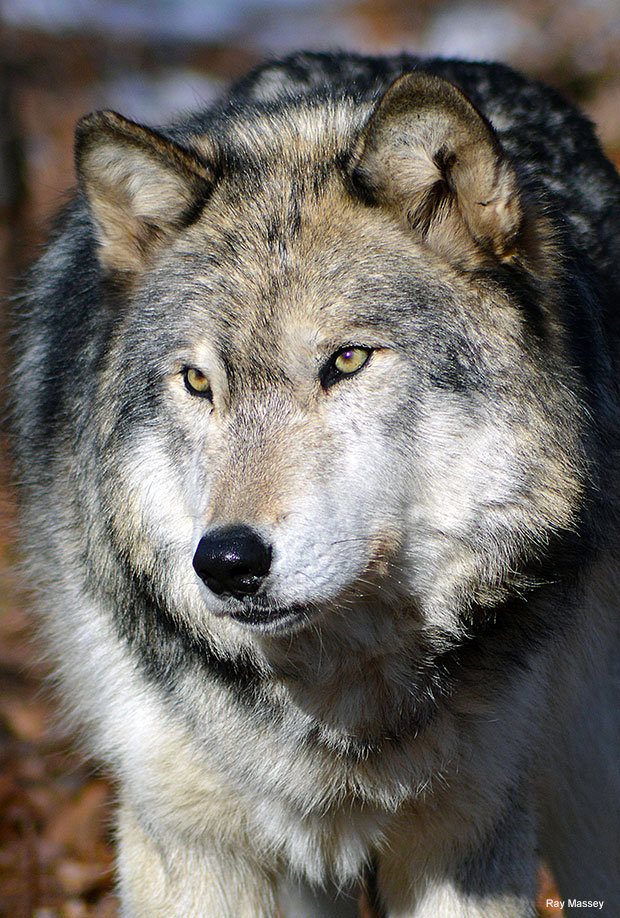
We have negotiated grazing retirements on more than 600,000 acres around Yellowstone Park, and have developed agreements with ranchers on more than 55,000 acres within the CMR. In the Yellowstone Park area, these retirements have been pivotal in resolving conflicts between large predators and cattle. Previously these problems were addressed by killing or relocating wolves and grizzly bears. Our Yellowstone retirements also provide bison with crucial winter range outside of the park, eliminating the perceived need for government agents to kill bison when they go beyond park boundaries.
Our CMR grazing retirements are setting the stage for bison restoration to this 1.1 million-acre refuge, which contains some of the best remaining prairie habitat in the United States. In the meanwhile, they benefit other prairie species such as sage grouse, pronghorn antelope and mule deer.
![Share on Twitter]()
![Share on Facebook]()