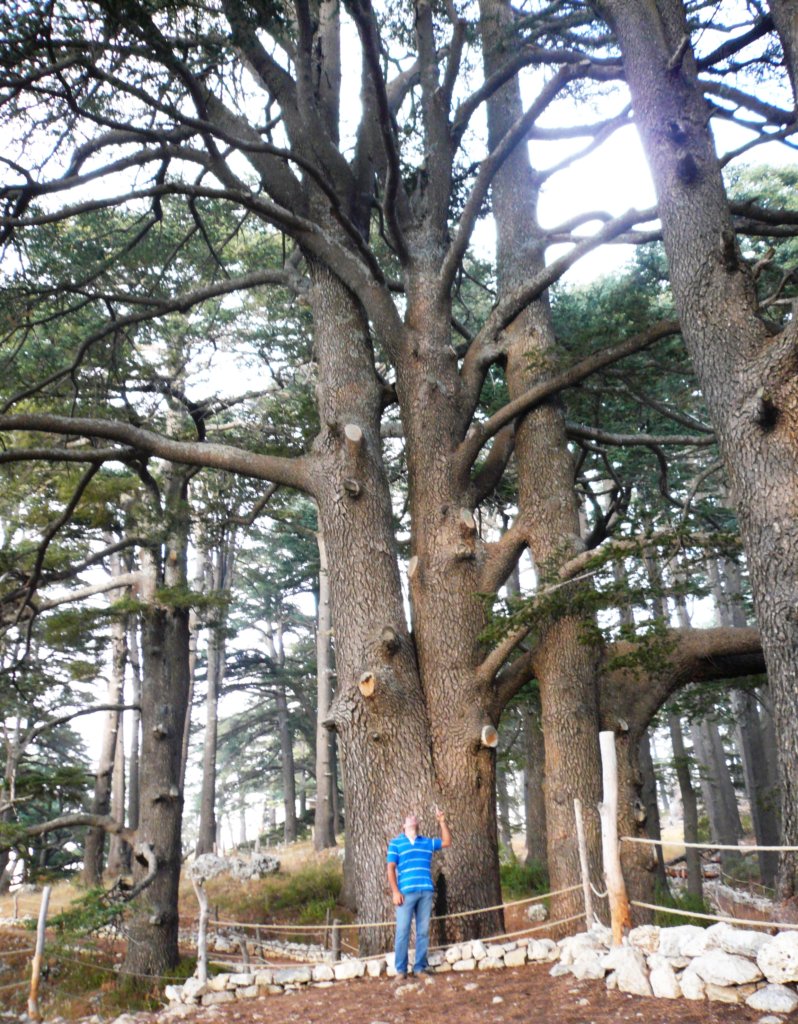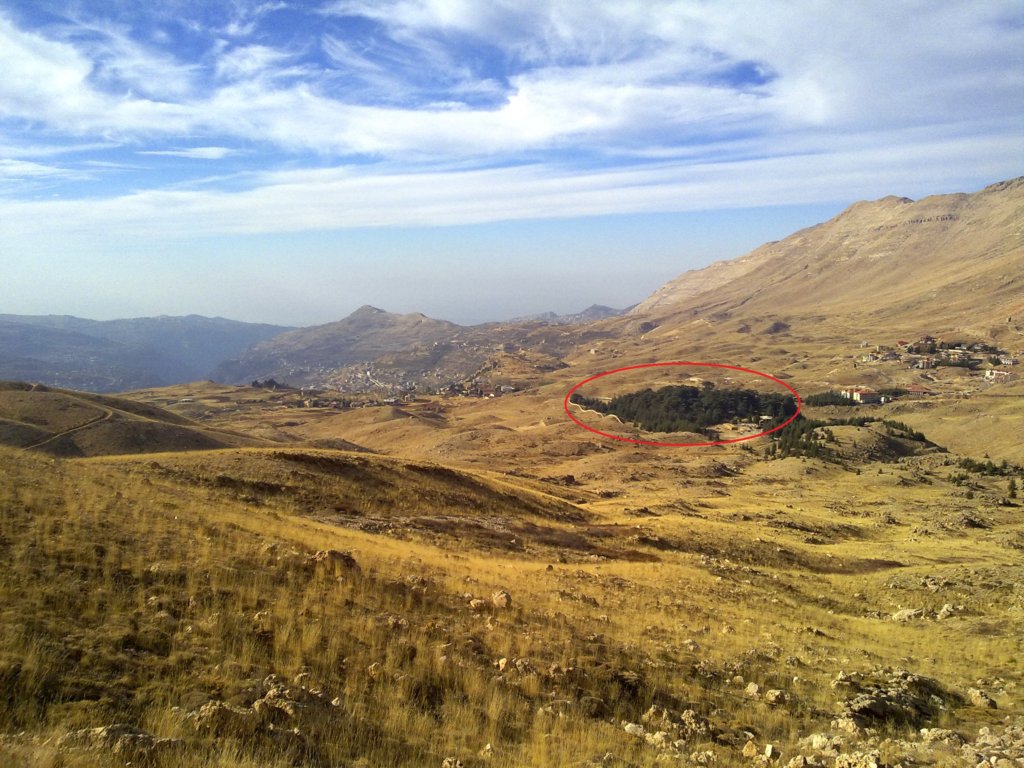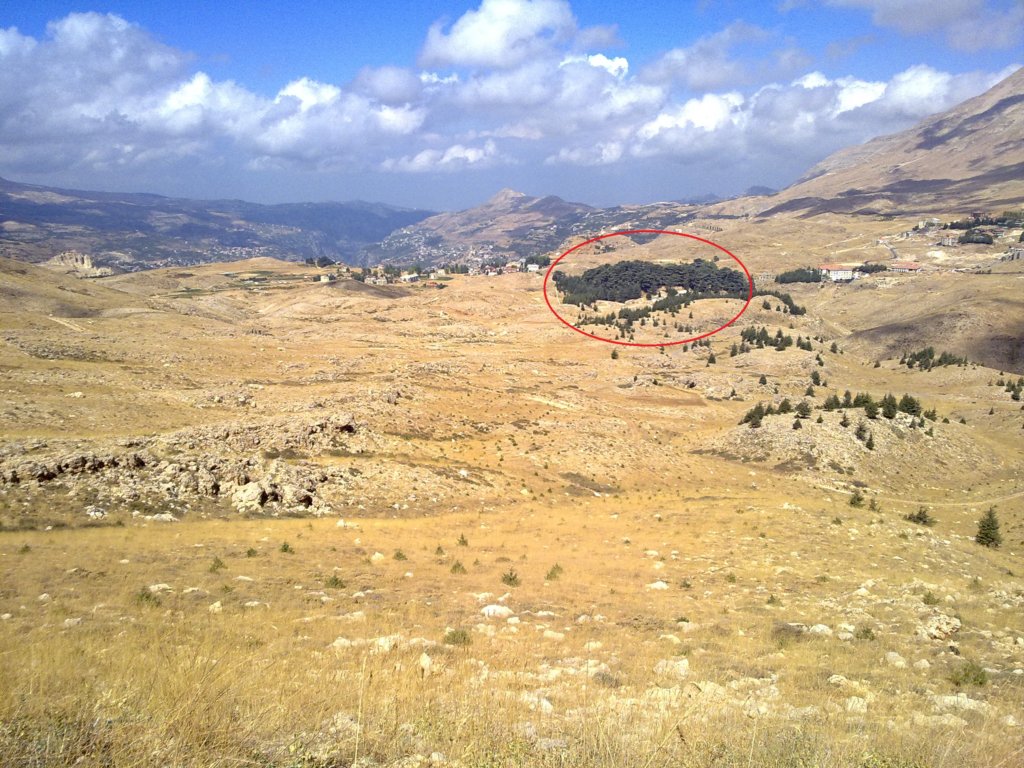
The Cedar of Lebanon is the oldest cedar in cultivation on earth - those on the slopes of Mt Lebanon are around 2,500 years old. During the last 40 years, more than 35% of the forest cover in Lebanon has deteriorated. The apparent consequences today are extremely dramatic: near-total denudation, wildlife disappearance and more. This project helps restoring the old forests, it tries to remedy the effect of years of negligence and war, and helps restoring a culture of awareness for a better future
For too long now in Lebanon, we've cut wild Cedar trees illegally just for Christmas decoration, for private house expansion, and for rock and sand quarries... Millions of trees were burned due to negligence. Today we're facing the consequences. We need to act now, before it's too late. We need to restore our forests not only for the mountains, the waters, the migrating birds... We need to do it most importantly for the human being in our communities, and for our better future.
To sustain our long-term planned reforestation activities (of which 1 million Cedar tree are planned this year), we are establishing several native Cedar seedlings nurseries. We are learning new techniques for sustainable reforestation. We are working together with local communities to raise awareness of the gravity of the situation, to spread the word about protecting the forests, protecting wildlife, protecting the migrating birds, and protecting the dream of a green country and a green Earth.
Life will be restored to the old Cedars forests, more habitats for wild life will be created, eco systems will recover, water supplies will be protected, and the spectacular migrating flocks of storks, cranes, and pelicans can finally take a rest on those green Cedar branches. More importantly though, we aim at integrating reforestation into our culture: it should ultimately become a crucial part of our rebuilding process, and hopefully of the rebuilding process of the war-ravaged Middle-East.