By Bushroh Olatunji | Project Leader
FUNDRAISING REPORT
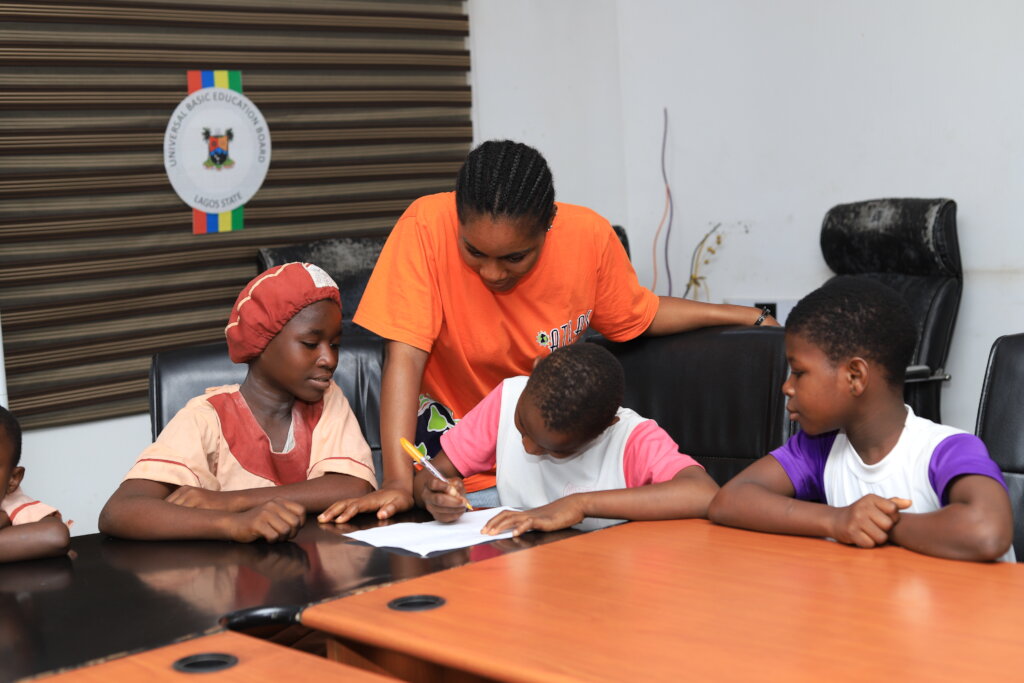
SAFEGUARDING TRAINING FOR THE ACCESS TO SCHOOL PROJECT
Project Title: Access to School Project
Implementing Organization: Access to Learning and School Initiative (ATLAS Initiative)
Report Component: Capacity-Building for Community-Based Child Protection
Date of Training: 15th May 2025
Location: Lagos State Universal Basic Education Board (SUBEB), Maryland, Ikeja, Lagos
Collaborating Partner: Lagos State Universal Basic Education Board (SUBEB)
Table of Contents
SAFEGUARDING TRAINING FOR THE ACCESS TO SCHOOL PROJECT
2.1 Opening and Institutional Alignment
2.3 Interactive Q&A and Local Insights
2.4.1 Formal Partnership with Law Enforcement and Social Welfare Departments
2.4.2 Inclusion of Local Government Child Advocates (LGCAs) in Future Safeguarding Outreach
2.4.3 Immediate Advocacy for Protective Structures in Vulnerable Communities
3 RECOMMENDATIONS AND FOLLOW-UP ACTIONS
3.1 Strengthen and Formalise Referral Pathways
3.2 Decentralised Training and Capacity Building
3.3 Integrated Monitoring and Evaluation (M&E) Framework
4 RELEVANCE TO THE ACCESS TO SCHOOL FUNDRAISING GOAL
4.1 Impact Potential of Donor Support
4.1.1 Building Protective Ecosystems
4.1.2 Enabling Safe Continuity
4.1.3 Upholding the Right to Education with Dignity
5 A CALL TO ACTION FOR SUSTAINABLE IMPACT
1 Background
Despite Nigeria's commitment to universal basic education, the country remains home to one of the largest populations of out-of-school children globally, with millions of children, particularly in underserved peri-urban and rural communities, excluded from formal education. This persistent exclusion is the result of intersecting structural barriers, including chronic poverty, child labour, displacement, inadequate infrastructure, and the absence of responsive social protection mechanisms. These children are not merely unregistered in schools; they are often entangled in cycles of neglect, vulnerability, and exploitation that systematically erode their right to learn and thrive.
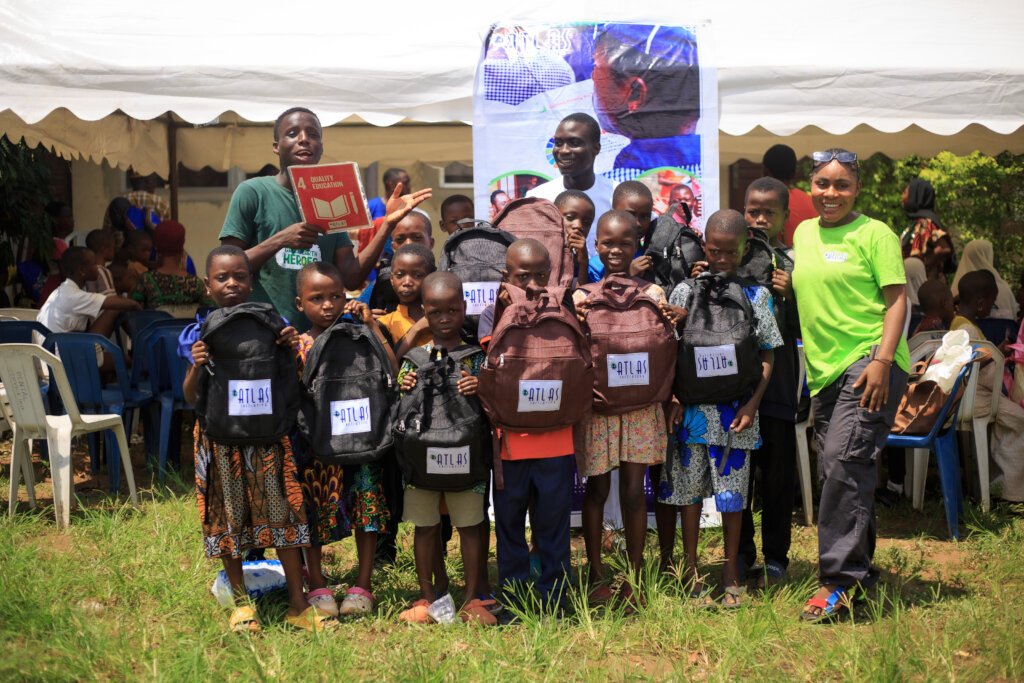
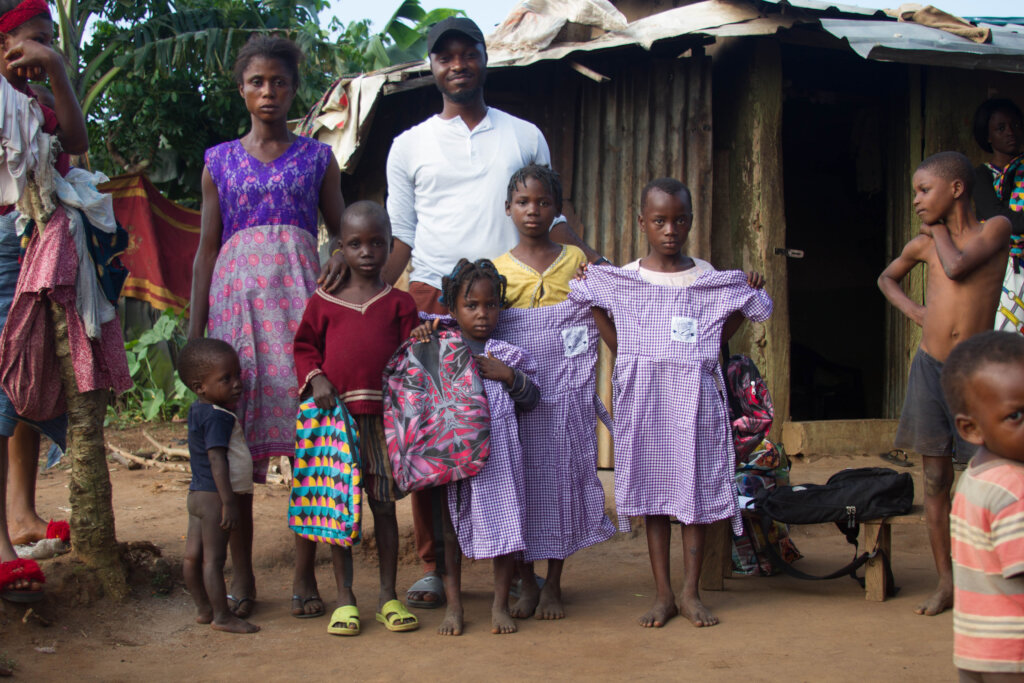
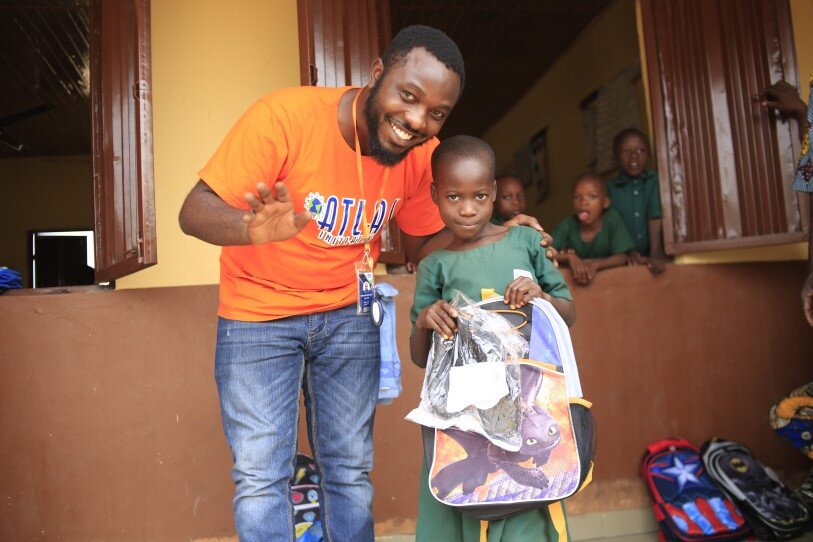
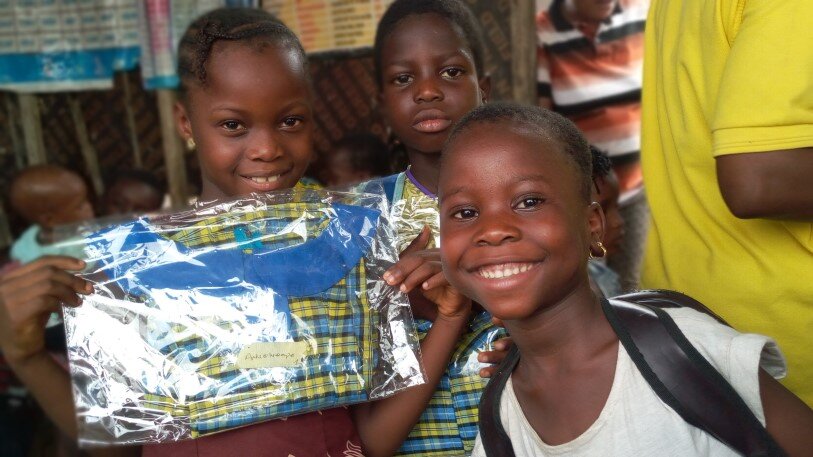
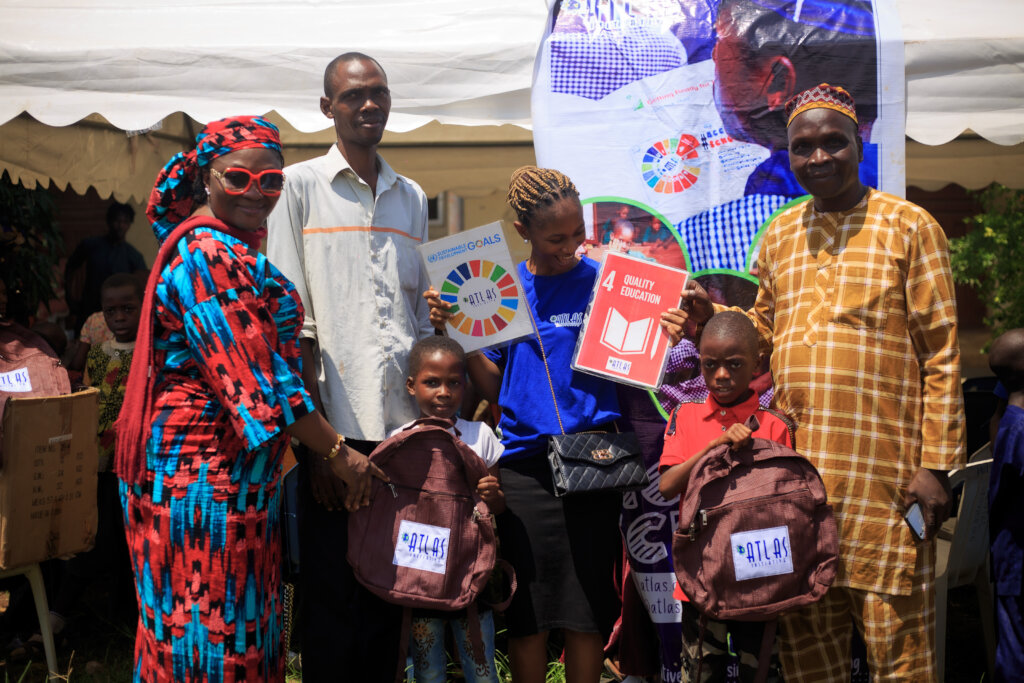
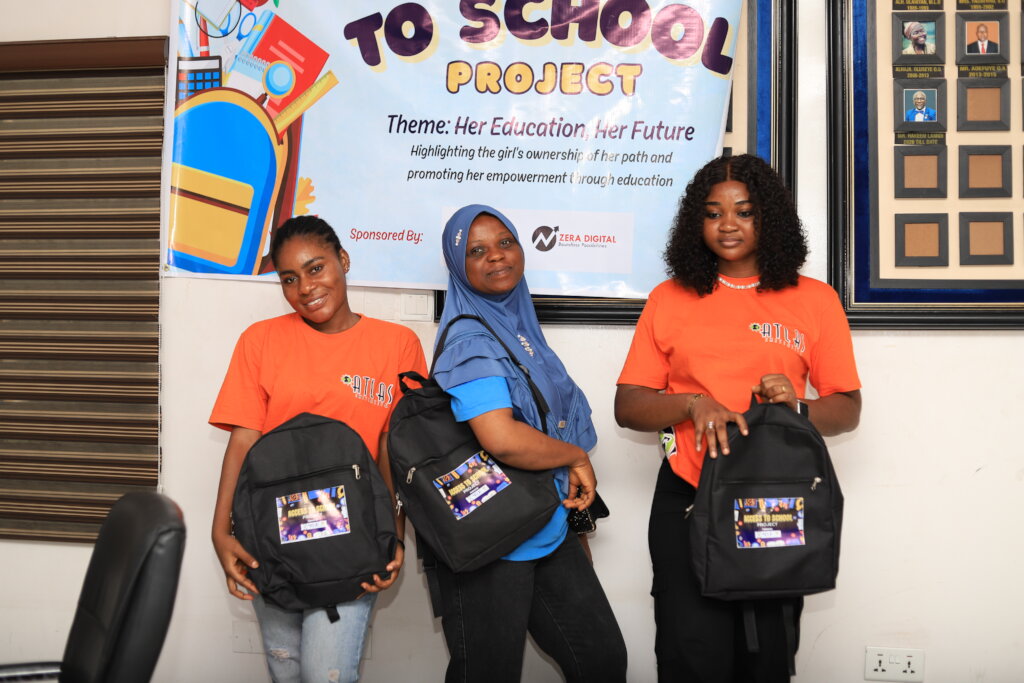
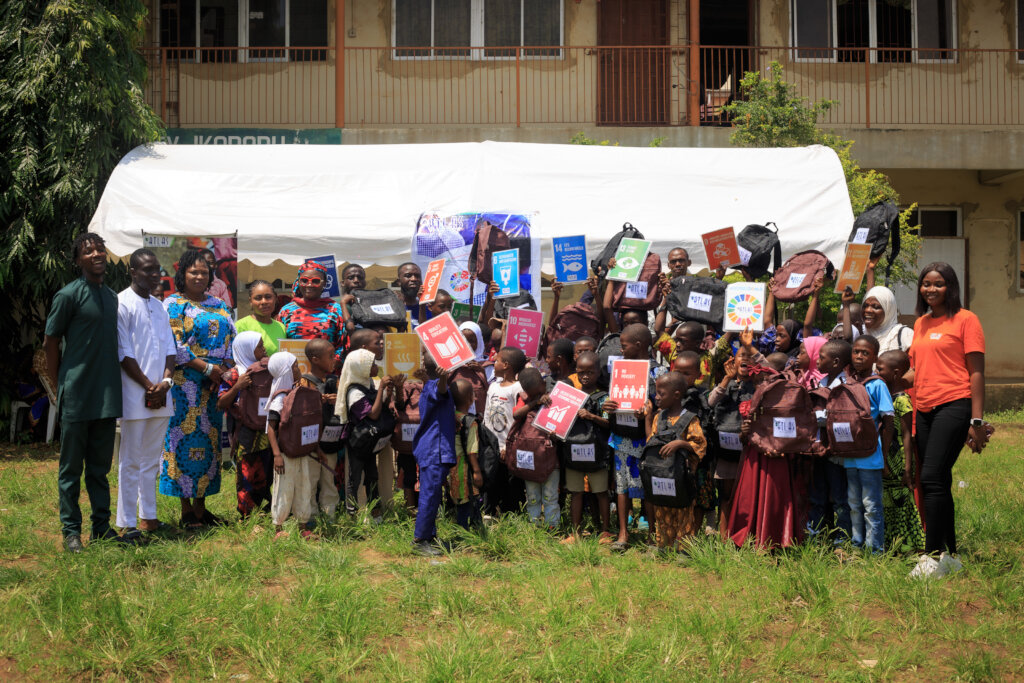
The Access to School Project, spearheaded by the Access to Learning and School (ATLAS) Initiative, emerges as a strategic response to this crisis. The project is designed to restore educational access and dignity for out-of-school children by facilitating their re-enrollment into formal education systems. It achieves this through a two-pronged approach: the provision of school kits, including uniforms, writing materials, bags, and hygiene supplies, and the deployment of trained community-based trackers who identify, engage, and support children at risk of being left behind.
However, re-enrollment alone does not guarantee safety, inclusion, or educational continuity. Many of the children targeted by the Access to School Project are exposed to harmful environments, including domestic violence, neglect, sexual abuse, hunger, and psychosocial trauma, which directly threaten their ability to remain in and benefit from schooling. Recognising this, ATLAS Initiative has embedded safeguarding practices as a core strategic pillar of its intervention model. Beyond enrolment logistics, the Initiative prioritises the creation of safe and supportive ecosystems where children's rights are protected and their well-being is sustained.
To operationalise this safeguarding commitment, ATLAS Initiative, in collaboration with the Lagos State Universal Basic Education Board (SUBEB), convened a one-day capacity-building training on child protection and safeguarding for community-based out-of-school children trackers. These trackers serve as frontline agents of change, often engaging with children and families in difficult and complex settings. The training was designed to enhance their knowledge, ethical sensitivity, and practical skills in identifying abuse, responding to disclosures, navigating referral systems, and integrating protective practices into community outreach.
This investment in safeguarding capacity is not ancillary but central to the sustainability, legitimacy, and impact of the Access to School Project. By ensuring that every tracker is not only an advocate for education but also a protector of children's rights, the Initiative advances a holistic, trauma-informed, and human rights-based model of educational inclusion. This approach fosters deeper community trust, enhances child welfare systems, and improves the long-term academic outcomes of the children the project aims to support.
1.1 Objective of the Training
The primary goal of the session was to build the capacity of community trackers to:
I. Identify signs of abuse and neglect affecting out-of-school children.
II. Apply ethical, legal, and psychosocial safeguarding principles during fieldwork.
III. Establish basic protective networks linking communities with formal child protection institutions.
This aligns with the broader objective of the Access to School Project, to not only enroll children but also ensure their ongoing safety, dignity, and well-being within their learning environments.
2 Training Highlights2.1 Opening and Institutional Alignment
The training commenced with a welcome address by Mrs. Shobowale, Director of SUBEB, who underscored SUBEB’s commitment to child protection. Representatives of ATLAS Initiative, led by Oreoluwa Garba, provided an overview of the organization’s vision and facilitated introductions between stakeholders and community trackers.
2.2 Technical Facilitation
Mr. Habeeb Balogun, the Executive Director of ATLAS Initiative and a safeguarding expert, delivered the core training module titled: “Child Protection and Safeguarding: Principles and Practice.”
Topics Covered:
A case study analysis was used to illustrate real-life consequences of safeguarding failure. This prompted reflective group discussions and deepened participants' emotional connection to the material.
2.3 Interactive Q&A and Local Insights
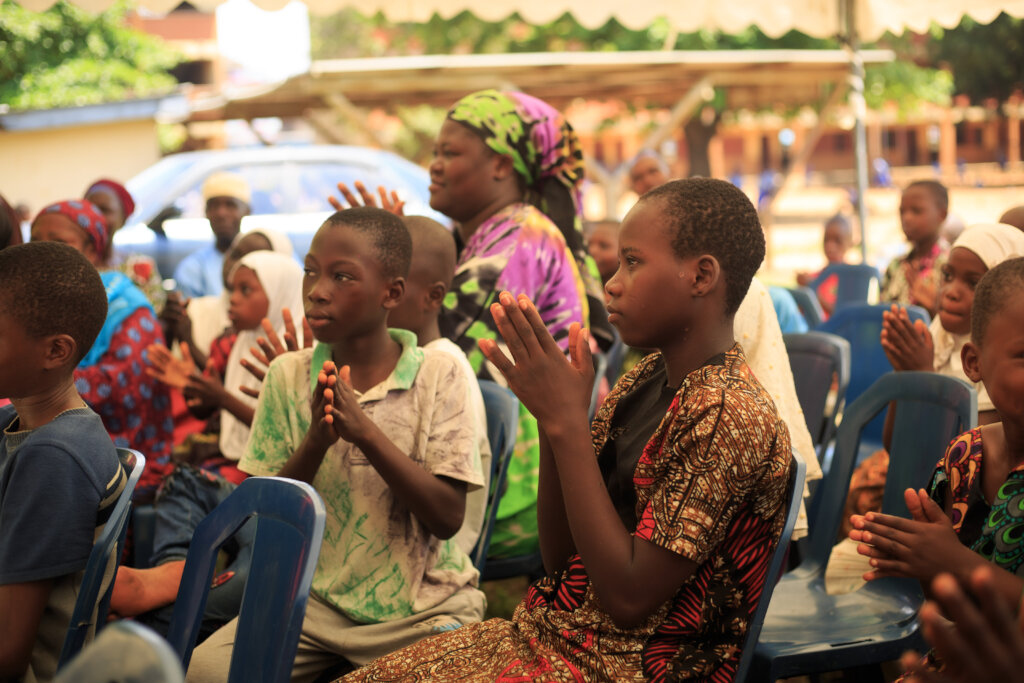
The interactive Q&A session proved to be a critical and reflective component of the training, offering participants, many of whom are grassroots community actors, a platform to interrogate the safeguarding concepts presented and relate them to their everyday realities. This session was not merely a moment of clarification but a catalytic dialogue that surfaced deep community insights and localised knowledge about child vulnerability.
The session began with open-ended prompts such as “Who is a child?” and “Who qualifies as a vulnerable adult?” These questions elicited a wide range of responses that reflected both textbook definitions and rich community-specific interpretations. Participants contextualised childhood not only by age but by dependency, social marginalisation, and exposure to harm, highlighting nuanced cases such as teenage domestic workers, child caregivers, and street-connected youths. Similarly, the category of vulnerable adults was expanded to include elderly caregivers without income, individuals with disabilities, and mentally ill parents, all of whom indirectly shape the risk environments of children under their care.
These exchanges demonstrated that community trackers are not passive implementers of external models, but rather active knowledge holders whose lived experiences inform a grounded understanding of vulnerability and protection. Notably, the discussion created space to critique the assumptions embedded in formal safeguarding frameworks, prompting calls for culturally responsive definitions and interventions.
During this session, several key concerns were consistently raised by participants:
These contributions reinforced the imperative for ATLAS Initiative and its partners to move beyond awareness creation to system-building, investing in local referral pathways, fostering multi-agency coordination, and institutionalising community-led protection protocols.
Ultimately, the Q&A session highlighted the importance of translating safeguarding theory into practical application. It highlighted both the existing local capacities and the structural constraints that shape the daily realities of protecting out-of-school children. By valuing and integrating these local insights, the training not only deepened participants’ understanding but also repositioned them as co-designers of sustainable safeguarding systems within their communities.
2.4 Requests for Support
Throughout the training, community trackers consistently identified critical gaps in the existing child protection ecosystem, particularly in terms of structural support and institutional collaboration. Their field experiences revealed that while there is growing awareness of safeguarding principles, the absence of functional linkages between community actors and statutory institutions significantly weakens the protection response for at-risk children. To this end, participants made the following strategic requests for support:
2.4.1 Formal Partnership with Law Enforcement and Social Welfare Departments
Trackers called for structured collaboration between the ATLAS Initiative, the Lagos State Universal Basic Education Board (SUBEB), and relevant government agencies, particularly the Nigeria Police Force and State Ministries of Women Affairs and Social Welfare. Currently, the lack of defined protocols and contact points means that community-reported cases of abuse or neglect often go unresolved or uninvestigated. Establishing Memoranda of Understanding (MoUs), designated safeguarding focal points, and case-handling timelines would significantly enhance accountability and improve the speed and effectiveness of responses.
2.4.2 Inclusion of Local Government Child Advocates (LGCAs) in Future Safeguarding Outreach
Participants emphasised the importance of decentralising child protection knowledge and enforcement by actively engaging Local Government Child Advocates (LGCAs) in future training sessions and safeguarding interventions. These advocates, who operate closest to grassroots communities, are strategically positioned to serve as liaisons between communities, schools, social workers, and law enforcement. Inclusion of LGCAs would also facilitate the continuity of child protection efforts beyond periodic training events and help institutionalise safeguarding as a core local governance function.
2.4.3 Immediate Advocacy for Protective Structures in Vulnerable Communities
Trackers urged ATLAS Initiative and SUBEB to escalate advocacy efforts at the local government and state policy levels to establish tangible protective infrastructures in highly vulnerable communities. This includes advocacy for the establishment of community safeguarding committees, safe spaces for children, school-based counsellors, and mobile response teams for cases of child abuse. These structures are essential for operationalising the principles of safeguarding discussed during the training and ensuring that protective measures are not just theoretical but practically embedded in local realities.
3 Recommendations and Follow-Up Actions
To ensure that the gains from the safeguarding training are not only retained but translated into actionable community and policy-level outcomes, the following strategic recommendations were developed collaboratively with stakeholders present:
3.1 Strengthen and Formalise Referral Pathways
ATLAS Initiative should spearhead the development of formalised referral frameworks with both governmental and non-governmental service providers. This includes establishing clear documentation protocols, designated points of contact, and timelines for response. Partner organisations should include the Ministry of Youth and Social Development, sexual and gender-based violence (SGBV) response units, child protection NGOs, food aid agencies, and primary health care providers. The creation of a Referral Directory and Response Protocol Handbook could enhance the usability of these pathways for community trackers.
3.2 Decentralised Training and Capacity Building
SUBEB is encouraged to institutionalise safeguarding training by rolling out a “Train-the-Trainer” model targeting Local Government Child Advocates (LGCAs), community leaders, and school administrators. This approach would cascade safeguarding knowledge throughout the education system and reinforce protective norms in multiple localities. Regular refresher workshops, contextualised training modules, and peer learning sessions should form part of a continuous capacity development strategy.
3.3 Integrated Monitoring and Evaluation (M&E) Framework
A robust, participatory M&E framework should be co-designed by ATLAS Initiative and SUBEB to assess the implementation, reach, and effectiveness of safeguarding interventions. This framework should include both quantitative metrics (e.g., number of cases reported, referrals made, children re-enrolled) and qualitative indicators (e.g., perceived safety in school environments, community trust levels, tracker self-efficacy). Importantly, the M&E system should be designed to support adaptive learning, using data to inform mid-course corrections, refine training content, and tailor interventions to emerging risks.
4 Relevance to the Access to School Fundraising Goal
The Access to School Project is not merely a logistical initiative that distributes school kits or facilitates enrolment; it is a transformative intervention rooted in the belief that education without protection is incomplete and unsustainable. By integrating safeguarding training into its operational framework, ATLAS Initiative affirms a holistic model of educational inclusion, one that prioritises access, safety, dignity, and continuity for out-of-school children, particularly those living in contexts of extreme vulnerability.
The recent capacity-building session on child protection and safeguarding is a prime example of this comprehensive approach. It demonstrates that ATLAS Initiative is not only concerned with the quantitative goal of increasing school attendance, but also with the qualitative imperative of creating safe, nurturing environments where children can learn, grow, and recover from past traumas. In doing so, the Initiative directly aligns with global development priorities such as SDG 4 (Quality Education) and SDG 16.2 (End abuse, exploitation, trafficking, and all forms of violence against children).
This dual focus, access plus protection, strengthens the credibility, accountability, and long-term impact of the project. It ensures that children re-enrolled through the programme are not simply returned to education, but are reinforced by systems of care, vigilance, and support that enable them to thrive in the face of adversity.
4.1 Impact Potential of Donor Support4.1.1 Building Protective Ecosystems
Each donor contribution does more than provide tangible materials like uniforms, books, and writing tools. It directly supports the development of resilient community-based protection mechanisms through tracker training, referral partnerships, advocacy engagements, and child safeguarding awareness campaigns.
4.1.2 Enabling Safe Continuity
Without safeguarding, re-enrolment efforts risk being short-lived. Children who return to school but remain trapped in abusive or unstable environments are highly likely to drop out again. Donor investments in safeguarding allow ATLAS Initiative to break this cycle by ensuring that schools are not only accessible but also safe and emotionally secure spaces for learning.
4.1.3 Upholding the Right to Education with Dignity
Donors are not simply financing educational access; they are advancing children’s fundamental human rights, including the right to be protected from harm, to be heard, and to be treated with dignity. These are not peripheral concerns but central guarantees that make education transformative rather than transactional.
5 A Call to Action for Sustainable Impact
By supporting the Access to School Project, donors become partners in a mission that goes far beyond charity. They join a systemic movement to rebuild futures, restore trust, and reimagine education as a right anchored in protection and empowerment. Every pound raised contributes to a safer, smarter, and more just future for Nigeria’s most vulnerable children.
Together, we are not just sending children back to school, we are ensuring they stay, succeed, and are safe every step of the way.
6 Conclusion
The one-day safeguarding training for out-of-school children trackers marks a significant milestone in ATLAS Initiative’s commitment to advancing a holistic, child-centred model of educational inclusion. By equipping frontline community actors with the knowledge and tools to identify, respond to, and prevent child abuse and neglect, the Initiative is not only facilitating access to education but fortifying the protective environments necessary for children to learn, thrive, and remain in school.
This intervention reinforces the core philosophy of the Access to School Project, that enrolment alone is insufficient without sustained safety, dignity, and psychosocial support. The training also surfaced vital local insights, exposed systemic gaps, and generated community-driven recommendations that can inform policy advocacy, programmatic refinement, and future partnerships.
Ultimately, the success of this initiative and its long-term sustainability depend on collective action. Donor support is crucial not only for funding school kits and enrolment logistics but for embedding safeguarding as a permanent, community-owned practice. Each contribution, therefore, becomes an investment in both educational opportunity and child protection infrastructure, creating a lasting impact for some of Nigeria’s most vulnerable children.
Photo Gallery in the PDF report below!
Contact:
Access to Learning and School (ATLAS) Initiative Nigeria
www.atlas.org.ng
Twitter: @atlas_ng
Facebook: Access to Learning and School Initiative
Project reports on GlobalGiving are posted directly to globalgiving.org by Project Leaders as they are completed, generally every 3-4 months. To protect the integrity of these documents, GlobalGiving does not alter them; therefore you may find some language or formatting issues.
If you donate to this project or have donated to this project, you can receive an email when this project posts a report. You can also subscribe for reports without donating.



Support this important cause by creating a personalized fundraising page.
Start a Fundraiser