By Beni Dya Mbaxi | Project Manager
Summary:
Angola Hunger Relief initiated its involvement with a Communitarian Kitchen in Huambo in 2020 as a direct response to the COVID-19 pandemic. It wasn't until 2023 that we conducted our first needs analysis of the kitchen, its beneficiaries, and the surrounding community.
The need behind conducting this needs analysis stemmed from the realisation that, since 2020, we had been allocating substantial resources, exceeding 100,000 meals, to assist the community. However, resource constraints had previously hindered our ability to conduct a thorough assessment. Now, with the opportunity and means in place, we have undertaken this analysis to gain deeper insights into the evolving needs of the community we serve.
Subject: Observation About Hunger in the Huambo Province
1. This visit to the Sacred Heart of Jesus Parish House, organised by Angola Hunger Relief under the theme "Observation About Hunger in the Huambo Province," delved into critical issues concerning hunger, health, and education in Angola, marking a significant undertaking for our information department.
2. The detailed information on the topics discussed during the visit is enclosed in the informational sheet attached to this report.
3. Coordinated by Beni Dya Mbaxi, he stated "I find all aspects of this visit to be of paramount importance. Noteworthy were the composure, mastery of subjects, accessibility concerns, and the use of compelling examples, particularly involving children and the elderly ".
4. It is my recommendation that both our institution, Angola Hunger Relief, and the Sacred Heart of Jesus Parish House concentrate their efforts on aspects specifically related to the well-being of children and the elderly.
5. Furthermore, I propose that the Sacred Heart of Jesus Parish House actively considers adopting our suggested proposals aimed at enhancing the current situation. Beni Dya Mbaxi, Responsible Member in Luanda, Angola.
Introduction:
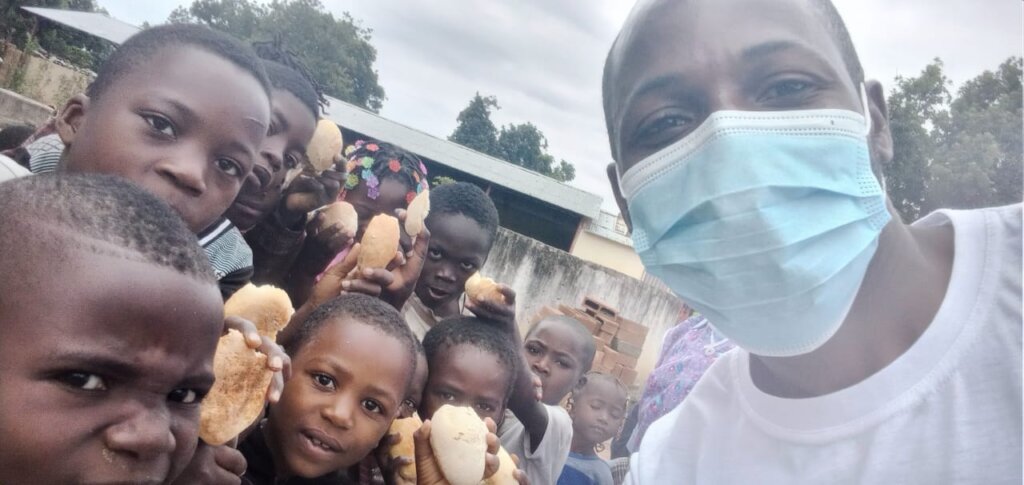
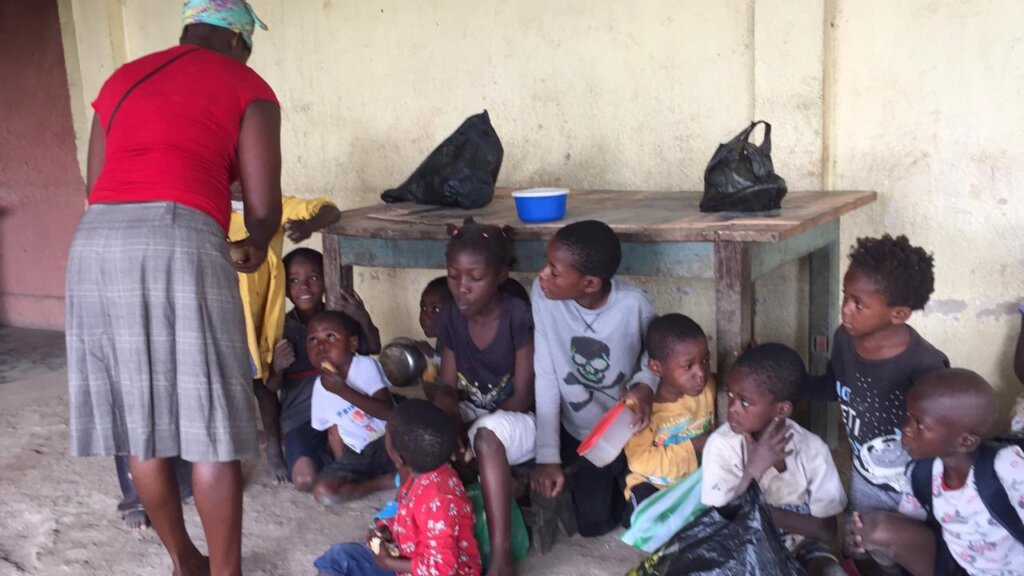
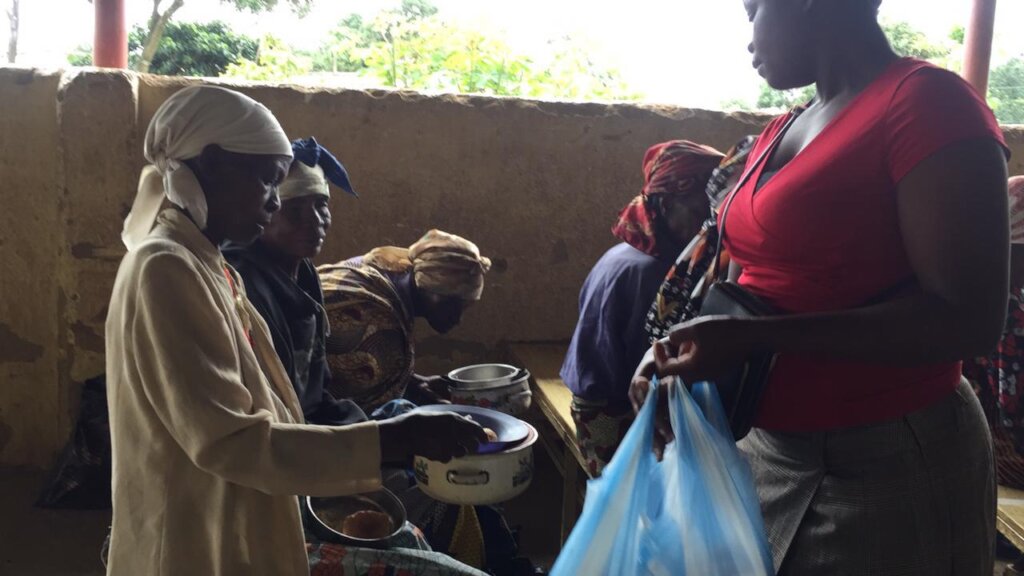
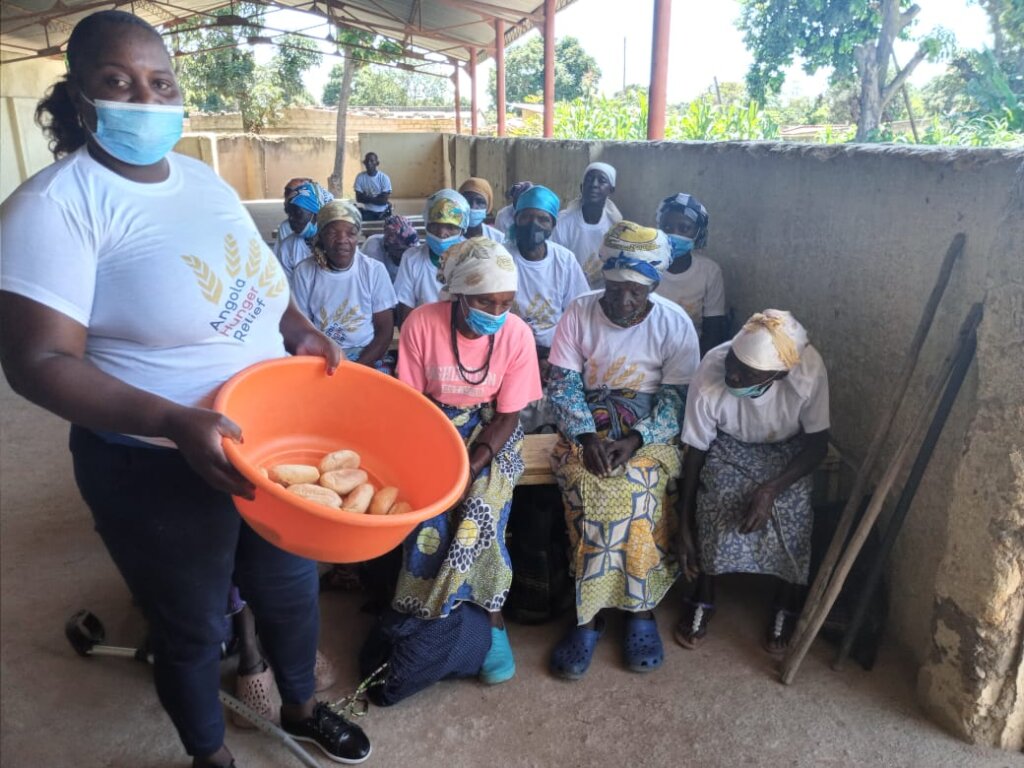
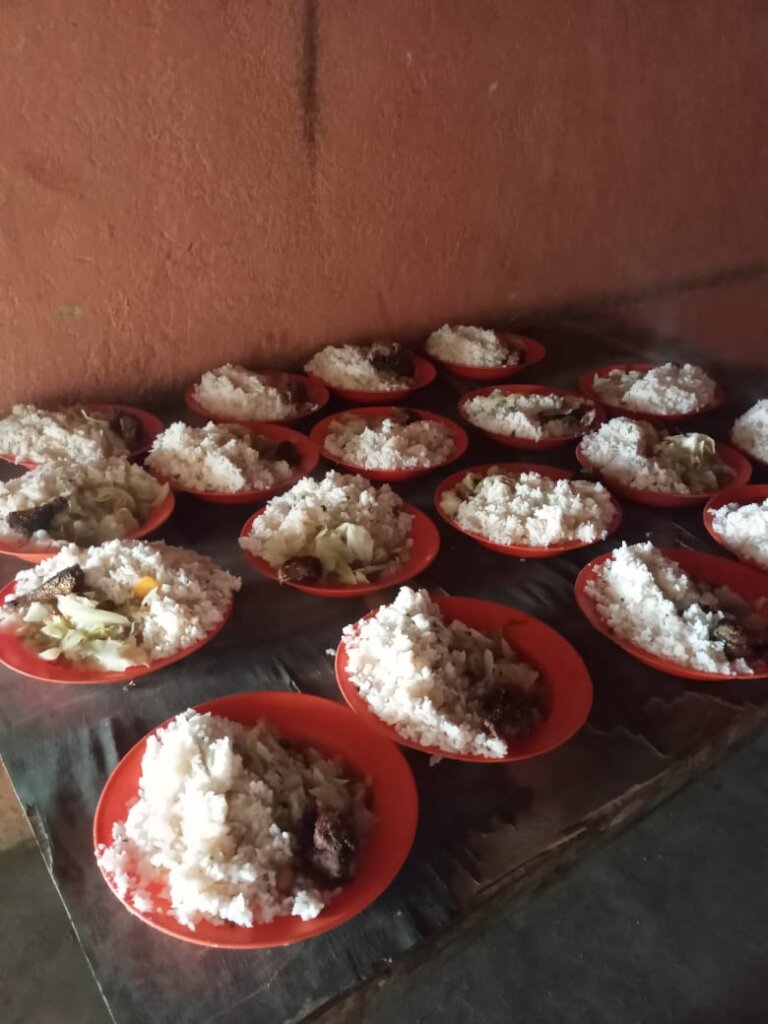
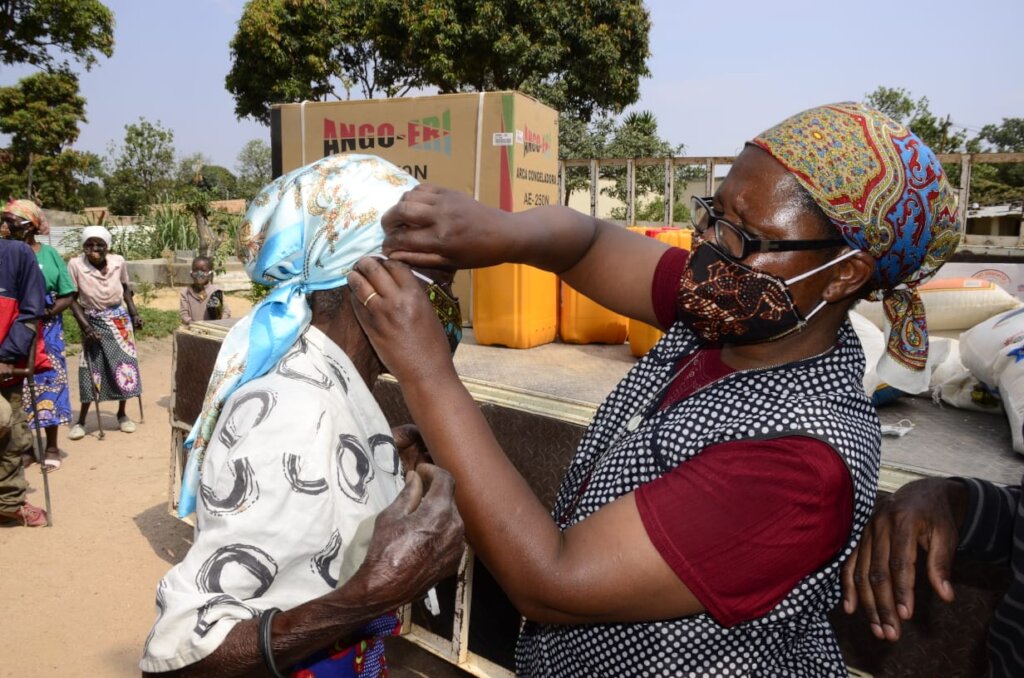
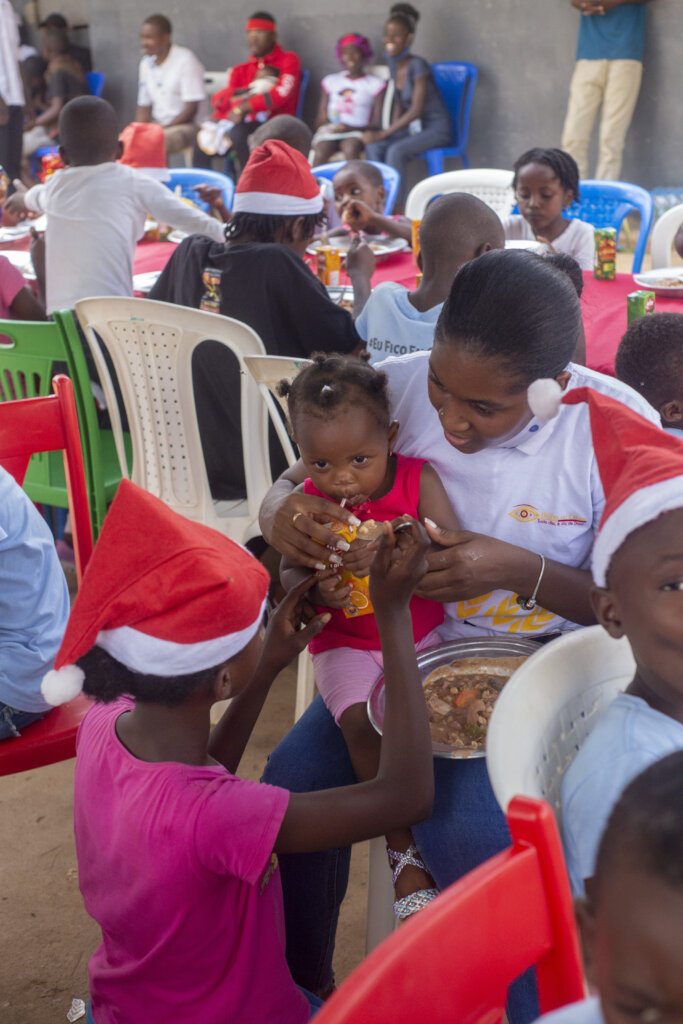
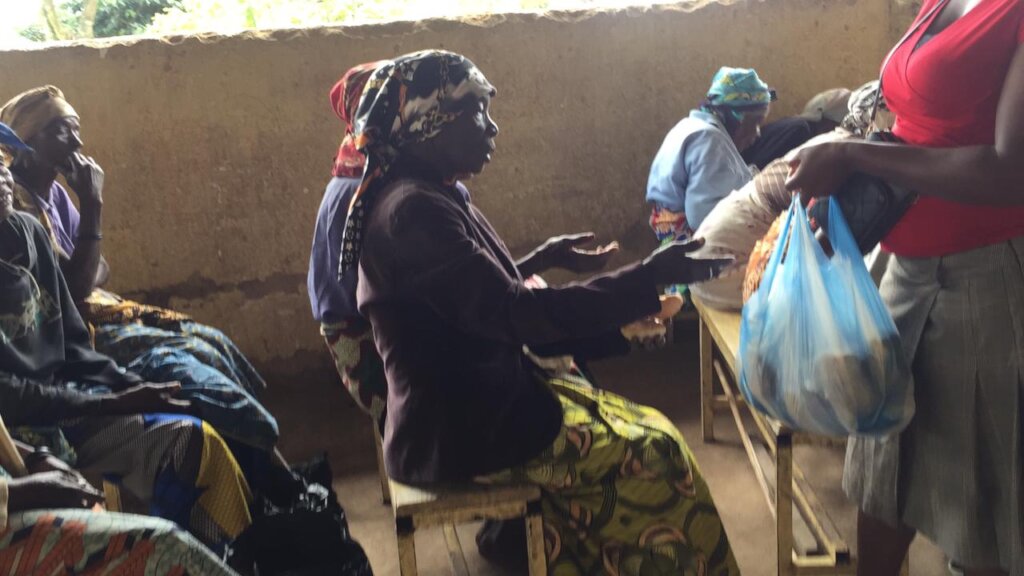
In 2020, we became acquainted with the Community Kitchen in Huambo, managed by the congregation of S. Carlos Lwanga, dedicated to caring for elderly priests, seniors, and children. The volunteers of the community kitchen have been serving meals for 22 years. However, they have transitioned from providing daily meals to only offering once a day, three times a week. Since 2020, the number of beneficiaries has decreased from 150 to just 90 individuals. This is attributed to a decline in donations from well-wishers, financial crises, the global increase in poverty, and the impact of COVID-19. Unfortunately, due to the inability to secure food, some of their beneficiaries have passed away due to health issues and hunger.
Currently, the kitchen serves 90 vulnerable beneficiaries living below the poverty line. The majority are elderly individuals without state-assisted social support and orphaned children or those under the care of grandparents. Since 2020, Angola Hunger Relief (AHR) has managed to provide 100,000 thousand meals to alleviate hunger.
Our Findings:
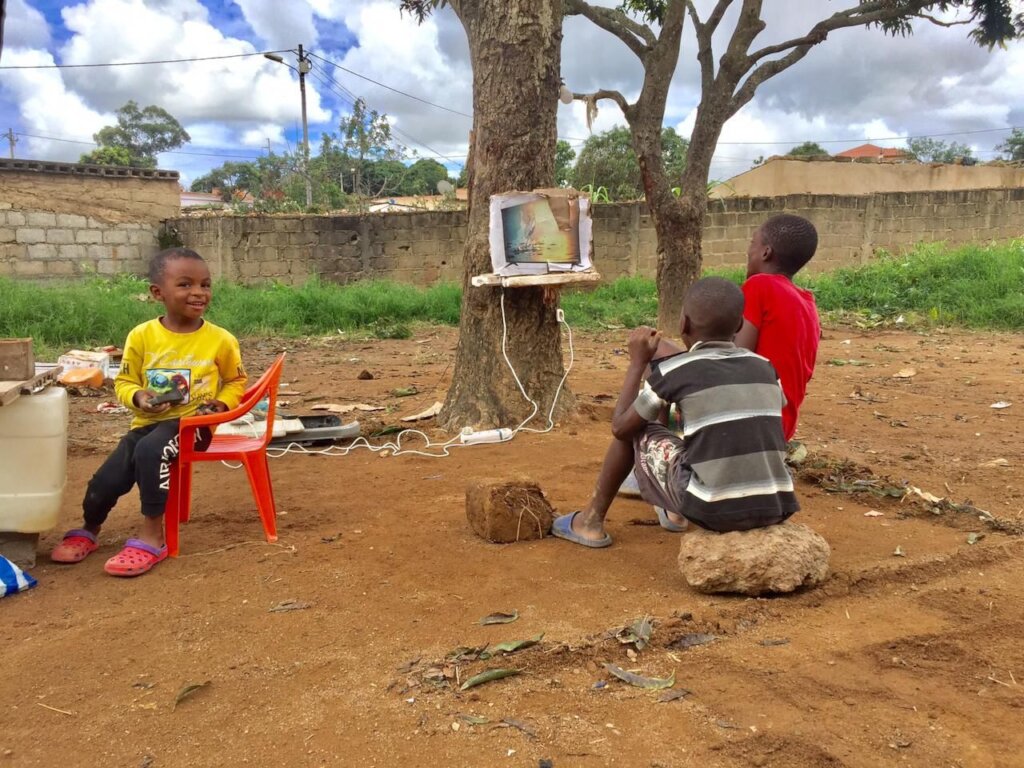
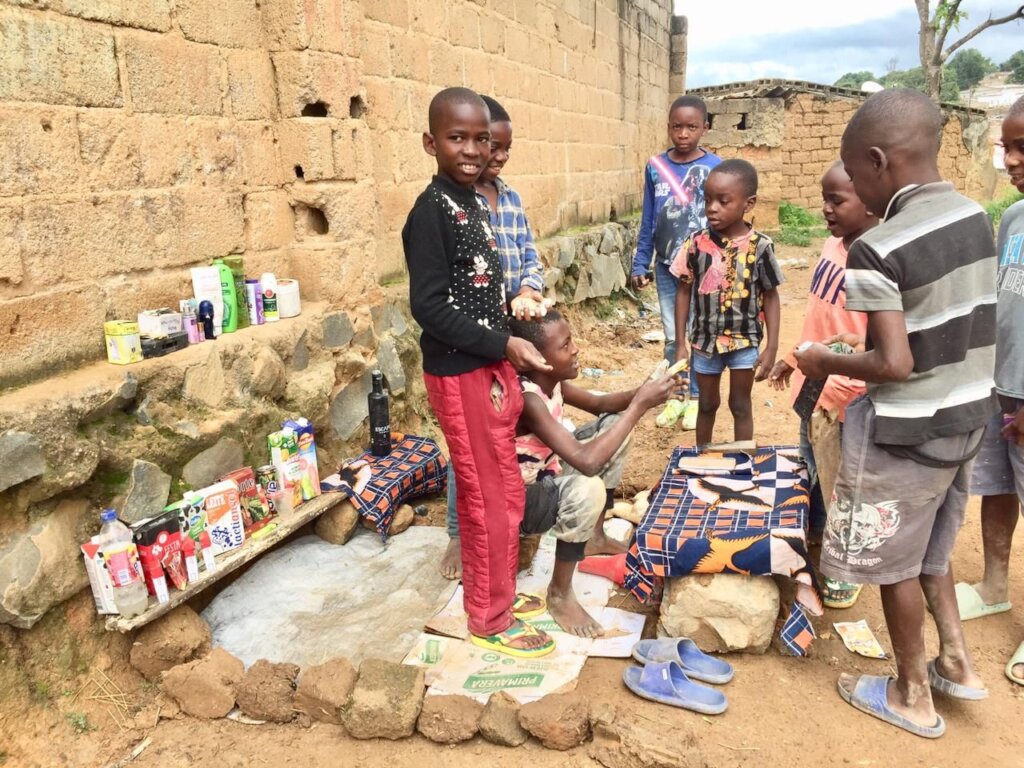
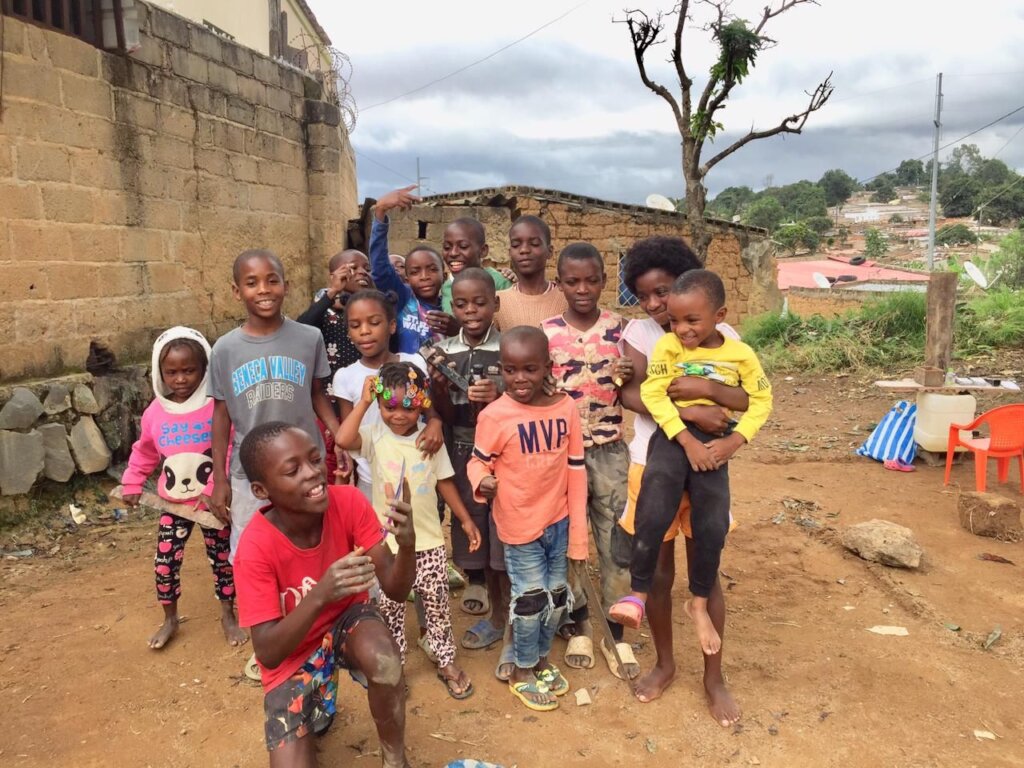
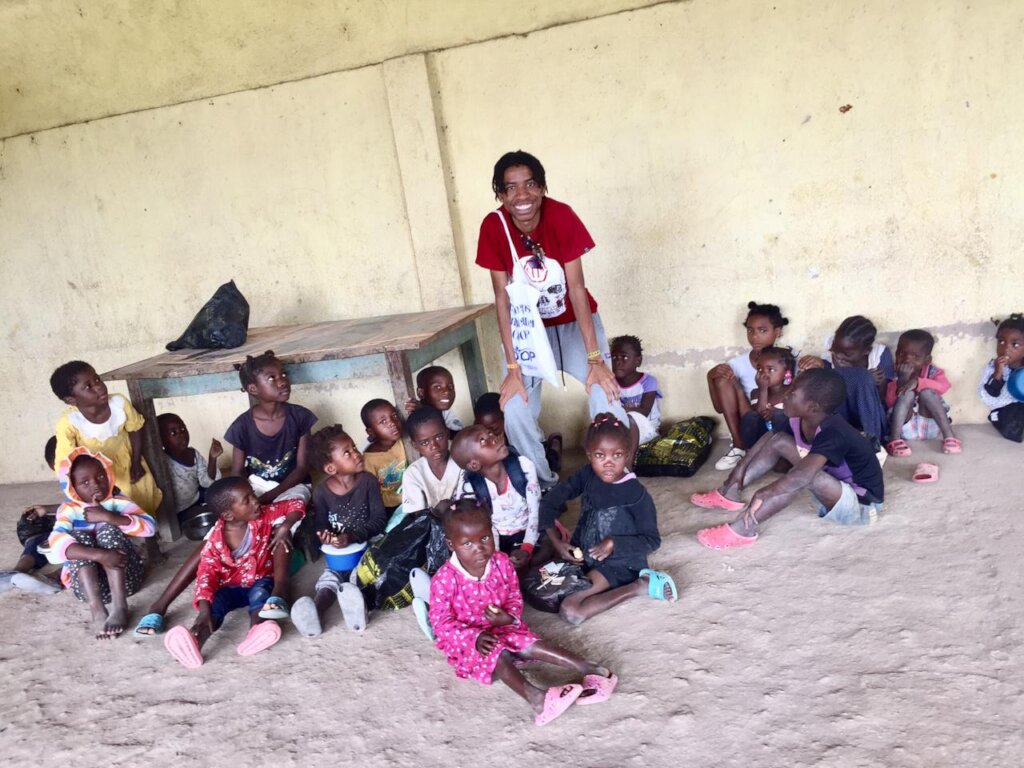
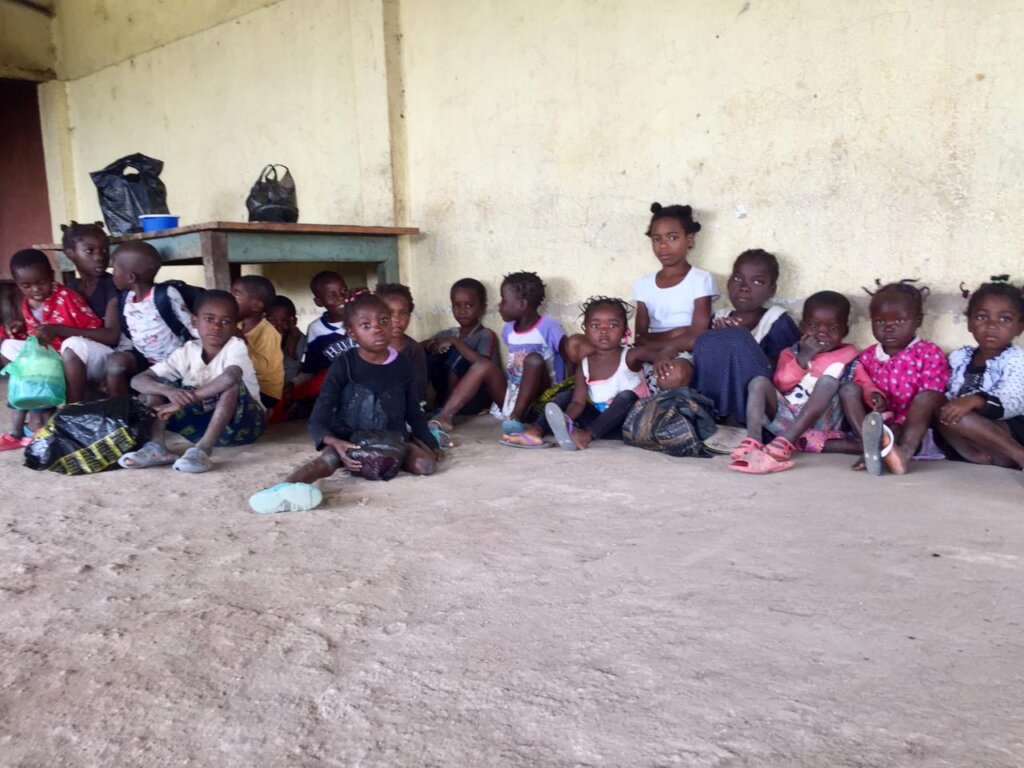
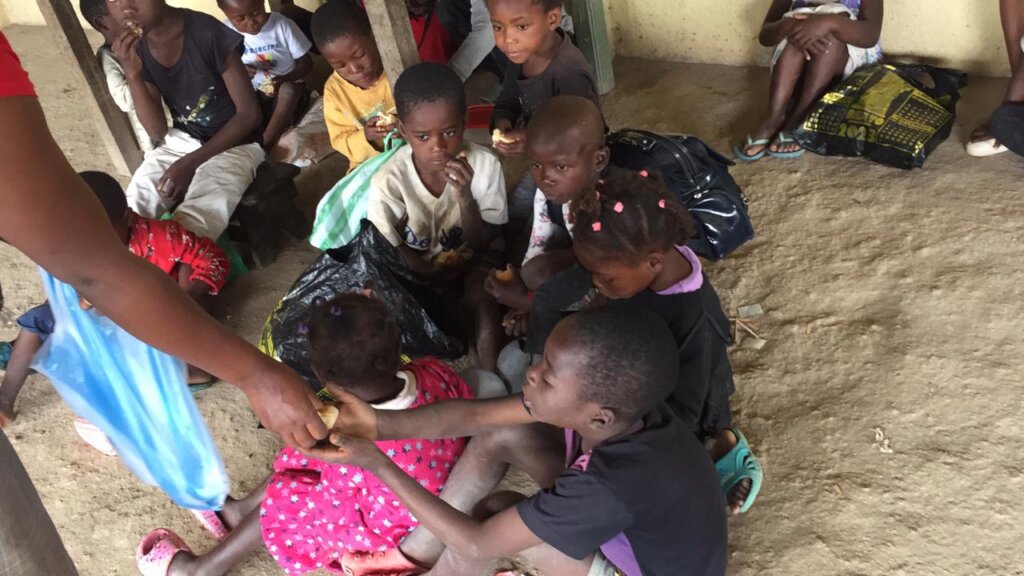
Angola Hunger Relief conducted a visit to the Huambo Province, situated in the central region of Angola, with eleven municipalities. Disturbing situations related to hunger, health, and education were identified in the Huambo municipality. Records indicate a high number of children living in extreme poverty, resorting to desperate measures to secure food. Additionally, there is a significant population of children out of school, facing severe malnutrition issues. Various locations were visited without specifying, as the issue is widespread. Notably, we specifically visited a familiar place, the “Sacred Heart of Jesus Parish House” , in existence for over 20 years. This space was established to assist the needy within the Church, with groups gathering weekly to serve the underprivileged, including the elderly and children. Despite not being residents, those in need come daily to secure food, which is not available every day. Since the creation of the Sacred Heart of Jesus Parish House, many elderly people especially women have passed through, with some having passed away, some still alive, and others arriving.
It was evident that many of the elderly suffer from various illnesses, with some losing their lives and others enduring chronic cycles of food insecurity and malnutrition. The need for nutritious or healthy meals became apparent. Additionally, it was observed that not only the elderly but also children frequent the place. Many come as grandchildren to ensure they receive a meal. According to some testimonies, the Sacred Heart of Jesus Parish House used to have an educational program for children, but due to various reasons, it no longer operates. In reality, some programs have ceased due to financial difficulties.
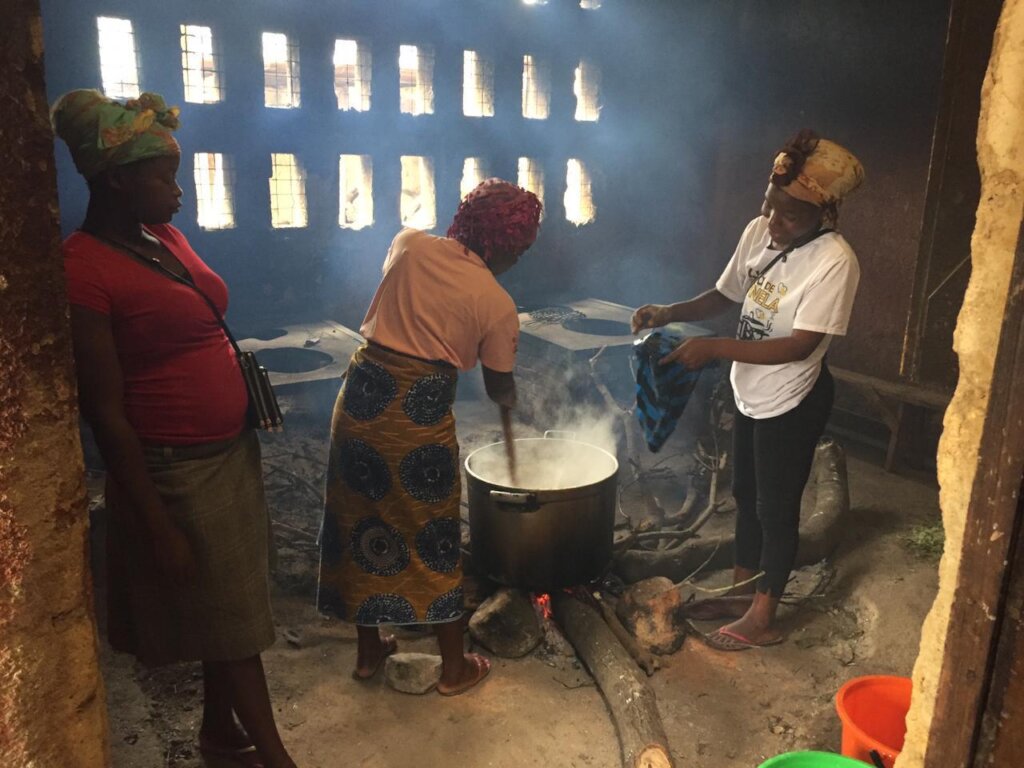
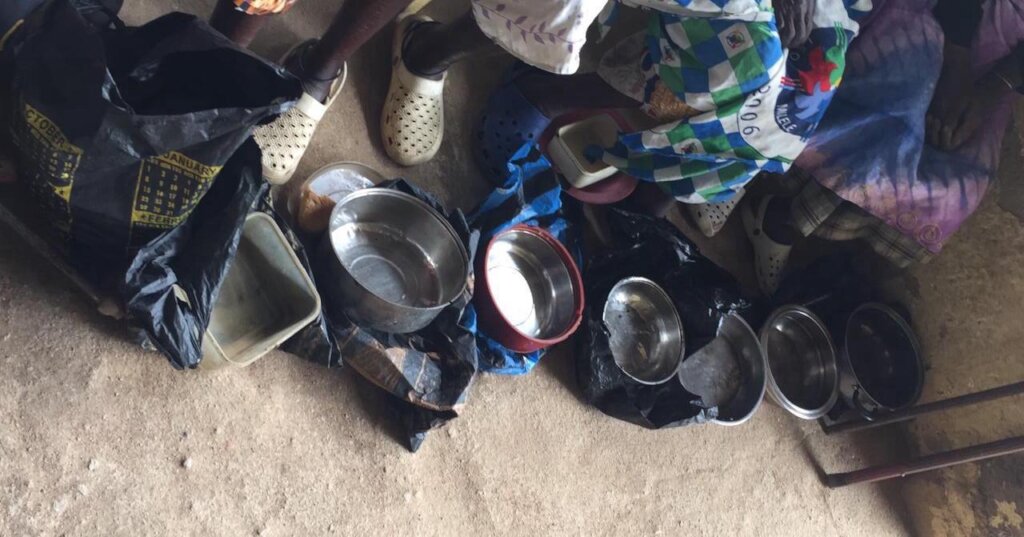
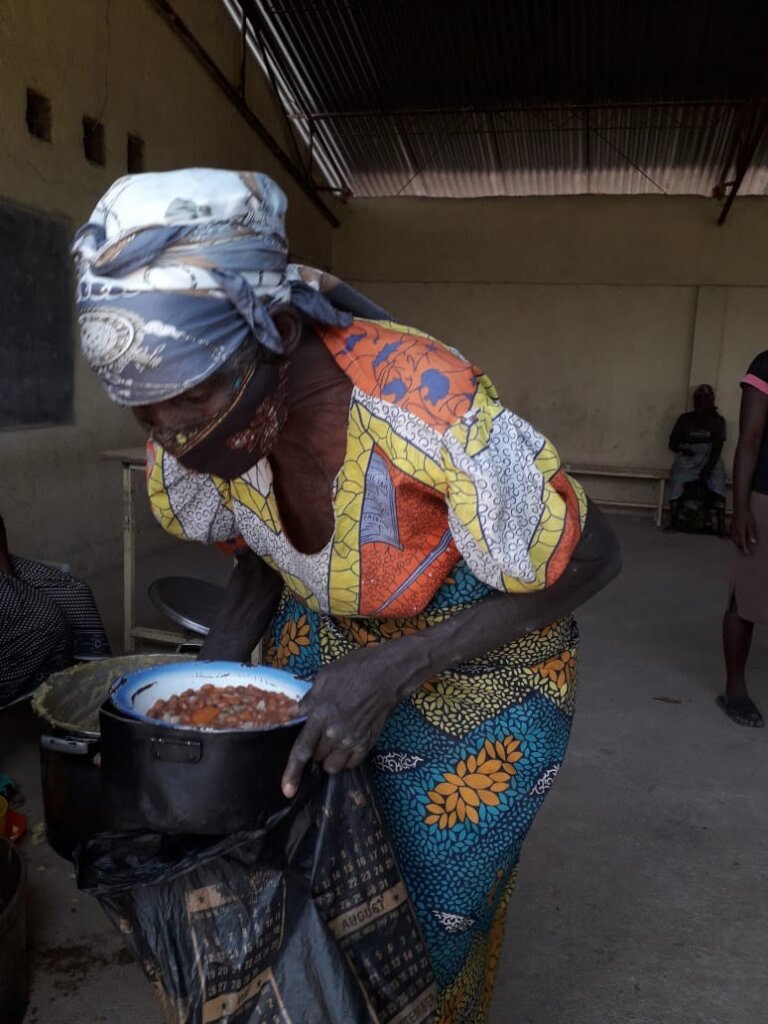
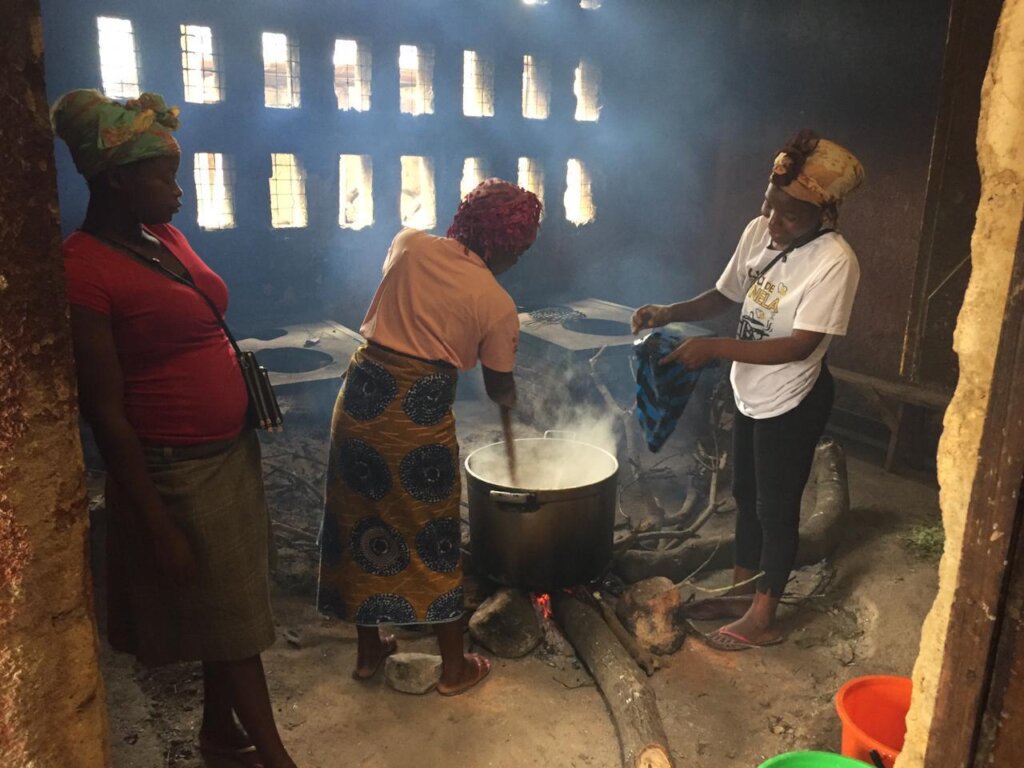
The community kitchen faces significant challenges in terms of hygiene, sanitation, and resources, particularly in its operational aspects. The volunteers work under less-than-ideal conditions, preparing meals in an environment that lacks proper hygiene and sanitation facilities. The use of wood as a cooking fuel not only poses health risks due to the emission of harmful fumes but also contributes to an uncomfortable working atmosphere for the volunteers.
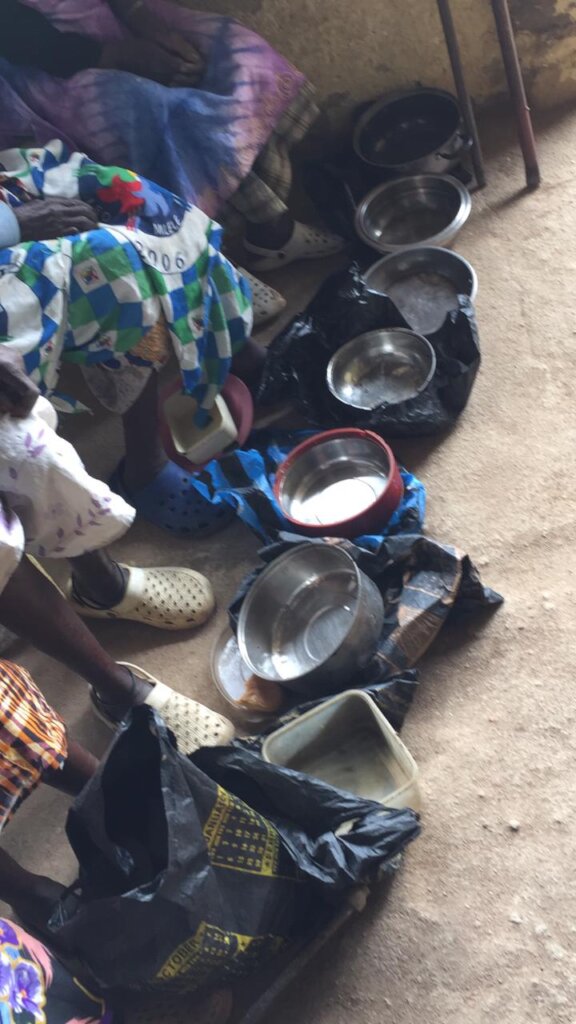
Furthermore, the kitchen is deficient in essential equipment required for efficient food preparation. This scarcity hampers the volunteers' ability to provide meals in a timely and effective manner. Addressing these shortcomings in terms of hygiene, sanitation, and resources is crucial to ensuring a safe and conducive working environment for the volunteers and, by extension, the overall effectiveness of the community kitchen.
Angola Hunger Relief gathered insights from the Red Cross, active in the Huambo Province, revealing areas where people live in harsh conditions, practically forgotten and lacking everything. Notably, these individuals are not included in provincial statistics. The circumstances are heart-wrenching, with children developing physical disabilities due to the lack of medical assistance, children out of school, and children suffering from malnutrition.
The observed situation in Huambo Province is alarming. Although the visit was brief, it was sufficient to comprehend the lamentable and profound nature of the circumstances. It was a seven-day period marked by heartbreaking experiences.
Based on the report on hunger, health, and education issues in the Huambo Province, the following recommendations can be made:
Immediate Assistance and Intervention:
- Provide immediate assistance to address the urgent needs of the population, especially children and the elderly, who are living in extreme poverty and facing malnutrition.
- Collaborate with local organisations, such as the Sacred Heart of Jesus Parish House, to ensure a swift response to the critical situations observed.
Nutritional Support:
- Implement nutrition programs to ensure that meals provided are not only accessible but also nutritionally balanced, particularly for the elderly and children.
- Collaborate with healthcare professionals to assess and address the specific nutritional needs of the vulnerable population.
Education Programs: - Work towards reinstating educational programs for children that may have been discontinued due to financial difficulties. This can involve partnerships with local schools or the development of alternative educational initiatives.
Healthcare Access: - Collaborate with healthcare providers to improve access to medical assistance for the elderly and children, addressing prevalent health issues and preventing further complications.
- Consider mobile healthcare clinics or outreach programs to reach remote areas with limited access to medical facilities.
Community Empowerment: - Engage with local communities and empower them to be part of the solution. This can involve training and involving community members in sustainable initiatives to address poverty and hunger.
Long-Term Sustainable Solutions:
- Develop and implement long-term sustainable solutions to address the root causes of poverty, hunger, and health issues. This may include economic empowerment programs, agricultural initiatives, and community development projects.
Advocacy and Awareness: - Advocate for increased awareness of the issues faced by the population in the Huambo Province at national and international levels.
- Seek support from government agencies, non-governmental organisations (NGOs), and international bodies to address the systemic challenges contributing to the observed conditions.
Monitoring and Evaluation:
- Establish a system for continuous monitoring and evaluation to assess the impact of interventions and make adjustments as needed.
- Regularly communicate with local stakeholders, including the Sacred Heart of Jesus Parish House, to stay informed about evolving needs and challenges.
These recommendations aim to provide immediate relief while also addressing the underlying causes of the observed issues, fostering sustainable development in the Huambo Province. Collaboration with local organisations and community members is crucial for the success of these initiatives.
Project reports on GlobalGiving are posted directly to globalgiving.org by Project Leaders as they are completed, generally every 3-4 months. To protect the integrity of these documents, GlobalGiving does not alter them; therefore you may find some language or formatting issues.
If you donate to this project or have donated to this project, you can receive an email when this project posts a report. You can also subscribe for reports without donating.