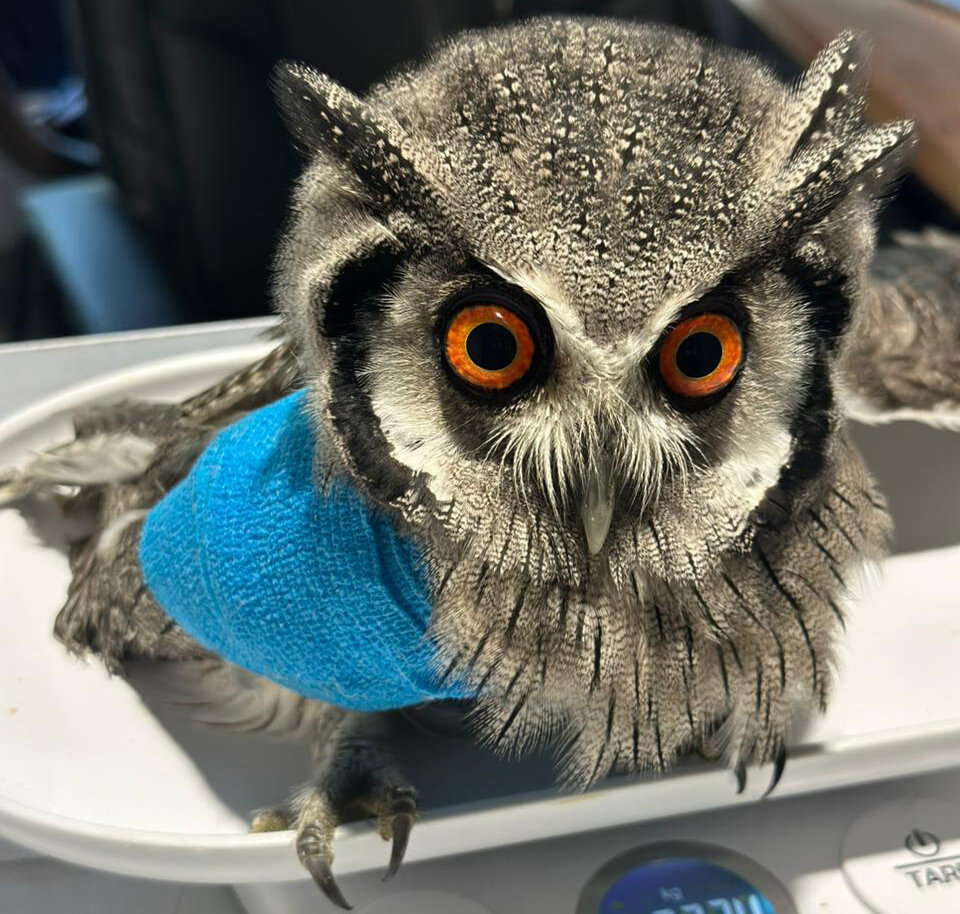
Rehabilitated Small Wildlife Release Enclosure

A microproject by PHALABORWA NATURAL HERITAGE FOUNDATION
Rehabilitated Small Wildlife Release Enclosure

Summary

Wildlife Rehabilitation Centers are constantly looking for suitable release sites for rehabilitated wildlife and we have access to a 1300 hectare reserve that will be perfect as a release site for small to medium wild animals, including carnivores like caracal, jackal, genet and civet as well as small antelope, porcupines, bushbabies and even owls. These animals will be housed temporarily in a soft release enclosure built with high quality materials so it can be used over a prolonged period.

$1,500
total goal
$1,500
remaining
0
donors
0
monthly donors
10
days

Challenge

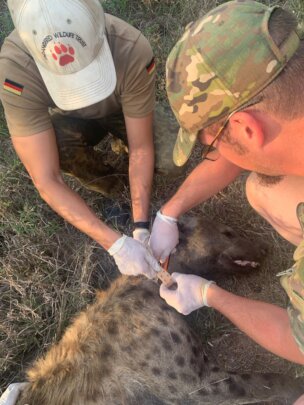
There are often a shortage in suitable release sites for rehabilitated wildlife. Wild animals are rehabilitated after being confiscated from humans or after suffering an injury, disease or being poisoned, they are supposed to then be released back into the wild, but this is not always as easy as it sounds as available release sites can get saturated and new areas need to be found. It is also not a good idea to just release animals into a new area before they become familiar with their new home.

Solution

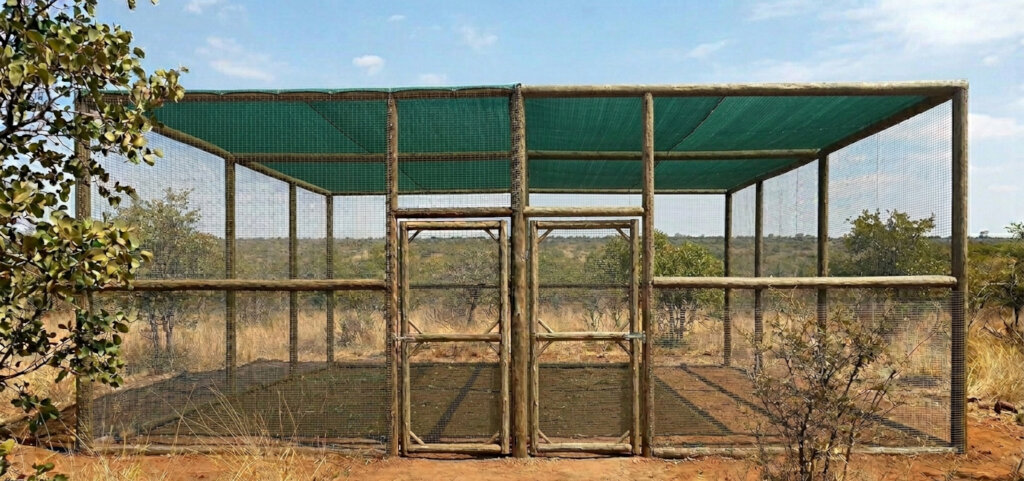
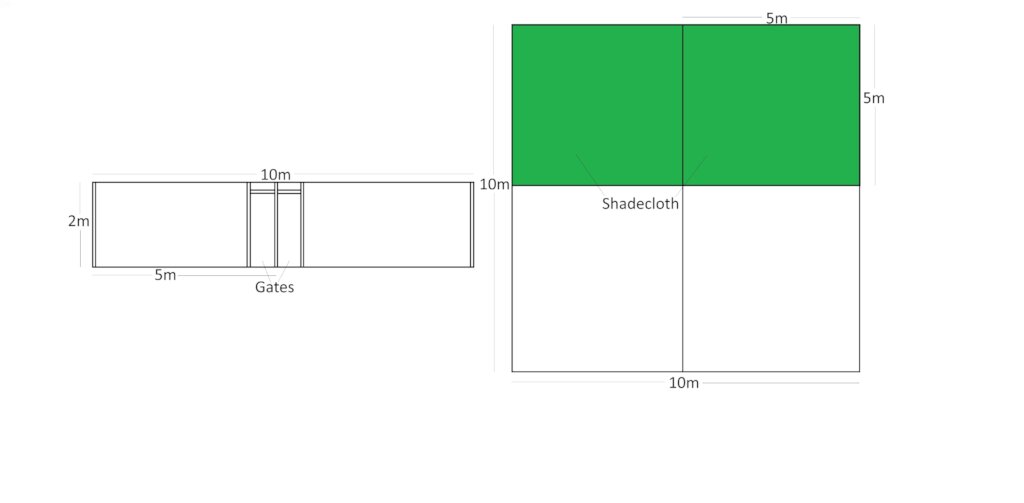
We have access to a 1300 hectares or 3200 acres reserve bordering the Kruger National Park, this area is suitable as a release site for small to medium wild animals that can settle in the area or eventually find their way into the Greater Kruger National Park. We want to build a soft release enclosure of 10 meters wide by 10 meters long and 2 meters high, divided down the center to create two enclosures. This enclosure will be used to house the animals for a short period of time before release.

Long-Term Impact

A new release site for small to medium wild animals like caracal, serval, jackal, civet, genet, honey badger, mongoose, hedgehog, porcupine, lesser bushbabies and small antelope. This will help introduce new genetics into areas with previously low numbers of individuals of these species. It will create new populations in areas where they were wiped out due to poaching or disease.

Resources

Organization Information

PHALABORWA NATURAL HERITAGE FOUNDATION

Location: Phalaborwa, Limpopo - South Africa
Facebook: Facebook Page
Project Leader:
Eugene Troskie
Phalaborwa , Limpopo South Africa
$0 raised of $1,500 goal
 
0 donations
80 days left
$1,500 to go
Enter donation amount (minimum $10)
$
Donate Now
lock
Donating through GlobalGiving is safe, secure, and easy with many payment options to choose from. View other ways to donate

PHALABORWA NATURAL HERITAGE FOUNDATION has earned this recognition on GlobalGiving:

Help raise money!

Support this important cause by creating a personalized fundraising page.

Start a Fundraiser
This microproject is connected to:
Microproject Disclaimer

Every microproject is intended to use the donations it receives in accordance with its stated description; however, it is important to provide project leaders with the flexibility to maximize the potential benefit from the donations they receive. This means that your donation may be used as a part of the main project that supports this microproject, specifically Rescuing Imperiled Wildlife in South Africa. In this event, the project leader is required to post an update to the microproject detailing the results and reasons behind this change.

If you or any other donor is unhappy with the way their funds have been used, he or she can reallocate their donation using the GlobalGiving guarantee.

Learn more about GlobalGiving

Teenage Science Students
Vetting +
Due Diligence

Snorkeler
Our
Impact

Woman Holding a Gift Card
Give
Gift Cards

Young Girl with a Bicycle
GlobalGiving
Guarantee

Get incredible stories, promotions, and matching offers in your inbox

WARNING: Javascript is currently disabled or is not available in your browser. GlobalGiving makes extensive use of Javascript and will not function properly with Javascript disabled. Please enable Javascript and refresh this page.