By Ugbede-Ojo Dominic Kadiri | Project Leader
Dear Donors,
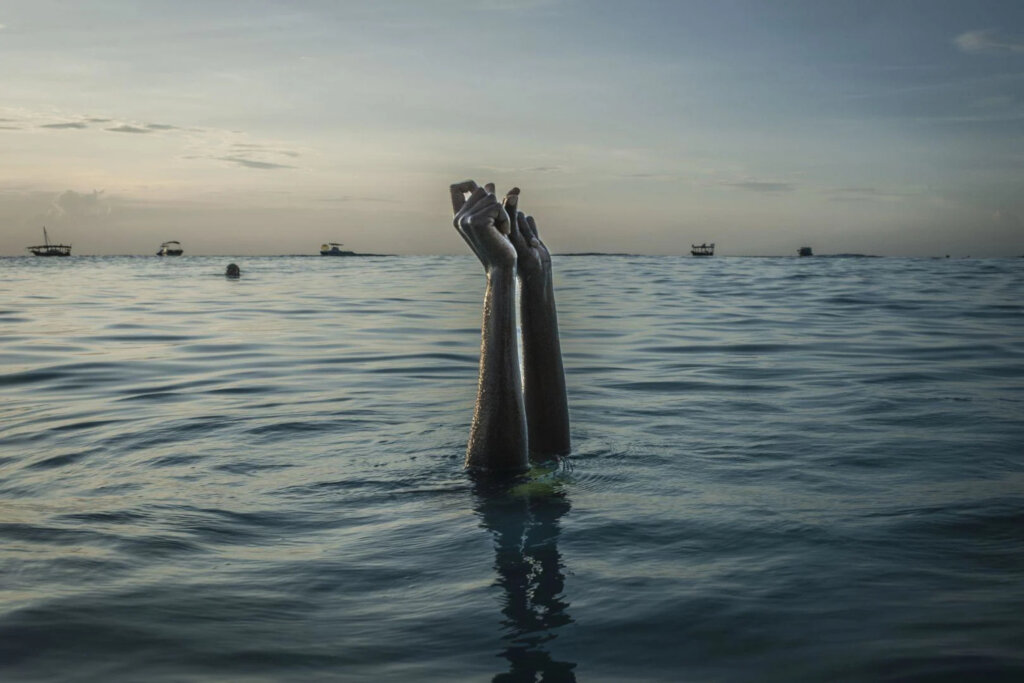
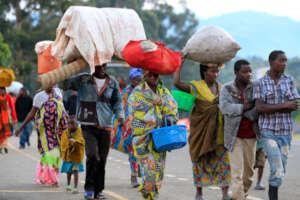
Imagine running from danger with your family and suddenly reaching a river.
Behind you is the place you are trying to escape. Ahead of you is water.
You cannot swim.
For a woman or girl caught in such a situation, the inability to swim can turn an escape to safety into another life-threatening emergency.
Conflict is not the only situation that can force families into dangerous water. Flooding has displaced families across northern Nigeria as well. In 2024, UNICEF documented the story of families in Jigawa State who were forced from their homes after floodwaters entered their communities. Some spent weeks living in an internally displaced persons camp.
This is why learning to swim is more than recreation for the women and girls we hope to train.
It is a survival skill.
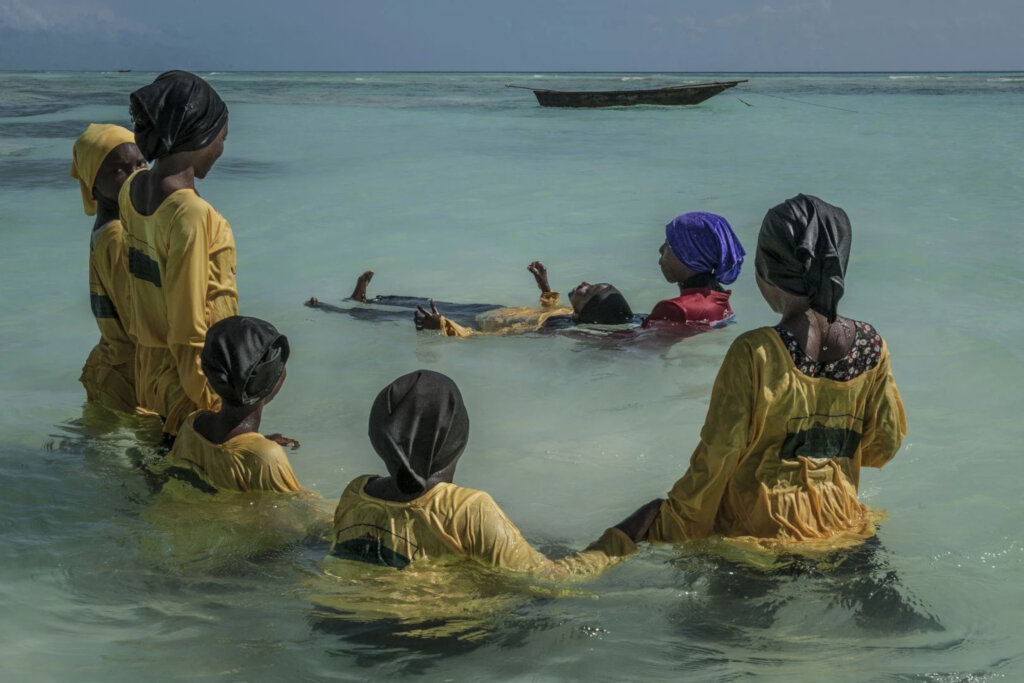
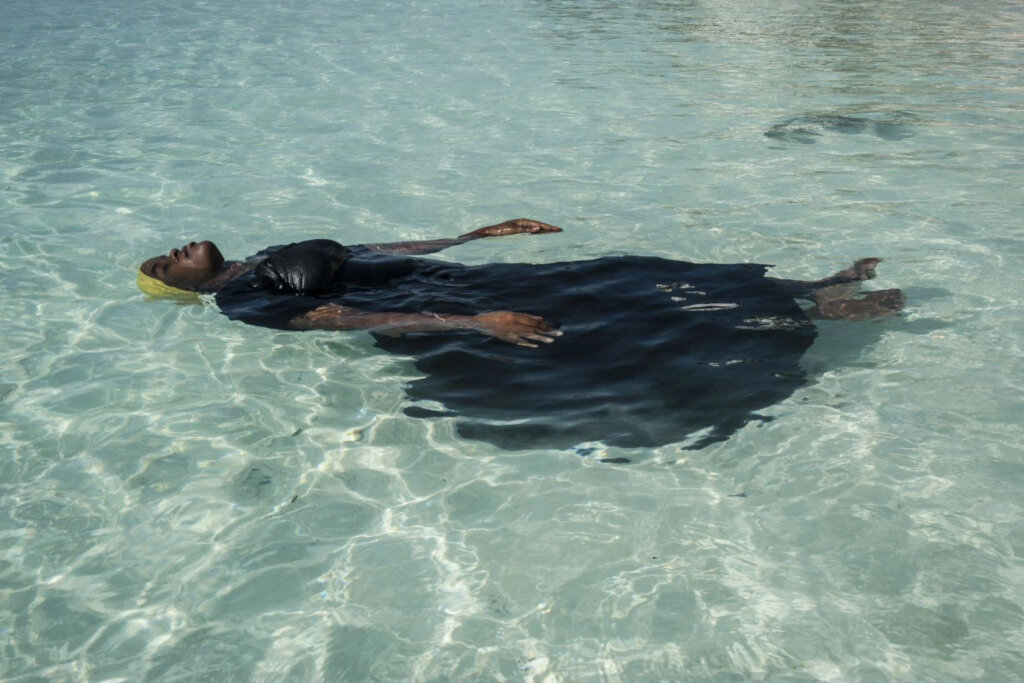
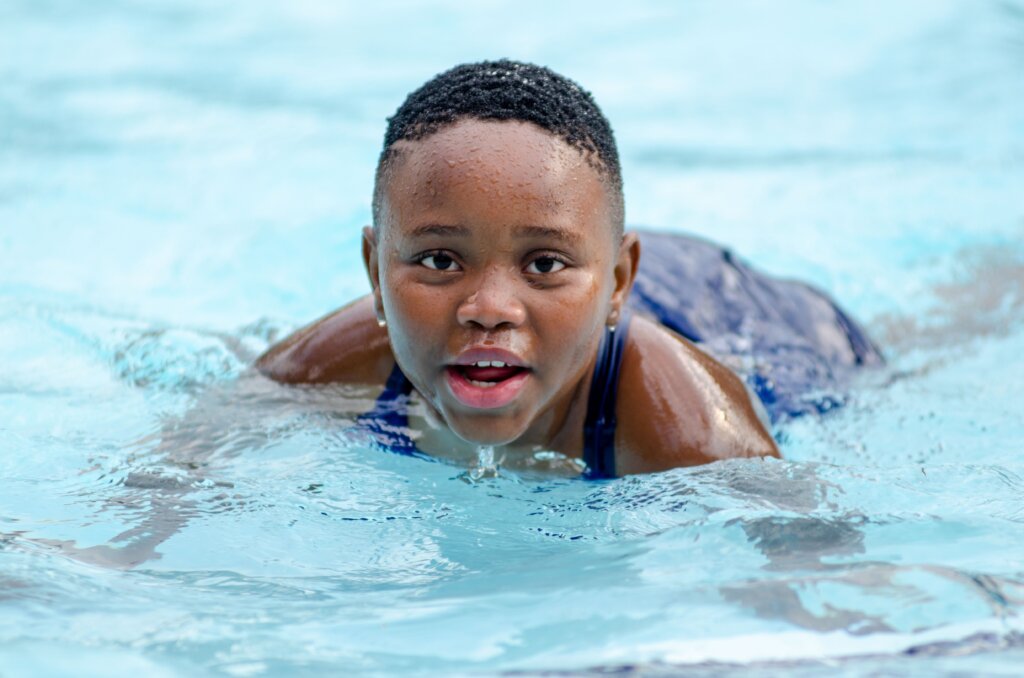
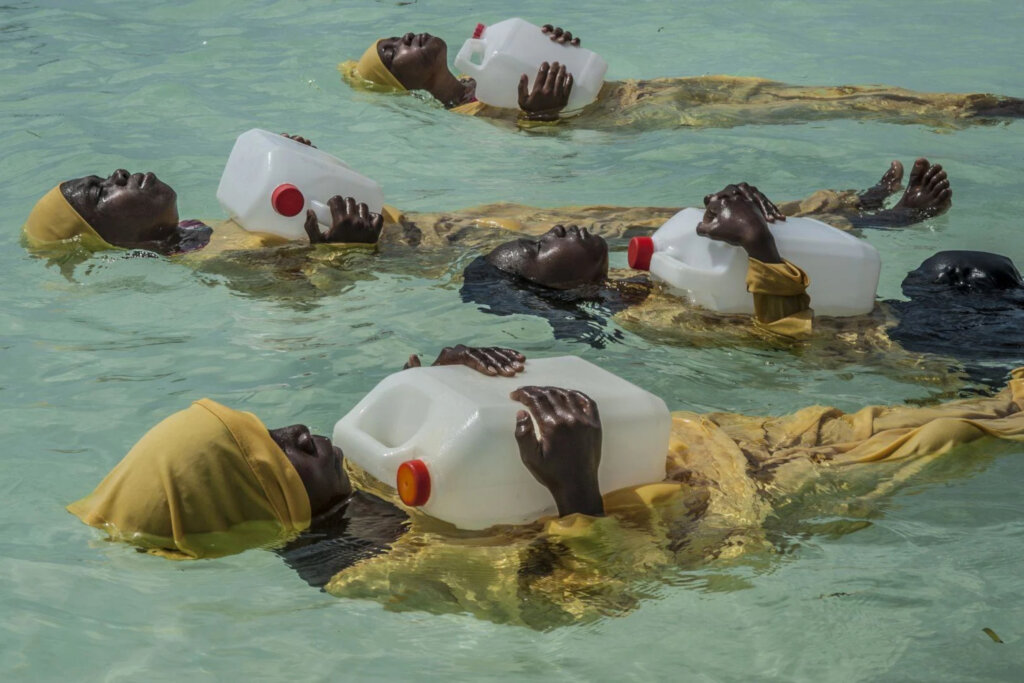
Through this project, selected displaced women and girls in Northern Nigeria will learn how to swim, float, control their breathing, move safely through water, and respond when they find themselves in danger.
They will also learn basic water rescue skills so that, during an emergency, they understand how to respond without putting themselves in greater danger.
The need for these skills extends far beyond one community. The World Health Organization estimates that around 300,000 people die from drowning each year, with 92% of drowning deaths occurring in low- and middle-income countries.
The situation in Africa deserves attention too. WHO found that the African Region has the world's highest drowning death rate, at 5.6 deaths per 100,000 people. Yet 55% of countries in the region provide no swimming and water-safety training through schools.
Our project cannot teach every woman to swim.
But we can begin with the women and girls we are able to reach.
We want a woman who enters the water to know how to keep herself afloat.
We want a girl who accidentally finds herself in deep water to remember what she was taught rather than panic.
And if another person is in trouble, we want participants to understand safe ways to respond.
To the donor who has already given toward making this training possible. Big, thank you!
We still need help to reach our funding goal.
If this project speaks to you, please share it with your family and friends. You can also start an individual fundraiser and invite others to help a woman or girl learn a skill that could one day save her life.
Sometimes the distance between danger and safety is a river. We want her to know how to cross it.
Thank you for caring.
With gratitude,
Ugbede-Ojo Dominic Kadiri
Project reports on GlobalGiving are posted directly to globalgiving.org by Project Leaders as they are completed, generally every 3-4 months. To protect the integrity of these documents, GlobalGiving does not alter them; therefore you may find some language or formatting issues.
If you donate to this project or have donated to this project, you can receive an email when this project posts a report. You can also subscribe for reports without donating.



Support this important cause by creating a personalized fundraising page.
Start a FundraiserEvery microproject is intended to use the donations it receives in accordance with its stated description; however, it is important to provide project leaders with the flexibility to maximize the potential benefit from the donations they receive. This means that your donation may be used as a part of the main project that supports this microproject, specifically Help Survivors of Christian Genocide in Jos/Benue. In this event, the project leader is required to post an update to the microproject detailing the results and reasons behind this change.
If you or any other donor is unhappy with the way their funds have been used, he or she can reallocate their donation using the GlobalGiving guarantee.