Back-to-back earthquakes in Venezuela have taken nearly 2,000 lives, with many injured or still trapped. Here’s everything you need to know about what happened in Venezuela and how you can help.
A magnitude 7.2 earthquake struck northern Venezuela on June 25, followed just 39 seconds later by a magnitude 7.5 aftershock. The back-to-back quakes shook much of the country and were felt across parts of the Caribbean. At least 1,900 people have been confirmed dead, more than 10,00 people injured, and approximately 200 people remain trapped as search-and-rescue operations continue.
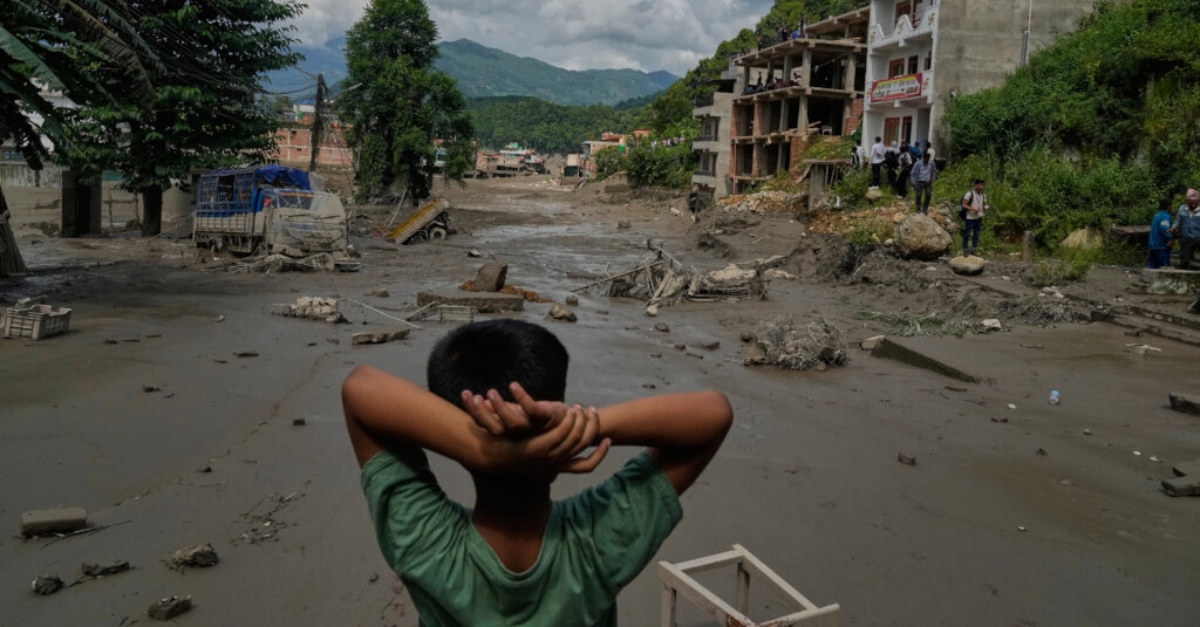
The earthquakes damaged communities across northern Venezuela, including areas near Caracas and the coastal state of La Guaira. At least 50,000 buildings have been damaged or destroyed, leaving many families without safe shelter.
Source: NPR News
Authorities and humanitarian organizations warn that the death toll is likely to rise as rescue teams reach remote and isolated communities. Many affected areas are located in mountainous regions or can only be accessed by boat, making assessments and emergency response difficult.
Search-and-rescue efforts have also been complicated by ongoing aftershocks, which continue to threaten damaged structures and place survivors and first responders at risk.
Source: Al Jazeera
Many residents fled their homes during the earthquakes and have been unable to return because of structural damage or fears of additional aftershocks. In heavily affected communities, families have spent nights in streets, public squares, and temporary shelters.
Local authorities are converting sports facilities and other public buildings into emergency shelters for people whose homes were damaged or destroyed. Humanitarian responders report that many people remain outside with limited access to basic necessities.
Source: MSF
Several affected areas remain without reliable electricity, mobile phone service, or internet access. Communication outages are making it harder for families to locate loved ones and for emergency responders to coordinate relief efforts.
Hospitals and health facilities are under pressure as they treat large numbers of injured survivors. In some communities, patients have been evacuated from damaged buildings while assessments continue.
Source: MSF
Before the disaster, millions of people in Venezuela already faced significant humanitarian needs driven by economic instability, displacement, and strained public services. Humanitarian organizations warn that the earthquakes could worsen living conditions for thousands of families who were already vulnerable.
Oxfam estimates that nearly 8 million people in Venezuela were in need of humanitarian assistance before the earthquakes. Recovery will require both immediate emergency support and long-term investments in rebuilding communities.
Source: Oxfam
Community-based organizations are often the first to respond after disasters and remain long after international attention fades. Local groups understand the needs, priorities, and challenges facing their communities and can deliver support more quickly and effectively.
GlobalGiving’s local nonprofit partners are helping people access emergency medical care, clean drinking water, food, and places to stay for those who lost their homes. In the months and years to follow, this fund will pivot to supporting local organizations through the long work of rebuilding homes, restoring livelihoods, and offering mental health care for the trauma caused by this devastating disaster.
Source: GlobalGiving Disaster Response Team
The needs of disaster-affected communities change rapidly. Cash donations allow trusted local organizations to purchase exactly what is needed, when it is needed, while also supporting local economies during recovery.
Flexible funding helps communities address immediate priorities such as shelter, food, water, medical care, and longer-term recovery efforts.
Source: GlobalGiving + USAID Center for International Disaster Information
As search-and-rescue efforts continue, families across Venezuela urgently need support—and recovery will take months, if not years. By giving to the GlobalGiving Venezuela Earthquake Relief Fund, you can help provide immediate assistance while also investing in long-term recovery.
The fund will direct grants to trusted nonprofit organizations responding to the crisis, helping provide emergency shelter, food, clean water, medical care, hygiene supplies, and other critical support. As communities begin to rebuild, funding will also help restore homes, livelihoods, and essential community services.
Your donation can help ensure that support reaches communities when they need it most—not only in the immediate aftermath of the earthquakes, but throughout the long road to recovery.
Source: GlobalGiving’s Venezuela Earthquake Relief Fund
Featured Photo: Emergency Response to Venezuela Earthquake by AP News
Find exactly what you're looking for in our Learn Library by searching for specific words or phrases related to the content you need.