This World Refugee Day, we reflect on what it means to be forced from home—and what it takes to build stability, belonging, and community again.
What does it take to rebuild a life after displacement? To create stability when everything familiar has been left behind? For millions of people around the world, these are not abstract questions, but daily realities.
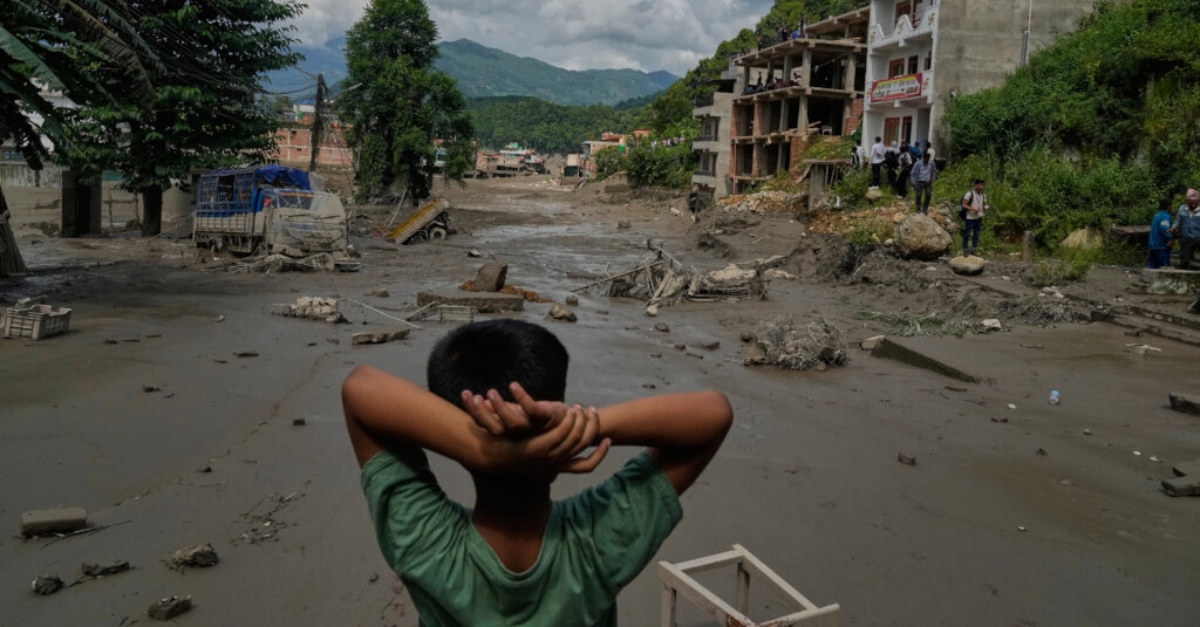
Today, more than 120 million people worldwide have been forced from their homes—leaving behind familiar neighborhoods, work and careers, school, and the places that once anchored their lives.
That’s 120 million people adapting to unfamiliar communities, disrupted livelihoods, overcrowded shelters, uncertain legal status, and the daily challenge of creating stability in the midst of upheaval.
And in 2026, this uncertainty has many layers.
War collides with disaster. Disease outbreaks compound displacement. Economic instability deepens humanitarian need. At the same time, significant reductions in international aid have left many local organizations struggling to meet growing demands with shrinking resources.
Yet even at this moment, many local leaders continue to show up. They welcome displaced families, help children return to school, create spaces of belonging, and support communities as they rebuild.
This World Refugee Day, we invite you to learn about a few of the community-led organizations responding to displacement around the world.
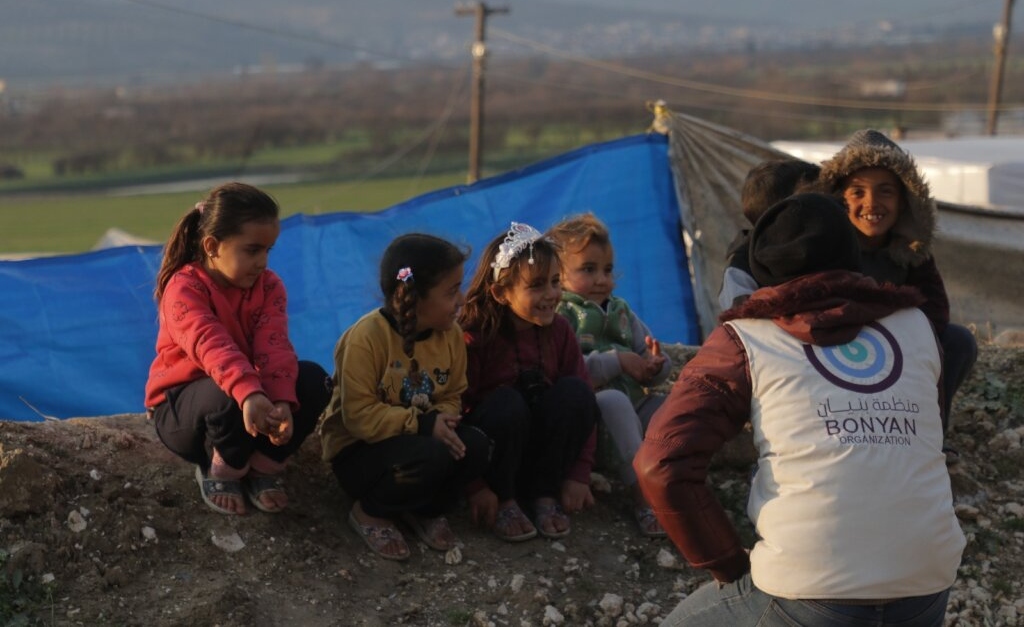
Across the Middle East, communities continue to face the consequences of war, displacement, economic instability, and disaster.
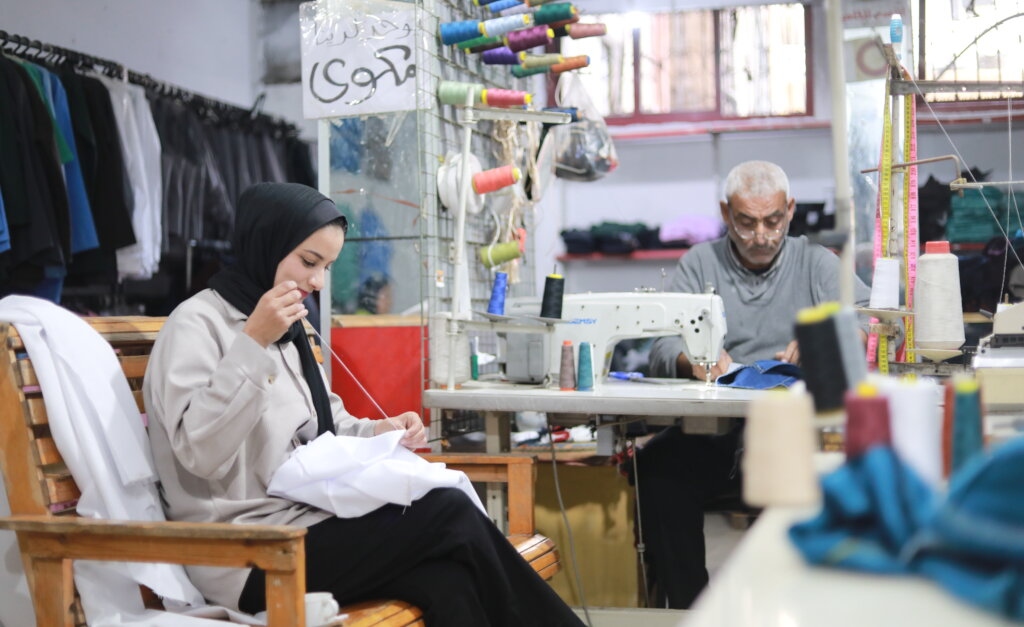
“In Gaza today, needs are not only immense, they are constantly shifting. This support comes at a critical moment, allowing us to respond where the need is most urgent, whether that means reaching a survivor of violence, supporting a traumatized child, or simply ensuring continuity of care in the midst of uncertainty. Flexible funding like this is not just support, it is what enables us to keep going, “ said a team member from AISHA Association for Women and Children Protection.
 .
.
In Lebanon, local organizations continue supporting displaced families and vulnerable communities amid ongoing conflict, economic hardship, and political instability.
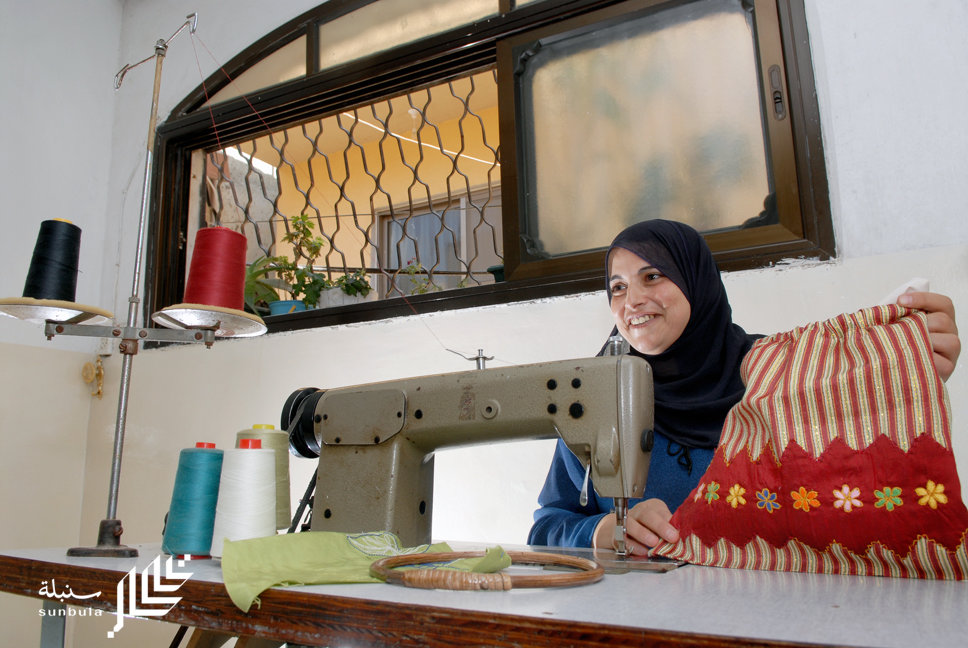
And in Syria, community organizations are helping families secure shelter, restore access to education and healthcare, and rebuild after years of conflict, political upheaval, and disaster.
Some of the world’s largest displacement crises receive only a fraction of the attention—and funding—they deserve.
Millions of people in Sudan have been forced from their homes as conflict, hunger, and the breakdown of essential services fuel one of the world’s largest displacement crises.
Throughout this crisis, grassroots Emergency Response Rooms—volunteer-led community networks—organize food distribution, medical support, and emergency services in places where formal systems have broken down.
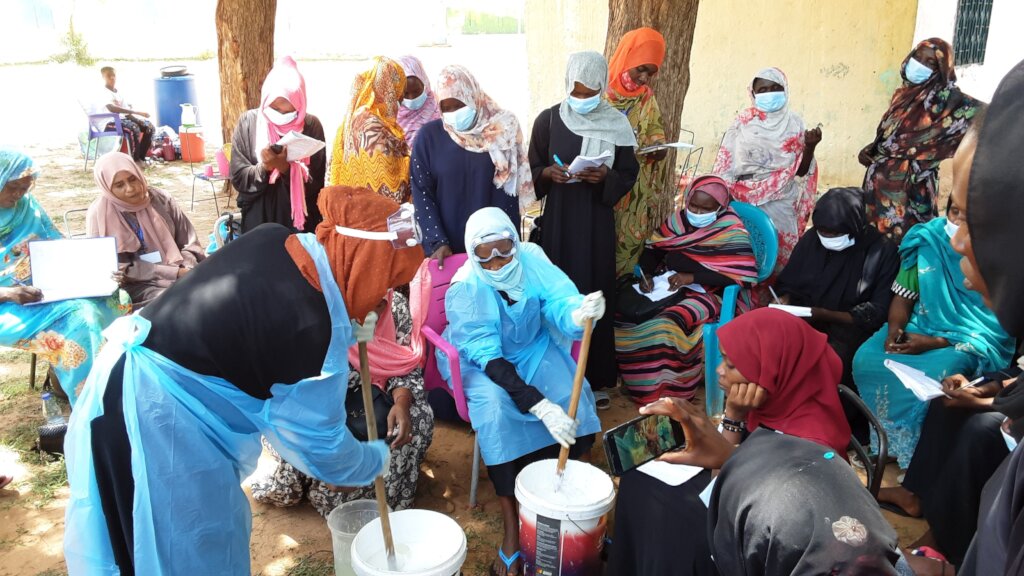
“Many feel forgotten by the world. We, too, have carried grief, helplessness, and sleepless nights as we try to respond, comfort, and advocate while witnessing this catastrophe…. In this darkness, your emergency grant is more than financial support – it is a lifeline. Your solidarity gives us strength to keep going, even as our hearts are breaking.”
— Darfur Women Network
In the Democratic Republic of the Congo, people continue to navigate decades of conflict, displacement, and recurring disease outbreaks. As Ebola once again threatens communities in the region, local organizations are providing health education, preventative services, outreach, and emergency support.
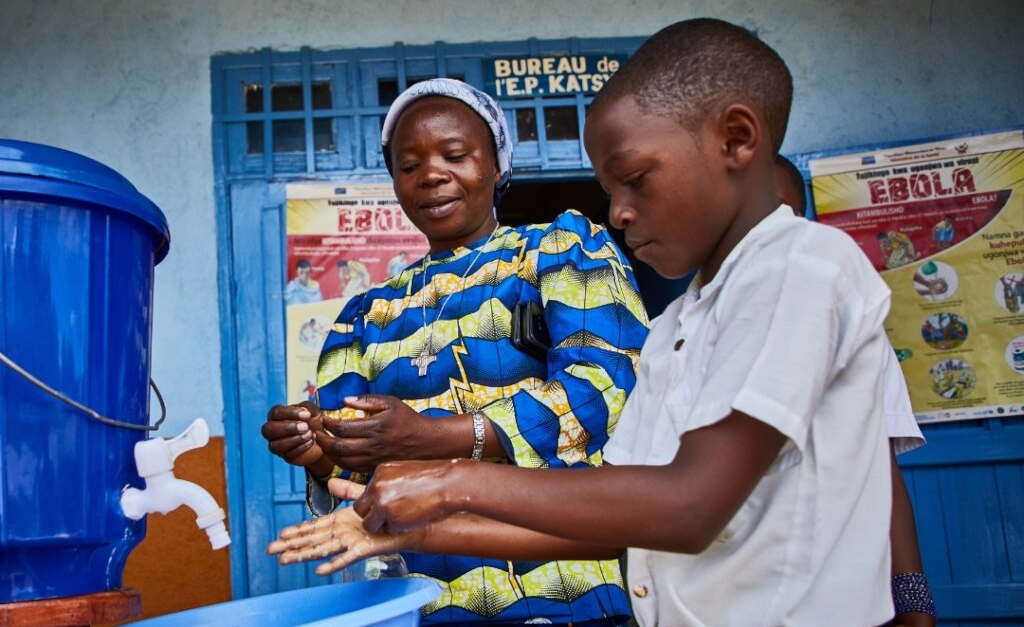
“It may be difficult for us to capture all the positive things through this support but maybe we could ask ourselves, how could the situation look like now if we were not there?”
– Collective of Youth Organizations for Solidarity in DRC
These organizations reflect a simple reality: In moments of displacement, care doesn’t arrive once and resolve everything—it continues over time, carried by local leaders who stay close to communities in need.
Humanitarian response is not a straight line from crisis to solution—and it’s incomplete without local leadership.
When resources are limited and trust in large institutions is low, the work moves through local organizations that stay present over time, responding as needs evolve and crises overlap.
And yet, to step truthfully into that hope requires us to look with clear eyes at what is happening.
It is impossible to look at the world honestly today without acknowledging the scale of suffering.
This is a complicated moment: A time of polycrisis affecting millions whose stories may not hold a headline for long—but they do hold something else very important: a different story.
They remind us that there’s always another story unfolding at the same time. They show us what courage looks like in practice.
They keep clinics open in war zones, prepare nourishing meals during famines from almost nothing, and track down warm places to stay for the family whose home just became rubble.
They create possibilities where others see only devastation.
In a time of so many displacement crises, their work makes hope feel like a word that still holds meaning.
A gift to the Hope in Crisis Fund helps support community-led organizations serving refugees, displaced people, and crisis-affected families in Sudan, the Democratic Republic of the Congo, Lebanon, Gaza, Syria, and many other communities facing urgent humanitarian needs.
The challenges are immense—but so is the determination of the people responding to them.
Together, we can help ensure that people forced from their homes are not forgotten—and that local organizations have the resources they need to continue turning hope into action.
Explore projects supporting refugees this World Refugee Day.
Empower Artisans in Palestine through Fair Trade by Atfaluna Crafts Gaza & Sunbula OrganizationFind exactly what you're looking for in our Learn Library by searching for specific words or phrases related to the content you need.