Community-led conservation protects the environment while supporting the people who live there. Inspired by our partners, these tips help nonprofits center community and culture to build lasting, local change.
Before we dive into the tips, let’s consider a quick real-world scenario:
Consider two projects: one aims to plant 50,000 trees, the other 5,000. Which would you choose?
At first glance, planting 50,000 trees might seem more impactful. Planting trees helps improve air quality, provide wildlife habitat, grow food, and more.
But is more always better?
What if all 50,000 trees are the same non-native species that require large amounts of water? Planting them could strain local water supplies and disrupt Native ecosystems—causing a ripple of effects, including making it harder for communities to grow food and sustain themselves.
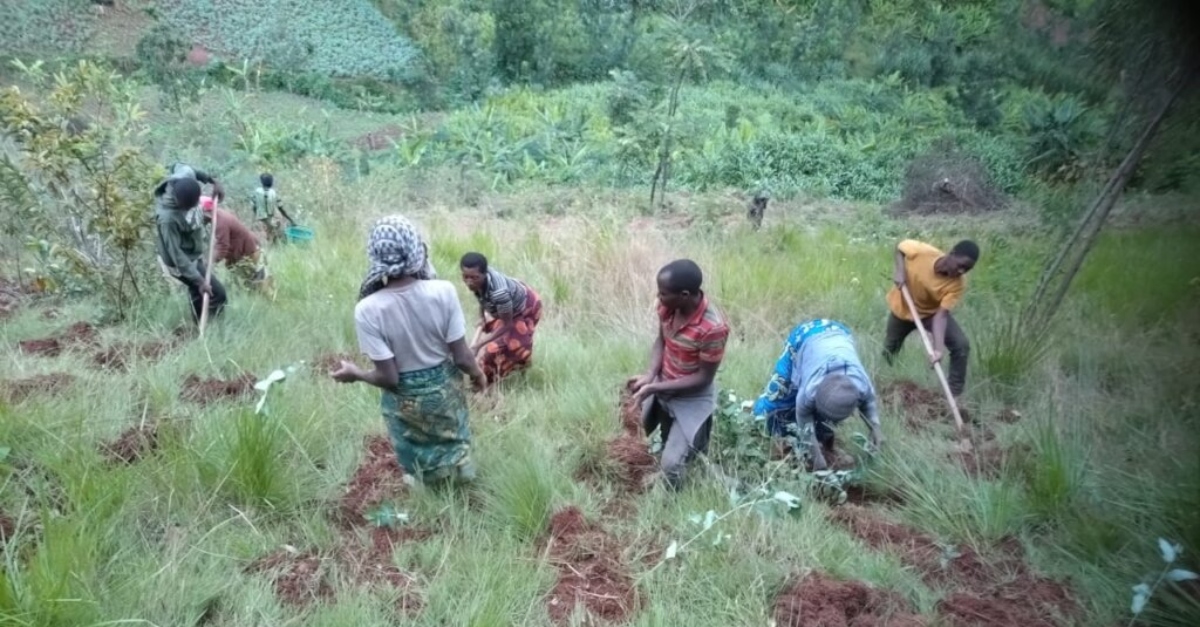
The second project proposes planting 5,000 trees (which is still a ton of trees!) and was suggested by community members themselves. They recognize the need to plant a diverse mix of trees that can produce food for local markets, restore biodiversity with cultural significance, and stabilize a nearby mountain slope to prevent dangerous landslides.
The project plan embodies community-ledness (an approach we believe deeply in at GlobalGiving). In fact, community-led conservation is a great way to integrate environmental justice and climate justice into nonprofit projects.
Here are six tips for supporting environmental and climate justice principles through community-led conservation projects:
This kind of conservation begins with the people who live closest to the land—those whose lives are most intertwined with its health. Instead of centering external funders or distant stakeholders, community-led conservation puts the local voices front and center. Whether it’s your own neighborhood or a nearby ecosystem, these neighbors are the heart of your project’s success.
To identify your true community stakeholders The Earth Trust urges a deep understanding of every individual your project touches. Their nonprofit empowers families to sustainably farm their land by carefully considering the diverse needs of all affected people.
This means asking tough, essential questions like:
“How does our project impact local residents, tribal governments, Indigenous communities, farmers, suppliers, local businesses, governments, and other nonprofits?”
You can ask this question to determine your community stakeholders, too.
High-quality feedback loops allow for two-way communication between your nonprofit and the community you work with. They ensure accountability and build trust.
Yet, communities only get the chance to provide feedback on
project success and sustainability 1% of the time.
Even if your environmental project is run by community members, it’s vital to continually listen to a wide spectrum of local voices—because neighbors’ needs and perspectives evolve and differ. This brings us to our next point:
Make sure your feedback loops aren’t an afterthought by building them into the project design process. When feedback loops are only implemented after a project has begun, community members who have reservations from the start never get the chance to voice their concerns or offer helpful advice. And you may miss the opportunity to make a simple tweak to your project that would significantly benefit the community!
A great way to build a community-led conservation project is by creating opportunities for local community members to participate as equitably paid staff members or consultants. OISCA International, for example, paid survivors of the 2011 Tohoku earthquake and tsunami to help replant a coastal forest while also offering them a support system and sense of community.
If your organization is led by people who are not from the host community, compensating community members for their time and expertise can help to build trust. Building trust is always important, but for conservation projects working in areas where Indigenous people live, it’s crucial.
To truly champion environmental justice and climate justice, we must be aware of the immense pain and damage caused by the conservation movement. A long history of displacing Indigenous peoples from their traditional lands, sometimes without compensation for the loss of land and resources, has been a point of conflict between local populations and environmental groups for years. Whether it’s organizations, governments, or corporations leading these efforts, this environmental legacy continues to create a toxic relationship between conservationists and local communities.
But Indigenous communities’ unique relationship with their land
positions them as the best defenders and advocates of our natural world.
More environmentalists are realizing that reality and working with Indigenous communities, rather than against them, to achieve shared goals.
There are countless environmental coalitions that bring individuals and organizations together in efforts to stop the endless destruction of the environment and make the necessary shifts for a more just world.
Coalitions come in many different shapes and sizes. You could team up with regional environmental nonprofits working in your area, or align based on shared values. Or maybe you want a more global network focused on a thematic area, like organic farming. Whatever your nonprofit is looking for, connecting with other organizations pursuing similar goals can help you learn about new approaches, share resources, and make an even greater impact.
Find exactly what you're looking for in our Learn Library by searching for specific words or phrases related to the content you need.