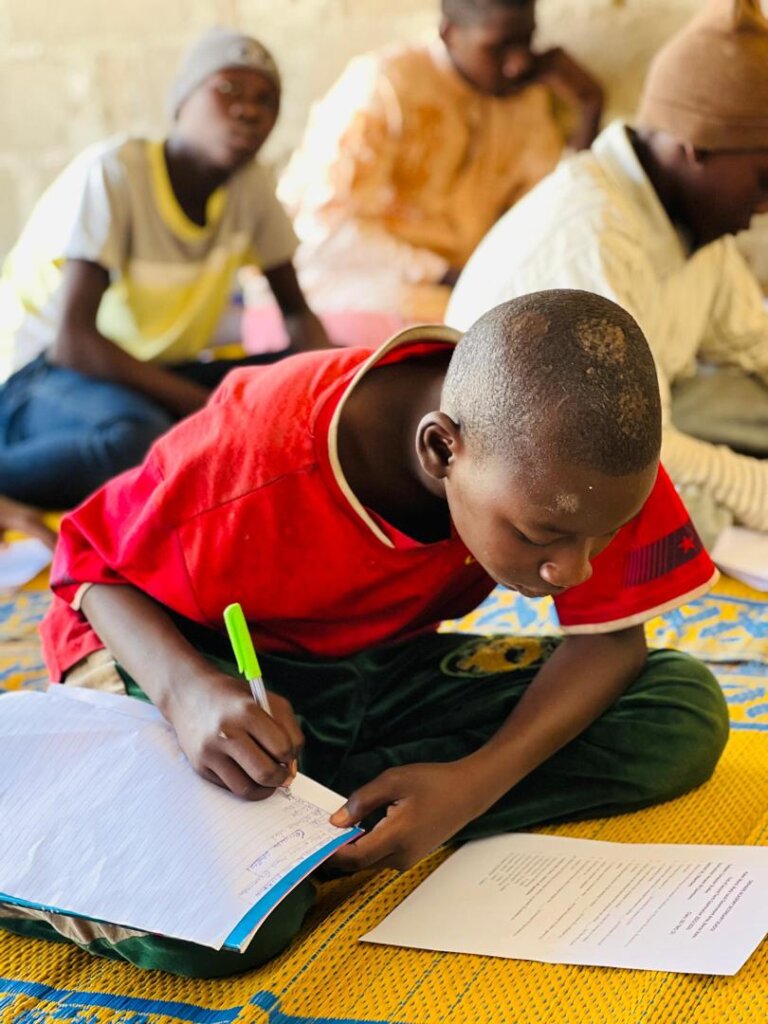
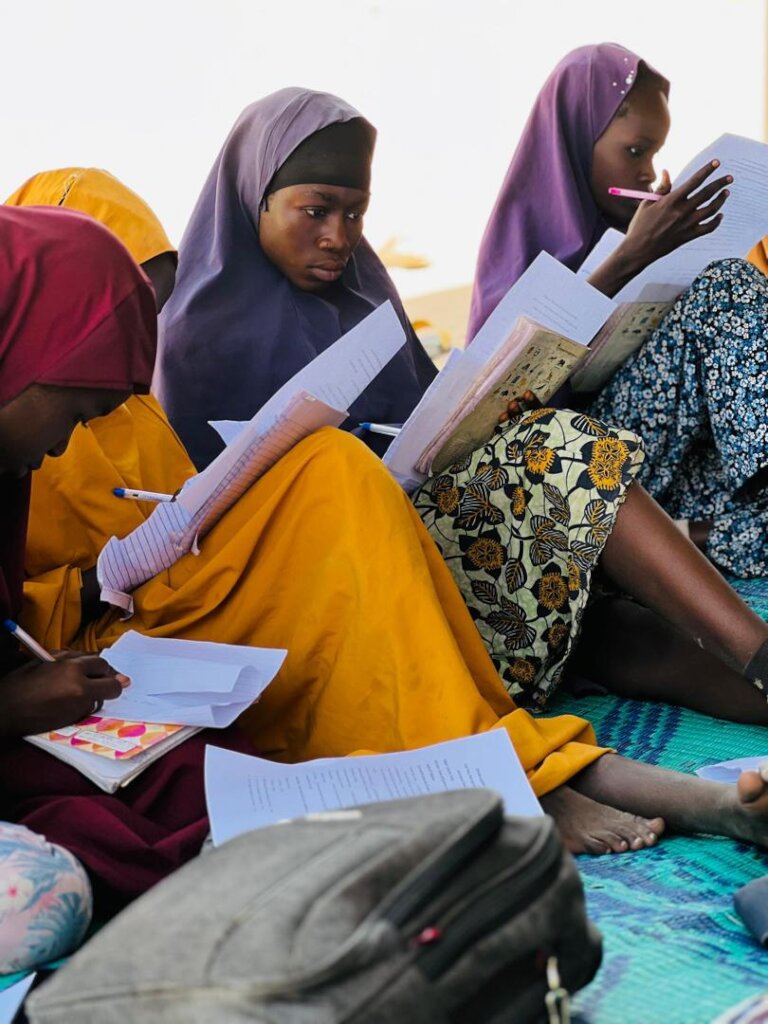
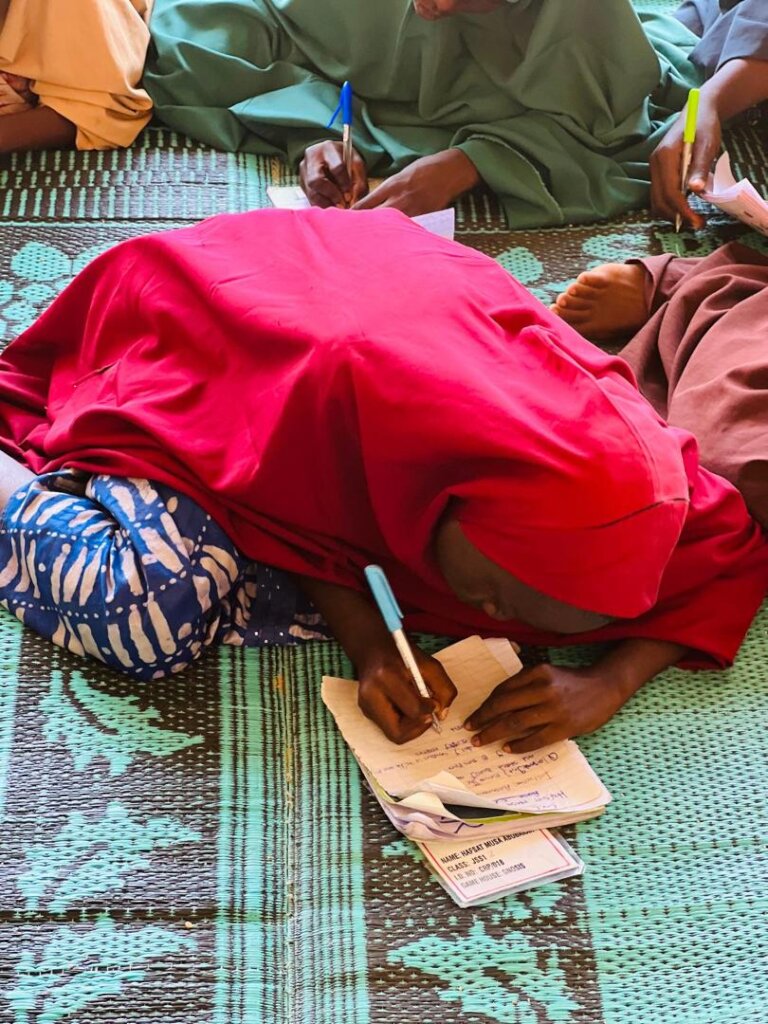
Feed for Life Foundation (FFL) exists to give orphaned and conflict-displaced children in Northeast Nigeria a real chance at a future, by combining free, government-accredited education with consistent, nutritious meals. We believe no child should have to choose between learning and eating, and that every child deserves a safe place to grow, regardless of what conflict has taken from them. We operate Orphan Academy in Mairi-Kuwait, Maiduguri, Borno State - 835 children in primary school, 120 in a newly launched secondary section, supported by 60 staff drawn entirely from the local community. Why this work exists - Borno State sits at the epicentre of a conflict now in its second decade. Acr... read more Feed for Life Foundation (FFL) exists to give orphaned and conflict-displaced children in Northeast Nigeria a real chance at a future, by combining free, government-accredited education with consistent, nutritious meals. We believe no child should have to choose between learning and eating, and that every child deserves a safe place to grow, regardless of what conflict has taken from them. We operate Orphan Academy in Mairi-Kuwait, Maiduguri, Borno State - 835 children in primary school, 120 in a newly launched secondary section, supported by 60 staff drawn entirely from the local community. Why this work exists - Borno State sits at the epicentre of a conflict now in its second decade. Across Borno, Adamawa, and Yobe states, roughly 2 million children remain out of school, and more than half of displaced children don't attend school at all. Fewer than a third of schools in the region have teachers meeting minimum qualification standards. These aren't abstract figures to us - they describe the children who arrive at our gates: children who have lost parents, been displaced more than once, or never had a classroom at all. Our founding - FFL was registered with Nigeria's Corporate Affairs Commission in 2018, built around a simple observation: children in displacement-affected Mairi-Kuwait were being asked to learn while hungry and unsupported, with no accessible school built for their specific circumstances. Orphan Academy grew from that gap into a Federal Ministry of Education-accredited primary school of 835 children. Once our first cohorts began finishing primary school with nowhere to continue, we launched a secondary section in 2025/2026 - currently 120 students, learning in temporary conditions while we work to build permanent secondary infrastructure. Girls' education is a named priority, not a side effect. In this region, girls are disproportionately likely to have their education interrupted by economic pressure, safety concerns, or early marriage and once a girl drops out, she rarely returns. 56.4% of our primary pupils (471 of 835) and 75% of our current secondary cohort are girls. We treat sustaining and growing that balance as a deliberate institutional commitment as we expand, not an incidental outcome of general growth. How we operate. Every one of our 60 staff is hired from the community we serve - it keeps resources local, keeps our understanding of context current, and builds institutional knowledge instead of dependency on rotating outside staff. We hold ourselves to a high transparency standard for an organisation our size: independently audited annual financial statements (FY2025 confirmed income: ₦140,469,655), and structured completion reporting for every major programme and donor relationship. A Director of Operations based in Maiduguri manages day-to-day delivery, while our founder — based in the UK — leads strategy, donor relationships, and institutional growth. Where we sit in the sector. FFL is a confirmed member of the Education in Emergencies Working Group (EiEWG) Nigeria, giving us direct access to sector-wide best practice and peer coordination for education programming in conflict-affected areas. We have a growing base of institutional support, including confirmed corporate sponsorship, an active European fundraising partnership, and a live pipeline of relationships with international foundations and humanitarian agencies — each of which has required us to meet external due diligence and reporting standards that have, in turn, strengthened our own systems. Where we're going. Our most urgent priority is our secondary school capacity gap: 120 students currently learning on the floor, without desks or books, while 835 primary pupils move steadily toward needing somewhere to continue. We are working to build a permanent 15-classroom secondary building — fully furnished, with clean water and learning materials — expanding capacity from 120 to at least 1,000 students. Alongside this, we're developing TaRL Borno, a social enterprise bringing the internationally validated "Teaching at the Right Level" remedial methodology to conflict-displaced communities in Mairi-Kuwait that currently have no access to it. In one sentence: every child who arrives at Orphan Academy having lost almost everything to conflict should find, in its place, a school that feeds them, teaches them to a genuine national standard, and treats them with the dignity and belief in their future that every child deserves.

Each of GlobalGiving’s nonprofit partners is required to send quarterly donor reports detailing the impact of their work. Here are some of their recent updates:



