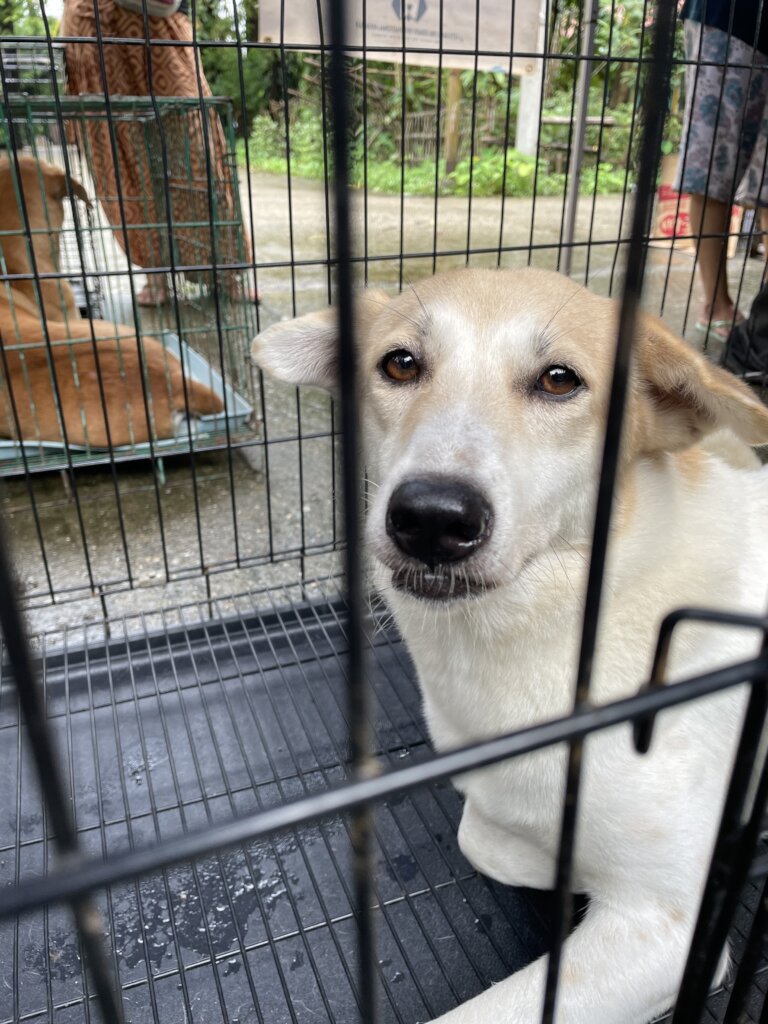
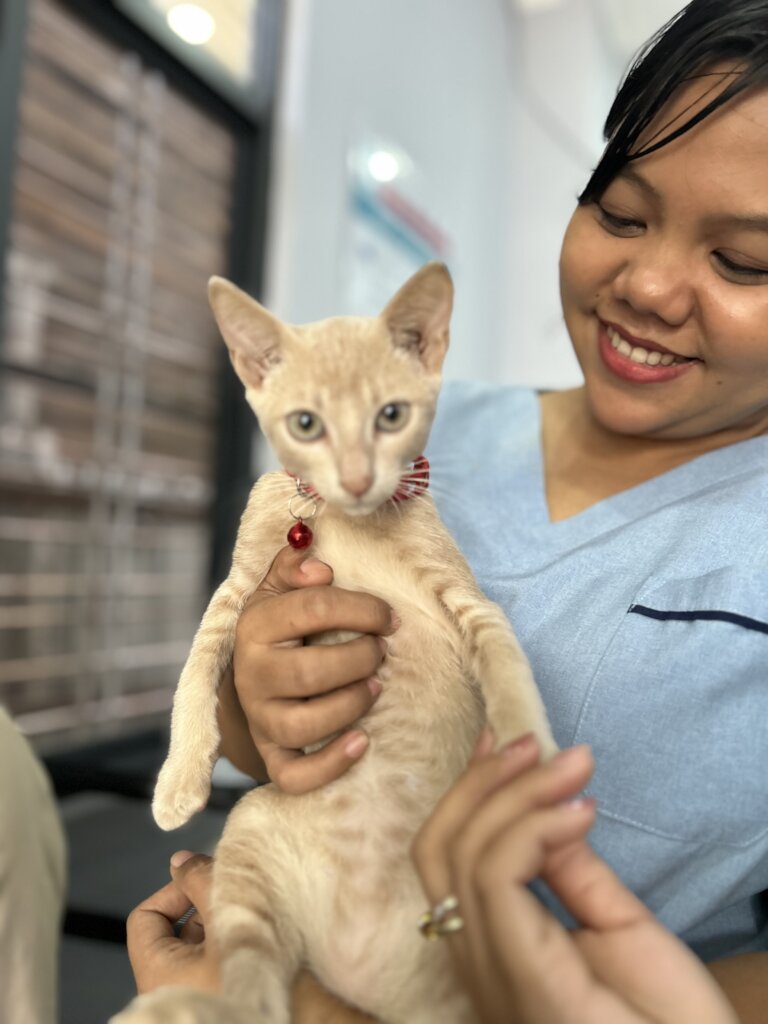
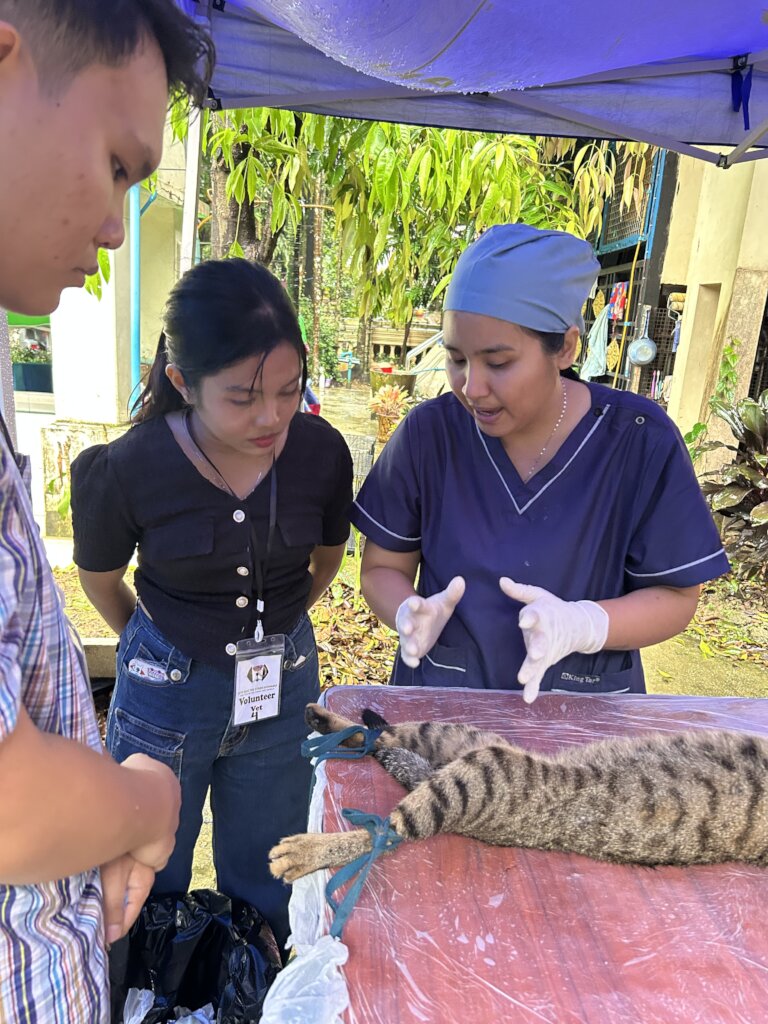
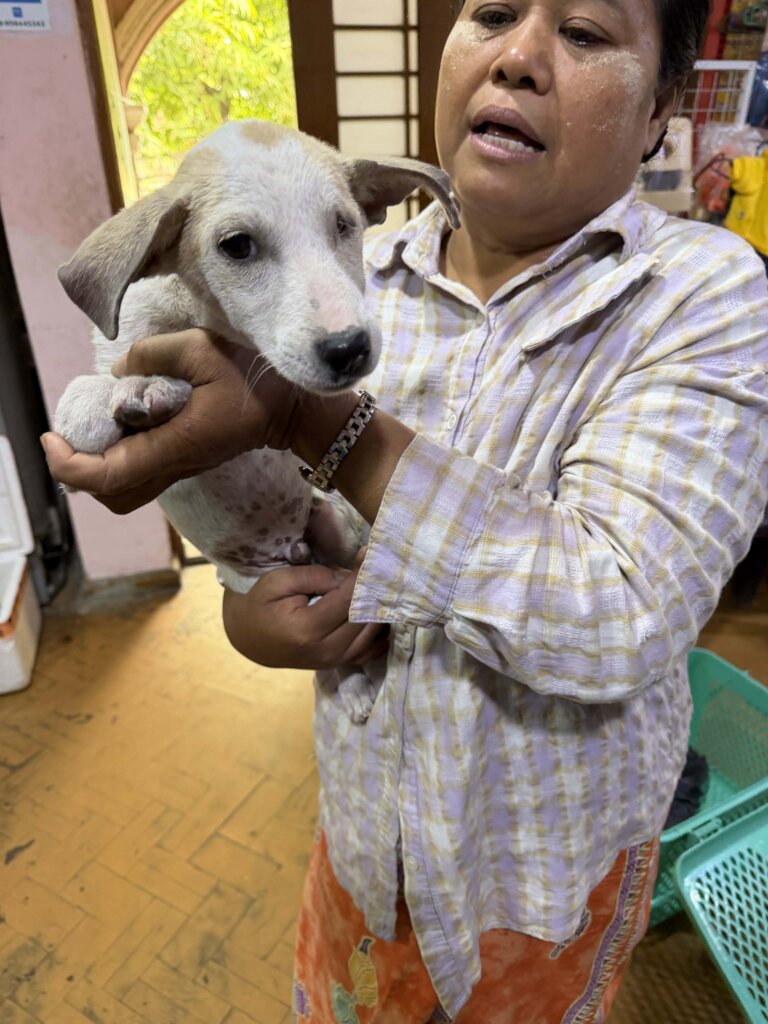
Let's Save The Strays International (LSTSI) is dedicated to creating healthier dogs, fewer strays, and safer communities through humane, sustainable solutions for free-roaming animal populations. Founded in 2018, LSTSI was established to address the urgent need for animal welfare services in Myanmar, one of the most underserved countries in the world for free-roaming dogs and cats. Millions of dogs live alongside people in cities, towns, villages, monasteries, schools, hospitals, and marketplaces, yet access to veterinary care remains extremely limited. For many animals, even basic services such as rabies vaccination, sterilization surgery, or treatment for preventable illnesses are sim... read more Let's Save The Strays International (LSTSI) is dedicated to creating healthier dogs, fewer strays, and safer communities through humane, sustainable solutions for free-roaming animal populations. Founded in 2018, LSTSI was established to address the urgent need for animal welfare services in Myanmar, one of the most underserved countries in the world for free-roaming dogs and cats. Millions of dogs live alongside people in cities, towns, villages, monasteries, schools, hospitals, and marketplaces, yet access to veterinary care remains extremely limited. For many animals, even basic services such as rabies vaccination, sterilization surgery, or treatment for preventable illnesses are simply unavailable. We believe that every animal deserves the opportunity to live a healthy life free from unnecessary suffering. We also believe that communities deserve humane, effective solutions to the challenges associated with free-roaming animal populations. Rather than viewing animal welfare and human welfare as separate issues, we recognize that they are deeply connected. Our mission is to improve the lives of free-roaming dogs and cats through high-volume Trap-Neuter-Vaccinate-Return (TNVR), veterinary care, education, and community engagement. Through these efforts, we work to reduce animal suffering, prevent disease, improve public health, and strengthen the bond between people and the animals that share their communities. At the heart of our mission is the belief that humane population management works. For decades, many communities around the world have relied on poisoning, culling, and other lethal methods in an attempt to reduce the number of free-roaming dogs. These approaches are not only inhumane, but they fail to create lasting change. New animals move into vacant territories, populations quickly rebound, and the underlying causes of overpopulation remain unaddressed. TNVR offers a different path. By sterilizing and vaccinating free-roaming dogs and cats and returning them to their territories, populations gradually decline over time while animals become healthier and more stable. Communities see fewer unwanted puppies and kittens, reduced nuisance behaviors, improved animal welfare, and lower risks associated with rabies and other diseases. This approach benefits animals and people alike. A defining principle of LSTSI is local leadership. While many international organizations rely heavily on outside personnel, our programs are designed, implemented, and led by Myanmar veterinarians, veterinary students, project managers, Community Animal Guardians, and volunteers. These individuals understand the needs of their communities, know the challenges they face, and are committed to creating lasting change from within. We believe sustainable progress occurs when local people are empowered with the skills, resources, and opportunities to lead solutions themselves. By investing in local leadership, veterinary education, and community engagement, we are helping build a stronger future for animal welfare in Myanmar. Another core principle of our work is community involvement. Lasting change cannot be achieved by veterinarians alone. Our network of Community Animal Guardians, the street feeders and caretakers who provide daily care for free-roaming dogs and cats, serves as the foundation of our programs. These individuals monitor animal populations, identify animals in need of care, bring them to our projects, oversee recovery after surgery, and advocate for humane treatment within their neighborhoods. We view these Community Animal Guardians as partners in creating healthier communities. Their dedication demonstrates that compassion for animals already exists within the communities we serve. Our role is to provide the tools, training, and veterinary services needed to transform that compassion into measurable impact. Education is equally important to our mission. Through school-based programs, we teach children about rabies prevention, dog bite avoidance, animal welfare, and responsible interactions with animals. We believe that children who learn empathy, respect, and safe behavior around animals become adults who contribute to healthier and safer communities. At the same time, we provide practical training and mentorship opportunities for veterinary students and volunteer veterinarians. By helping develop the next generation of animal welfare professionals, we are creating long-term capacity that will continue benefiting animals for years to come. Our mission is grounded in the principles of One Health, the recognition that animal health, human health, and environmental health are interconnected. Healthier animal populations contribute to healthier communities. Rabies prevention protects both people and animals. Humane population management reduces conflict and improves coexistence. Education creates informed and compassionate communities capable of sustaining change. Since our founding, LSTSI has provided care to nearly 40,000 dogs and cats throughout Myanmar and has grown into the country's largest locally run and led TNVR program. Yet our mission is about far more than numbers. Every dog vaccinated against rabies helps protect a community. Every sterilization surgery helps prevent future suffering. Every child educated about animal welfare gains knowledge that can last a lifetime. Every veterinary student trained strengthens the future of animal care in Myanmar. Every Community Animal Guardian supported becomes a champion for humane solutions within their neighborhood. We envision a future where free-roaming dogs and cats are healthier and better protected, where humane animal population management replaces ineffective and inhumane practices such as poisoning and culling, where communities have the knowledge and resources to coexist safely with animals, and where local leaders continue building a stronger and more compassionate future for both animals and people. Our goal is simple but ambitious: to create lasting, measurable improvements in animal welfare while strengthening the communities that care for these animals every day. Healthier Dogs. Fewer Strays. Safer Communities.

Each of GlobalGiving’s nonprofit partners is required to send quarterly donor reports detailing the impact of their work. Here are some of their recent updates:



