Beirut Explosions Relief: What's Happening and How to Help
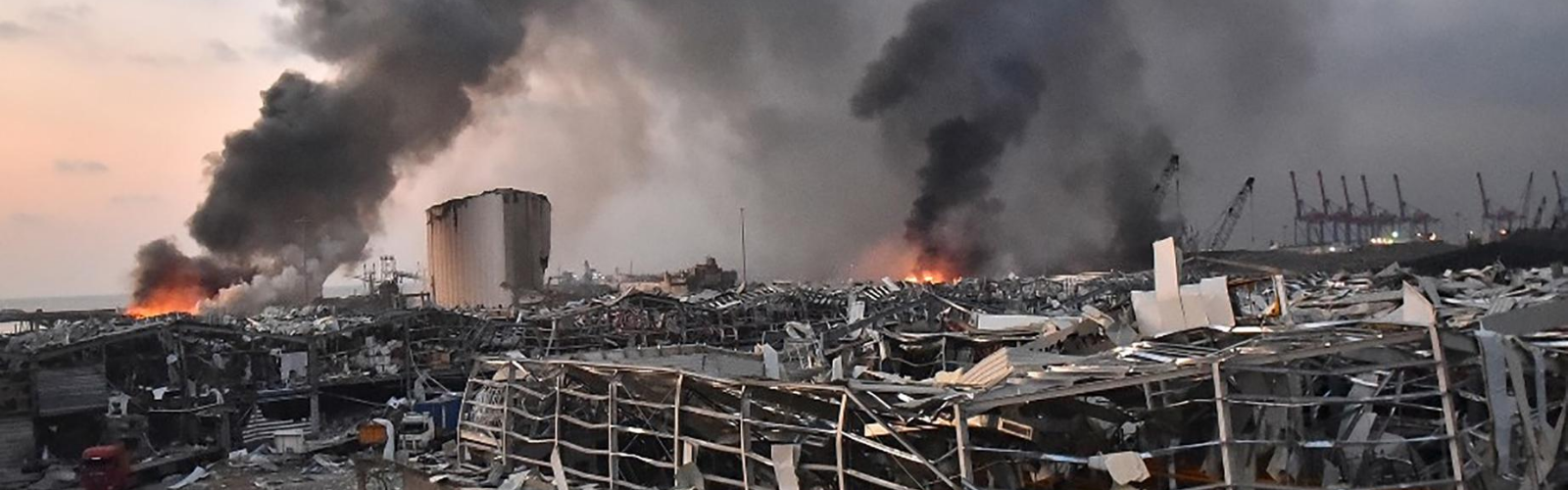
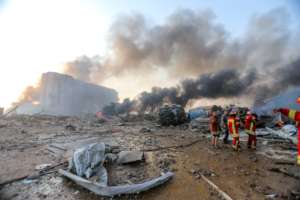
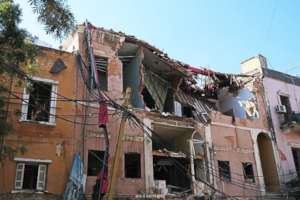
Two huge explosions on Tuesday, August 4, 2020 killed at least 170 people and injured more than 6,000 in Beirut, Lebanon.
The Lebanese government has declared a two-week state of emergency. Rescuers continue to search for survivors, and hospitals—some damaged in the blasts—struggle to help the injured. Officials blamed the blasts on a build-up of a fertilizer chemical inside a warehouse in the capital.
Local GlobalGiving partners in Lebanon are responding to the emergency, providing medical supplies for the wounded, giving food to displaced families, and repairing damaged buildings.
Please make a donation to one of the vetted, community-led projects below to help survivors of the Beirut explosions:
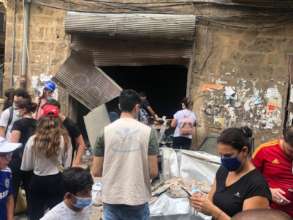
On Tuesday August 4, two explosions took place in a warehouse in the port of Beirut, causing death, injury, and destruction of homes. Many are seeking emergency support. Through our community-led approach, our teams are responding immediately with relief for survivors, including food, hygiene kits, masks to protect from toxic fumes, and transit for families to reach shelter outside of Beirut.
Through this project Insan will provide basic assistance in the form of food boxes, baby supplies, hygiene kits etc. to families in Lebanon who have been the most affected by the country's economic collapse and numerous crisis which have made the middle class disappear and drove 55% of the population into poverty (ESCWA, 2020).
The situation in Lebanon is heartbreaking! Thousands of people have been severely wounded in a huge blast that ripped through Lebanon's capital, Beirut, and the number of deaths is still rising. Hospitals are working overcapacity and some parts of hospitals destroyed. Rafic Hariri Hospital Hospital is already on the verge of declaring its inability to accommodate patients due to COVID 19. It's reported that a wheat storage facility has been completely destroyed.
The massive explosion that rocked Beirut and destroyed much of the Lebanese capital's port last week threatens to have disastrous consequences for the roughly 1.5 million Syrian and Palestinian refugees who have long relied on humanitarian aid in the country. They were already vulnerable, because of the bad economic crisis and corona virus crisis and measures that had impacted the whole country. At least 43 Syrian workers were among the victims of the blast which killed more than 200 people.
WARNING: Javascript is currently disabled or is not available in your browser. GlobalGiving makes extensive use of Javascript and will not function properly with Javascript disabled. Please enable Javascript and refresh this page.