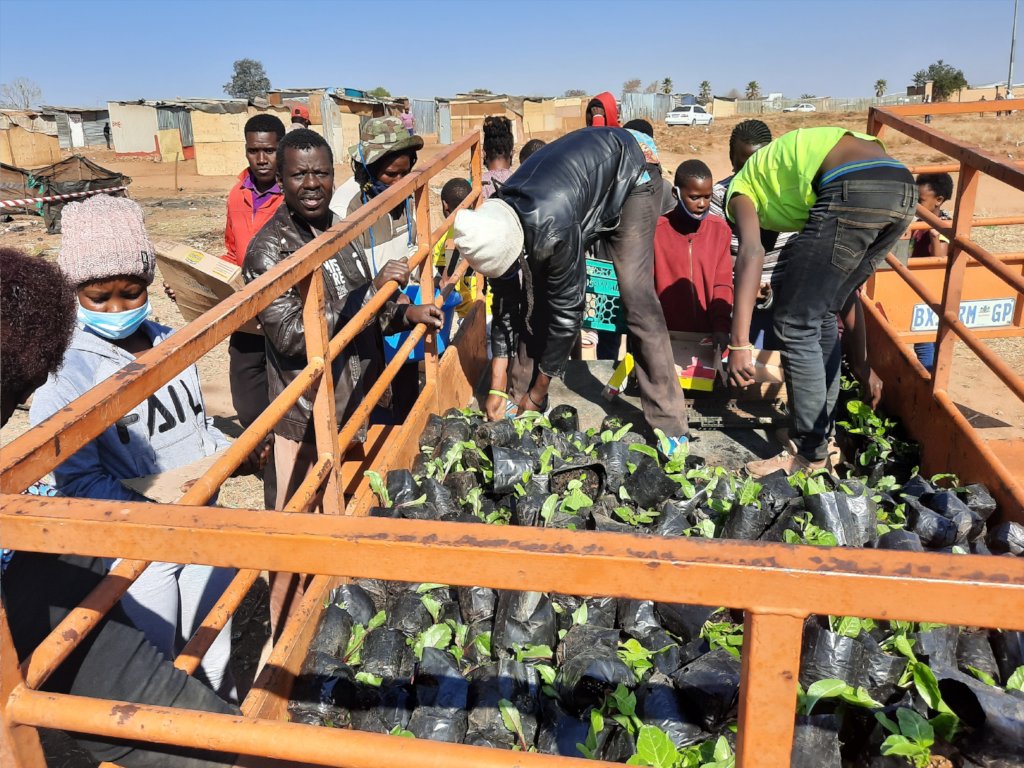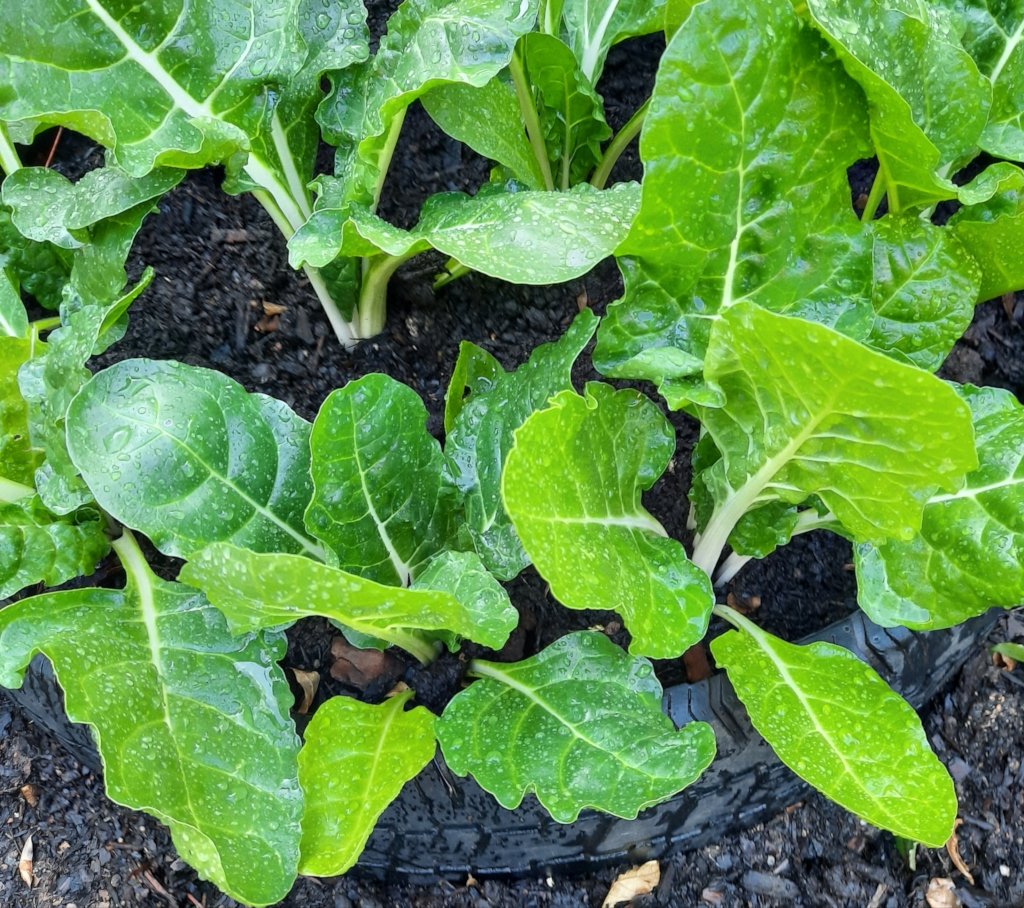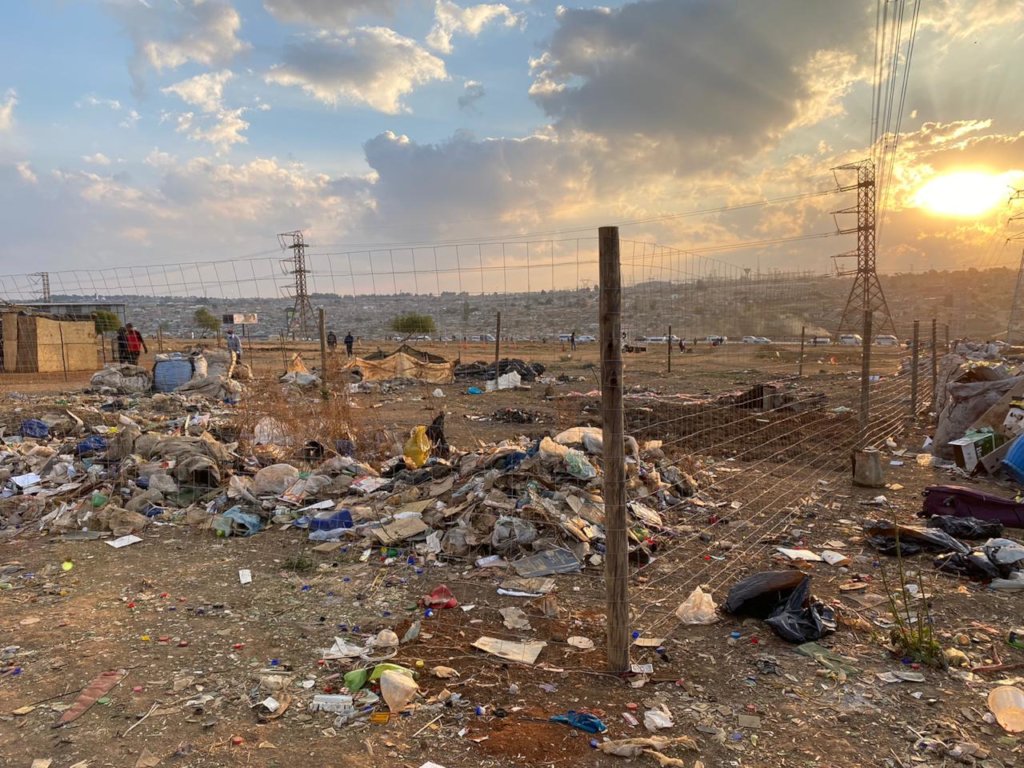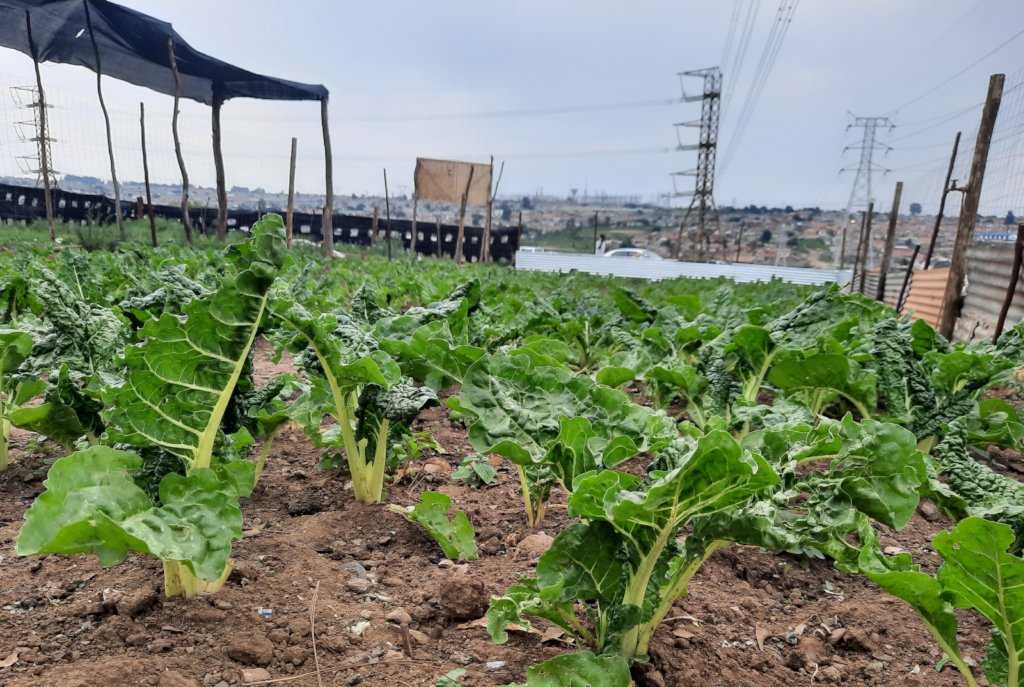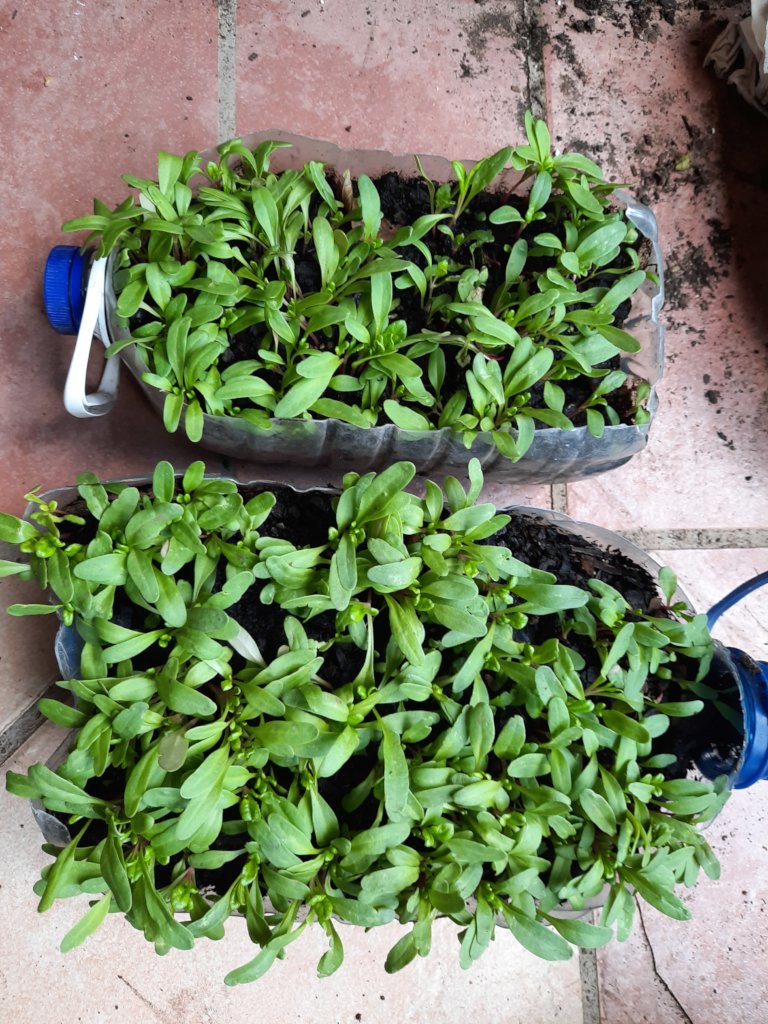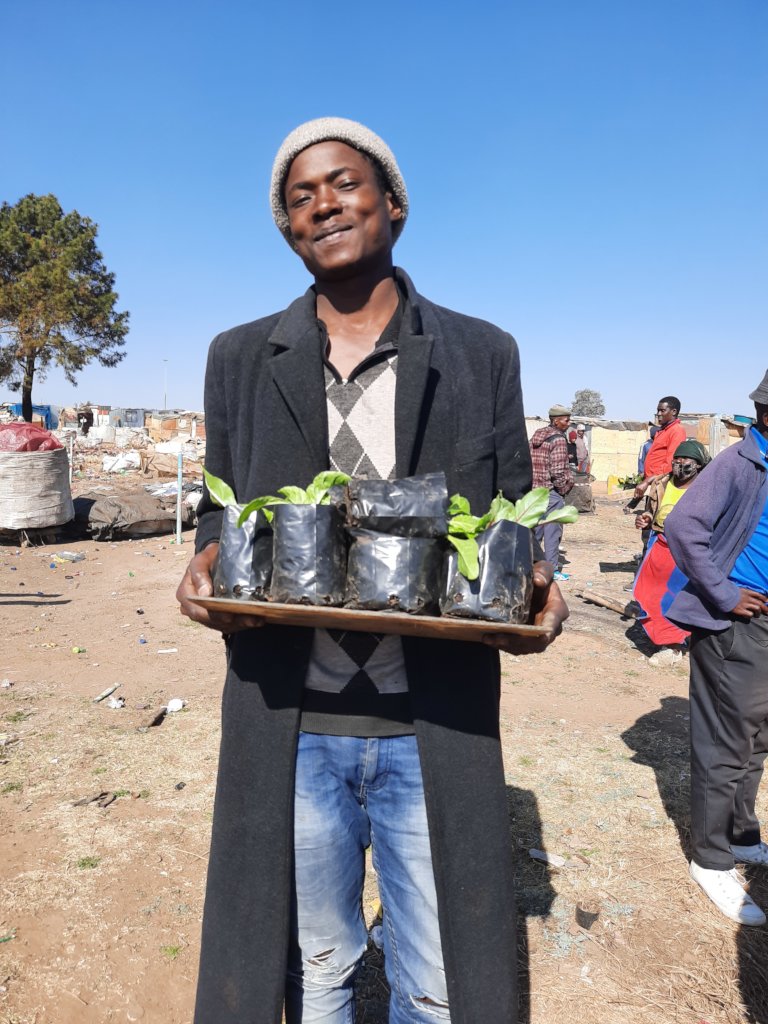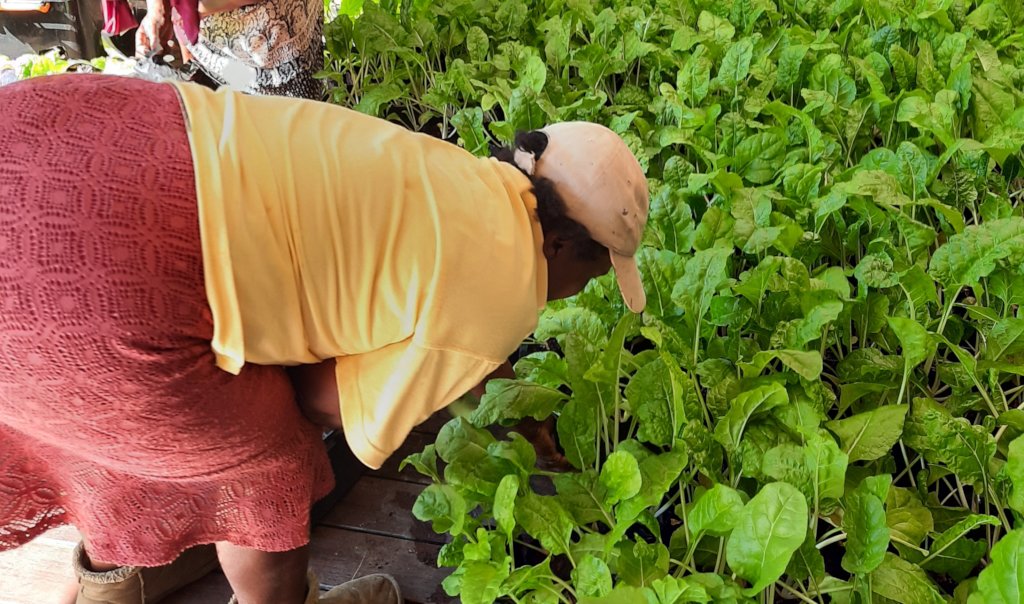
Young Global Entrepreneurs plans to set-up sustainable vegetable gardens for 400 women and youth living in disadvantaged marginalised informal settlements in Johannesburg, South Africa, empowering them with small-scale farming and agri-business skills to produce food for their families and sell the surplus for an income. Addressing gender inequality by empowering women is an effective way to address hunger and poverty issues and has immediate positive multiplier effects in improving livelihoods
Two of every five adults in their household lost their source of income since the COVID-19 pandemic lockdown restriction in South Africa. This has had devastating consequences for food insecurity and household hunger. Hunger will likely continue to grow as unemployment may continue to rise from the 2.2 million jobs believed to have been lost during the pandemic. This is a major threat to food security and livelihoods of poor marginalised households living in urban informal settlements.
The involvement of households in agricultural activities for subsistence farming will play an important role in reducing the vulnerability to hunger within households in urban informal settlements. Food will be produced at household level in urban informal settlements thereby implementing sustainable agricultural food systems to address hunger and financial issues. Women taught will share skills in the community and creating a multiplier effect.
400 women and girls will graduate out of the project as small-scale urban farmers with agri-business skills, and will be able to provide for their families' food, health and financial needs. With the acquired skills, they can become agricultural entrepreneurs.
This project has provided additional documentation in a DOCX file (projdoc.docx).