By Julia Elliott | Fundraising and Reporting Manager
We are pleased to report the successful rewilding of two of its long-term rhino residents, Leko and Tweed. Their release marks a significant achievement in the orphanage’s ongoing work to rehabilitate and return orphaned rhinos to the wild - a process that requires years of specialised care, consistency, and patience.
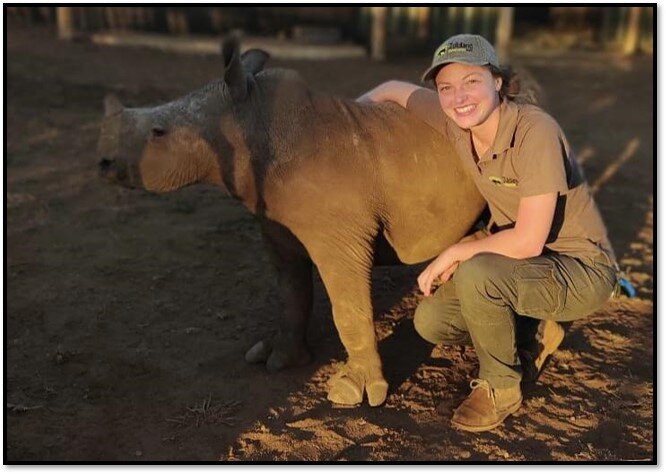
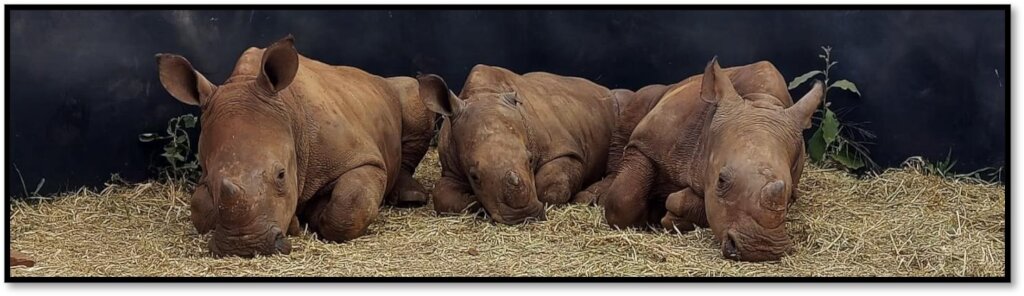
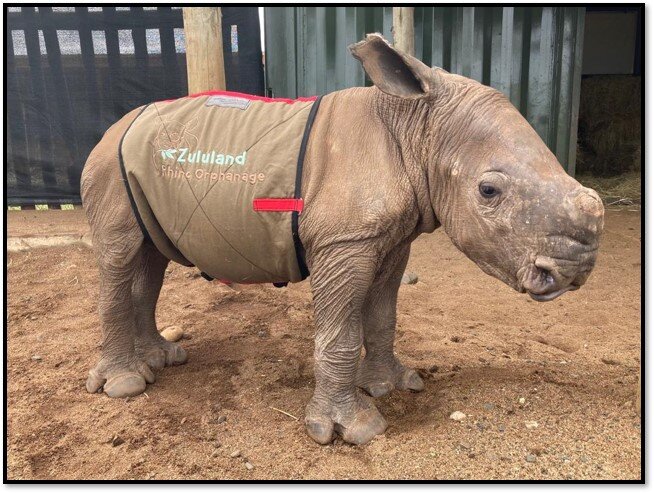
Both Leko and Tweed arrived at the orphanage as young calves, each under distressing and traumatic circumstances related to poaching. During their time in care, they developed a particularly strong bond. Although not related by blood, their close relationship mirrored that of siblings. Tweed, the younger of the two, quickly attached himself to Leko, who displayed an instinctive calmness and often took on a nurturing, leadership role - especially when interacting with new or more anxious orphans.
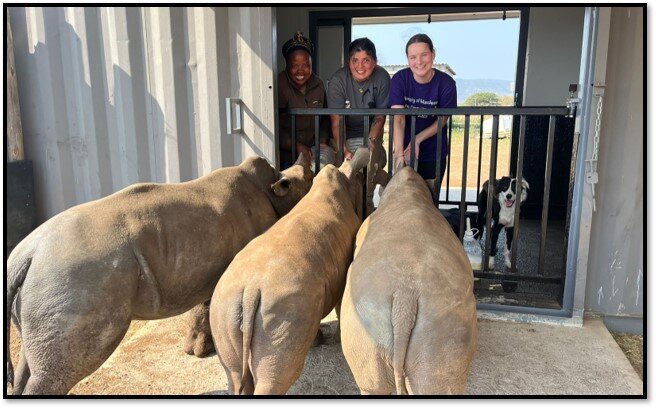
Throughout their rehabilitation, both rhinos thrived under the structured care provided at the facility, steadily gaining strength and confidence. They integrated well with other orphans but consistently returned to one another’s side, forming what became an inseparable pair. Over the course of nearly three years, their behavioural development, physical health, and social interaction were closely monitored, and both individuals met the criteria for rewilding.
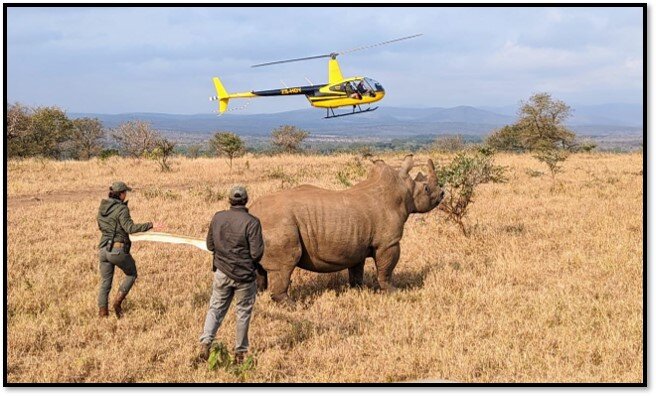
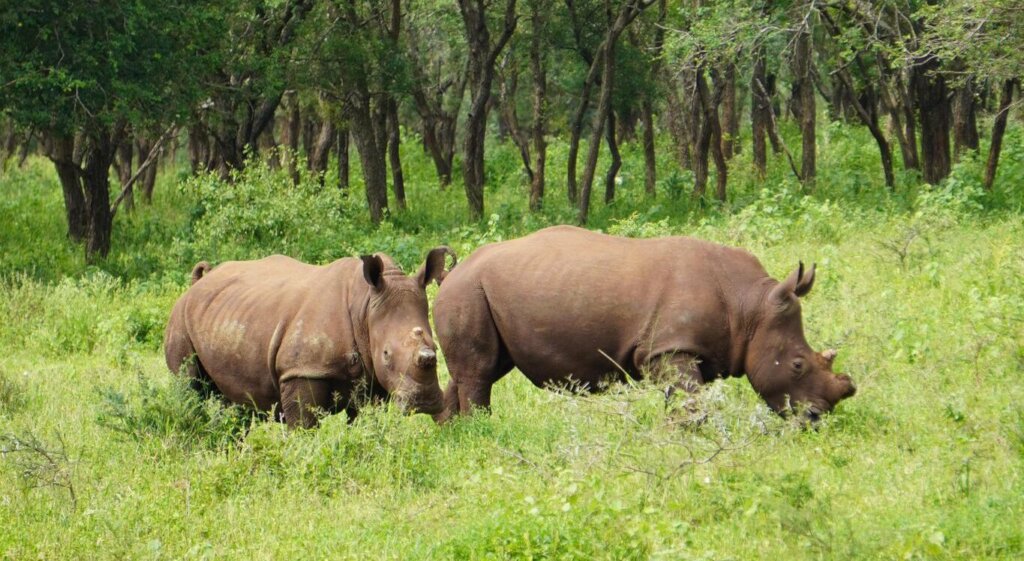
In recent months, the decision was made to initiate the reintroduction process. Each rhino was successfully fitted with a tracking device and transported to a suitable release site. Following a short delay due to weather conditions, the rewilding was carried out. Upon opening the transport crates, both Leko and Tweed stepped out cautiously but with purpose - remaining close together as they began exploring their new environment.
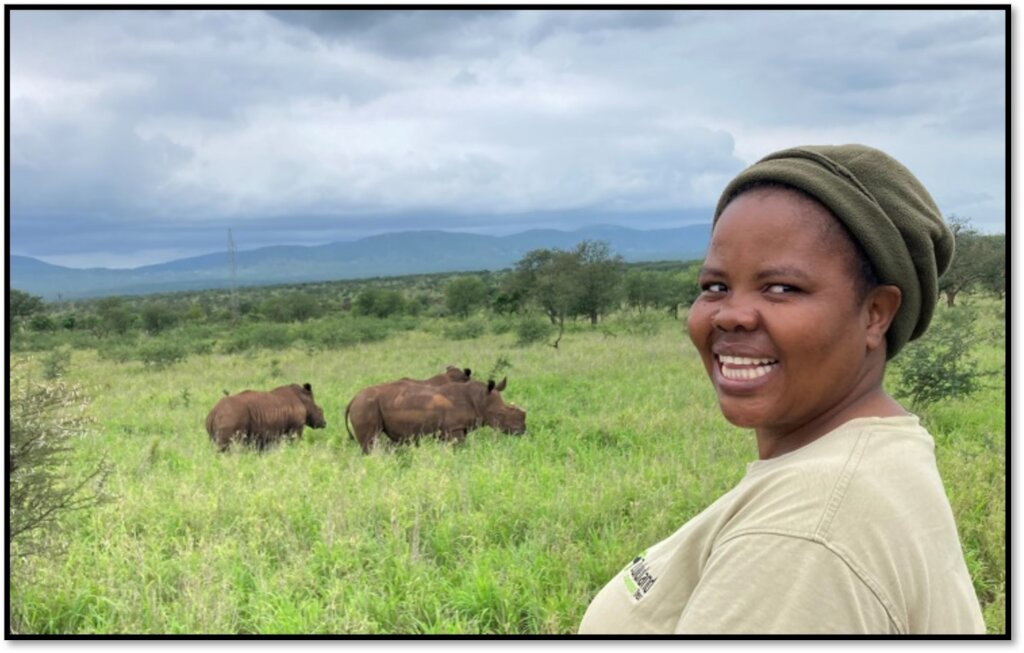
Their release brings the total number of successfully rewilded orphans at the Zululand Rhino Orphanage to 13 over the past six years, reflecting steady progress towards the long-term goal of reintegrating orphaned individuals into the wild. Rewilded rhinos play a key role in strengthening population numbers and genetic diversity, and their return to the wild restores natural ecological functions, given the rhino’s status as a keystone species.
The release of Leko and Tweed also highlights the critical importance of sustained care and professional expertise throughout the rehabilitation process. From emergency response and veterinary intervention to nutrition, security, and behavioural monitoring, each phase of rehabilitation is essential in preparing orphans for eventual independence.
While Leko and Tweed will be missed by the team, their release represents exactly what the Zululand Rhino Orphanage was established to achieve. Both individuals now have the opportunity to contribute to their species' future from where they belong - back in the wild.
Project reports on GlobalGiving are posted directly to globalgiving.org by Project Leaders as they are completed, generally every 3-4 months. To protect the integrity of these documents, GlobalGiving does not alter them; therefore you may find some language or formatting issues.
If you donate to this project or have donated to this project, you can receive an email when this project posts a report. You can also subscribe for reports without donating.



Support this important cause by creating a personalized fundraising page.
Start a Fundraiser