By Stefania Neagoe | Mission Facilitator
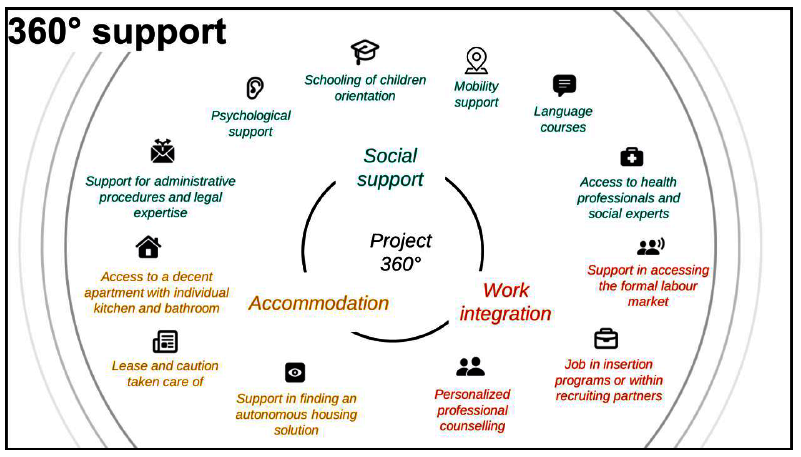
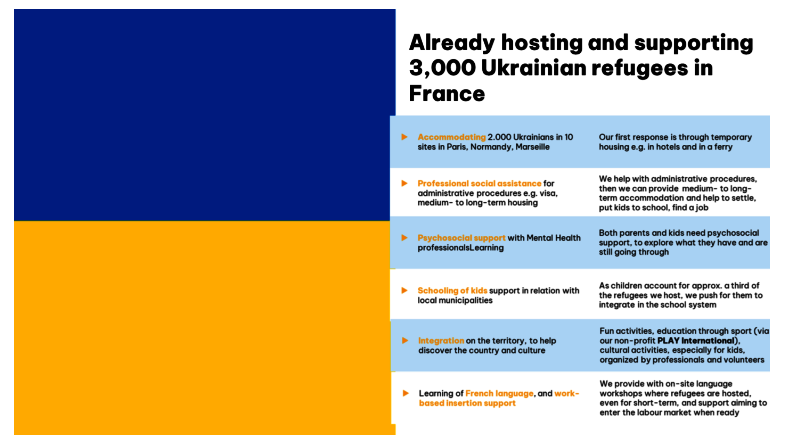
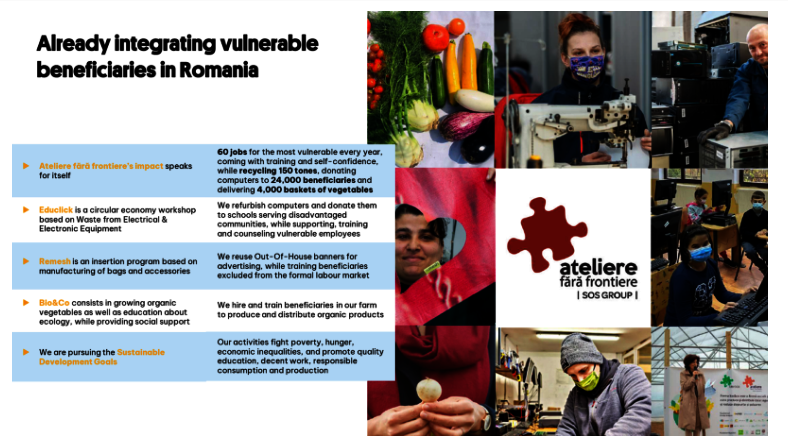
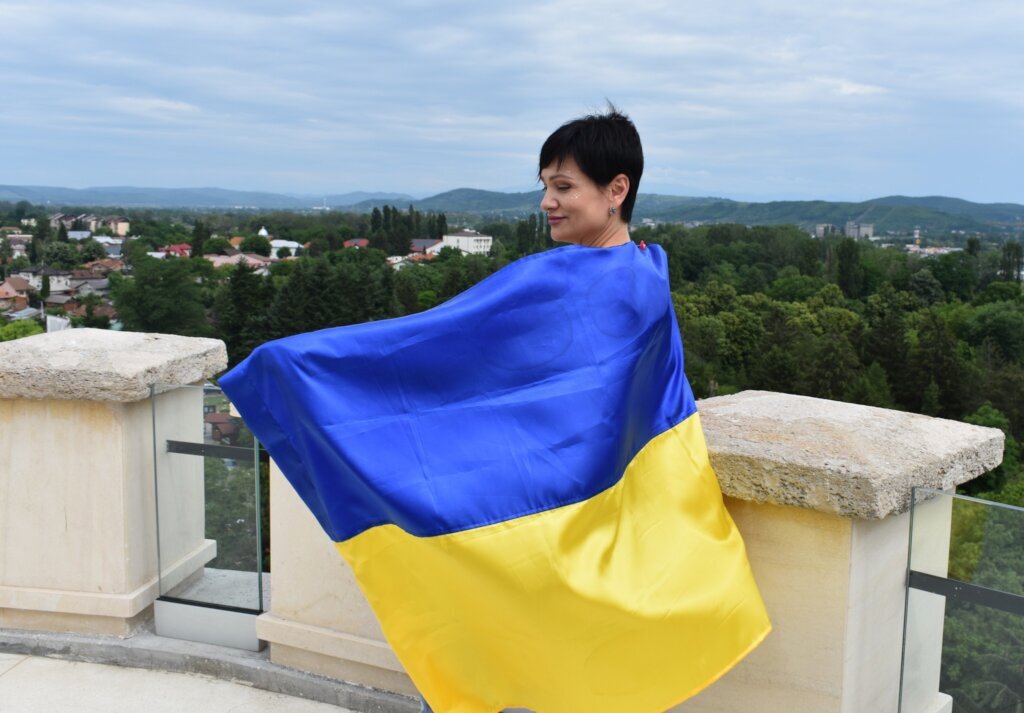
AFF has been providing continuous activation services for the most disadvantaged workers for the last 14 years and in the new context generated by the conflict from Ukraine, our organisation adapted its services to integrate the affected people fleeing the war. With this goal in mind, we structured a methodology and the necessary instruments in order to train and improve the professional skills of the most disadvantaged, specifically addressing the Ukrainian refugee crisis and integrating refugees and migrants who are wishing to stay in Romania on medium and long term. The people fleeing Ukraine are in post traumatic stress and need psychological support, meaning that they are not able yet to make medium and long term plans.
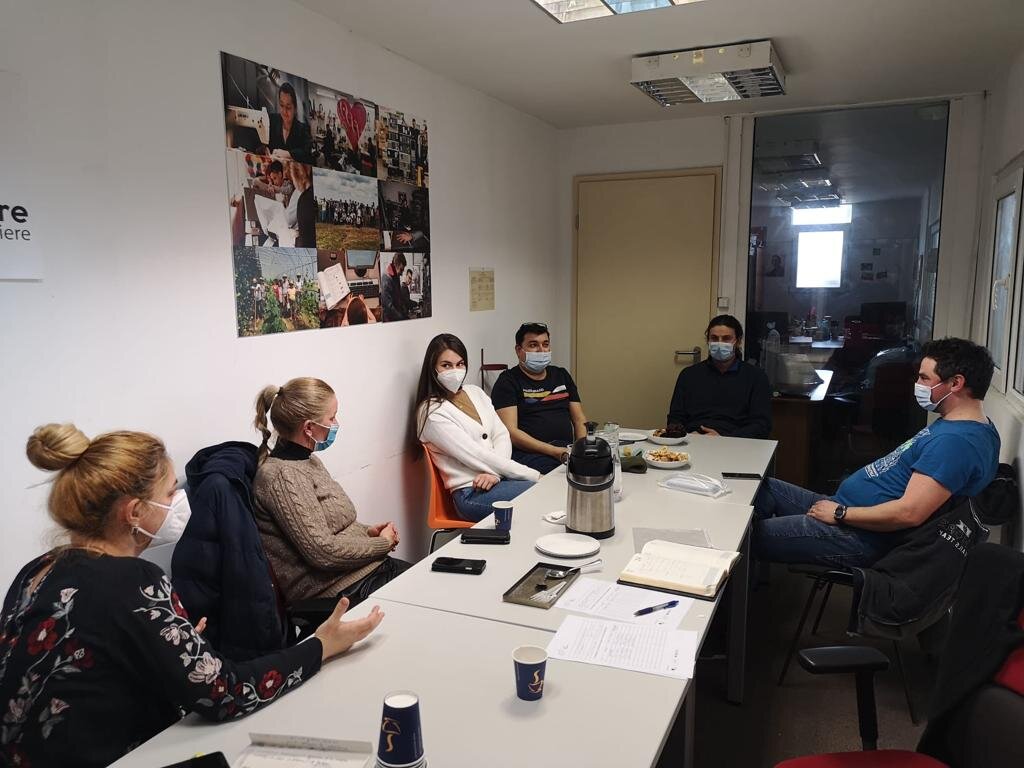
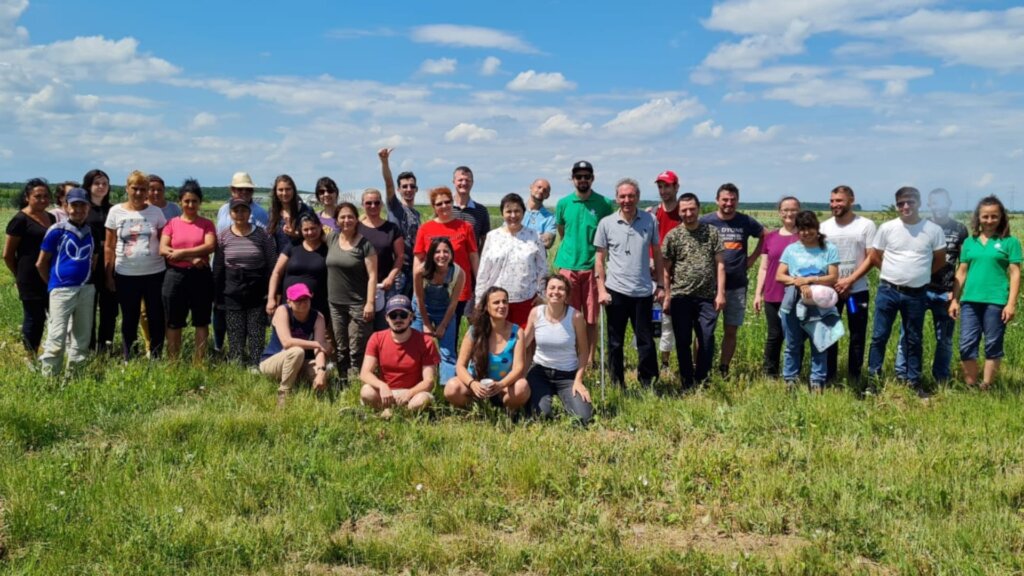
Moreover, most refugees do not speak Romanian or English, contributing thus to the risk of isolation in the lack of other support activities. The lack of integrated or coordinated services makes the intervention rather difficult. At Ateliere Fara Frontiere, we are working with over 40 public and private social service providers (accomodation, health and mental health, food, etc), a network built in 14 years of existence. Ateliere Fara Frontiere managed to enroll in its insertion programme 10 persons fleeing Ukraine in the last 6 months. Two of them are in a very vulnerable situation, respectively they are teenagers (17yo), both of them are on their own in Romania, therefore they really need support to ensure their integration and to earn their means. To both of them we offer counseling and access to Romanian language acquisition. Another person from Odessa speaks a little bit of Romanian (her mother was from Republic of Moldova) and works at the farm and, moreover, their case management is handled in cooperation with another local NGO that provides them with temporary shelter and food.
On top of recruiting vulnerable persons from Ukraine, Ateliere Fara Frontiere has provided more than 40 refurbished desktops and laptops to both refugees and local NGOs which have assisted refugees since February 2022. The computers are mainly used by teachers and pupils to continue their education, by accessing online schooling in their mother tongues. In the organizations providing social services, the computers are used either in facilitating social activities or in case management and data registration at the refugee centers at the border.
Links:
Project reports on GlobalGiving are posted directly to globalgiving.org by Project Leaders as they are completed, generally every 3-4 months. To protect the integrity of these documents, GlobalGiving does not alter them; therefore you may find some language or formatting issues.
If you donate to this project or have donated to this project, you can receive an email when this project posts a report. You can also subscribe for reports without donating.