By Shen R. Maglinte | Deputy Director
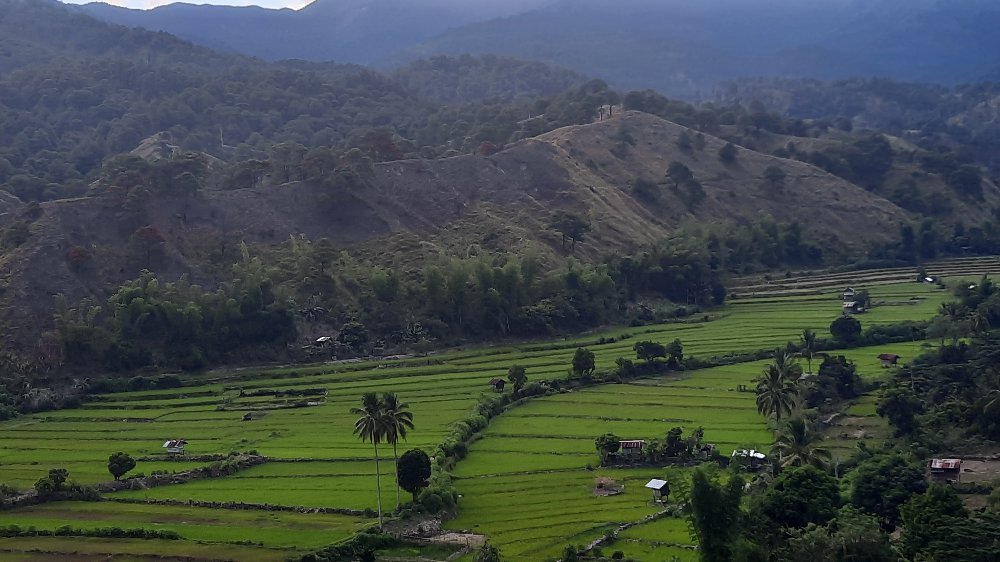
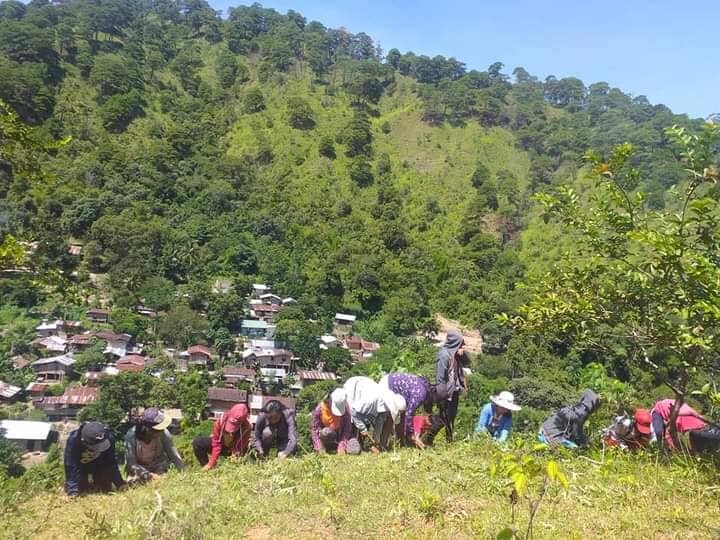
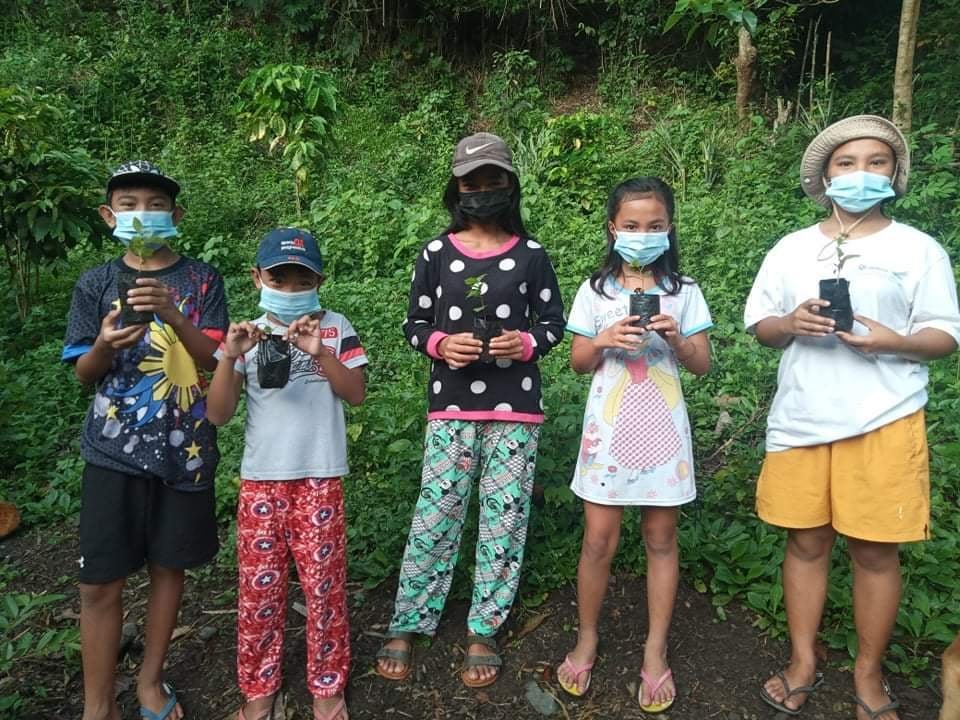
From our last report, the community reforestation work is getting through parcel by parcel. It is heartwarming to note that the community is continuing the effort of replanting trees. In particular, restoring the forest means planting back old endemic species that were once the types composing the first growth.
With the rainy season, there is a greater chance that newly planted seedlings will survive. It is expected that by the end of the year at least the community can cover 2-3 hectares of replanted areas. Likewise, the remaining trees that get boosted with continuing rain have their upshoot seedlings sprouting. The community members maximize outplanting these seedlings to the next area where there are greater chances of secondary growth from locally growing species.
It is with particular concern that the community is preferring locally-adaptive species as the current reforestation program of the government introduces non-forest specific species such as gemelina, mahogany , eucalyptos that are heavy water absorbents. There would be no true reforestation as these species are introduced for commercial purposes and ones that would be cut after seven years for their wood. In this case, there is no sustainability and restoration of true forest cover that would constitute a true watershed vegetation.
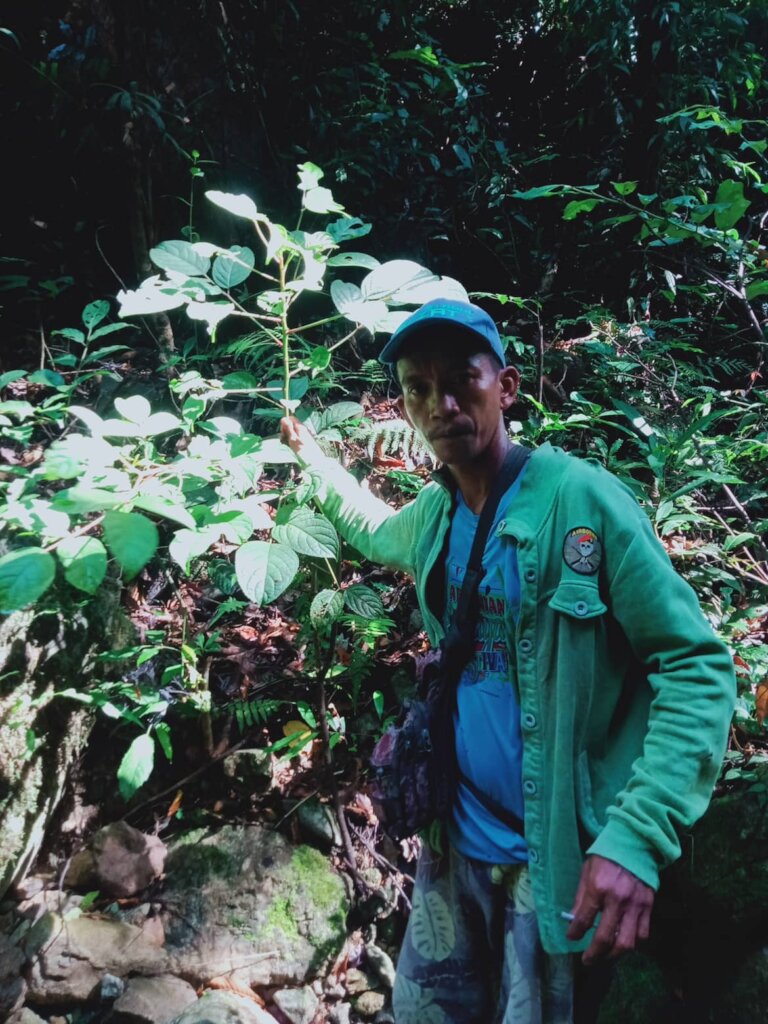
One of the species being outplanted is called TOWOL, a strong and sturdy tree that is good for watershed cover. The community has been searching for this type of endemic specie as it can withstood strong typhoons and has wide canopy spread that shelters wild bird species, wild boars and deers.
Likewise it is worth noting that the community maintain their interest and enthusiasm in sustaining their efforts in reforestation. Most of them opined that aside from the restoration of forest cover which also provides them with the necessary materials for housing, food and herbal medicines, the forest protects them from landslides and erosion every strong typhoon that would damage their crops and properties.
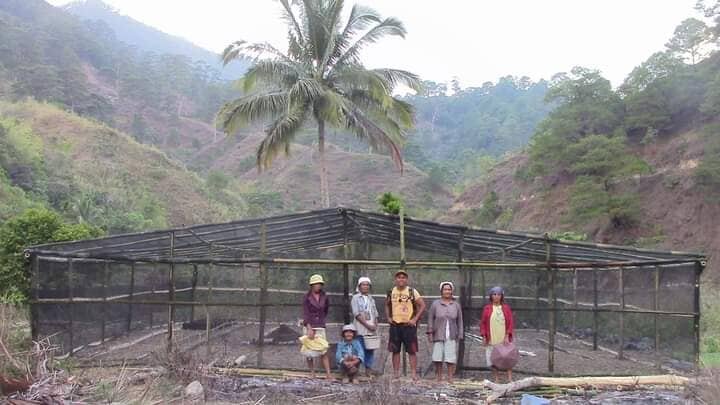
We again thank GlobalGiving for the support especially to donors who contributed some amount for nursery infrastructures, polyethene seedling containers among others.
Project reports on GlobalGiving are posted directly to globalgiving.org by Project Leaders as they are completed, generally every 3-4 months. To protect the integrity of these documents, GlobalGiving does not alter them; therefore you may find some language or formatting issues.
If you donate to this project or have donated to this project, you can receive an email when this project posts a report. You can also subscribe for reports without donating.



Support this important cause by creating a personalized fundraising page.
Start a Fundraiser