By Jocelyn Freed | Themba
Dates: 10th, 11th, 19th, 29th, 24th and 25th August 2010
Duration of each session: the first 2 sessions were 1 hour each and other sessions were 2 hours each.
Venue: Bonny Town Place of Safety
Facilitator: 2 facilitators
Participants: 17 boys between the ages of 16 -18 years
Summary
The project we undertook in this youth facility has been discussed and a lot of thinking went to it. We have decided in the Strategic planning meeting that we would pilot a healing of memories workshop for youth, reflect on it and decide on a way forward. Bonny Town Place of Safety was a youth facility we approached for piloting the project. They were happy to welcome us into their facility to work with the boys. They have 110 boys in the facility, who are placed by the courts, while their cases are pending. They are accused of committing crimes from petty crimes to most serious crimes. We went there with a clear understanding that it would be a challenging task to work with these young people.
Selection process of the boys
We had a meeting with Miss Janine Cupido who is the social worker at the Institution and they selected the boys who participated in the programme. 17 boys were selected for the programme.
The selection process is something we could look at because the IHOM principle is that people should attend willingly and I’m not trying to suggest that the boys selected were not willing to participate. This could be discussed with the Institution and suggest that we first present to the boys and they can decide whether they would like to participate.
Getting to know you sessions
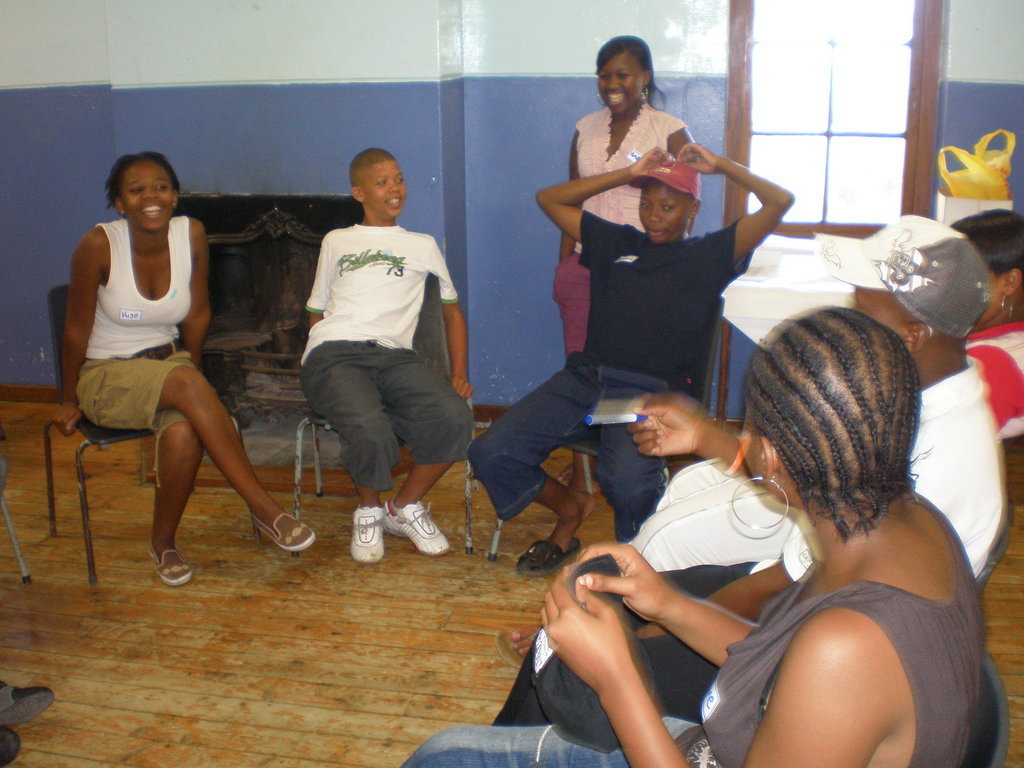
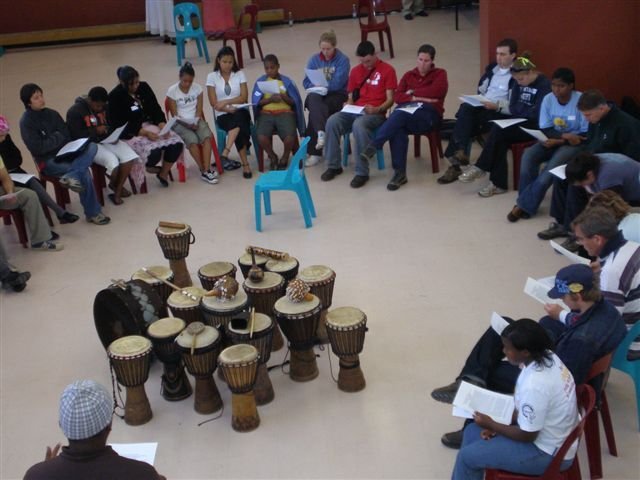
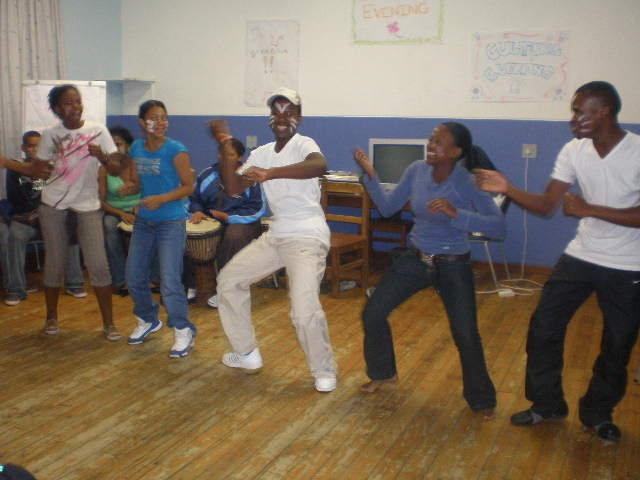
The first 2 sessions we had at the facility were mainly getting to know you sessions. We went to the facility with a few musical instruments, ice-breakers and games. The boys really enjoyed the games and ice-breakers we introduced, especially the facilitated interactive drumming we did with them. We felt it was important to have a couple of introductory sessions to get to know the group. These sessions were meant to help the participants to have a clear understanding of what the process would entail. It was a space to prepare them for reflecting on their personal experiences/stories. I believe we did achieve the desired goals for the 2 first sessions with the boys.
Dramatic presentation, Story telling, and the way forward
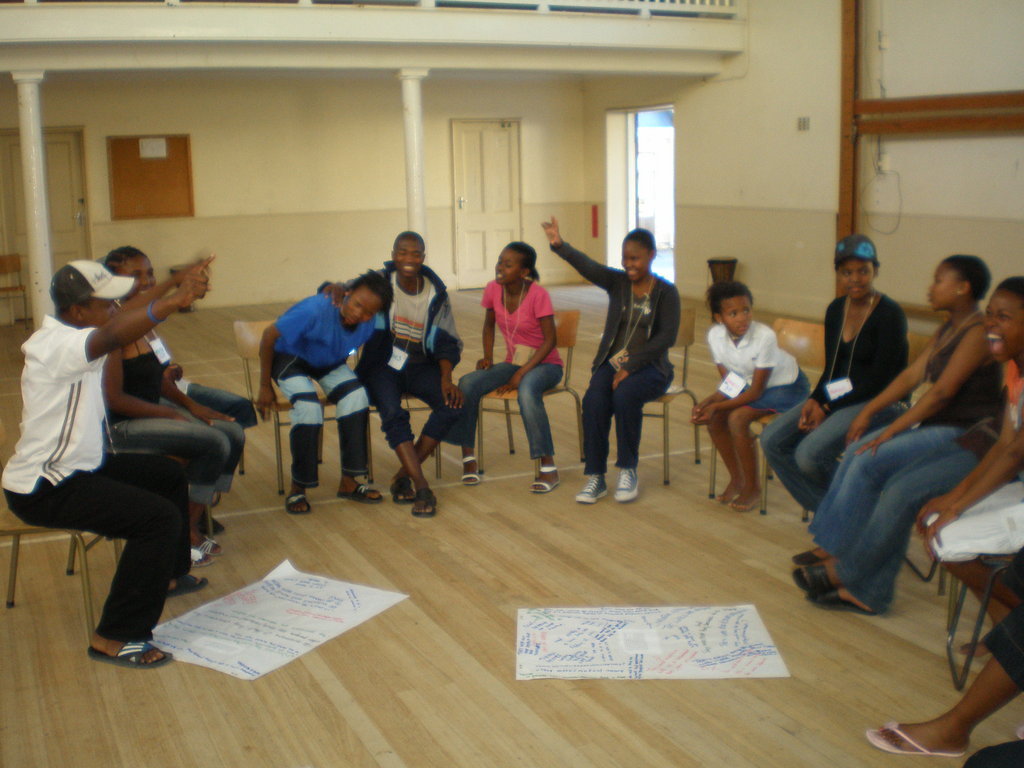
We had session were we opened a discussion to look at the group’s understanding of healing and the need for healing when we had negatives experiences in our lives.
I presented a monologue about South Africa’s past and the participants were asked to share their feelings and thoughts. Most of the participants were young people and had a a limited understanding of the past of South Africa. We had to tell the story of apartheid and explain how it has affected them indirectly.
When we came to the story telling part, one of the participants felt that he did not want to talk about his past and he won’t be continuing his participation. We tried to explain that he does not have to share what he is not ready to share and explained the benefits. That did not help. We spoke to the social worker and she said she would work with him one on one. The other participants shared quite deeply about their life experiences and how they have had bad upbringings and the bad choices they have made in their lives. The challenge was that some did not see their lives changing because they did not have any support from family. It’s a challenge to encourage someone who has lost hope and is locked up in a facility with no visits from family or friends.
When we did this session were we looked towards the future, some of the participants had hope that they will could change their life style and make better choices. Some spoke about the bad company they mix with in the communities. In this session it was clear to me that the boys knew how their actions were affecting their families, especially their mothers. We had a moving last session with the boys and it was clear to me that some will have to think further about their choices as they have been part of a negative lifestyle for a while.
Lessons
The lessons we learned in this pilot was that we need to present ourselves to the boys so that they can choose whether they would want to be involved in the project. We need further training of facilitators especially in working with youth in facilities like Bonny Town Place of Safety. We need to understand that healing of memories workshop for youth in a place like Bonny Town will take a different form. There’s a need for special skills to be developed around understanding with working with youth at risk or in trouble with the law.
We will have to do a follow up with that group we worked with, to check how they have progressed. We need to look at what type of other follow up we could do with them or invite other partners to offer specific sessions with the youth.
The pilot was a learning experience and a wake up call about the need to work with youth at risk.
The future of South Africa does not look good if we keep most of young people from disadvantage communities in prisons rather than sending them to school. I believe we can make a meaningful contribution towards healing of memories in the lives of youth in prisons.
Project reports on GlobalGiving are posted directly to globalgiving.org by Project Leaders as they are completed, generally every 3-4 months. To protect the integrity of these documents, GlobalGiving does not alter them; therefore you may find some language or formatting issues.
If you donate to this project or have donated to this project, you can receive an email when this project posts a report. You can also subscribe for reports without donating.