By Roos Isabelle | Account Manager
The situation in Greece has deteriorated in the last days as new border restrictions are being imposed causing a major concentration of migrants in Idomeni and Athens. The number of women and children on the migrant routes are increasing and is a major factor to consider in terms of operational needs. It is reported that some 30,000 migrants are now being trapped in Greece.
According to data from UNHCR, from January 2015 to 2 March 2016, a total of 982,889 arrivals have been registered in Greece. As of 2 March 2016 there have been 126,166 arrivals in 2016 alone.
Latest information indicate that nearly 12,000 refugees (with daily estimates of 1,000 migrants arriving at Idomeni) are trapped in Idomeni after the former Yugoslav Republic of Macedonia’s decision to no longer permit the entry of Afghans in their territory and to impose stricter controls on the Syrians and Iraqis that have the right of passage. Other countries along the Balkan route are also following suit. Since then, there has been tension on the border between Greece and the former Yugoslav Republic of Macedonia, with frustrations growing amidst the uncertainty and lack of information. On 29 February a group of migrants tried to break through the border fence, which resulted in tear gas being fired by the former Yugoslav Republic of Macedonia police.
These new border restrictions have caused a chain effect of sorts in the other locations. Migrants are stranded at entry and exit points, and movement is restricted in an effort to contain the flow, as additional new migrant centres were opened in the north in an effort to manage the situation. The Greek authorities have responded with the military setting up two camps near Idomeni with a projected capacity of 12,500 and a nearby third site already under construction.
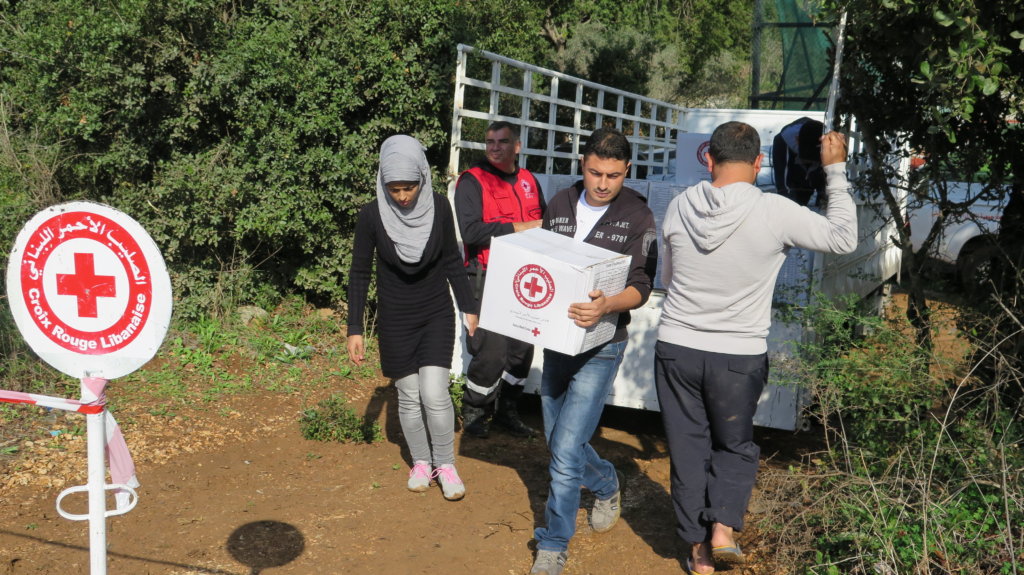
The Red Cross continues to provide health, relief, restoring family links and community engagement services in the islands and in Athens, Idomeni and Diavata. The Red Cross is also providing health services and distributed hygiene kits, baby kits (and diapers) on a daily basis at one of the new "relocation centers" in Diavata to 2,000 migrants. This centre opened on 25 February.
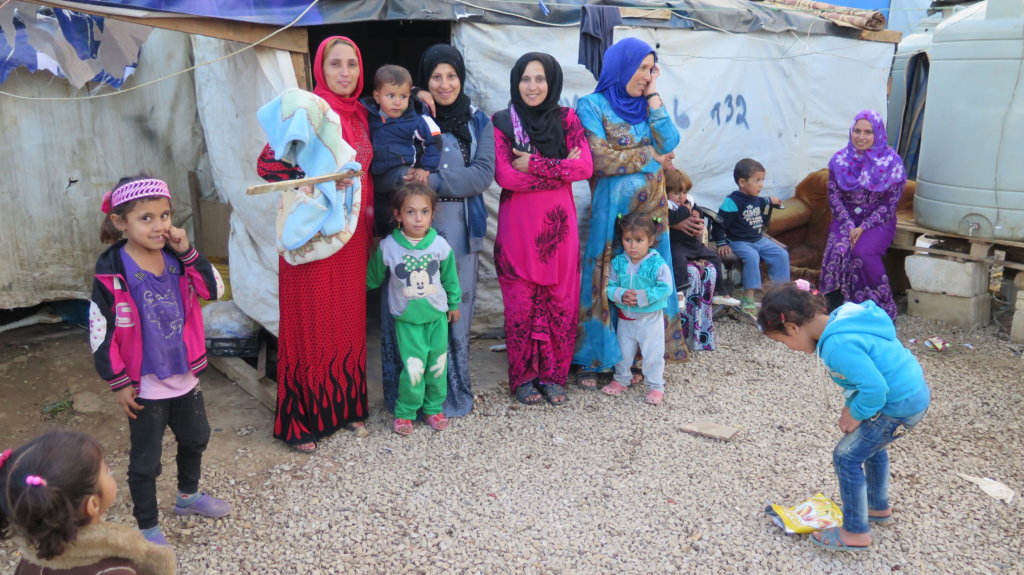
Thanks to your support, displaced persons will be provided with the bare essentials: protection, shelter, food and water, as well as first aid and medical care. In the field in Lebanon, along the migration routes, and in Germany and Switzerland. The Swiss Red Cross supports the National Red Cross Societies in Greece, Serbia, Germany and Lebanon.
Project reports on GlobalGiving are posted directly to globalgiving.org by Project Leaders as they are completed, generally every 3-4 months. To protect the integrity of these documents, GlobalGiving does not alter them; therefore you may find some language or formatting issues.
If you donate to this project or have donated to this project, you can receive an email when this project posts a report. You can also subscribe for reports without donating.