By Mohsin Arif | Project Leader
Hepatitis Care: Screening and Treatment in Pakistan
Project Summary
Hepatitis B and hepatitis C are serious viral infections that can cause long-term liver disease, including cirrhosis and liver cancer, particularly when they remain undiagnosed and untreated.
In Pakistan, people living in underserved rural communities can face significant barriers to timely healthcare, including limited household income, distance from medical facilities, lack of health awareness, and the cost of diagnostic testing and treatment.
Moses Welfare Foundation aims to improve access to hepatitis-related healthcare for vulnerable families through community outreach, medical screening, referrals, treatment support, health education, and follow-up care.
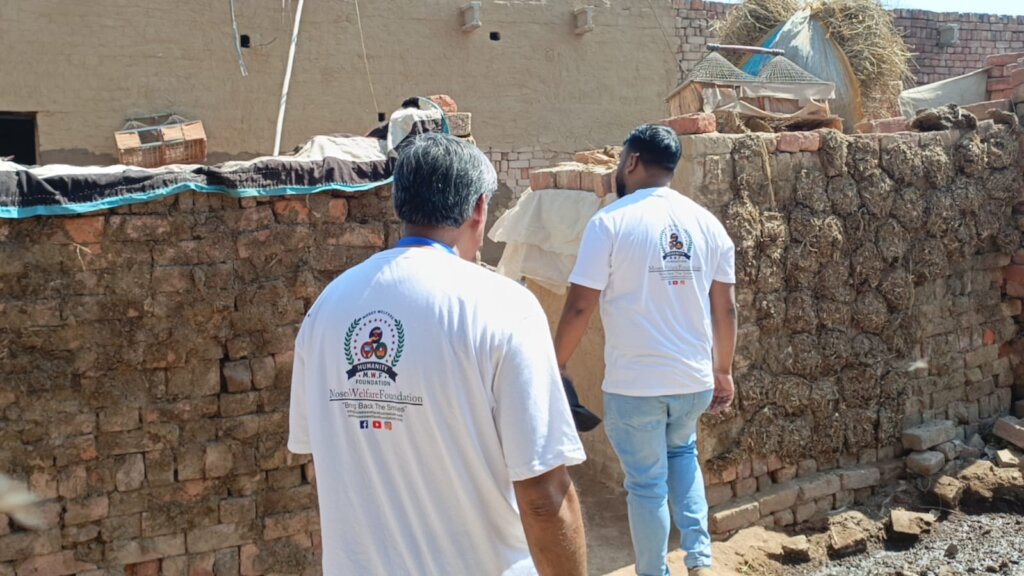
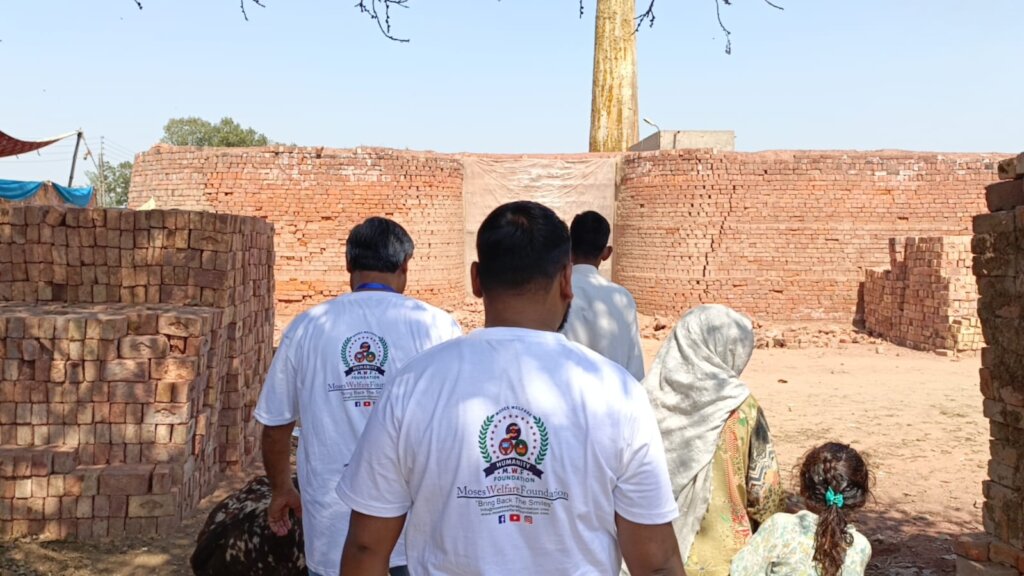
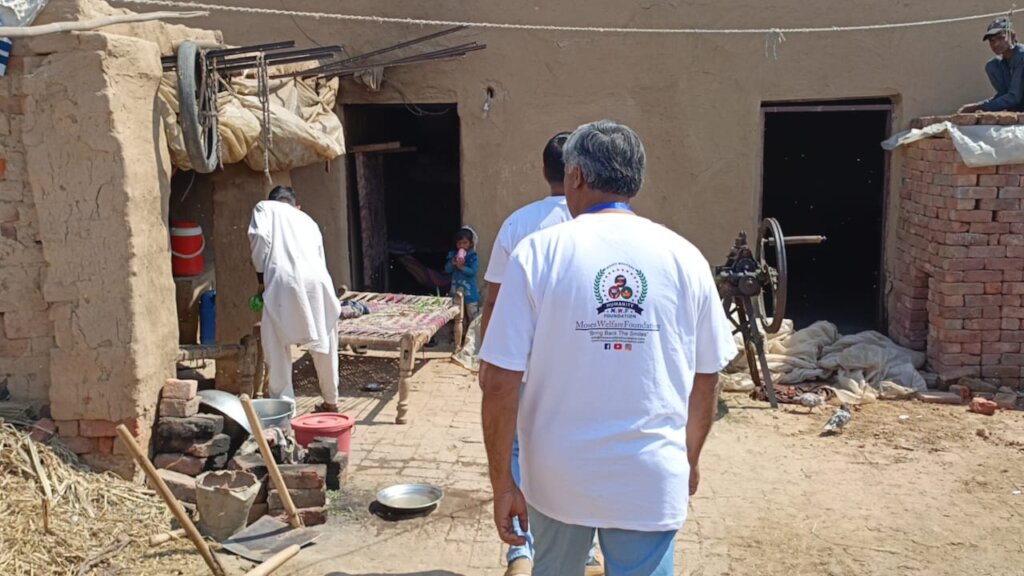
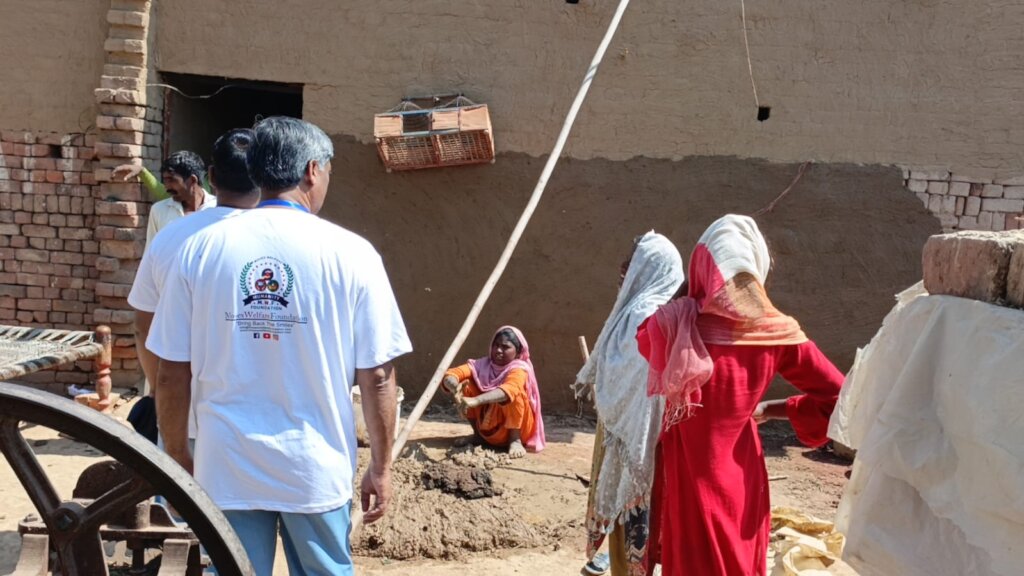
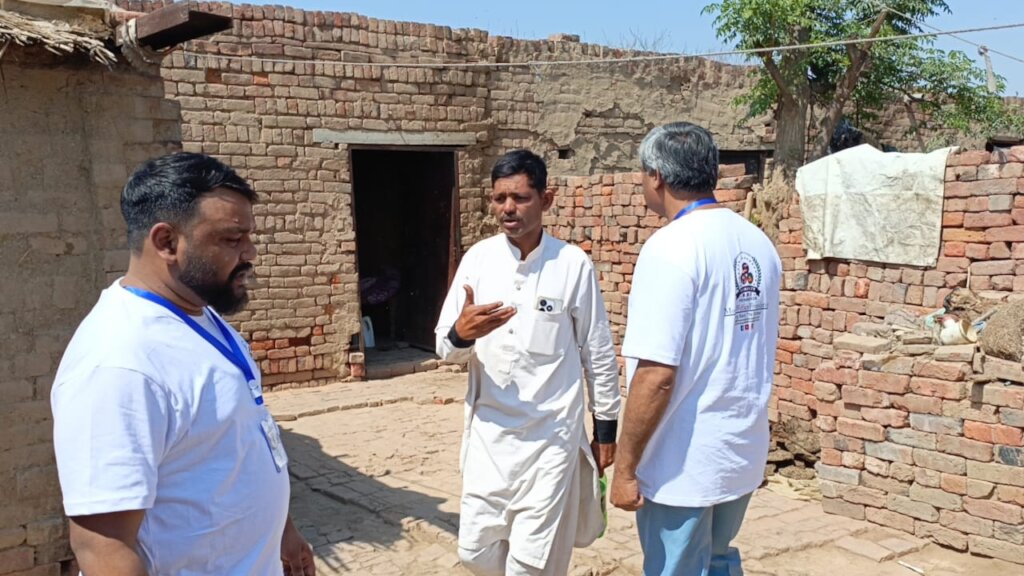
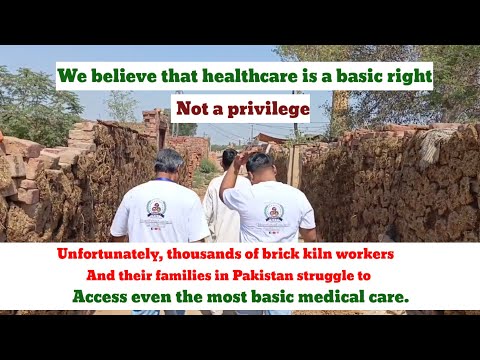
The project will prioritize people who face financial and geographic barriers to essential healthcare, including vulnerable families in rural villages and communities surrounding brick kilns.
Our objective is to help people identify hepatitis at an earlier stage, connect patients with appropriate medical care, and strengthen community awareness about prevention and treatment.
The Challenge
Hepatitis can progress silently, with many people unaware that they are infected until serious liver complications develop.
For families living in poverty, seeking diagnosis and treatment can be difficult. Medical expenses, transportation costs, limited healthcare facilities, and insufficient awareness may prevent people from accessing appropriate services.
Underserved rural communities may be particularly vulnerable to gaps in healthcare access.
Common barriers include:
When illness remains untreated, it can affect not only an individual's health but also the economic stability and wellbeing of an entire household.
Our Solution
Moses Welfare Foundation will work with local communities and qualified healthcare professionals to improve access to hepatitis-related services.
The project will focus on an integrated community healthcare approach:
1. Community Outreach
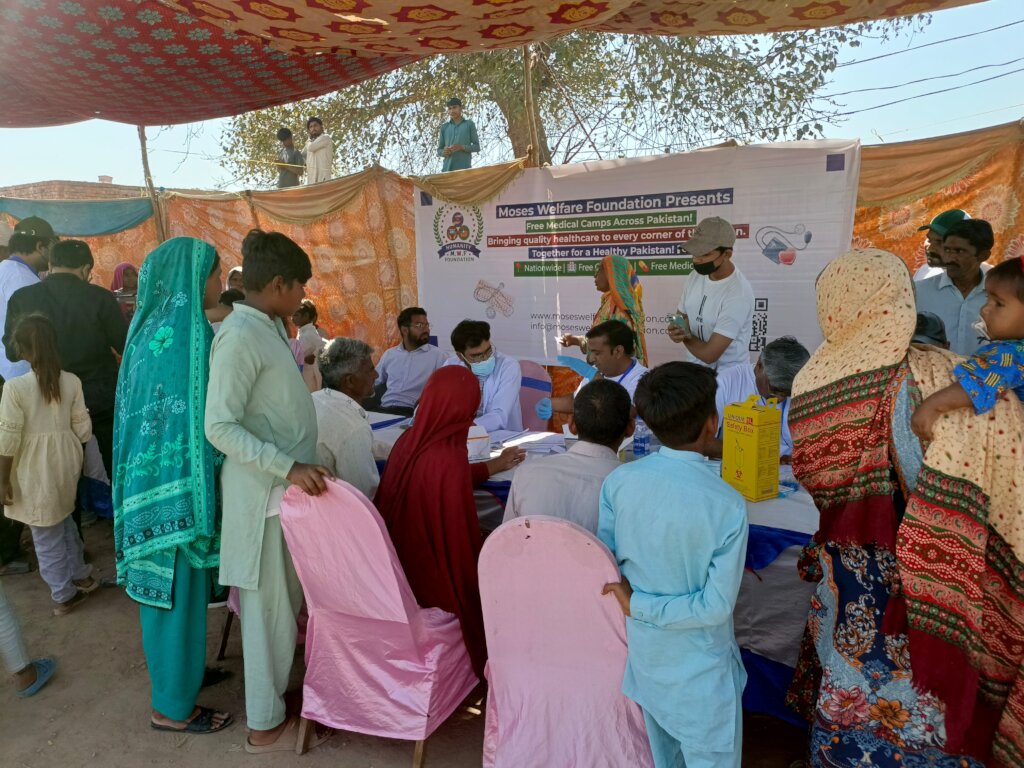
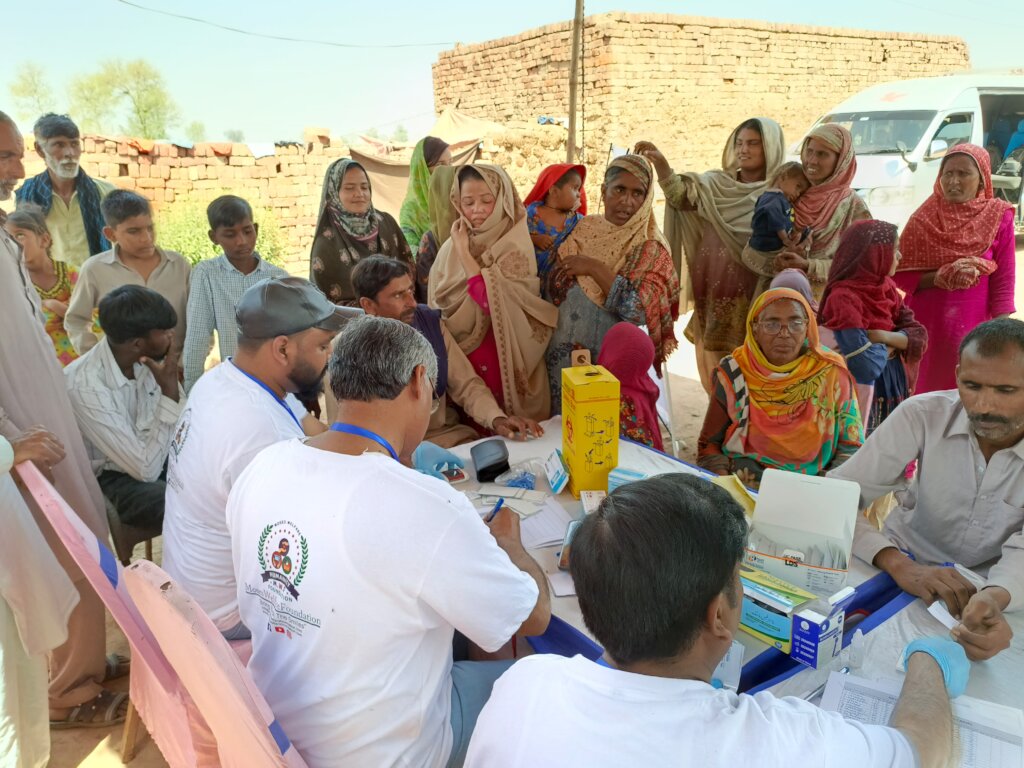
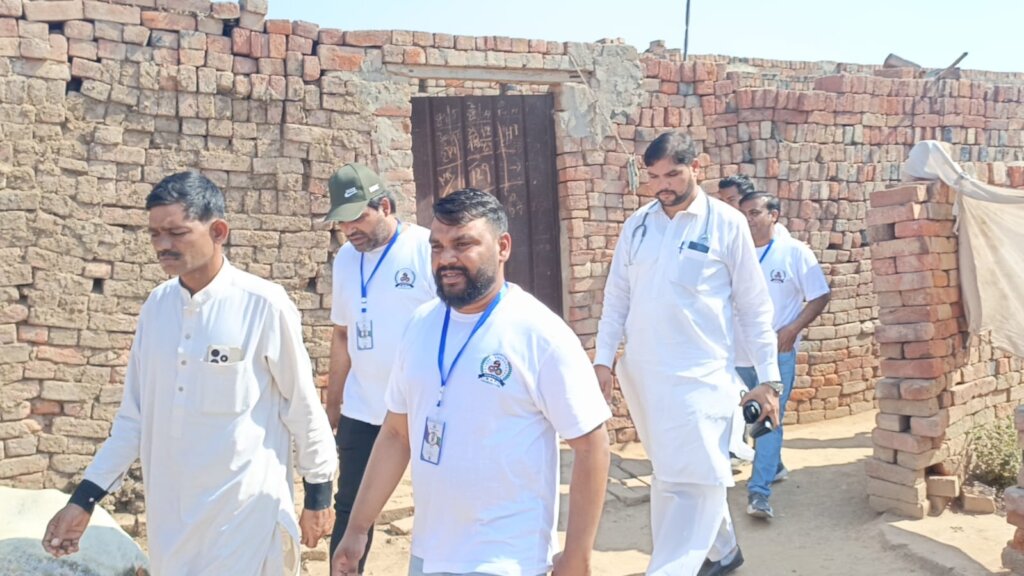
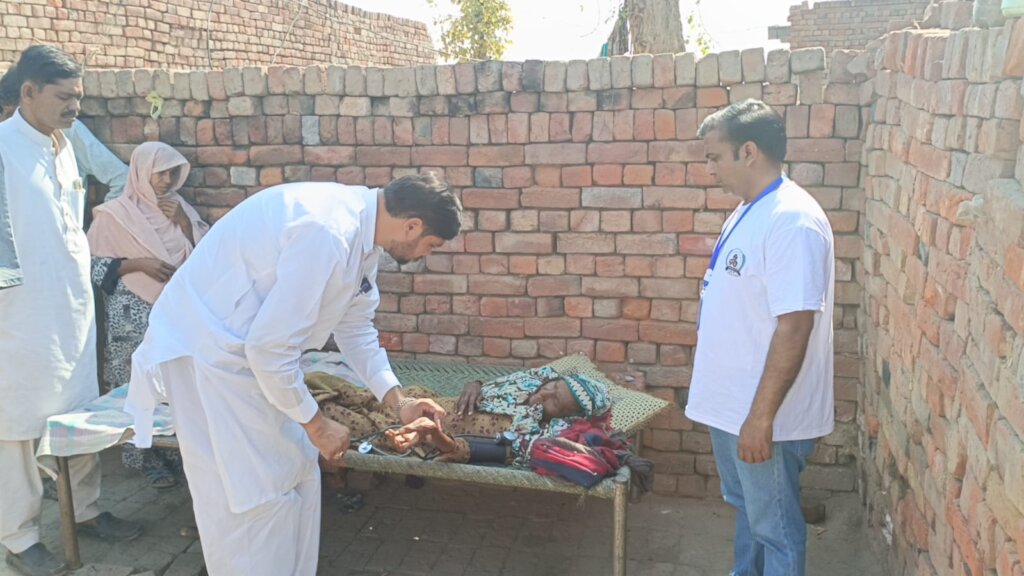
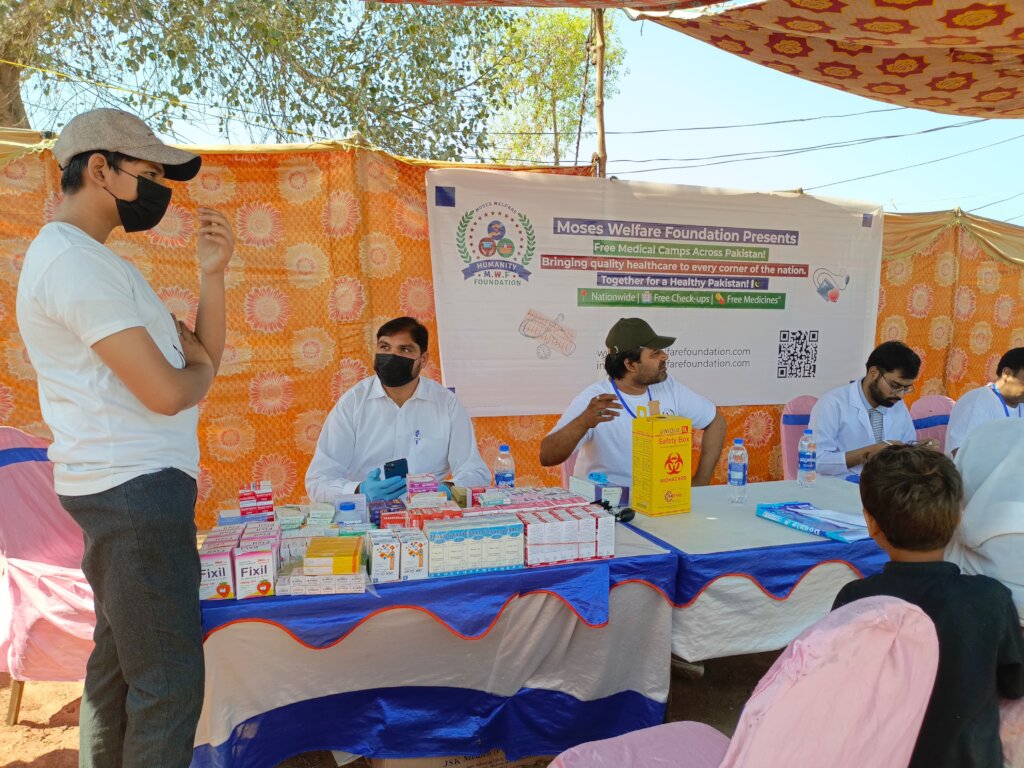
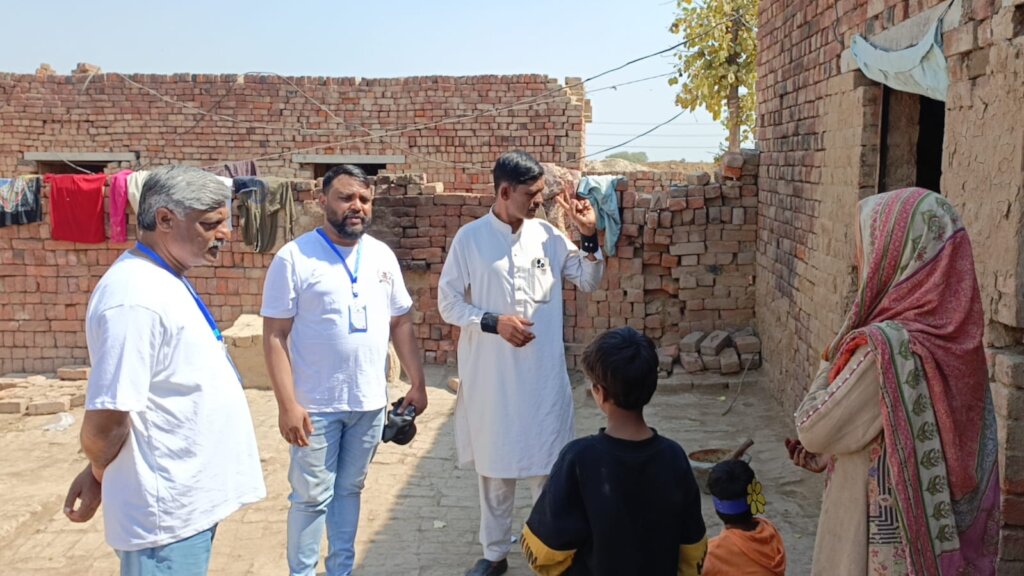
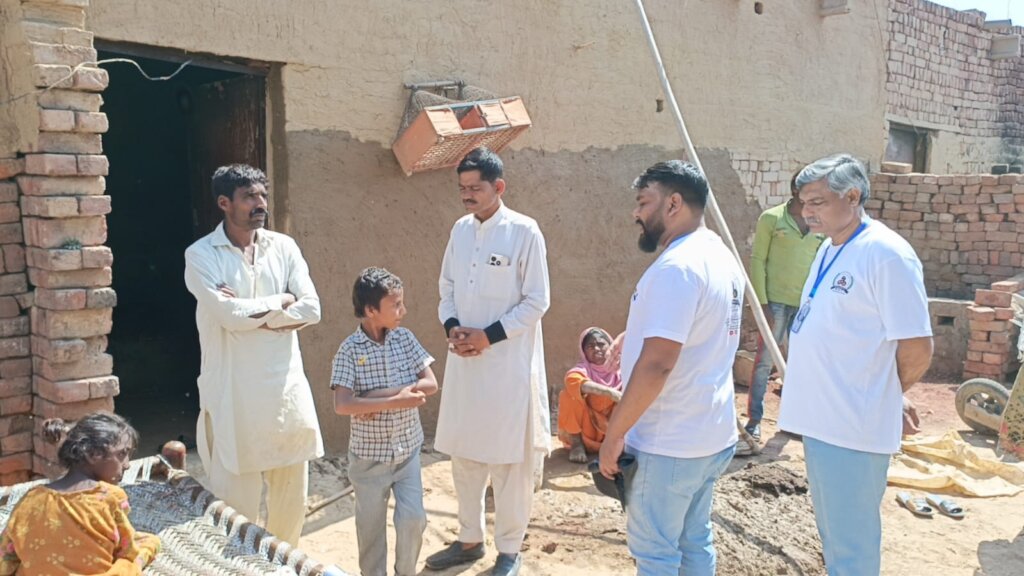
Medical outreach activities will help identify vulnerable individuals and families who have limited access to healthcare.
Community sessions will provide information about hepatitis, prevention, testing, treatment, and the importance of seeking medical attention.
2. Hepatitis Screening
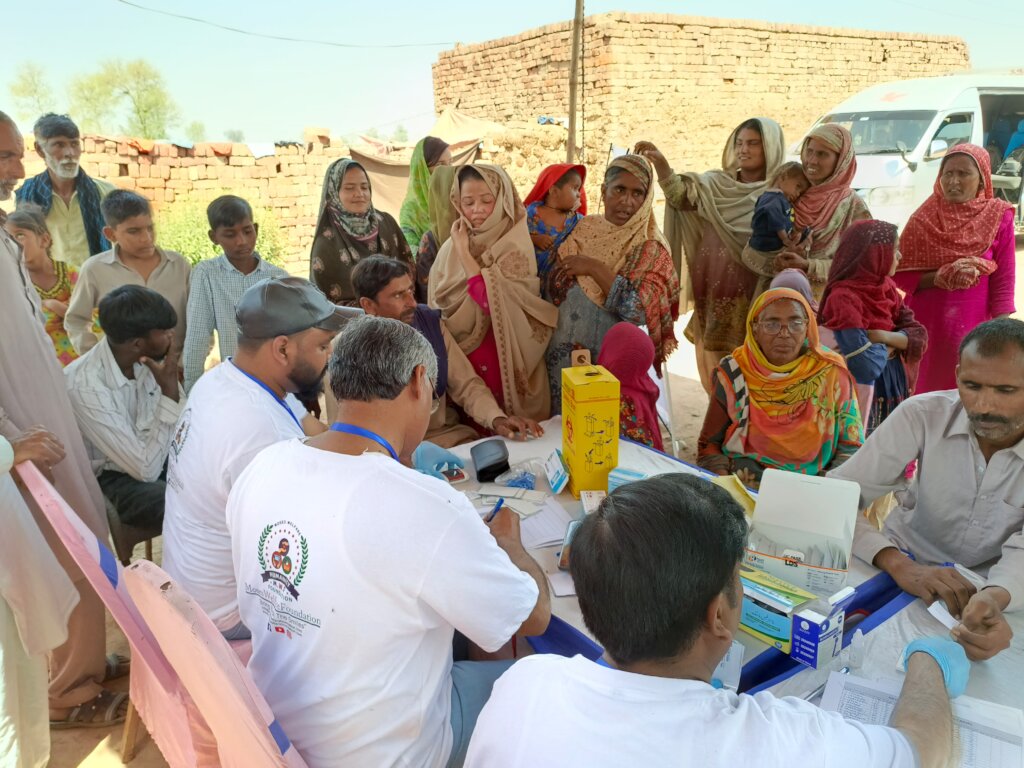
Eligible community members will be supported in accessing hepatitis B and hepatitis C screening through appropriate medical and laboratory services.
People with reactive or positive screening results will be encouraged and supported to obtain confirmatory testing and appropriate clinical evaluation.
3. Medical Referral and Treatment Support
Patients requiring treatment will be connected with qualified healthcare providers and appropriate medical facilities.
Where project resources permit, financial assistance may support eligible patients with necessary medical consultations, diagnostic procedures, medicines, and follow-up care.
Treatment decisions will be made by qualified healthcare professionals according to the patient's medical condition and applicable clinical guidance.
4. Follow-Up Care
Hepatitis care does not end with screening.
Patients will be encouraged to complete recommended medical evaluations and follow-up appointments. The project will work to reduce the risk of patients being lost between screening, diagnosis, treatment, and continued care.
5. Health Education
Community members will receive practical information about hepatitis prevention, testing, treatment, and when to seek medical attention.
Educational activities may address:
Who We Aim to Reach
The project will prioritize vulnerable people living in underserved communities who face financial or geographic barriers to hepatitis-related healthcare.
Priority may be given to:
Services will be provided based on medical need, vulnerability, and available project resources.
Expected Outcomes
The project aims to improve access to hepatitis prevention, screening, diagnosis, treatment, and follow-up care.
Expected outcomes include:
Long-Term Impact
The long-term objective is to contribute to healthier and better-informed rural communities where people can access hepatitis-related healthcare before preventable complications develop.
Early identification and appropriate medical care can help patients receive treatment at the right stage and reduce the likelihood of serious health consequences.
Improved healthcare access can also benefit families economically. When people are healthier, they are better able to work, care for their children, maintain household responsibilities, and participate in their communities.
The project will also seek to strengthen local awareness so that communities understand that hepatitis can be prevented, tested for, and medically managed.
A Sustainable Healthcare Approach
Medical camps can provide an important entry point into healthcare, but sustainable hepatitis care requires continuity.
For this reason, the project will seek to develop relationships with qualified doctors, laboratories, hospitals, pharmacies, community health workers, and other appropriate healthcare partners.
Over time, Moses Welfare Foundation aims to strengthen a referral network that can connect vulnerable patients to continuing medical services beyond individual outreach events.
Subject to future resources and partnerships, the organization also envisions establishing or supporting a more permanent community healthcare facility capable of providing regular medical services to underserved populations.
Monitoring and Accountability
Project activities will be monitored through measurable indicators, including:
Patient privacy and dignity will remain a priority. Personal medical information will be handled responsibly, and beneficiary stories or photographs will only be used with appropriate consent.
Use of Funds
The project seeks to raise $150,000 to expand hepatitis-related healthcare access among vulnerable communities in Pakistan.
Funding may support:
The allocation of funds will depend on patient needs, healthcare costs, project locations, partnerships, and available resources.
Why This Project Matters
For many vulnerable families, healthcare is delayed not because treatment does not exist, but because the pathway to diagnosis and care is financially or geographically out of reach.
A screening opportunity can help identify a person who may otherwise remain unaware of an infection. A medical referral can connect that person to appropriate care. Treatment support can help prevent financial hardship from becoming a barrier to essential healthcare.
This project seeks to create that pathway from awareness and screening to diagnosis, treatment, and follow-up.
Our Vision
Moses Welfare Foundation envisions communities where people are not forced to live with untreated hepatitis simply because they are poor, live far from healthcare facilities, or lack information about available services.
Through community outreach, screening, medical referrals, treatment support, prevention education, and long-term healthcare partnerships, the project aims to help vulnerable families access the care they need and build a healthier future.
The goal is simple: identify illness earlier, connect people with appropriate care, support families through treatment, and bring essential healthcare closer to communities that need it most.
Project reports on GlobalGiving are posted directly to globalgiving.org by Project Leaders as they are completed, generally every 3-4 months. To protect the integrity of these documents, GlobalGiving does not alter them; therefore you may find some language or formatting issues.
If you donate to this project or have donated to this project, you can receive an email when this project posts a report. You can also subscribe for reports without donating.



Support this important cause by creating a personalized fundraising page.
Start a Fundraiser