By Adina Farmaner | Executive Director
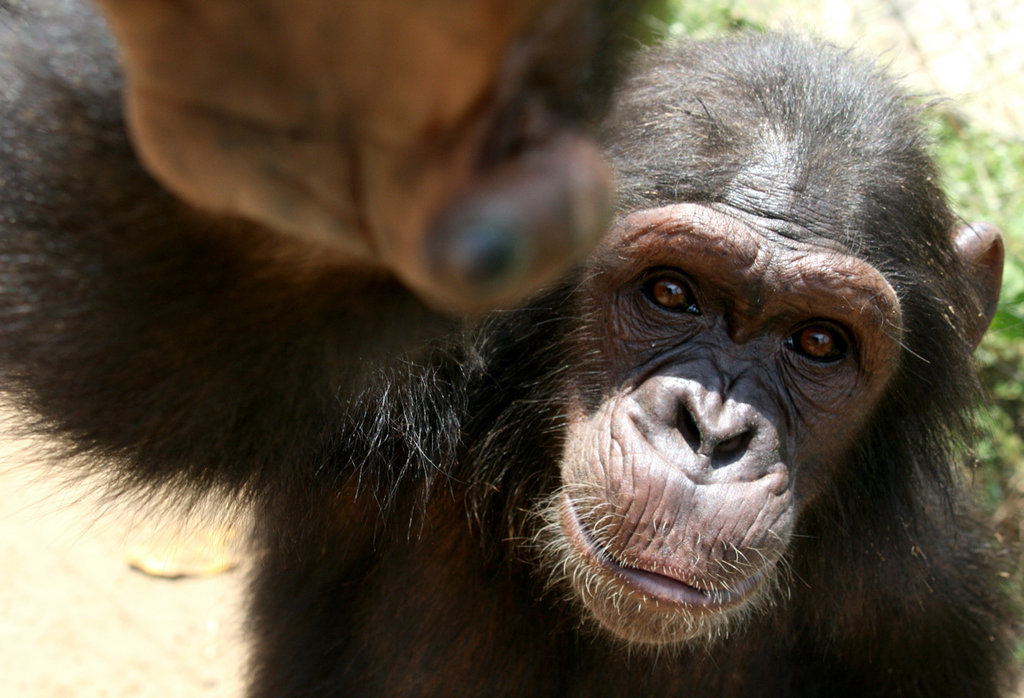
In the 50 years since Dr Jane Goodall first set foot on the shores of Lake Tanganyika in what is now Tanzania’s Gombe National Park, the chimpanzee behavioural research she pioneered there has produced a wealth of scientific discovery, and her vision has expanded into a global mission to empower people to make a difference for all living things. The Gombe research started in 1960 with Jane Goodall’s observations of chimpanzee behaviour and became one of the longest-running studies of animals in the wild. But it is so much more. The Gombe research has helped provide answers to many of the world’s most-compelling questions, including: • What it means to be human; • How certain diseases are spread; • How to balance the needs of people and nature; • How to stop the destruction of tropical forests, a major factor in climate change; • How to improve the plight of women in developing countries; • How to help people in developing countries foster environmentally and economically sustainable communities; and • How to prepare young people to address the issues impacting our planet. The impact of the Gombe research spans the globe and covers a wide range of scientific disciplines, including human evolution, ethology, anthropology, behavioural psychology, sociology, conservation, disease transmission (including HIV-AIDS), aging and geospatial mapping. Dr Goodall and the Gombe research have inspired a generation of scientists around the world, a great many of them women, to work not just in chimpanzee behaviour but more broadly in conservation. In recognition of Gombe National Park’s irreplaceable position in our world’s natural heritage and its outstanding value to humanity, the United Republic of Tanzania has selected the park for consideration as a United Nations World Heritage site.
Links:
Project reports on GlobalGiving are posted directly to globalgiving.org by Project Leaders as they are completed, generally every 3-4 months. To protect the integrity of these documents, GlobalGiving does not alter them; therefore you may find some language or formatting issues.
If you donate to this project or have donated to this project, you can receive an email when this project posts a report. You can also subscribe for reports without donating.