By Adina Farmaner | Executive Director JGI UK
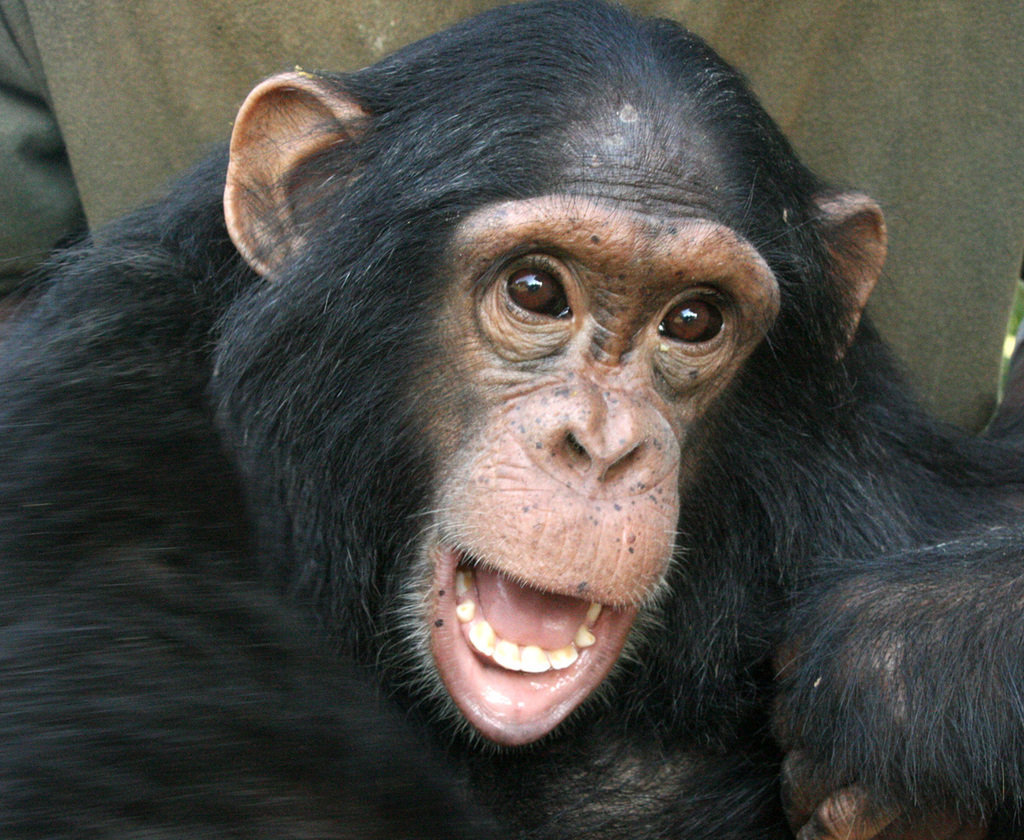
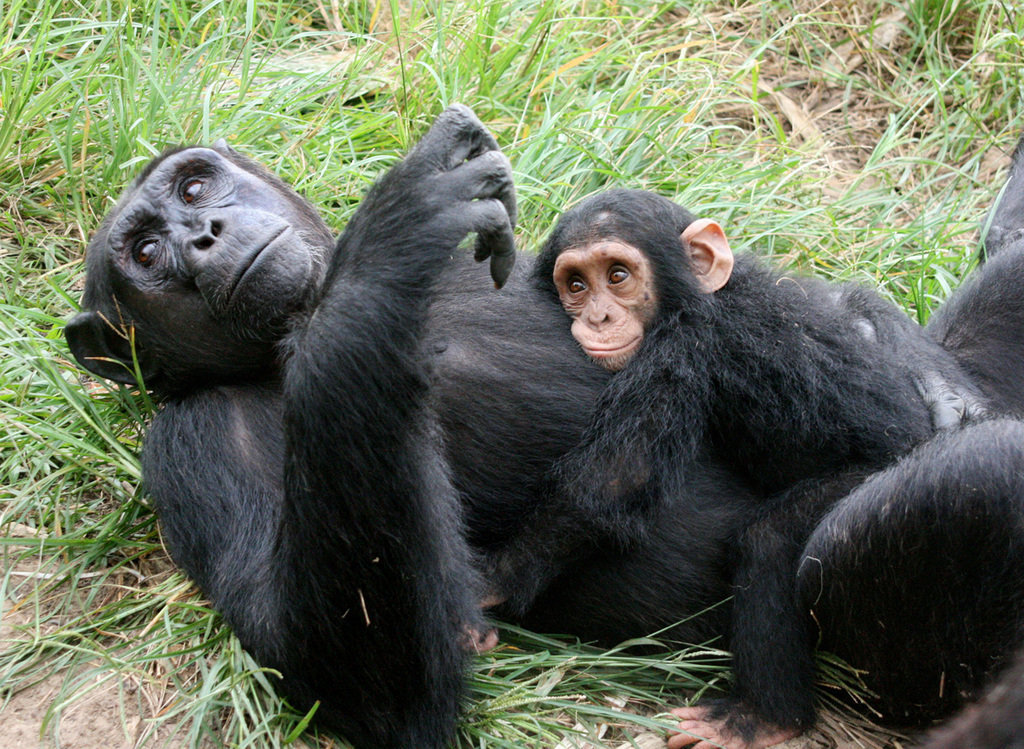
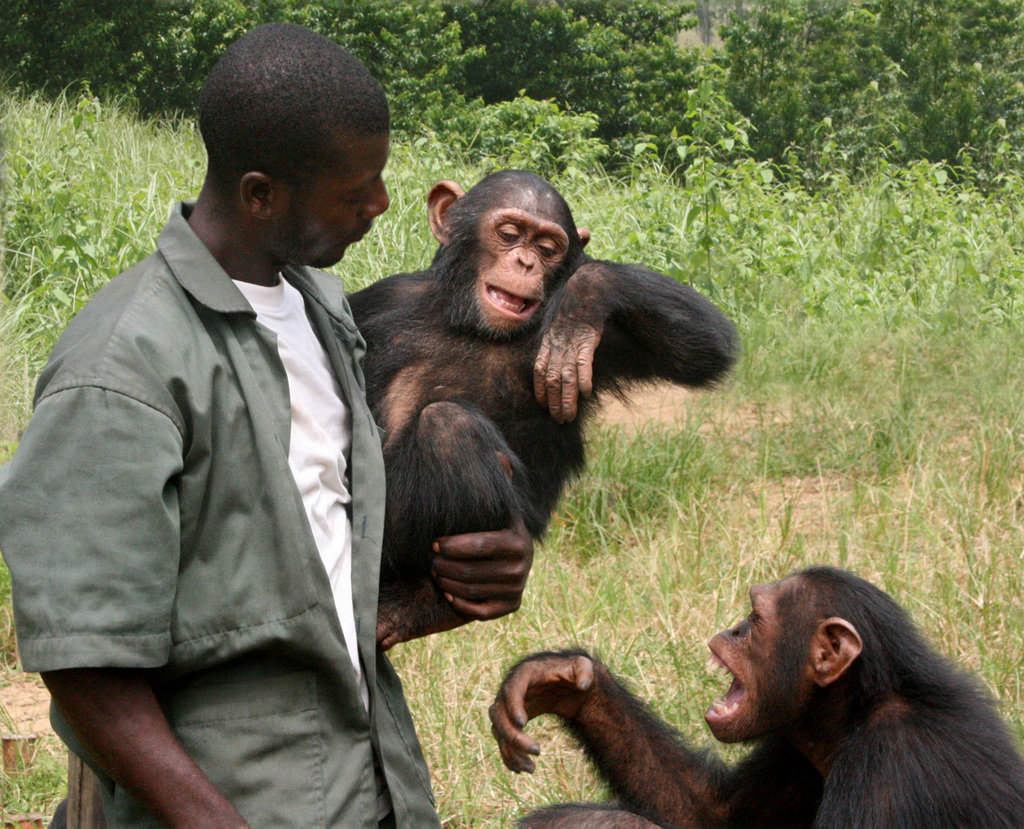
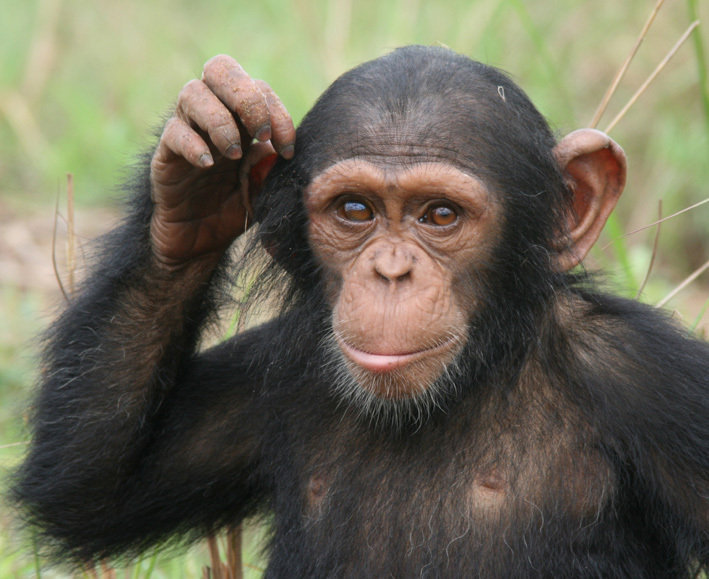
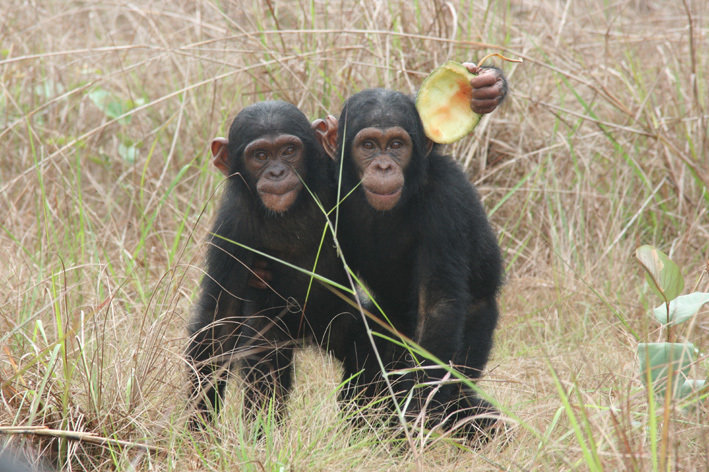
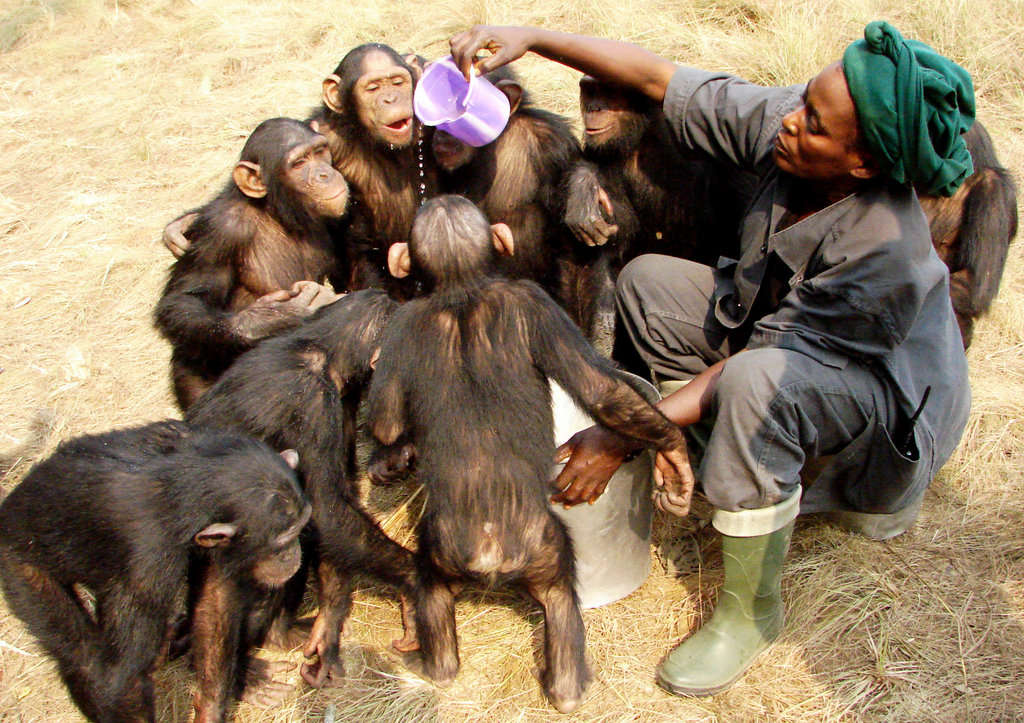
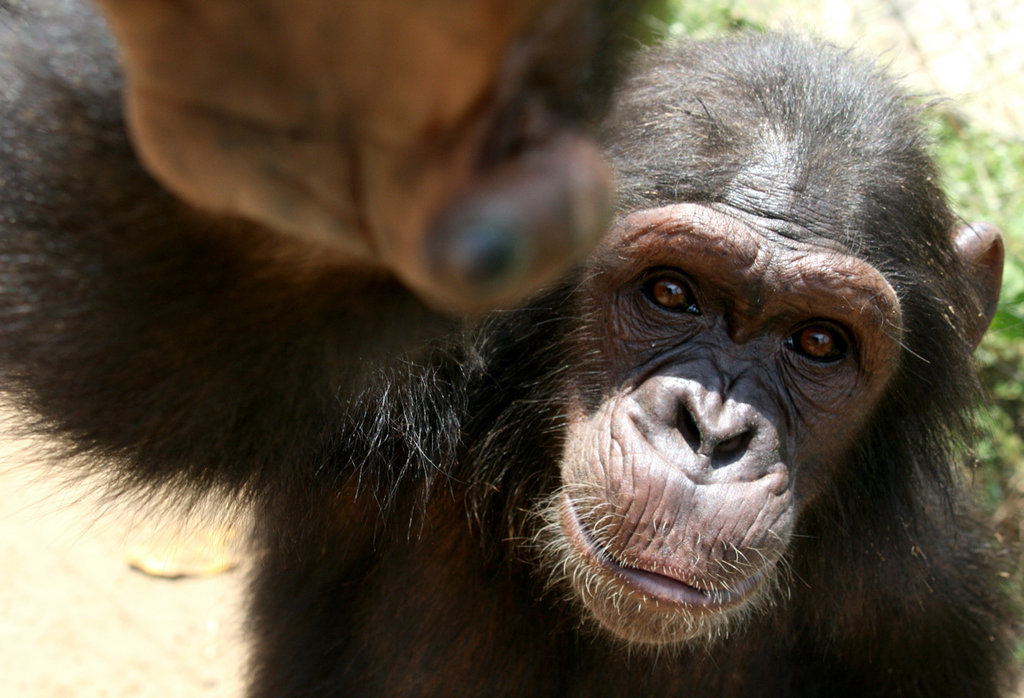
Despite the massive emotional trauma they undergo when captured from the wild, orphaned apes at Tchimpounga often make a complete psychological recovery, according to the results of a joint Harvard University and Duke University study. Researchers Virginia Wobber of Harvard and Brian Hare of Duke observed orphaned chimpanzees and bonobos at sanctuaries in central Africa :
“We found that orphans showed lower levels of aberrant behaviours, similar levels of basal cortisol, and highly similar performance on a broad battery of cognitive tests as individuals at the sanctuaries,” the authors wrote.
"The sanctuaries' ability to not only bring apes and monkeys back from the brink of death, but also restore social and behavioral instincts is a testament to their dedication."
Wobbin and Hare conducted their research at the Tchimpounga Chimpanzee Rehabilitation Centre in Congo and the Lola ya Bonobo sanctuary in the Democratic Republic of Congo. Apes at those sanctuaries actually exhibited a higher degree of normal behaviour in tests than chimpanzees examined at the Leipzig Zoo in Germany.
Most orphans reach sanctuaries as a result of the illegal bushmeat trade, whereby adult apes are hunted for food and infants are sold as pets. A chimpanzee or bonobo that arrives at a sanctuary has often spent weeks or months living under extreme stress. But the sanctuaries offer rich social and physical environments – including ad-hoc family groups and forest enclosures that encompass hundreds of acres, in some cases – that help speed the recovery, according to the study.
Project reports on GlobalGiving are posted directly to globalgiving.org by Project Leaders as they are completed, generally every 3-4 months. To protect the integrity of these documents, GlobalGiving does not alter them; therefore you may find some language or formatting issues.
If you donate to this project or have donated to this project, you can receive an email when this project posts a report. You can also subscribe for reports without donating.