Brief Report: Work for Recovery Project
Project Title: Work for Recovery: Enhancing Women’s Mental Health through Cash-for-Work Opportunities in Gaza
Funding Partner: Gaza Mental Health Foundation – United States
Grant Amount: USD 50,000
Reporting Period: March–September
Direct Beneficiaries: 33 women receiving services through AISHA’s Mental Health Clinic
Project Overview
With support from its strategic partner, the Gaza Mental Health Foundation in the United States, AISHA Association for Woman and Child Protection implemented the Work for Recovery project as an integrated model combining mental health support with temporary Cash-for-Work opportunities.
The intervention was developed in response to findings from AISHA’s needs assessment and Mental Health Clinic reports, which indicated that, for some women undergoing psychological support, access to appropriate and structured work could make a meaningful contribution to their recovery. The project therefore sought to help women translate progress achieved through psychological care into greater independence, productivity, self-confidence, and psychosocial and economic stability.
Beneficiaries were selected based on psychological assessments and reviews of their individual recovery plans, rather than economic vulnerability alone. Employment periods ranged from three to six months, depending on individual needs and professional assessment, with monthly payments ranging from USD 300 to USD 400.
Implementation and Reach
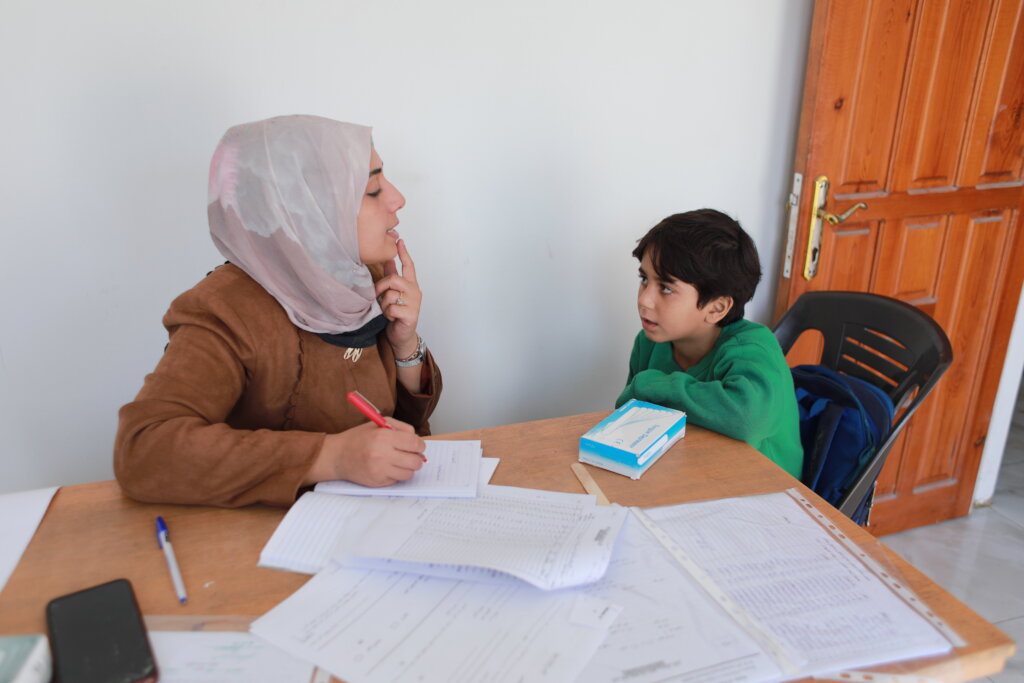
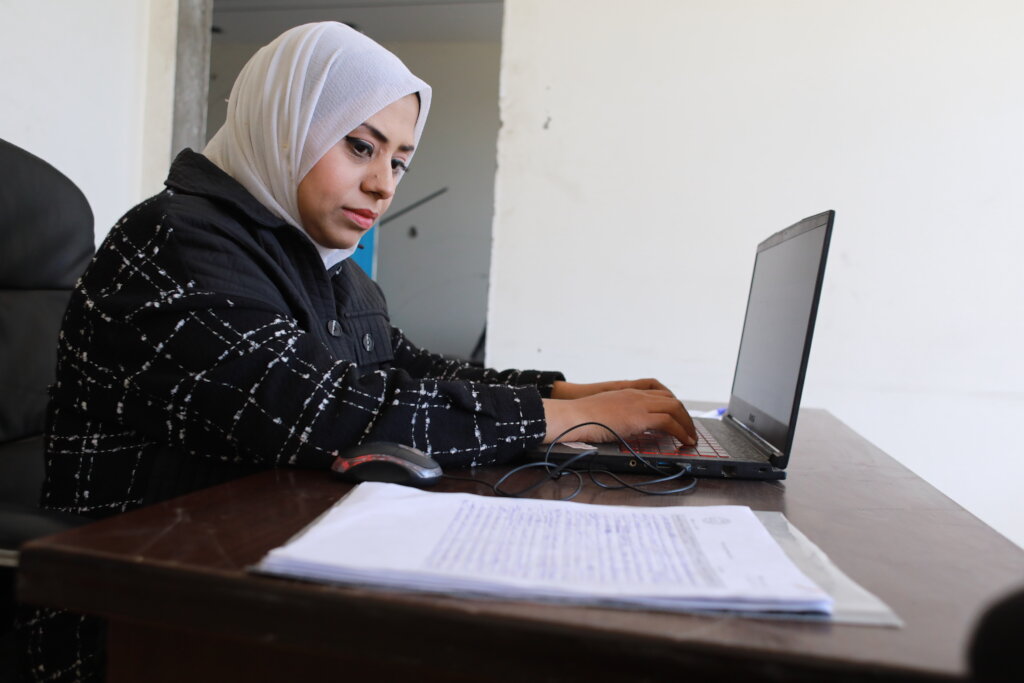
During the first phase, 27 women receiving services through AISHA’s Mental Health Clinic were provided with three-month temporary work opportunities matched, as far as possible, to their skills, capacities, and psychological condition.
Continuous follow-up showed that 8 women from the first group would benefit from continuing their work placements as part of their recovery plans, and their participation was therefore extended according to individual need. At the same time, 6 new women were enrolled in the second phase for an additional three months.
Overall, the project has directly reached 33 unique women, demonstrating a flexible and needs-based approach rather than applying a standardized duration of support to all participants.
Results and Emerging Impact
Pre- and post-assessment results from the first phase demonstrate substantial positive change. The overall assessment score increased from 47% at baseline to 90.12% at endline, representing an overall improvement of 91.7%.
The assessment identified progress across several dimensions, including psychological and social wellbeing, family relationships, protection and safety, empowerment and sustainability, and economic and employment-related outcomes.
These results reinforce the project's central approach: when employment opportunities are linked to professional psychological assessment and continuous follow-up, Cash-for-Work can serve not only as temporary income support, but also as a complementary tool within a broader recovery pathway. Structured work can contribute to restoring dignity, confidence, purpose, productivity, and independence while reducing economic pressures that directly affect women’s mental health and family and social stability.
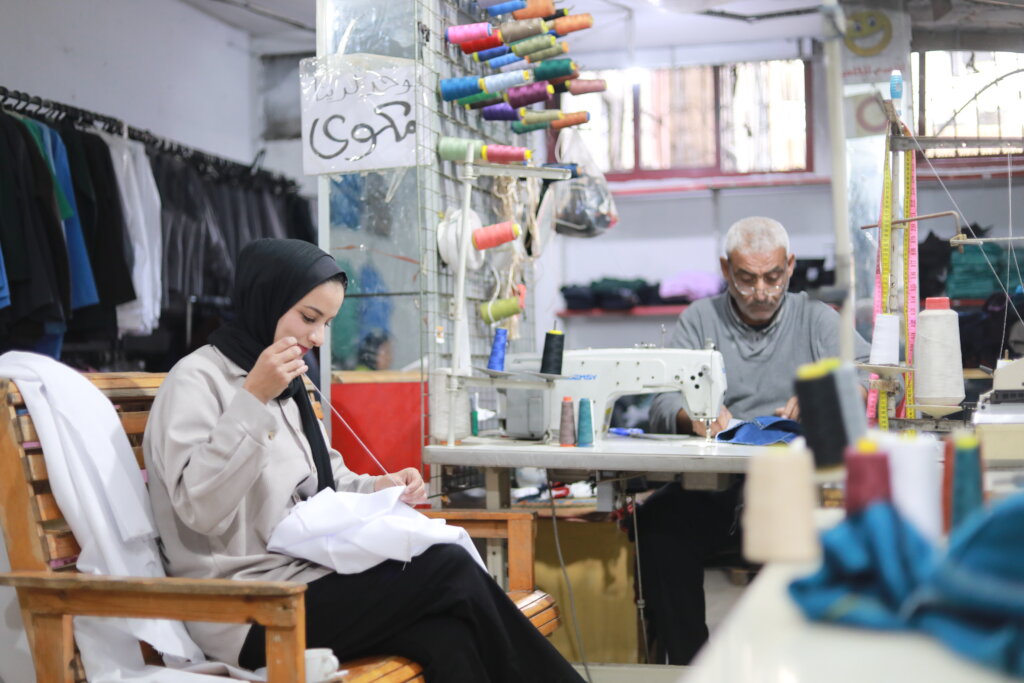
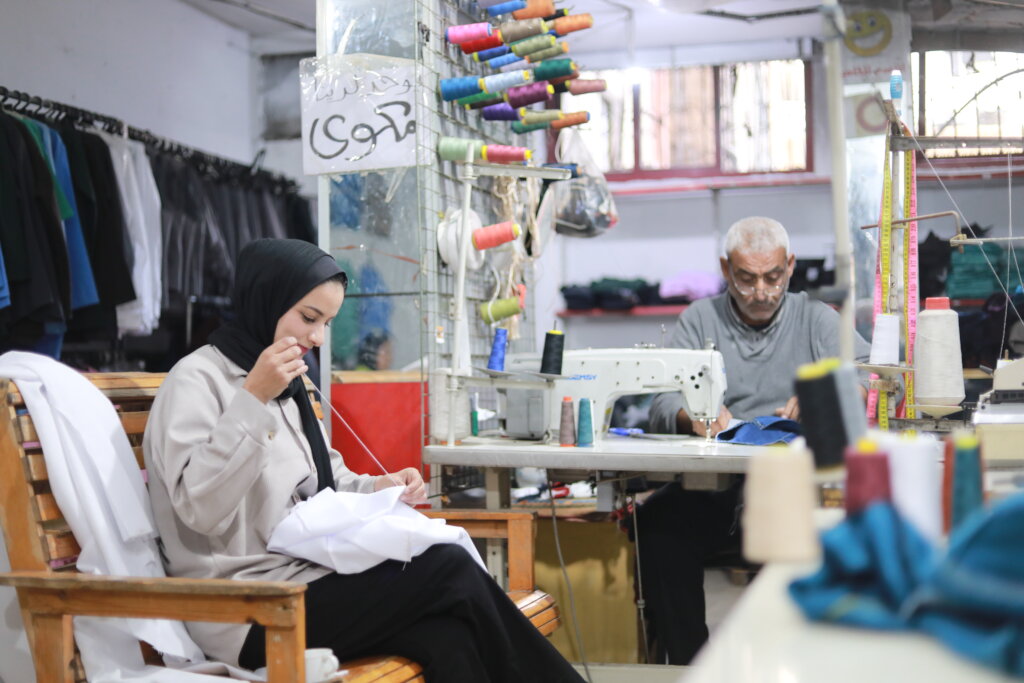
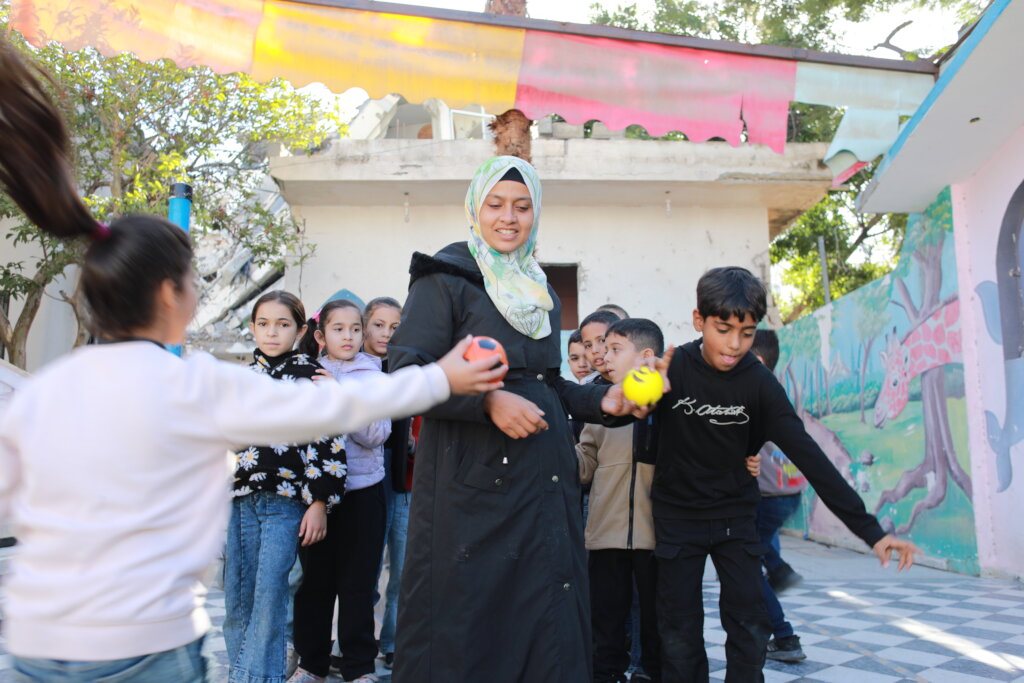
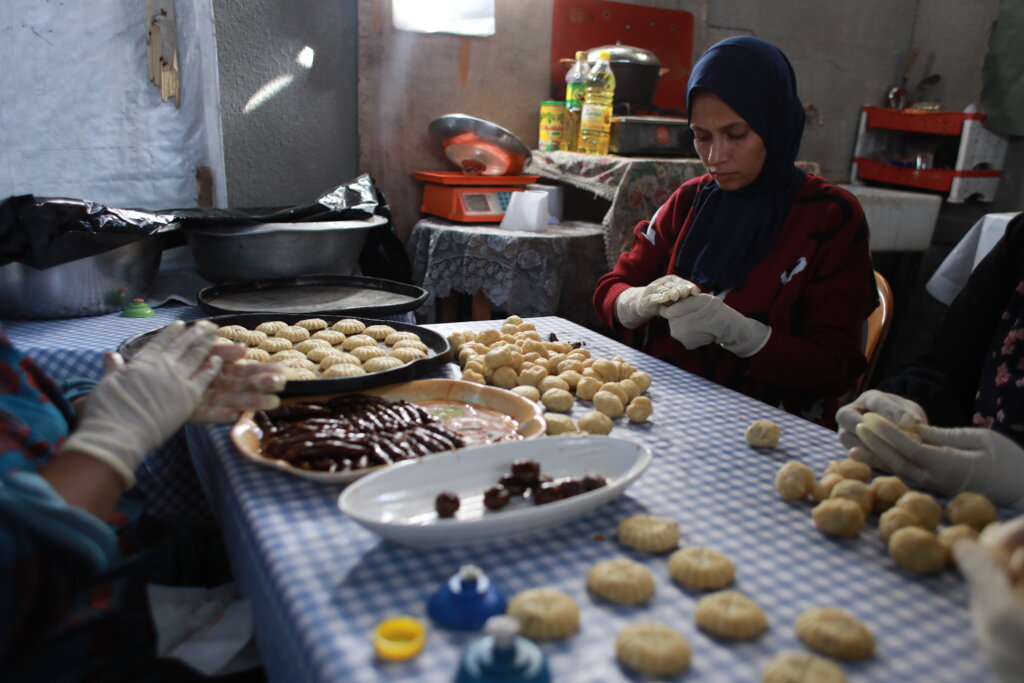
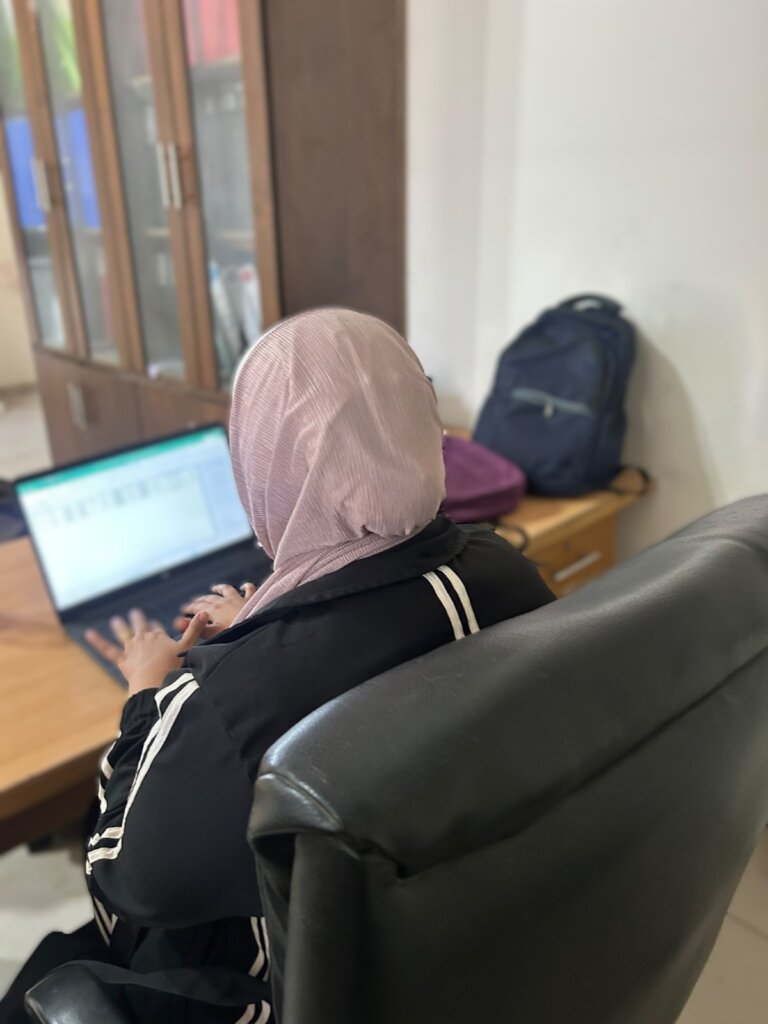
The accompanying photo features one of the women participating in the Work for Recovery project during her temporary work placement, illustrating how an appropriate employment opportunity can become part of a broader pathway toward psychological, social, and economic recovery.
The experience highlights the value of integrated approaches that connect mental health recovery with meaningful economic participation, particularly in Gaza, where psychological, social, and economic pressures are deeply interconnected.