By Katherine Kolios | Executive Director
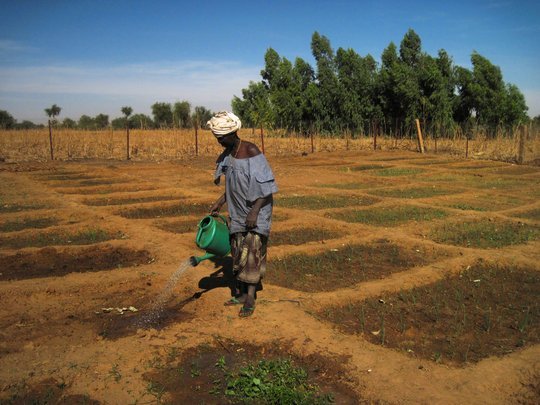
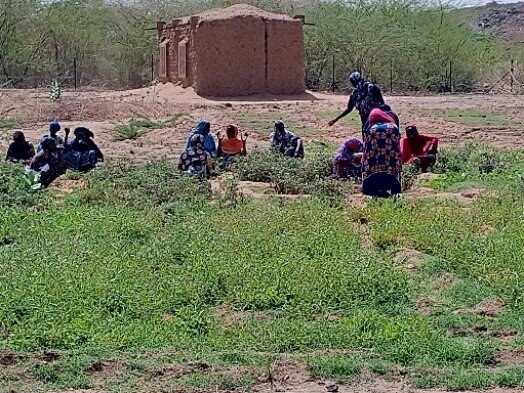
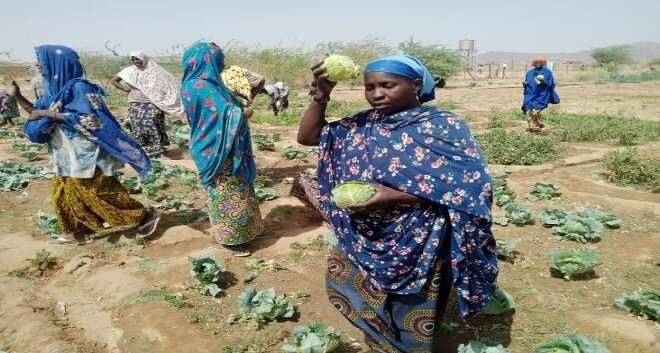
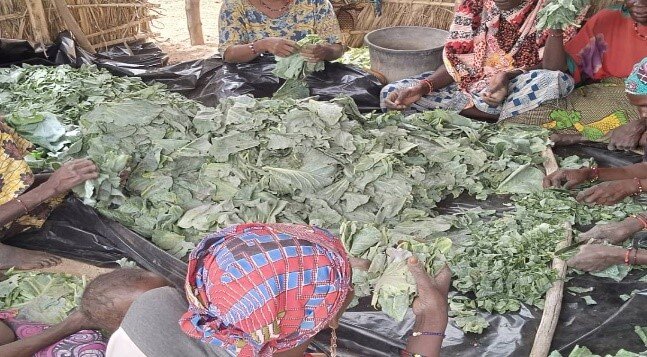
Over the last garden season, 70 women cultivated almost 28,000m2 and have successfully grown wheat, barley, tomatoes, onions, watermelon, squash, lettuce, peppers, cabbage, corn, and zucchini among other marketable products.
All the products (over 600kg/garden from the last harvest) are divided into 3 groups:
In the most recent harvest:
Unfortunately, local monkeys also like watermelon! After they ate up a number of the watermelons in Betarmatas, we realized the terrain needs to be better secured. Fortunately, there was still plenty of food. In addition to what was sold, consumed, used for seeds, and eaten by monkeys, participants stocked approximately 6 sacks of zucchini and 6 sacks of dried cabbage.
Ongoing trainings included:
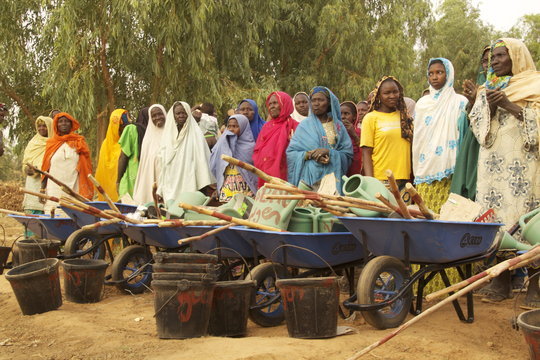
We also offered trainings around trees and helped to layer this new piece into the community gardens through the planting of 285 trees.
In Betarmatas, we supported the planting of:
The program participants were so enthusiastic about this new development that when RAIN’s team arrived, they had already dug out the holes where the trees would go and composted the soil for planting them. The Village Chief encouraged the broader community to support the efforts and many of them showed up to help.
In Tchingrof, we supported the planting of:
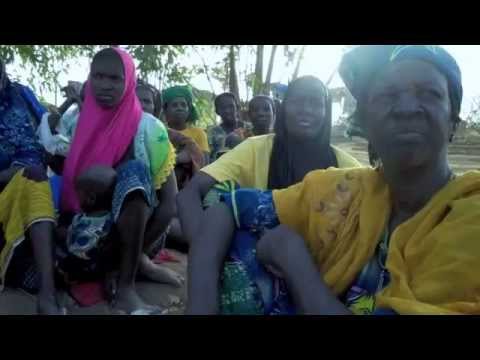
Here, the women worked to dig the holes, compost the soil, and plant and water the new trees. They retired to the Village Chief’s house for a community-wide meeting where they expressed their gratitude for this project and reiterated their commitment to maintaining the garden and ensuring its smooth operations.
Now, the communities are actively preparing for the rainy season. So far, the next round of planting includes 87 beds of zucchini, 6 beds of onions, 24 beds of corn, 34 beds of tomatoes, and some squash plants. Both Communities will also work to foster their new fruit trees.
Program participants have grown more varied produce and seen greater yields than in the past but after a year of limited rainfall, the entire valley is facing a drop in the water table. The primary concern, for now, is around limited wheat production. While the women are still producing enough outputs for both consumption and sales, the reduced yields limit their ability to set as much food aside for dry-season stockage or to sell enough goods to establish a more robust financial cushion (for upkeep of the garden and to meet their individual families' needs). Continued training and support will help them to plan for and weather these unpredictable conditions.
Links:
Project reports on GlobalGiving are posted directly to globalgiving.org by Project Leaders as they are completed, generally every 3-4 months. To protect the integrity of these documents, GlobalGiving does not alter them; therefore you may find some language or formatting issues.
If you donate to this project or have donated to this project, you can receive an email when this project posts a report. You can also subscribe for reports without donating.


Support this important cause by creating a personalized fundraising page.
Start a Fundraiser