By Katherine Kolios | Executive Director
Niger is ranked 189 of 191 countries on the 2022 UN Human Development Index and 154 of 167 on the UN Gender Equity Index. 90% of the country is considered to be in “multidimensional poverty.” Opportunities in Niger’s subsistence economy are severely limited, especially for women. While a secondary education creates access to stable, salaried jobs, such as teaching, nursing, or law enforcement, systemic barriers to education have resulted in less than 5% of women having any secondary education (UNESCO). Formal training programs in the remote areas where RAIN operates are virtually nonexistent. Further, fewer than 11% of women nationally have access to a financial institution or mobile money-service provider. Our program addresses these intersecting challenges, so women have access to the training, resources, and capital they need to establish financial and food security. By giving women the opportunity to independently build their own livelihoods, we not only promote gender equality but help whole villages to flourish.
As a land-locked country covered predominately by the Sahara Desert, Niger has been one of the hardest hit by the climate crisis. With temperature increases expected to be 1.5 times higher than the global average, Niger is faced with higher inter-and intra-annual variability in rainfall, resulting in more frequent and extreme droughts and floods (USAID). This significantly impacts Niger’s soil, crop production, and availability of potable water, and as a result agricultural income opportunities, particularly in under-resourced rural areas. 50% of children under-5 years old are chronically undernourished (USAID, 2021) and more than half of Niger’s 20 million people do not have access to safe drinking water (WaterAid). Additionally, 84% of Niger’s population lives in rural areas that are disproportionately under-resourced, making them even more vulnerable to climate change (World Bank, 2019).
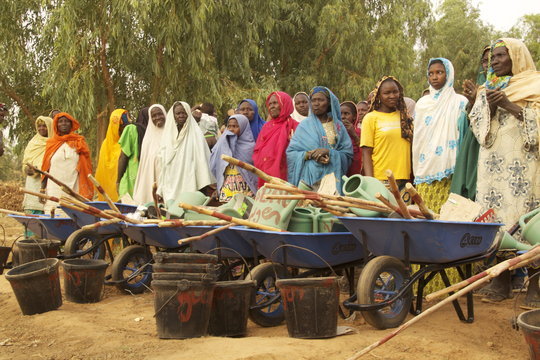
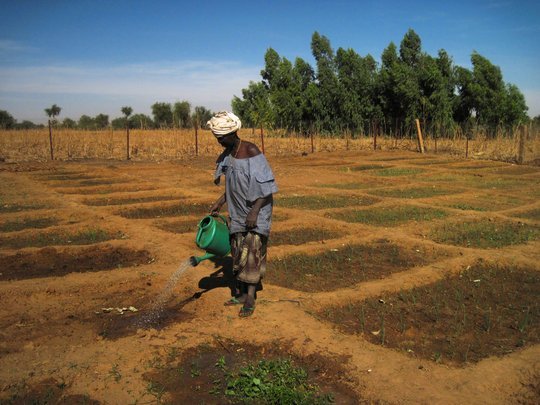
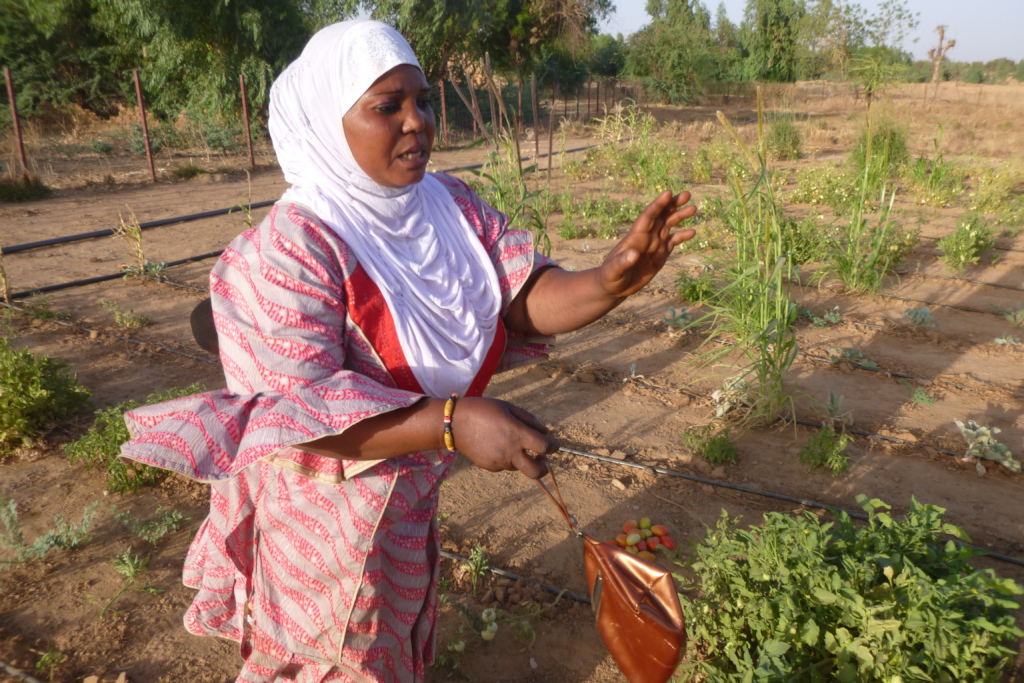
In 2023, RAIN will provide training and technical assistance to 95 women in isolated rural communities in the Agadez region of Niger, using community gardens as a testing ground for practices the women can implement in their own fields. Training includes learning about organic pesticide techniques, monitoring and improving soil quality, water conservation, co-planting, crop rotation, ground cover, and how to leverage new knowledge and skills to build sustainable livelihoods. The women will also gather to share their learnings, brainstorm, and access expert advice and assistance to deal with their own challenges. The project will help promote economically and environmentally sustainable practices and diversify the foods that are available locally to promote greater health for the 4,000 Nigeriens accessing food in these markets.
Access to water for irrigation: Drill a well in the commune of Aderbissinat to provide 1,729 Nigeriens across 271 households in 8 neighboring communities with reliable water:
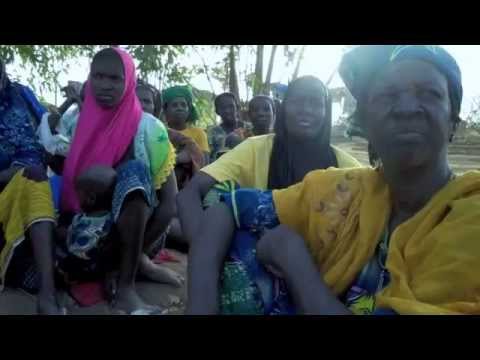
Increased local capacity and economic stability: Empower 95 local women with the knowledge and skills to build livelihoods from sustainable agriculture through ongoing trainings:
Increased planting in the commune of Aderbissinat, Niger: Support partner communities in establishing, preparing, and utilizing over 2 hectares (just shy of 5 acres) of irrigated garden plots:
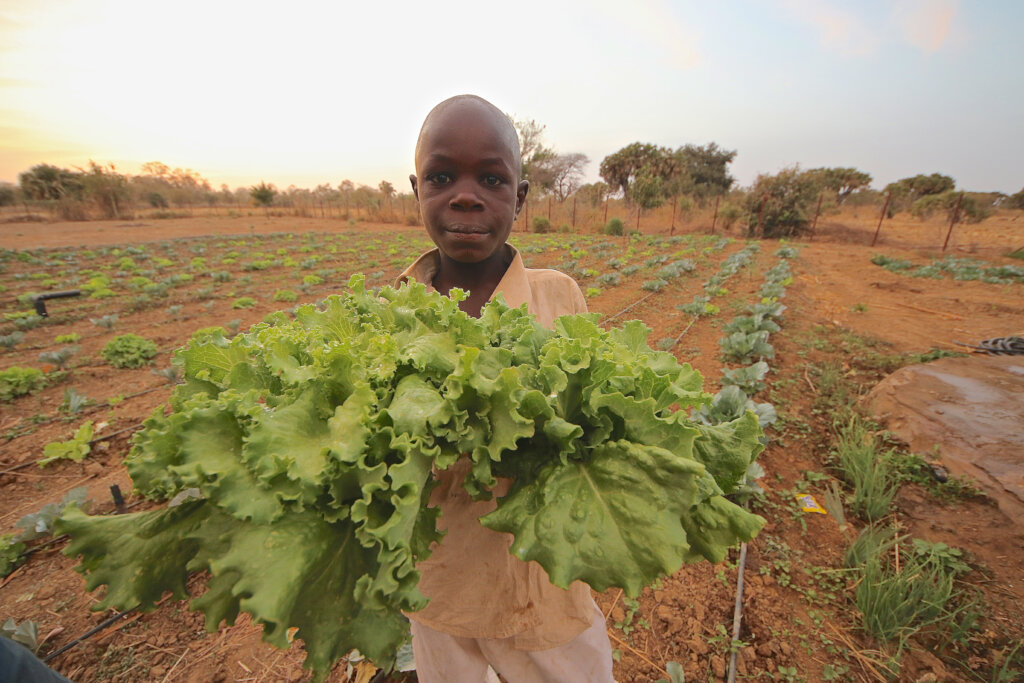
Improved yields and incomes: Harvestat least 2,500Kg of crops per year to earn income while meeting the nutritional needs of almost 4,000 Nigeriens in neighboring villages:
In addition we are in the early stages of helping create a network linking these small-scale farmers to one another and to women in the city of Agadez, which expands the participants’ market access as well as the produce available in each of their communities. By connecting the women for roundtables, they can share their own experiences, successes, and challenges and see how they compare to and differ from other groups. City-based market space enables participants to sell products from the rural areas, and to access materials and resources from the city that are needed in the rural areas. Also this network will allow women to access produce they can't or don't yet grow in their own community and to provide things they grow that others can't/don't.
Our funding partner Pathfinder International is focused on family planning, sexual and reproductive health, training on gender-based violence training, and access to health services. We see a very strong linkage between these issues with regard to resilience - it is not enough to do family planning if women don't have food security and financial agency but also these are at risk if they don't have autonomy.
Links:
Project reports on GlobalGiving are posted directly to globalgiving.org by Project Leaders as they are completed, generally every 3-4 months. To protect the integrity of these documents, GlobalGiving does not alter them; therefore you may find some language or formatting issues.
If you donate to this project or have donated to this project, you can receive an email when this project posts a report. You can also subscribe for reports without donating.


Support this important cause by creating a personalized fundraising page.
Start a Fundraiser