By Ana Godinez | Project Leader
Following the work and lessons highlighted in the previous report, during the first months of 2026, Fondo Semillas continued strengthening its feminist emergency response strategy, with a particular focus on preparedness, risk management, and long-term territorial resilience.
At the beginning of the year, we temporarily paused the delivery of Rapid Response Funds (RRF) to reorganize the operational process for this new funding cycle, as 2026 is also the year in which new organizations are being selected for the upcoming financing period. Despite this pause, one RRF was granted to an organization in Guerrero after a series of earthquakes affected the region in early 2026. The resources supported community workshops focused on earthquake preparedness and prevention after local organizations found that many people lacked the information and tools to respond safely during seismic events.
Although no additional RRF related to environmental causes have been delivered so far this year, the current climate outlook has reinforced the importance of maintaining and strengthening emergency preparedness capacities. Forecasts indicate an atypical and particularly severe hurricane and rainy season associated with the Súper Niño phenomenon, which is expected to impact regions of the country in differentiated ways. In northern Mexico, extreme heat, droughts, and forest fires are expected to intensify, while the south, southeast, and central regions — previously affected by hurricanes and tropical storms — may face torrential rains, floods, and landslides.
Likewise, meteorological projections warn of a more intense-than-usual hurricane season, particularly in states such as Baja California, Colima, Michoacán, Jalisco, and Nayarit. The strongest impacts are expected between September and October, although effects may continue into the following year. In response to this scenario, Fondo Semillas maintains reserve funds to address future RRF requests linked to these crises.
Alongside these efforts, the Nodes Network for Feminist Response to Socio-Environmental Emergencies has continued strengthening collective capacities for territorial response and coordination. During these months, the Network began developing a digital application aimed at supporting feminist responses to emergencies and socio-environmental crises. The tool is being developed in collaboration with CoLibres.
As part of the first phase, a participatory diagnostic was conducted with the Nodes to identify the needs, risks, capacities, and priorities that should guide the application’s design. The process showed that emergencies are prolonged and overlapping, with women playing a central role in sustaining community responses, while also highlighting the importance of localized information and hybrid communication strategies.
Organizations also identified challenges related to digital divides, unstable connectivity, and the protection of sensitive information, reaffirming the need for technological tools grounded in the realities and needs of communities.
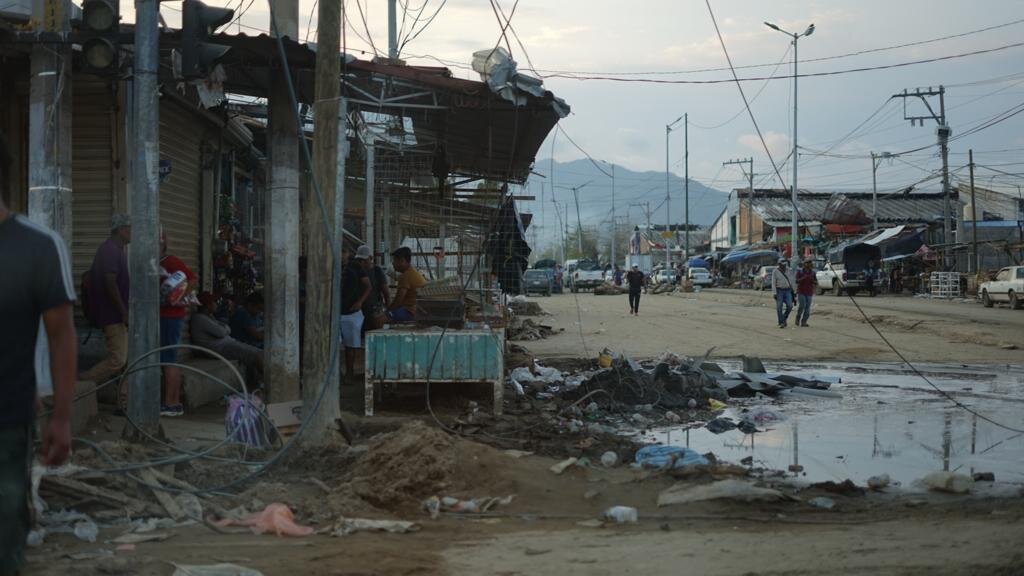
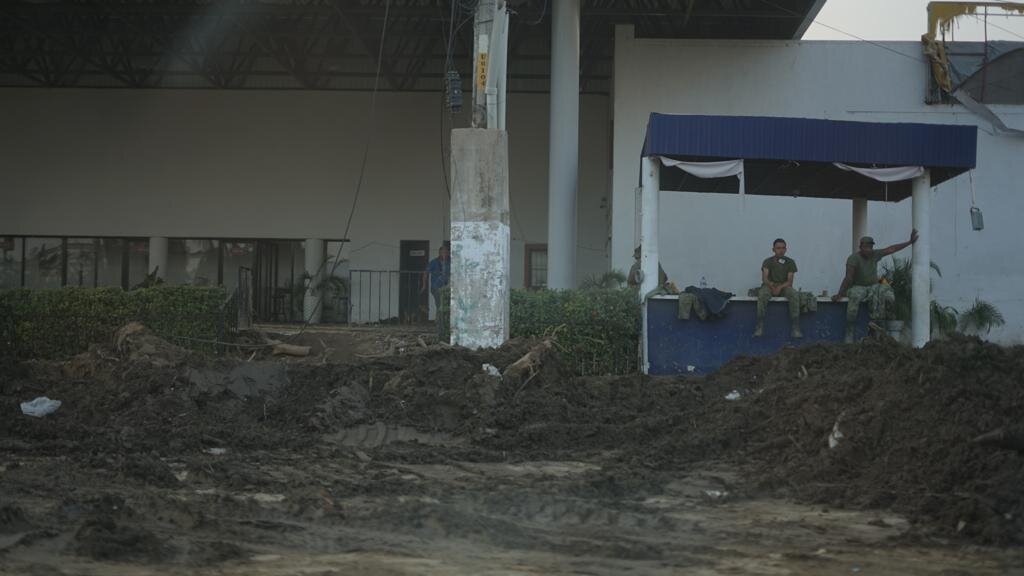
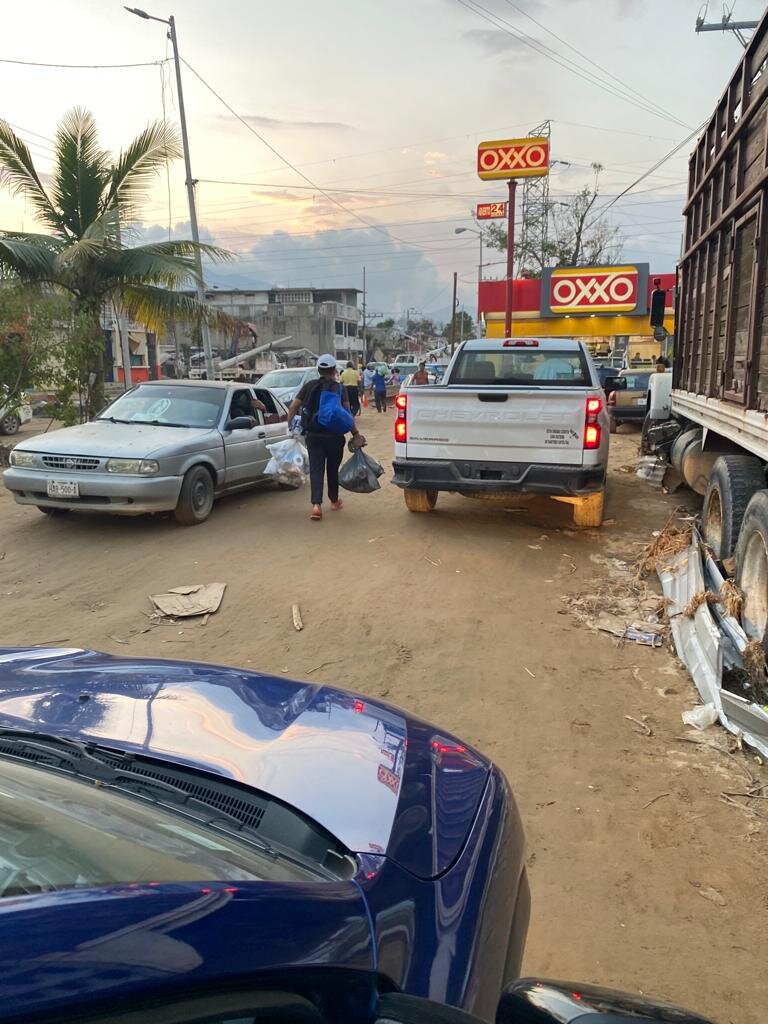
Finally, in March 2026, the Women Rebuilding Guerrero program formally ended. Among the most important findings in the final evaluation, we highlight that projects supported contributed to comprehensive reconstruction processes in affected communities. As one of the organizations established, we succeeded in integrating a feminist approach across our community actions, recognizing and making visible the inequalities women face in emergency contexts.
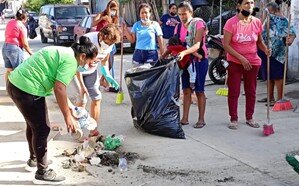
Besides, the supported initiatives addressed not only the physical reconstruction of homes and community spaces, but also infrastructure and service restoration, disaster risk management, recovery of livelihoods and local economies, emotional care and mental health, and the strengthening of community networks and social ties.
The evaluation also emphasized the remarkable capacity of organizations to adapt to overlapping crises while maintaining a strong commitment to their communities. As a result of these adaptations, many organizations incorporated healing processes and disaster risk management into their work in more sustained and transversal ways.
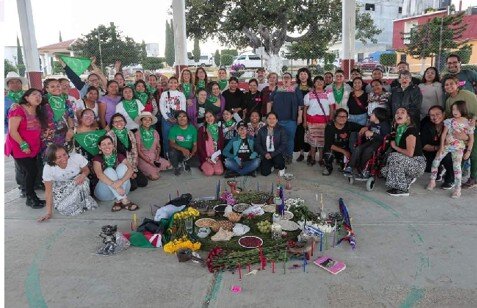
More broadly, the evaluation identified important progress in fostering a culture of prevention and collective preparedness for future disasters. It also highlighted the central role of collective and community-based action, as well as the importance of alliances and collaborations between organizations, networks, and collectives, which ultimately expanded the reach and impact of the strategies implemented across territories.
Project reports on GlobalGiving are posted directly to globalgiving.org by Project Leaders as they are completed, generally every 3-4 months. To protect the integrity of these documents, GlobalGiving does not alter them; therefore you may find some language or formatting issues.
If you donate to this project or have donated to this project, you can receive an email when this project posts a report. You can also subscribe for reports without donating.



Support this important cause by creating a personalized fundraising page.
Start a Fundraiser