By Shikha Dimri | Program Implementer-Communications, Azad
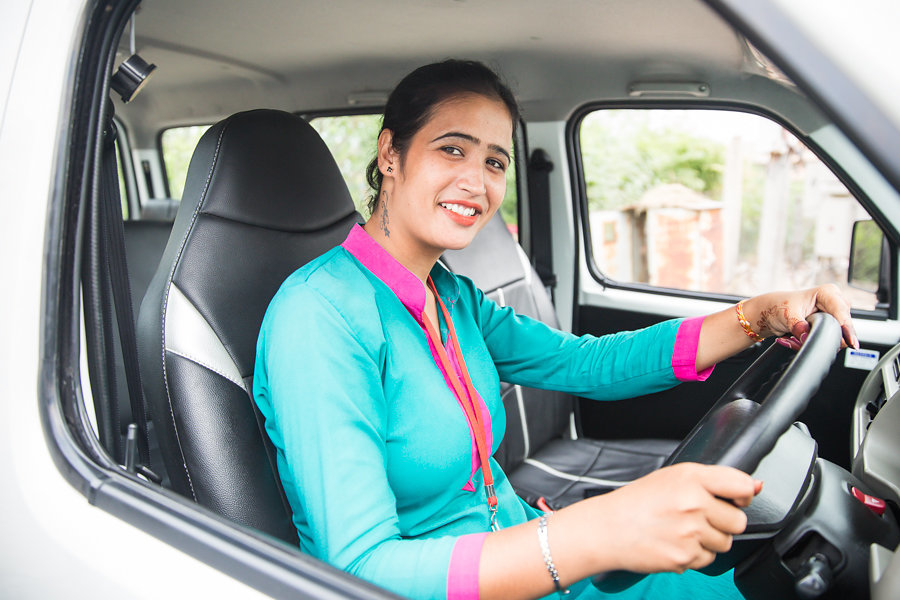
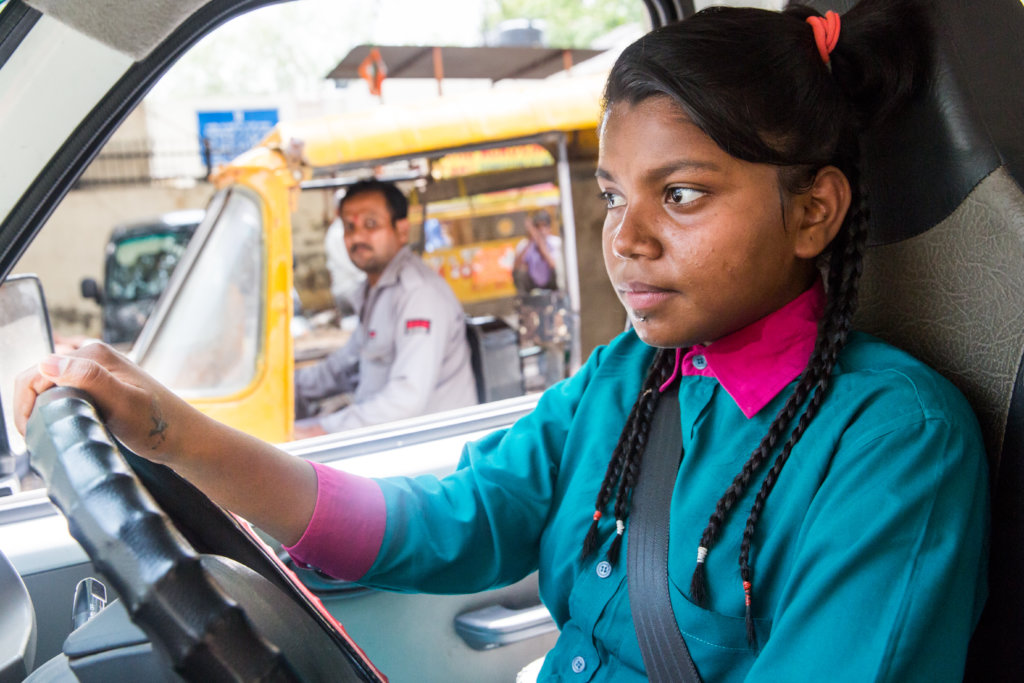
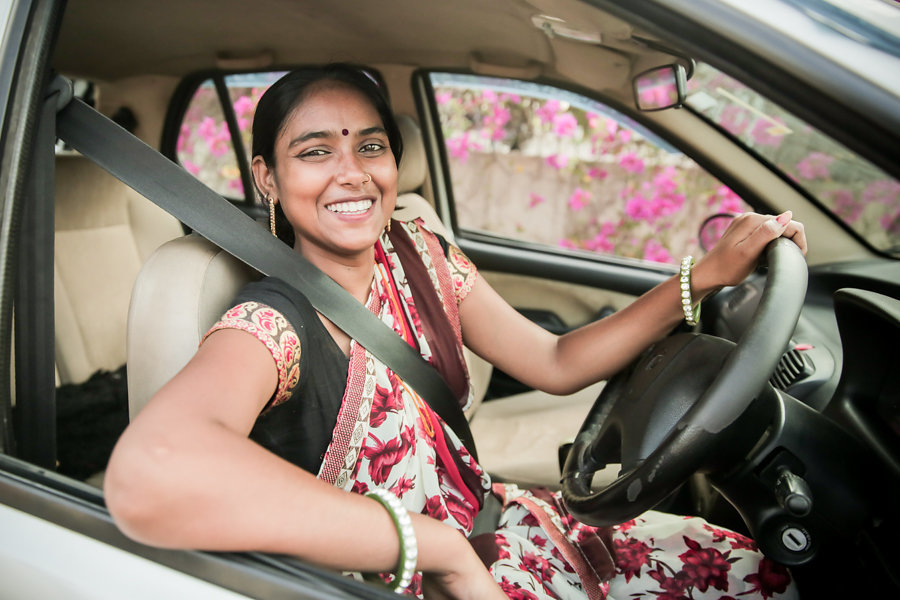
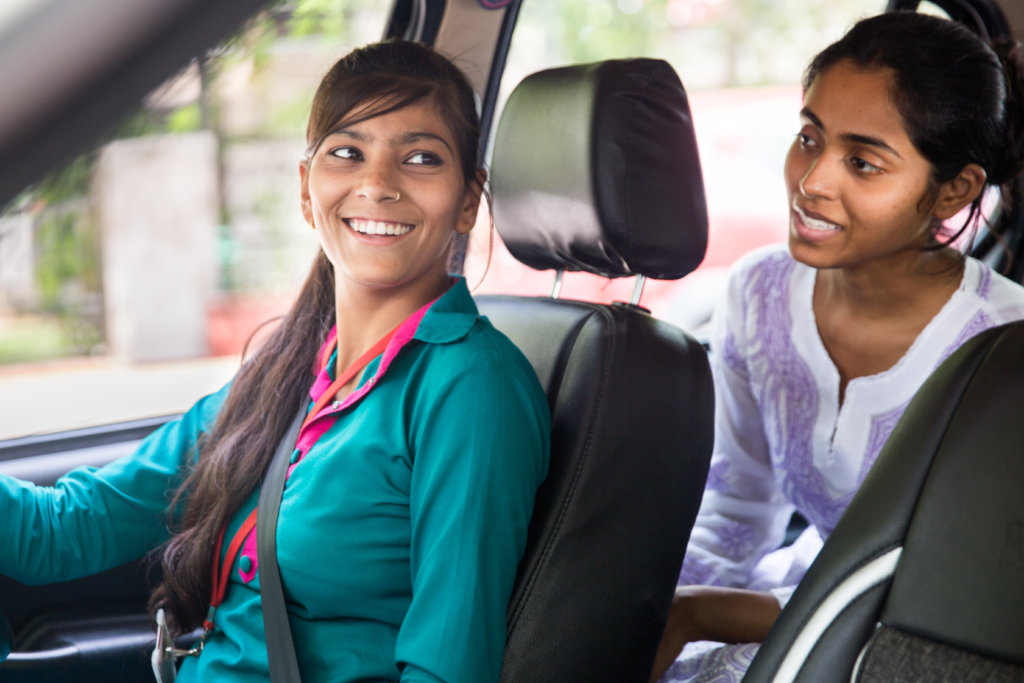
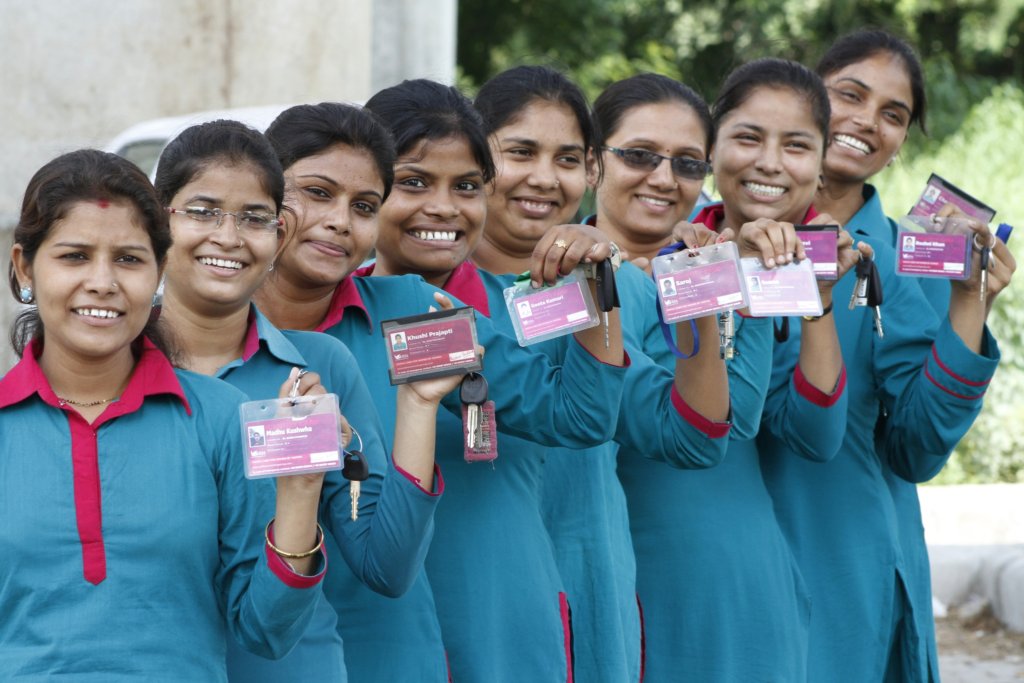
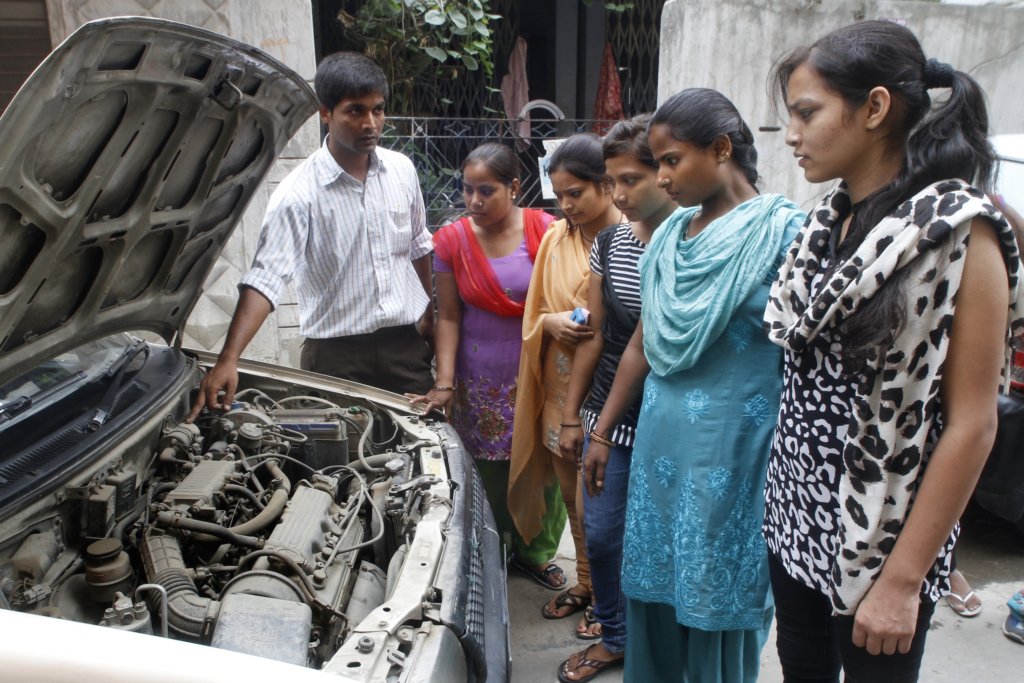
Azad Foundation enables women from resource-poor communities to empower themselves with knowledge and skills, and earn a livelihood with dignity in jobs and markets that have traditionally been closed to them.
Women’s lives are shaped by diverse experiences and intersectional identities like gender, caste, class, religion, sexuality, and ability. An ecosystem approach is therefore essential, recognizing these diversities and ensuring that every system along a woman’s journey from home to public space becomes enabling and inclusive.
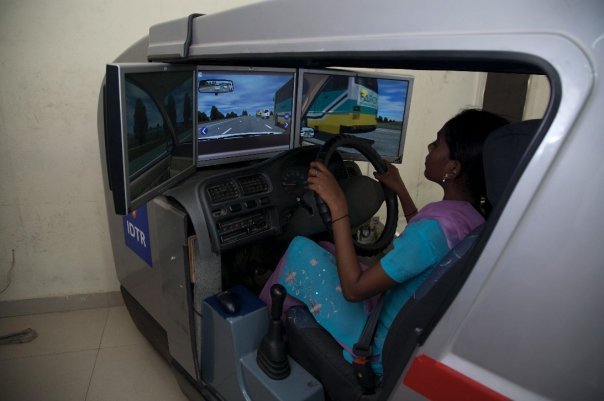
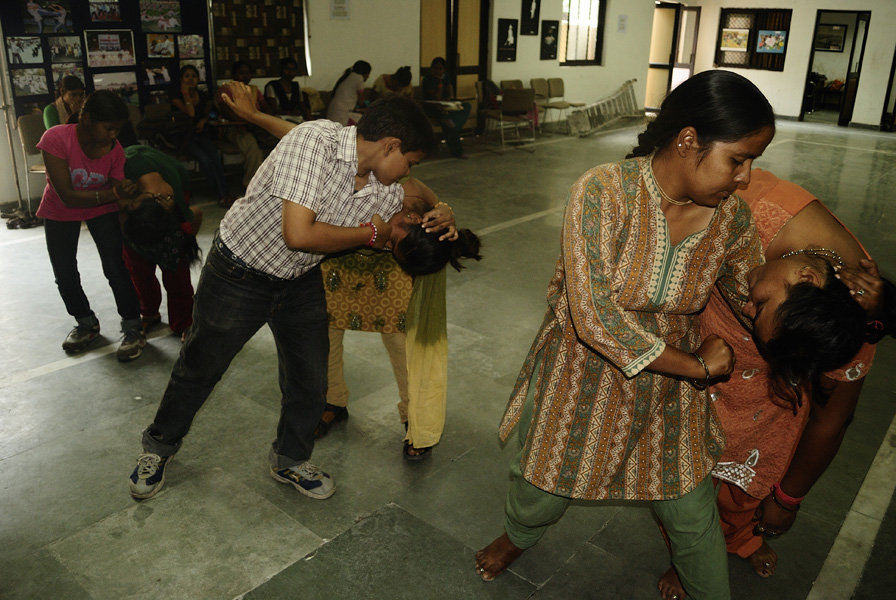
Moving beyond technical training for women to become drivers, Azad’s work also focuses on dismantling social, cultural, and economic barriers such as patriarchal norms, gender-based violence, and limited access to non-traditional skill education and markets.
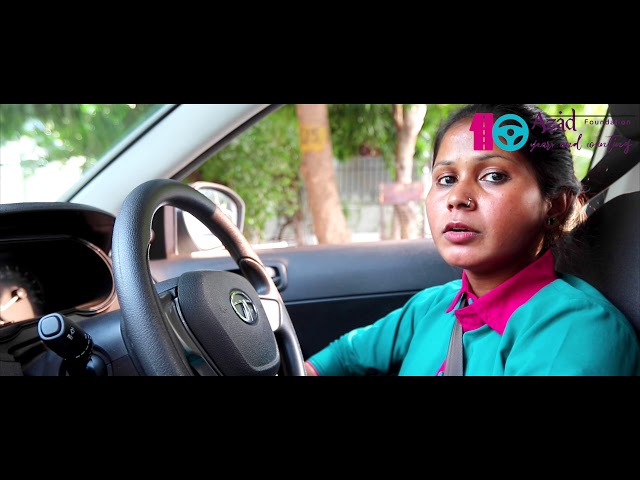
Since April 2025, 368 women joined Azad’s Women with Wheels programme. Of these, 263 became employable by achieving their Driving Licenses, and 123 entered the transport industry as professional chauffeurs and riders. Alongside skill-building, our commitment to ecosystem-building included conducting two landmark evidence-based studies on gender inclusivity of infrastructure in work and public spaces in Delhi and Kolkata, strengthening our policy engagement.
At the same time, we recognize that to make a real impact in the world outside and to adapt to the changing contexts, Azad must also build strength from within. This inner transformation is taking place through the Next Generation Leadership Programme, which is nurturing collective feminist leadership, and through the ongoing Strategic Plan 2026–31 process, a collaborative and participatory effort to chart Azad’s future roadmap.
Cities Through a Gender Lens
Women at the Wheel: Inclusion in Delhi Transport Corporation (DTC)
After more than a decade of Azad’s engagement with the Transport Ministry, and with the government taking progressive steps, 93 women are now driving buses with the Delhi Transport Corporation (DTC). Acknowledging that it is not enough for women to enter but also sustain in the sector, Azad conducted a study across bus depots where women are employed as drivers and conductors. While DTC’s inclusion efforts are commendable, the study revealed critical gaps in gender-inclusive infrastructure and practices, highlighting the need for hygeinic and functional toilets, safe rest and recreation spaces, women-friendly facilities, effective grievance redressal mechanisms and gender sensitization of staff.
Building on these findings, Azad presented key recommendations to DTC’s Managing Director on the urgent need for including gender-sensitization workshops for male drivers, and dedicated restrooms and improved sanitation facilities in depots for women. The response from DTC has been encouraging, and we are working to ensure that these recommendations inform future actions towards a more inclusive public transport system. From September 2025, Azad will also roll out a series of gender-sensitization workshops with DTC staff to help advance gender inclusion in its depots. Along with this, modules by Azad have now been incorporated as part of the curriculum in DTC on a regular basis
Public Sanitation in Kolkata: A Missing Link
Azad, in collaboration with the Sabar Institute, conducted a study on “Access to Public Toilets for Women, Trans and Queer People in Kolkata”, surveying 7,578 cis women and 38 trans/queer persons. The findings highlight how women workers in informal and non-traditional livelihoods—such as street vendors, domestic workers, construction workers, waste pickers, and drivers—often spend nearly 10% of their daily income just to access toilets. Even then, most facilities lack basic amenities, hygiene, safety, and dignity, effectively denying them a basic right.
The study further revealed that 62% of respondents found sanitation facilities inaccessible for individuals with disabilities or mobility impairments. Safety concerns are also pressing, with 53% of women reporting feeling unsafe while using public toilets, and 52% of trans/queer persons experiencing harassment. These challenges are compounded by the frequent presence of male attendants outside women’s toilets.
As one respondent shared: “The toilet is very dirty. There is a door, but it cannot be closed. It is always open—so if the guard is sitting there, or if someone passes by, everything can be seen. There are no lights. There is a place to throw garbage, but no one uses it properly.”
To share these findings, a stakeholder consultation was held in Kolkata with over 150 participants, including experts, academia, civil society, media, and community representatives. Key recommendations included creating gender-expansive toilets with appropriate signage for use by all genders, ensuring toilets do not become sites of violence, and providing basic amenities such as running water, handwashing stations, sanitary napkin vending machines, women staff for security, and adequate lighting.
These recommendations were presented to the Honourable Mayor of Kolkata and the Principal Secretary of Women and Child Development, who responded positively and expressed willingness to work towards inclusive, safe, and hygienic sanitation facilities. The study has also been widely covered in national and regional media, including The Hindu and The Wire, amplifying the urgency of addressing this issue.
Building the Next Line of Leadership
Azad is investing in the capacity building of its next generation of leaders to strengthen collective leadership both within the organisation and across the development sector. Members from diverse programmes and locations have been carefully selected to form the next line of leadership at Azad. The third batch, comprising nine emerging leaders, is currently undergoing training. Two phases have already been completed, equipping them with the skills, confidence, and perspective needed to lead Azad’s work into the future.
Charting Our Future Together
Azad has embarked on developing its Strategic Plan 2026–31 through a deeply participatory process. Extensive consultations with communities, staff, civil society organizations, and interviews with sectoral experts in livelihoods, gender, and mental health across all locations are shaping this roadmap.
Building on proven programmatic strengths while exploring new directions, the strategy will chart pathways to scale the Gender-Just Skill Education framework into new geographies and deepen its impact through strong, collaborative partnerships.
We remain committed to creating ecosystems where women from resource-poor communities can break barriers, enter non-traditional livelihoods, and live with dignity and independence. Each step forward is strengthened by your support, which helps us challenge exclusion and build pathways of equality. Together, we can continue shaping a future where every woman has the freedom to choose her path and thrive.
Links:
Project reports on GlobalGiving are posted directly to globalgiving.org by Project Leaders as they are completed, generally every 3-4 months. To protect the integrity of these documents, GlobalGiving does not alter them; therefore you may find some language or formatting issues.
If you donate to this project or have donated to this project, you can receive an email when this project posts a report. You can also subscribe for reports without donating.



Support this important cause by creating a personalized fundraising page.
Start a Fundraiser