By Gouthami | Senior Lead, Resource Mobilisation
October to December 2021
As the festival months of October, November and December came up in India, we were relieved that the next wave of the pandemic had held off so far. Thanks to the SOPs that were being strictly followed by our teams, our work picked up pace and we were happy to get going after months of hesitation and uncertainty. After more than a year, as more of us got vaccinated, we were able to meet in person and in small groups for our training programs, community visits, etc.
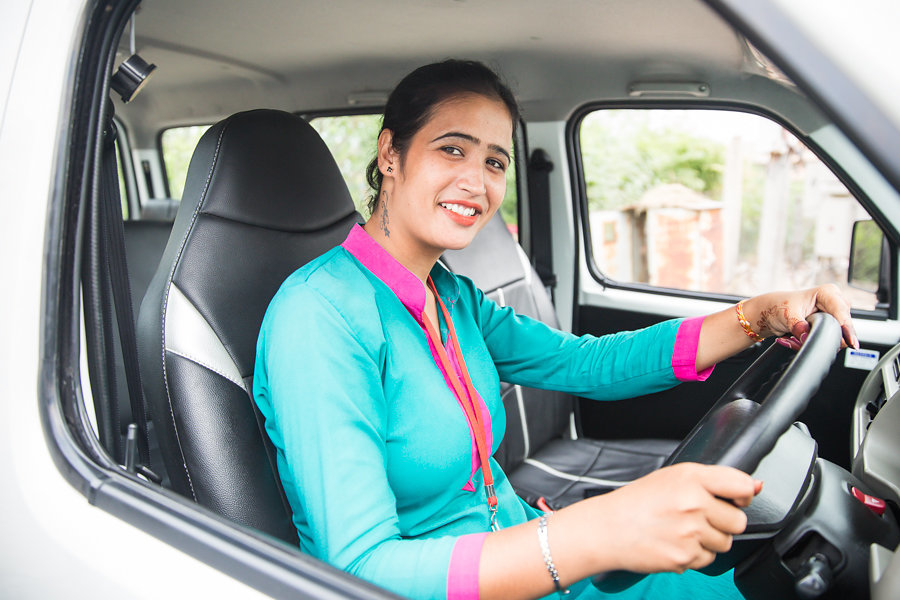
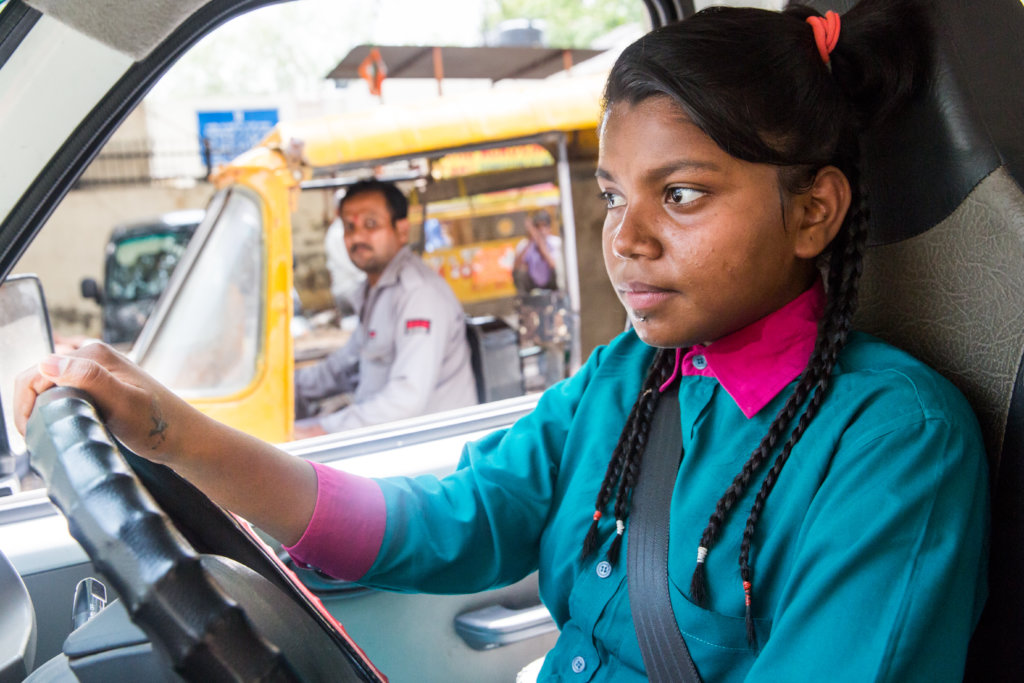
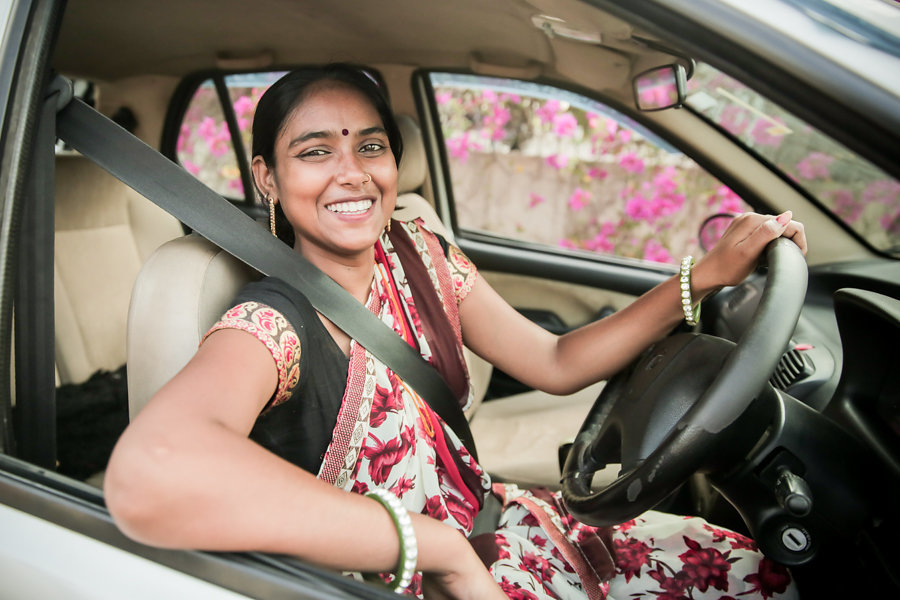
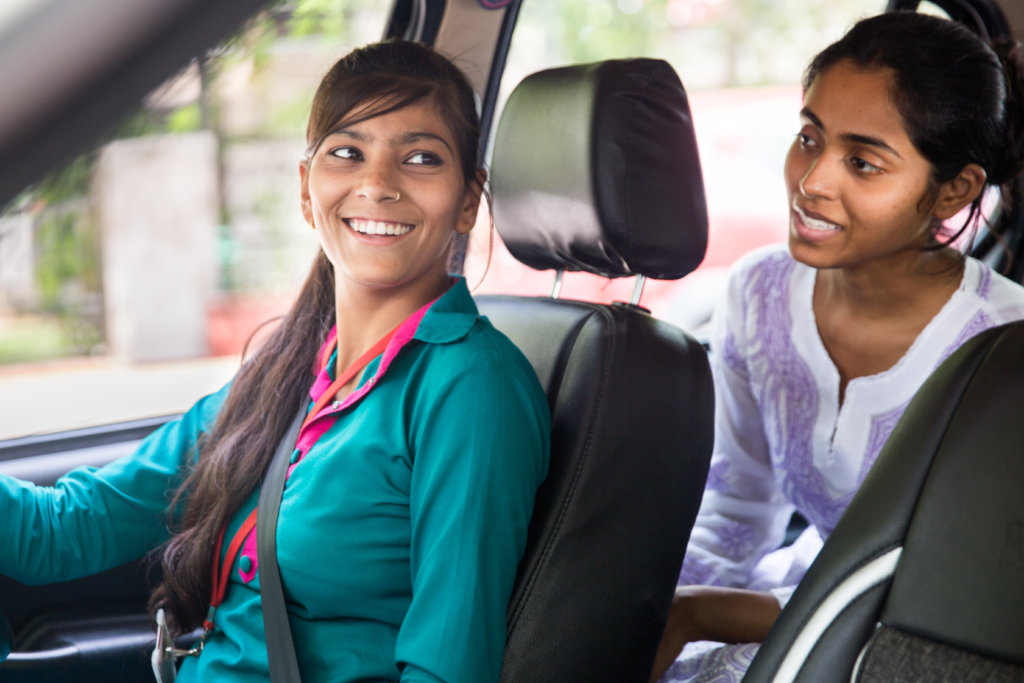
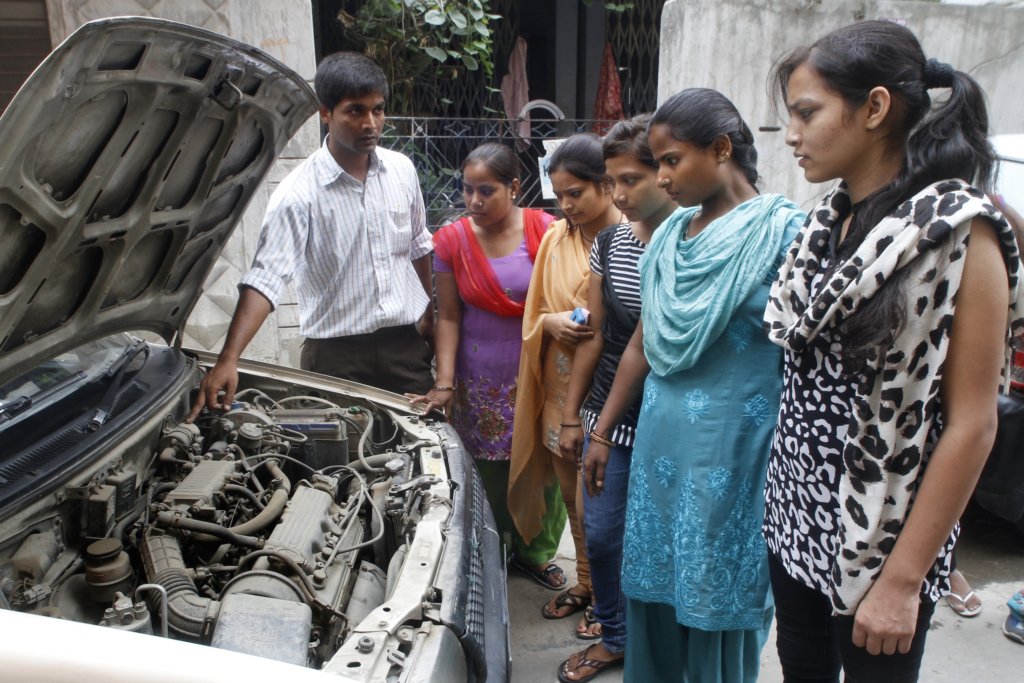
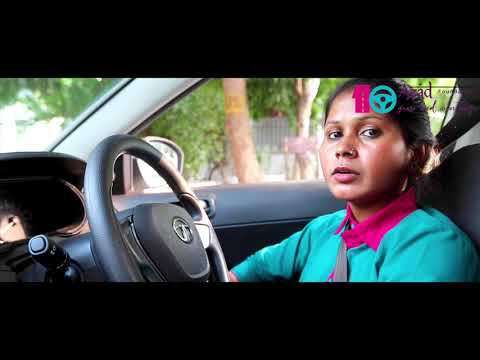
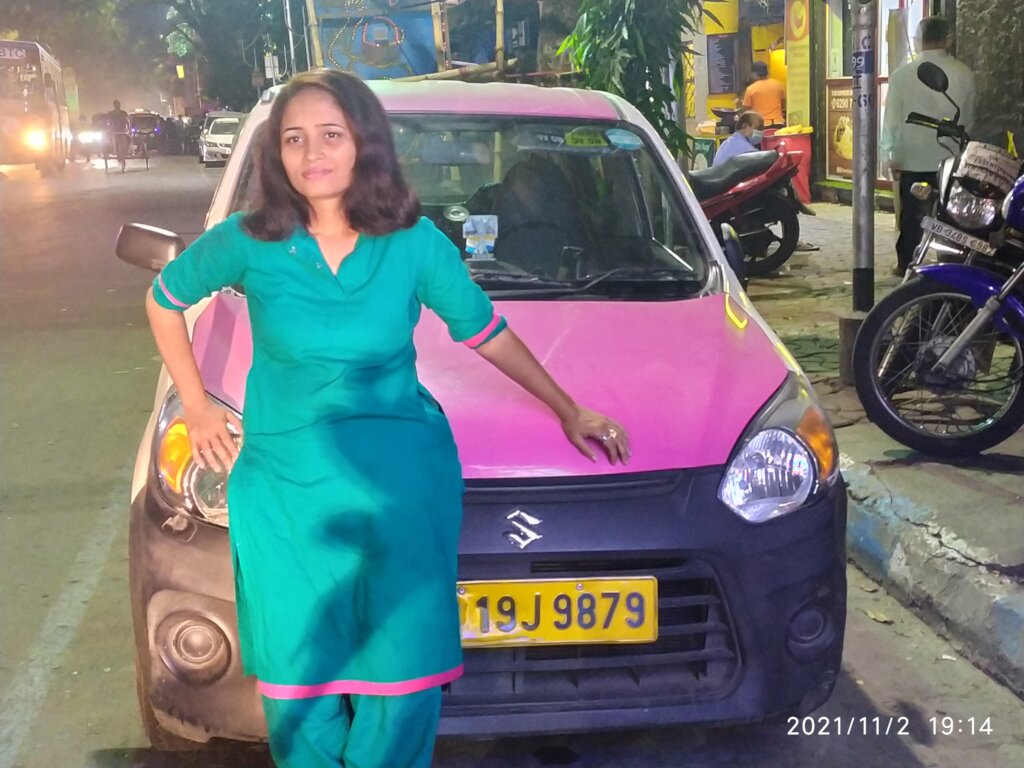
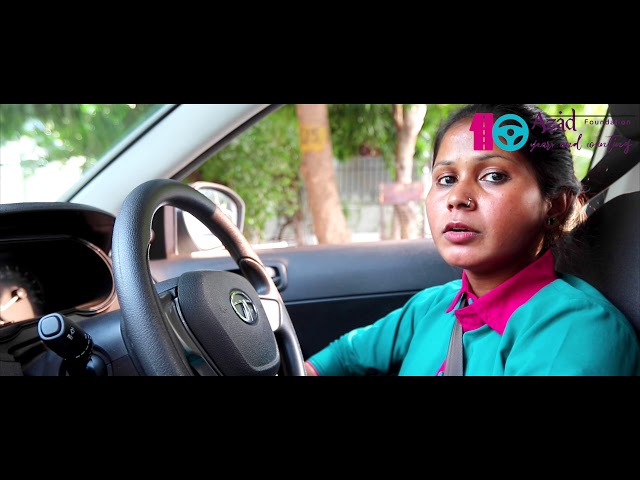
While the pandemic has slowed us down (along with everyone else) we have been able to think beyond the work we have been doing in an effort to #buildbackbetter. One such initiative is to introduce electric cars and scooties. We have a total of four electric cars operating as taxis in Jaipur and Indore. Since November, all our trainees in Delhi and Jaipur, to start with, are being trained on electric vehicles as well as those that run on fossil fuel.
Men for Gender Justice Program
Azad believes that the involvement of men and boys is crucial for women empowerment and gender equality. Risk- taking and aggressive sexual behaviour on the part of young men is often applauded by peers and condoned by society on some level. These stereotypes result in harm to both women and men and erode possibilities of establishing satisfying mutually respectful relationships.
Young men and boys and can be encouraged to reflect upon and discuss issues surrounding masculinity, relationships and sexuality, which can help them to end high-risk and sometimes harmful attitudes and behaviours. Building up on this work and learning from other community programs, we aim to facilitate deeper engagement with a selected group of young men to engage in youth club activities and also effectively work in the community, particularly with other men, for gender justice.
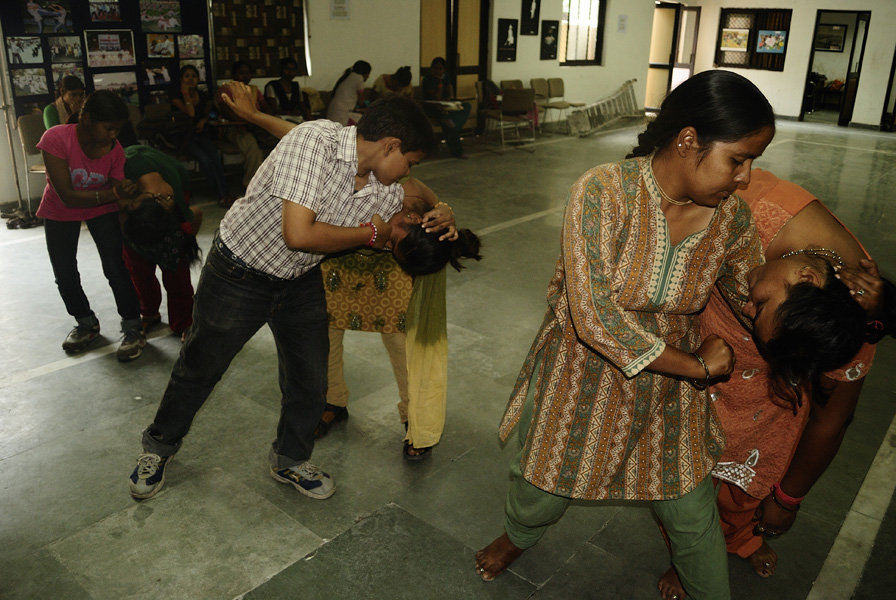
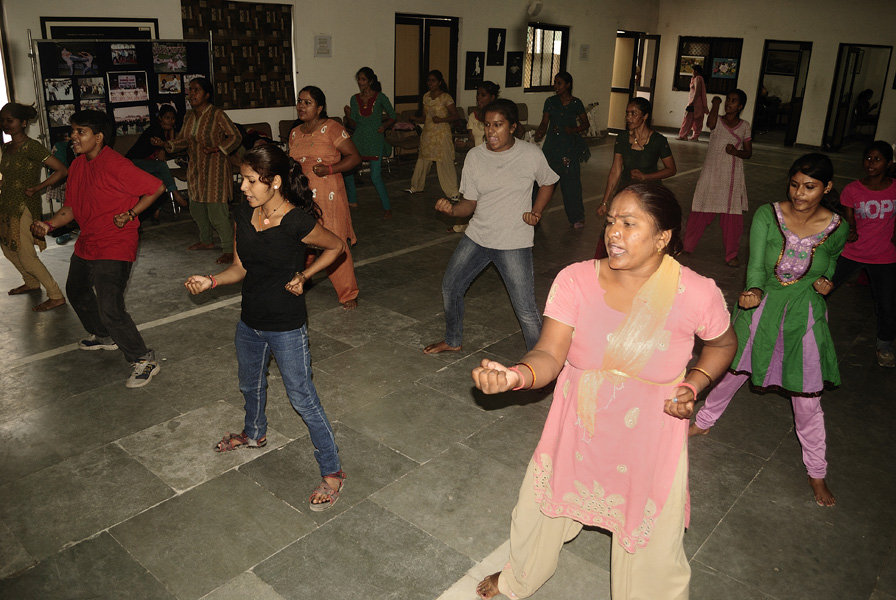
In the Men for Gender Justice (MGJ) program, we work with young men and boys in the age group of 14 to 20 years to enable them to build their understanding of masculinities and support gender equality in their families and communities. The program has spread from Jaipur to Delhi and now to Kolkata as well. Of a total of 400 young men and boys who have joined us for this program, 60 have been selected for further leadership training. These leaders then work with their peers in smaller groups.
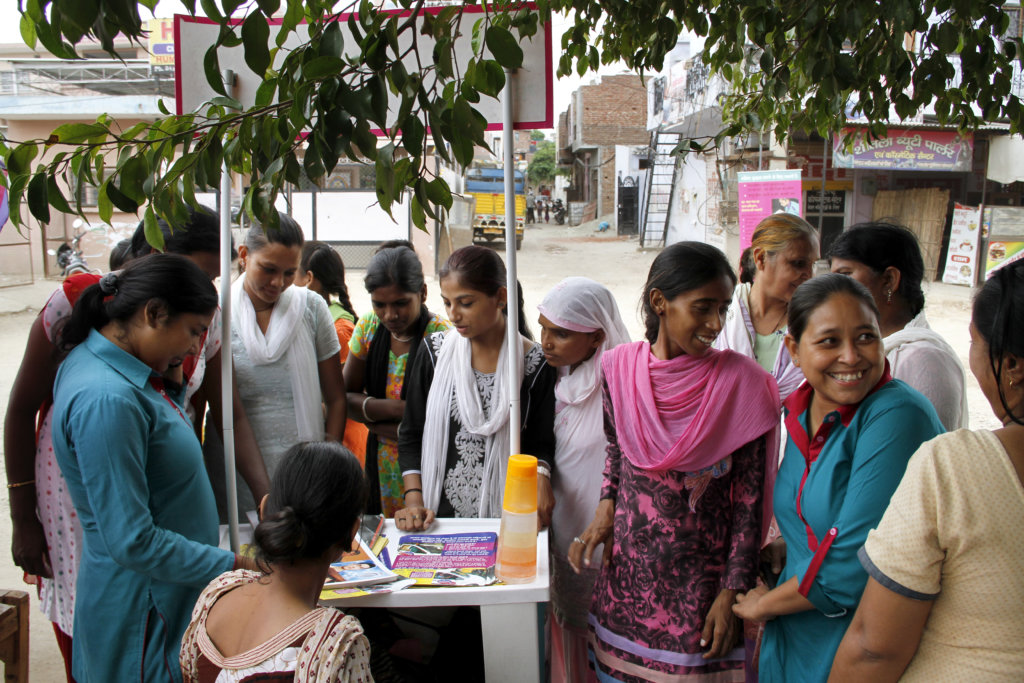
The MGJ participants work with all the teams of Azad Foundation and are part of our campaigns such as One Billion Rising, campaign in support of Afghan Women’s Rights, etc. They help their community members to apply for citizenship documents and then access State schemes that they are eligible for. Over a period of time, they begin to speak out against violence (especially against women), support other women in their families in decision making and take a fair share of the unpaid care work in their homes. While initially they are mocked and face ridicule, as their understanding grows, they are able to support the women and girls in their families and communities, in spite of it.
The young men and boys are initially engaged through sports activities that are popular in their areas and then introduced to topics such as the Indian Constitution, Human rights and Women’s rights, Gender and its implications, Violence, Unpaid Care Work, etc. A series of colourful graphic novels in both Hindi and English, have been developed to facilitate discussion around everyday issues in their lives.
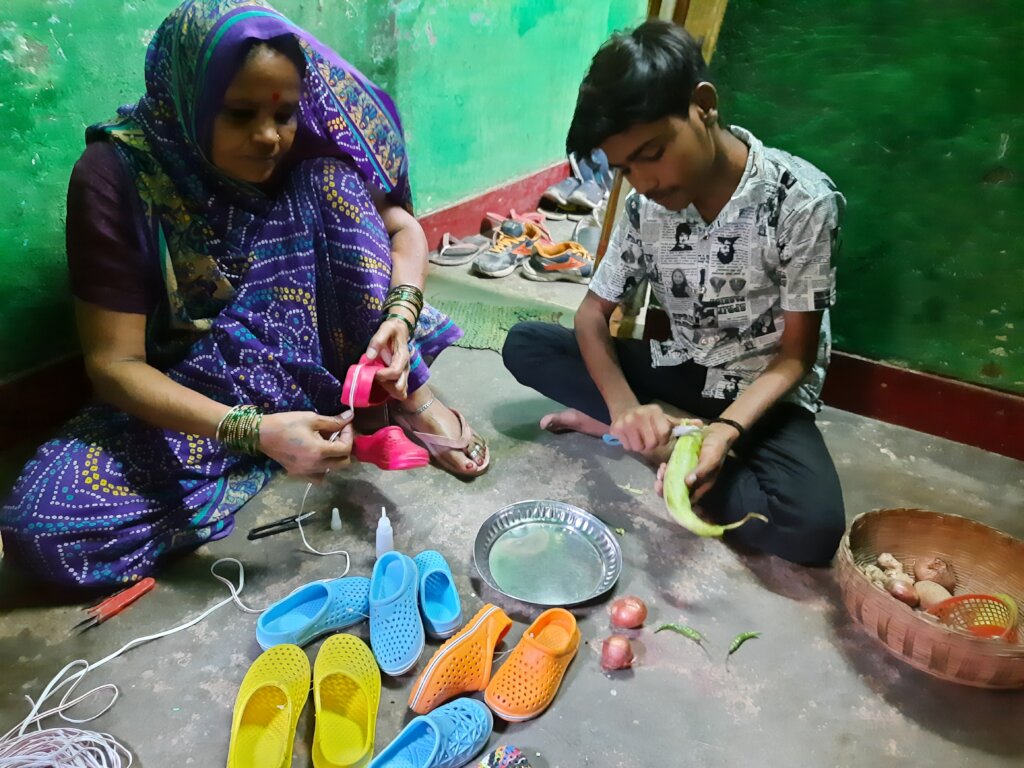
Eighteen year old Gop lives with his parents and 2 brothers in Delhi and studies in Class 12. His mother works from home pasting the uppers on shoes and his father is a daily wage laborer. Gop and his elder brother have been active with the MGJ program and never miss a session.
When we started out, Gop like many other MGJ participations was shy and would respond only when spoken to. As the group members got familiar and comfortable with each other, he started participating actively by asking questions, including the others and contributing to the discussions.
In the initial sessions, he was not able to understand forms of violence against women other than the physical ones or why men should do domestic work. As he attended more sessions, he was able to understand and speak about the everyday violence he sees around him, gendered roles and expectations.
Gop and his elder brother now do more work at home such as buying groceries, fetching water, cleaning the house, washing clothes and chopping vegetables. Their father tells them not to waste their time but to study instead. Their friends openly make fun of them. However, their mother is very happy to see the change in her sons. She says, “I find it easier to communicate with them now as they are more open and patient. When I fell ill for a couple of months, they looked after me and managed the house fully.”
Gop says, “While sharing the house work, I am able to talk to my mother easily. We now have more of an emotional connect than before and I like that.”
And we drive on...
Together with our other programs with young women, the Feminist Leadership Program and the Azad Kishori (Independent Adolescent Girls) Program, we are working to build a support system in families and communities so that women are able to go our for non-traditional livelihoods with dignity and without fear.
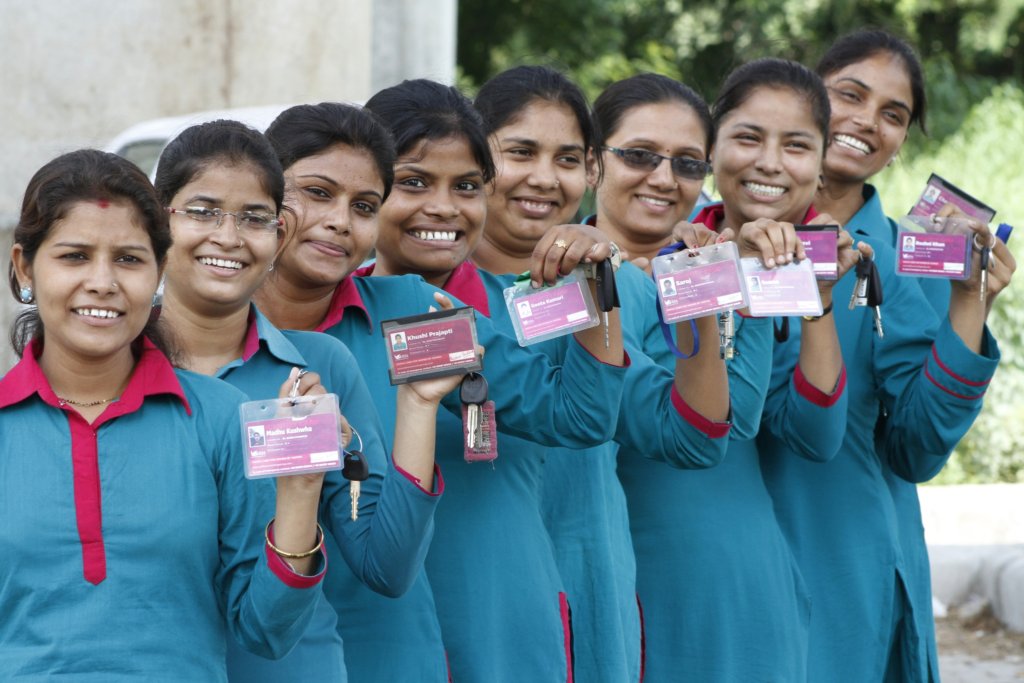
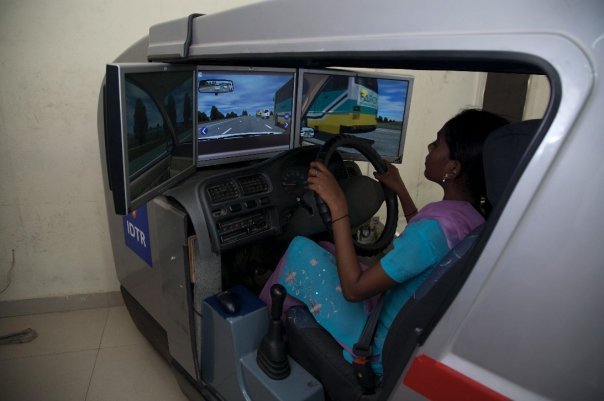
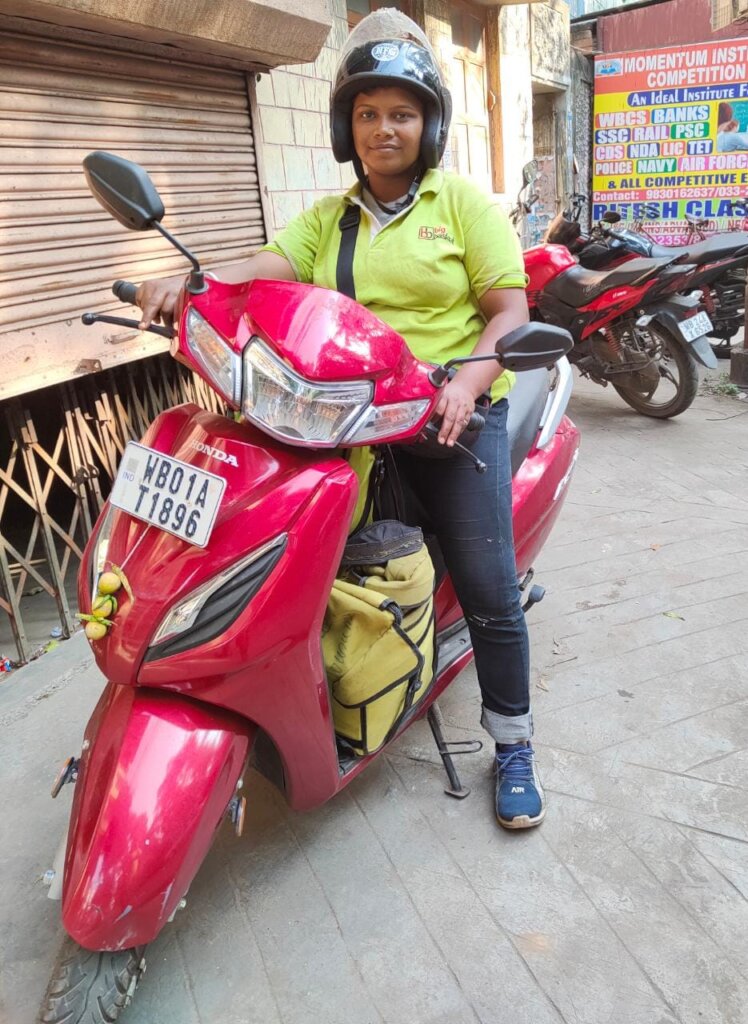
With the strong support from within families and communities Sakha Cabs were able to provide close to8000 safe rides through a fleet of 50 taxis and with 75 drivers. We have placed 15 women chauffeurs in private jobs and 20 women riders have been placed with e-commerce companies as delivery executives.
A third wave has started in many parts of the world. We are cautious but optimistic since most of our team is vaccinated and we are better prepared now with the SOPs needed to prevent the worst impact of the pandemic.
A big shout out to all our donors, supporters, customers and well-wishers without whom we would not have been able to come so far. THANK YOU!
Our Annual Report 2020-21 is out now if you want to know more.
Project reports on GlobalGiving are posted directly to globalgiving.org by Project Leaders as they are completed, generally every 3-4 months. To protect the integrity of these documents, GlobalGiving does not alter them; therefore you may find some language or formatting issues.
If you donate to this project or have donated to this project, you can receive an email when this project posts a report. You can also subscribe for reports without donating.



Support this important cause by creating a personalized fundraising page.
Start a Fundraiser