By Esther Grieder | Special Projects and Fundraising Manager
Graça Machel Scholarships Update
New Scholars for 2011
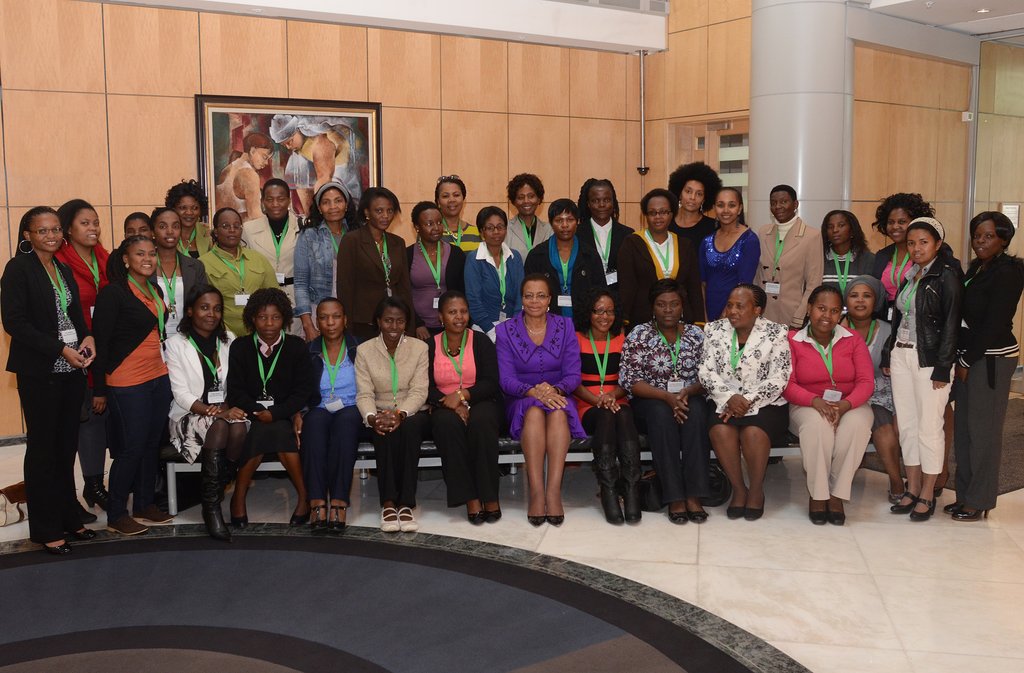
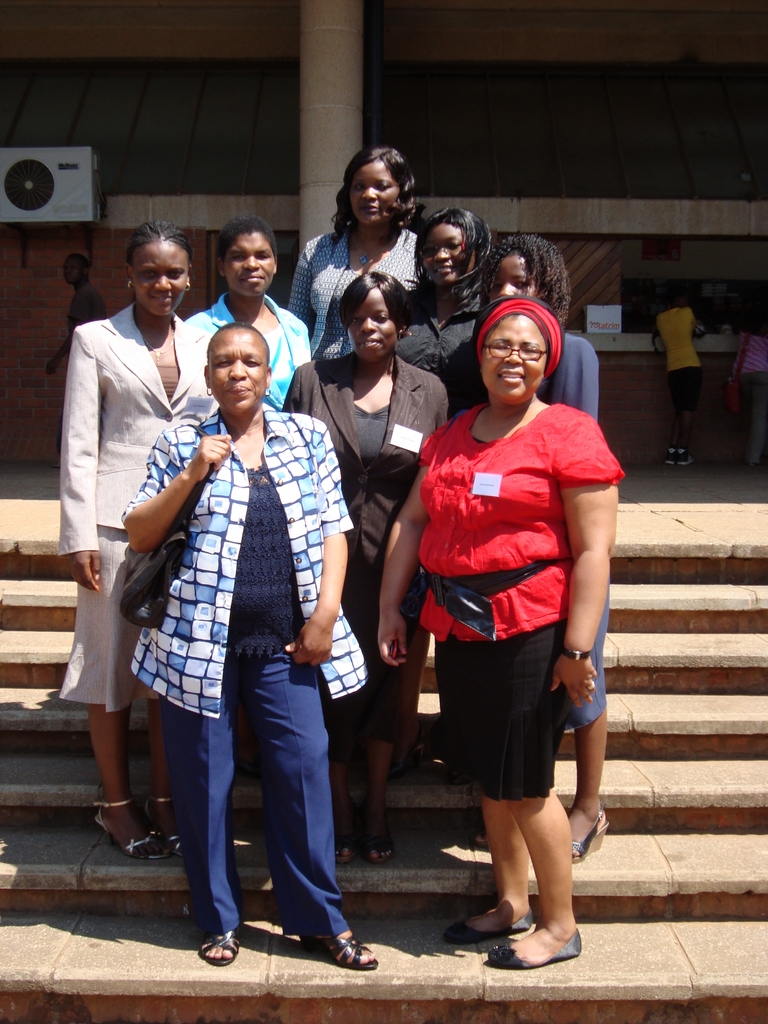
It is the start of the new academic year in South Africa, and we are delighted to welcome new scholars to the Graça Machel network! With your support we are sponsoring women from all over southern Africa in a fascinating range of fields.
Kaylianne Aploon Zokufa (South African)
MPhil Education, University of Cape Town
Kaylianne is passionate about youth and finding ways to make young people’s views and ideas central to educational research. Her undergraduate research project looked at students’ perceptions of school and its value. As someone who has grown up in Cape Town’s poorer area of Mitchell’s Plain, she is able to engage with the reasons why young people from disadvantaged backgrounds sometimes do not see education as the solution to all their problems. Kaylianne’s goal is to use her experiences as a pupil, teacher and researcher to become a curriculum advisor and create an education ‘that will empower kids during and after their schooling – an education that will help them make choices for their lives.”
Boipelo Freude (Motswana)
PhD Rural Development, University of Pretoria
Boipelo believes in the ‘Right to Food’, and by association each person’s right to cultivate sufficient nutrition for themselves and their families. In her role at the African Institute of Democracy, she advocates for this right to be widely recognised, and develops training and campaigning programmes to assist rural people to be self-sufficient. She is committed to ensuring that women are fairly represented on agricultural projects, to ensure that they have equal access to the skills and materials to feed themselves. Through her studies, Boipelo aims to see agricultural projects within the wider context of rural living, looking at how small farmers can be supported to generate a surplus and meet the costs associated with education, healthcare and saving for the future.
Zyangani Chiramba (Zambian)
MA Resource Conservation Biology, University of Cape Town
Zyangani is a Fish Culturist and specialises in improving rural livelihood through sustainable fishing. She has worked extensively in Malawi and Zambia, where the lakes are a key food source, to improve breeding and fishing techniques. Zyangani has observed that rural communities lack access to capital which could be invested to grow their businesses. Their reliance on the lakes and inability to diversify can lead to overfishing, the long term result of which is hunger and scarcity. Zvangeni has chosen her degree in order to investigate how rural communities can generate livelihoods from fishing without long term environmental damage.
“My work revolves around livelihood improvement initiatives such as fish-farming. I have seen communities faced with despondency and hopelessness become revitalised and begin to chart a path for self-survival and reliance.”
Kaluba Gloria Kaulungombe (Zambian)
LLM Commercial Law, University of Cape Town
Kaluba works at the highest levels of Zambia’s Ministry of Justice. She wishes to specialise in Commercial Law in order to protect her country’s interests within the context of the rapidly globalising economy. It is Kaluba’s perception that developing countries are at the mercy of their richer neighbours in terms of international economic and trade agreements, and that expertise is required for the less influential nations to negotiate in the post-financial crisis environment. Specifically, she points to a series of agreements with mining companies which promoted international business needs over that of the Zambian economy and cannot now be renegotiated. Kaluba aims to give Zambia an informed voice in international institutions such as the World Bank and the African Union, and represent developing countries’ agenda more effectively on the world stage.
“In countries where an intricate understanding of commercial law has been lacking, commercial entities have taken advantage of these less developed countries much to the detriment of their citizenry. Should less developed countries like Zambia not develop their competencies in good time, such injustices will be perpetuated and increase in intensity.”
Making Education Inclusive Conference, University of Malawi, September 2010
Eight Graça Machel scholars who specialise in education attended the Making Education Inclusive conference hosted by Canon Collins Trust in partnership with the University of Malawi in September 2010. Six of the scholars are studying Masters in Education Leadership, Policy and Planning in Malawi, whilst two travelled from South Africa to attend the event.
Scholars Zelma Mokobane and Dinah Katonda both presented at the conference, to an international audience of sixty educationalists and students. Zelma presented her experiences of tackling stigma associated with disability in South African classrooms, whilst Dinah presented her evaluation of a Malawian government programme to reintegrate drop-outs into primary school.
Learning through Literature, London Book Fair, May 2010
In May 2010 Graça Machel scholar Ret’sepile Makamane joined a panel of southern African authors at a London Book Fair event organised by the Trust. The event, which marked 25 years since the publication of Journey to Jo’burg, was chaired by Michael Rosen with a panel including Gillian Slovo, Njabulo Ndebele and Beverley Naidoo, the author of the book. Ret’sepile Makamane is currently writing her first novel, and was recently shortlisted for the Orange/Harper’s Bazaar Short Story Competition.
Graça Machel Scholars on film
Graça Machel scholars Kundai Chinyenze, Morine Sithole and Ret’sepile Makamane recently took part in a project to make short films about the individuals the Trust supports. Specialising in Public Health, Wireless Systems Engineering and Gender and Media respectively, the three women were a stark demonstration of the assortment of expertise required for effective development. The films will be available in the new year.
Thank you for your support for the Graça Machel programme, enabling women from rural backgrounds to access postgraduate study and giving them a voice at the highest levels of their societies.
Links:
Project reports on GlobalGiving are posted directly to globalgiving.org by Project Leaders as they are completed, generally every 3-4 months. To protect the integrity of these documents, GlobalGiving does not alter them; therefore you may find some language or formatting issues.
If you donate to this project or have donated to this project, you can receive an email when this project posts a report. You can also subscribe for reports without donating.