By Alexandra Dawe | Head of Marketing & Communications
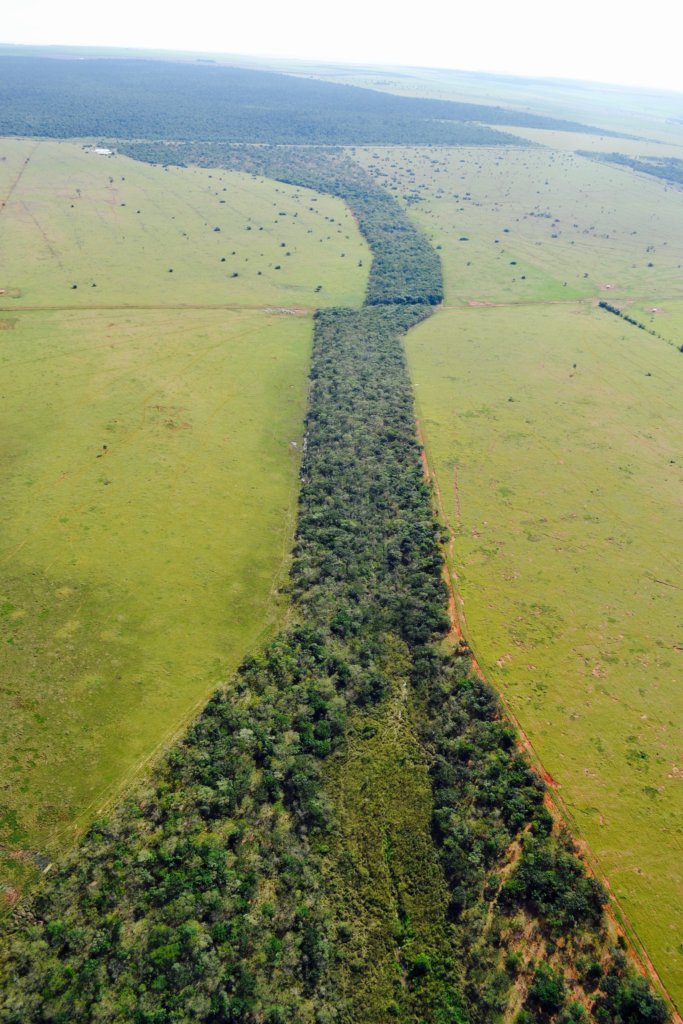
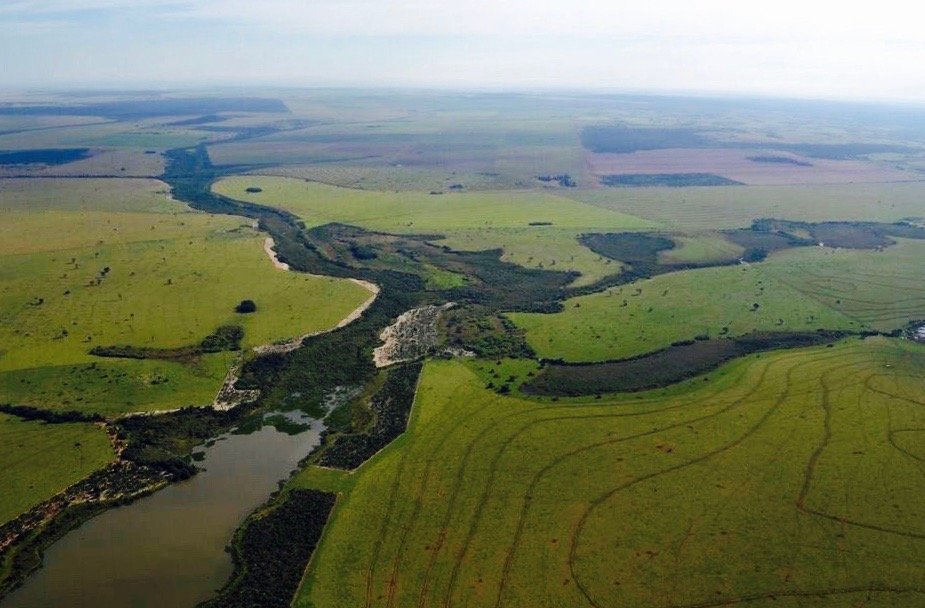
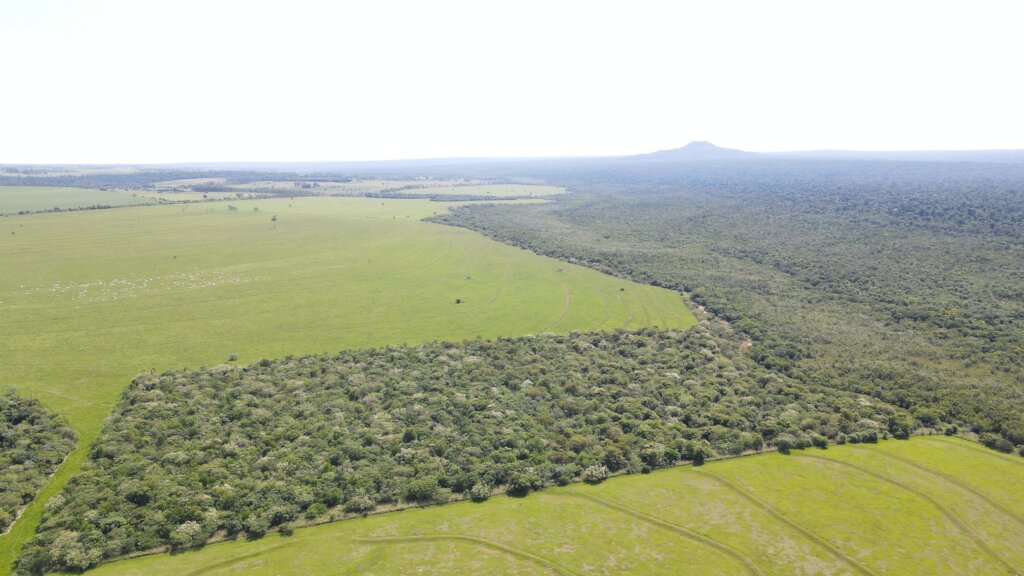
Across Pontal, Tietê, and Misiones, our work across the Wildlife Corridors in South America marks a turning point rather than an ending. Although we are wrapping up our work here, each project closes out years of restoration and relationship-building with tangible results: hectares restored, rivers protected from sediment, incomes diversified, and hundreds of families equipped with new skills, water security, and stronger ties to the land and to each other.
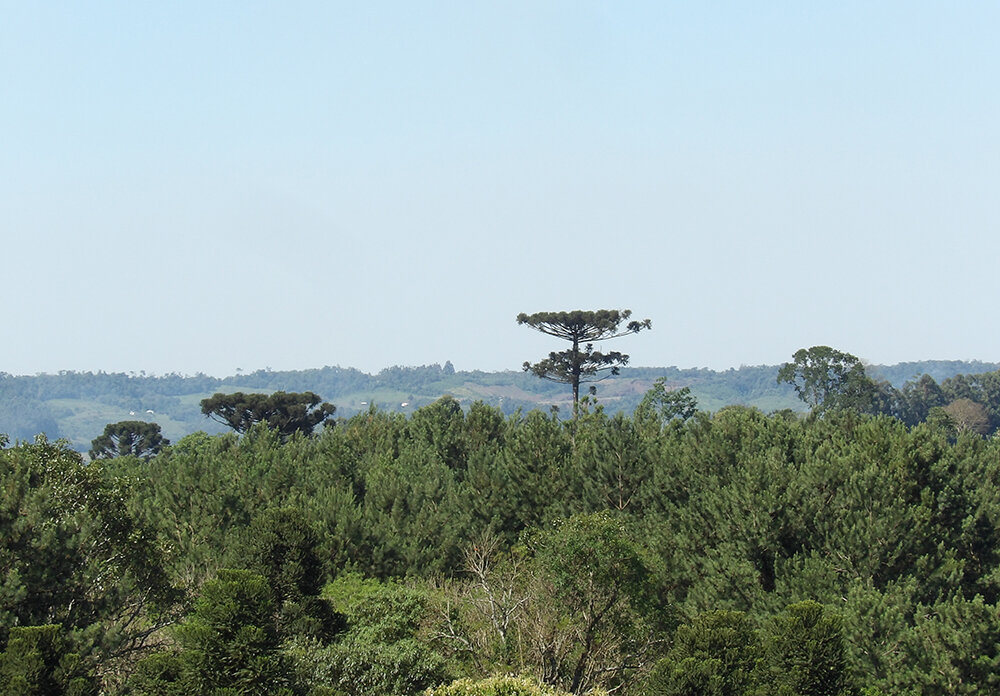
Pontal, Brazil
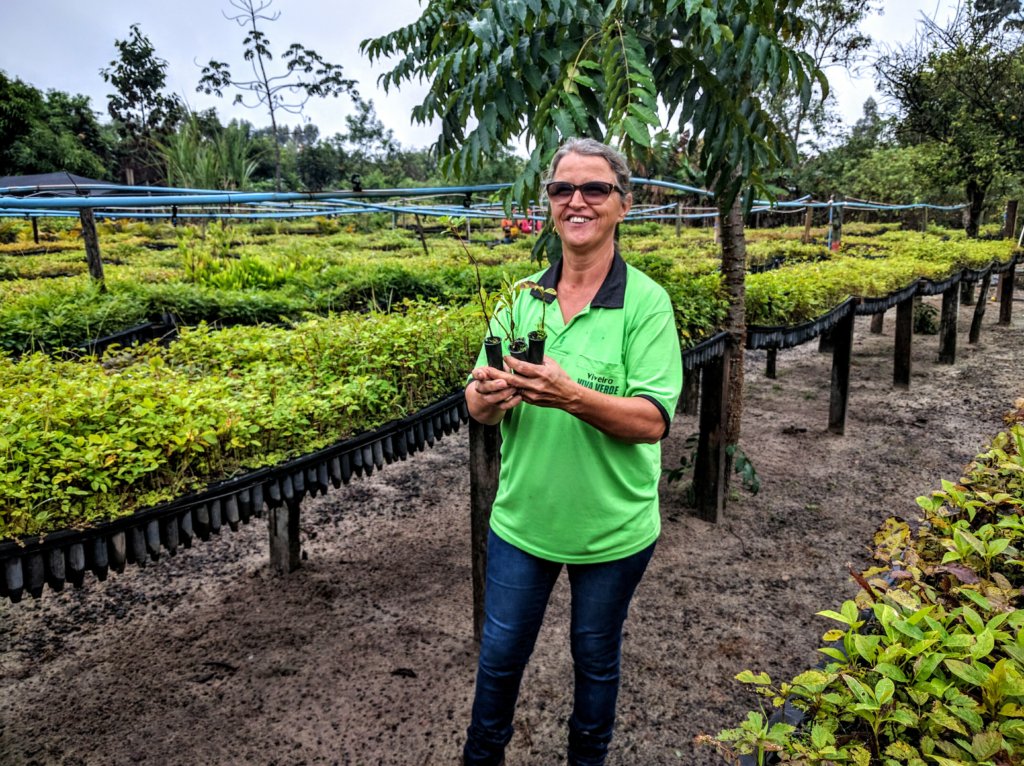
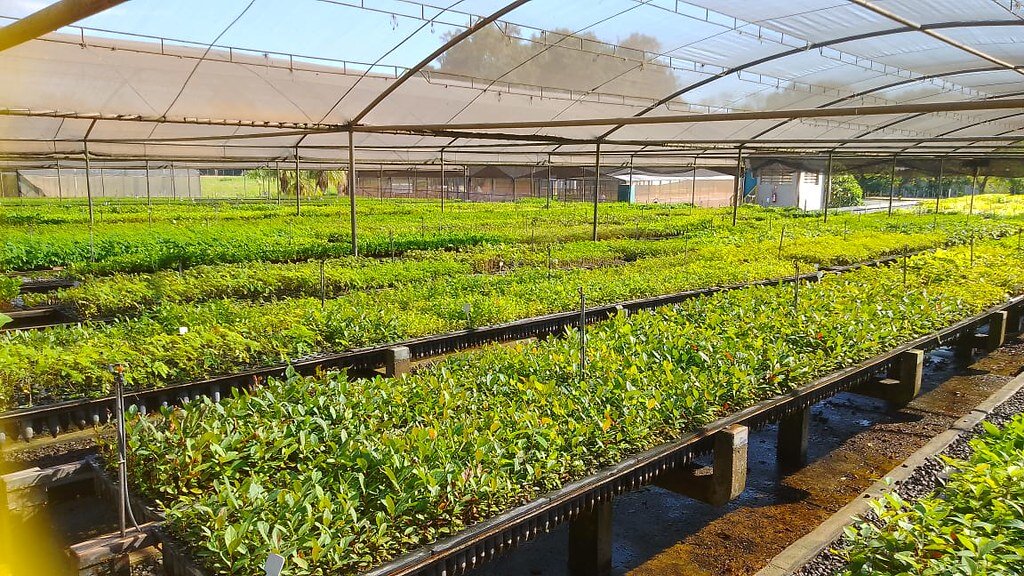
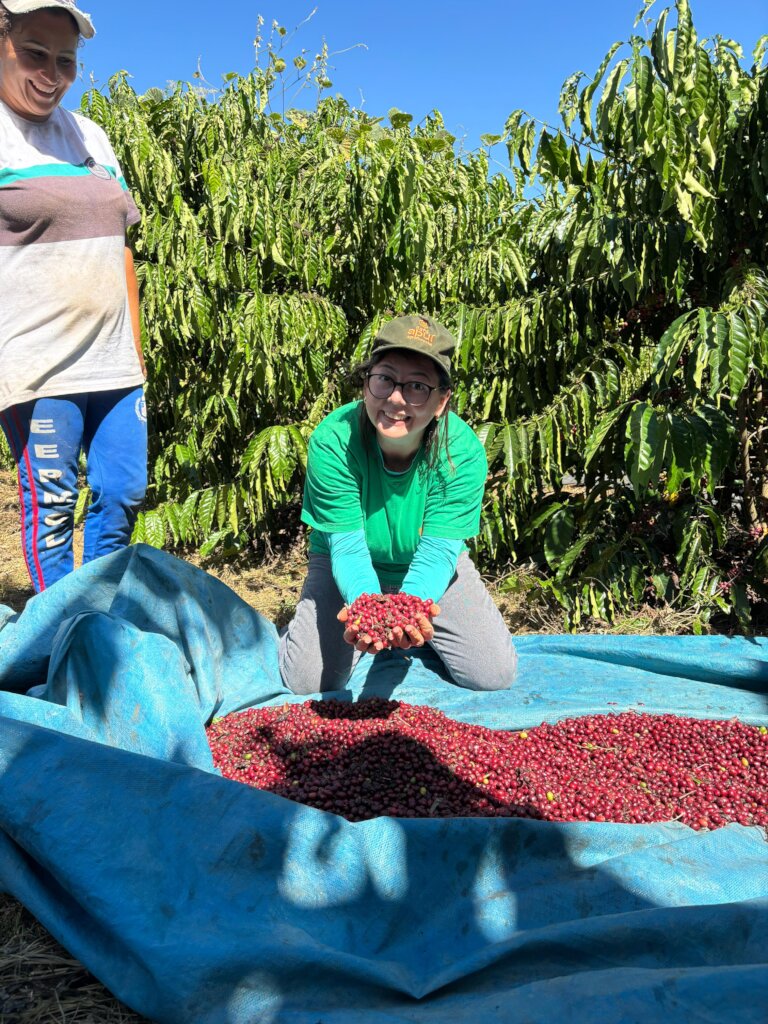
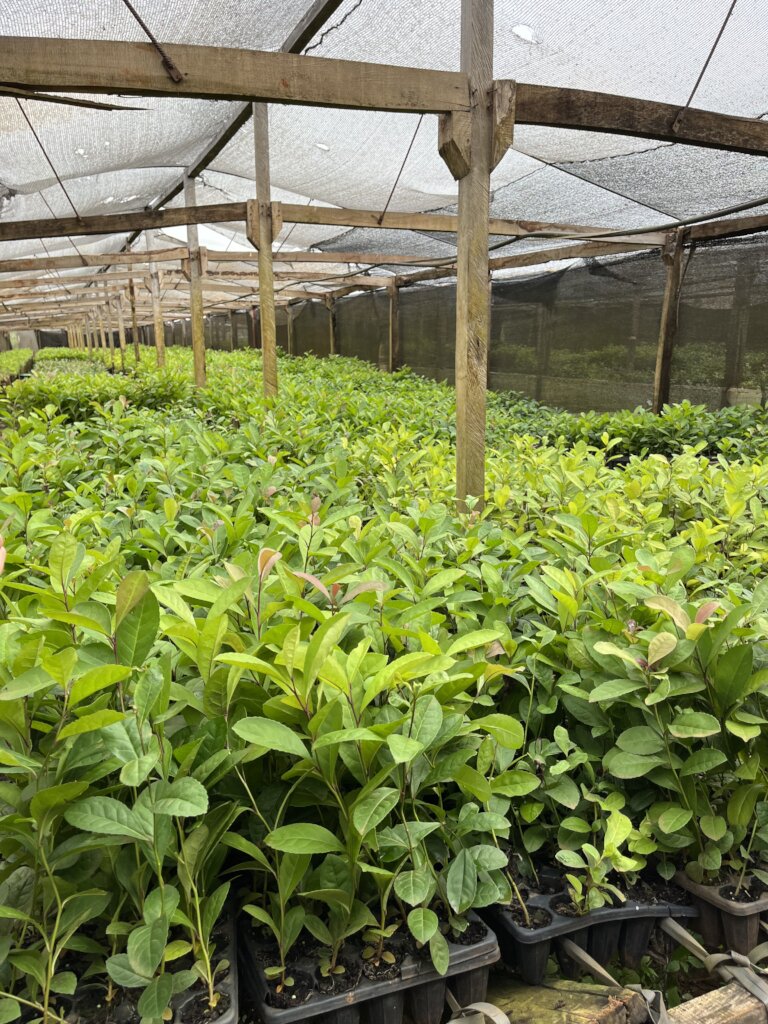
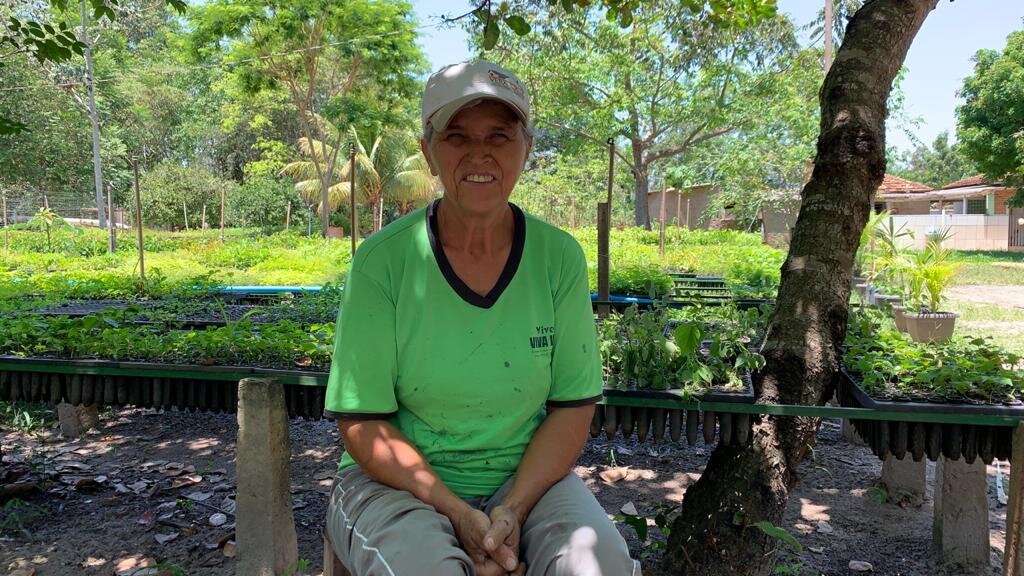
The 2025/2026 planting season marked the final year of WeForest's work in Pontal, closing an 11-year partnership (2014–2025) with IPÊ, one of Brazil's most respected environmental organizations. This season, 10 additional hectares were restored using 43 native species, bringing lasting benefits to both the land and the local economy: sites restored have kept over 1,059 tons of sediment out of local rivers, while 15 rural enterprises now operate within the forest restoration economy. Thirteen community-based nurseries remained active, and production agreements with local associations and families generated roughly US$384,700 in local income.
Community ownership stayed central throughout the year. A dedicated feedback session helped consolidate local engagement, alongside two further sessions focused on the surrounding community and on working conditions within the project. New occupational safety protocols and training were rolled out for employees and suppliers, and the continued partnership with FGVCEs strengthened the project's ability to identify and manage risks related to human rights.
Tietê, Brazil
Agroforestry continued to prove its worth, families produced and sold approximately 18 tons of food through the project's agroforestry systems, generating $20,000 in income, an average of $2,300 per family. An analysis of 11 participating farmers confirmed the impact: agroforestry contributed an average of 13.5% of total household income from just half a hectare per farmer, alongside gains in food security, environmental conditions, and community ties.
Eleven new families joined restoration activities. Planting on private land stayed on track, and a vegetation assessment there showed strong natural regeneration with healthy species richness and density.
The remaining portion of the 109-hectare of restoration target will be completed during the 2026/2027 rainy season, with implementation formally closing in March 2027 and two years of post-planting maintenance continuing through April 2029. Future progress will be tracked through remote sensing and geoprocessing.
Misiones, Argentina
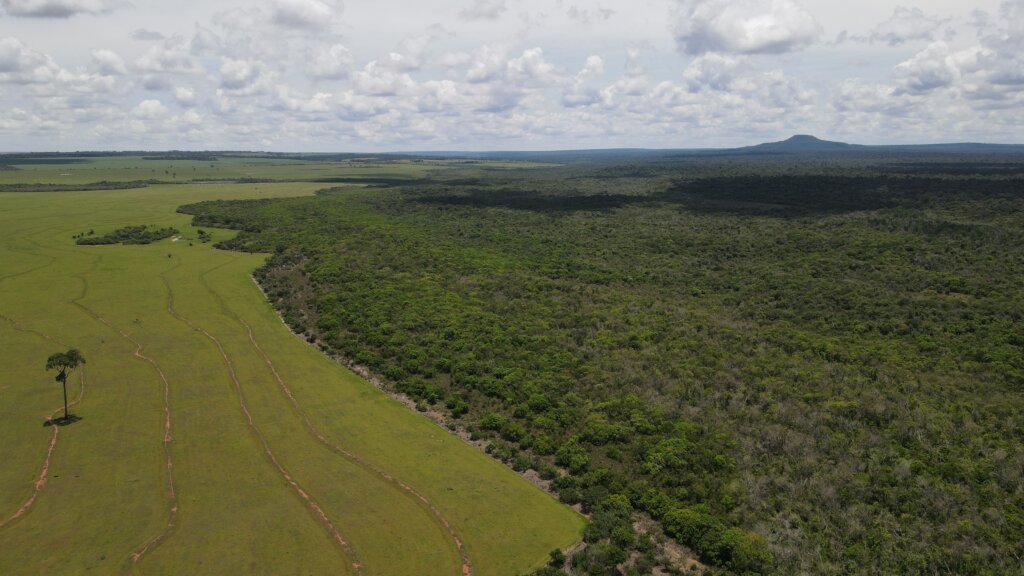
Three years of implementation culminated in a milestone: 93 families came together for a closing event celebrating the completion of Phase 1. The event combined a reflection on the relationship between production and conservation with a reaffirmation of commitments to the Municipality of San Pedro and INTA — closing, fittingly, with a traditional asado a la estaca, music, and dance.
Community resilience deepened alongside the restoration work: 72.4 hectares of private land were converted to agroforestry, and access to water improved sharply for all 93 families. The 38 families who joined chose from seven productive activities, from yerba mate and cattle farming to beekeeping and horticulture, each receiving tailored technical support. New equipment, including a subsoiler and soil analysis kit, further strengthened local production capacity.
Finally a new municipal body, the Secretariat of Rural Development and Environment (DRYMA), has identified restoring degraded land and sustaining multi-stakeholder coordination in San Pedro among its priority goals, a strong signal that the project's legacy will continue locally.
Long lasting impact
As WeForest completes its planned exit from Latin America, the emphasis across all three projects has shifted from direct delivery toward ensuring what has been built can endure through local institutions and the communities themselves, who have taken on growing ownership of nurseries, agroforestry systems, and governance structures
Thanks to the continued support of our donors, more than a decade of investment in these landscapes has left behind restored forest, resilient livelihoods, and communities equipped to carry this work forward long after WeForest's direct involvement ends.
Project reports on GlobalGiving are posted directly to globalgiving.org by Project Leaders as they are completed, generally every 3-4 months. To protect the integrity of these documents, GlobalGiving does not alter them; therefore you may find some language or formatting issues.
If you donate to this project or have donated to this project, you can receive an email when this project posts a report. You can also subscribe for reports without donating.