By Xiao Wenguo | Project Partner Staff
This report will serve as the final report for this project. Elanco Animal Health will be providing funds to cover the remaining costs of the project...thanks to all for your donations and support. Please visit www.heifer.org for more information.
Comparative Experiment Improves Farmer’s Methodology
Yangebai Township in Weichang County lies between the Yanshan Mountains and the Mongolia Plateau. Year after year, its villagers save money to buy cattle and raise them in the local hills.
However, mass animal husbandry threatens desertification and decreases available grazing land. Heavy rains have eroded the hillsides and blocked cattle trails, leaving small-scale farmers in a harsh cycle of poverty.
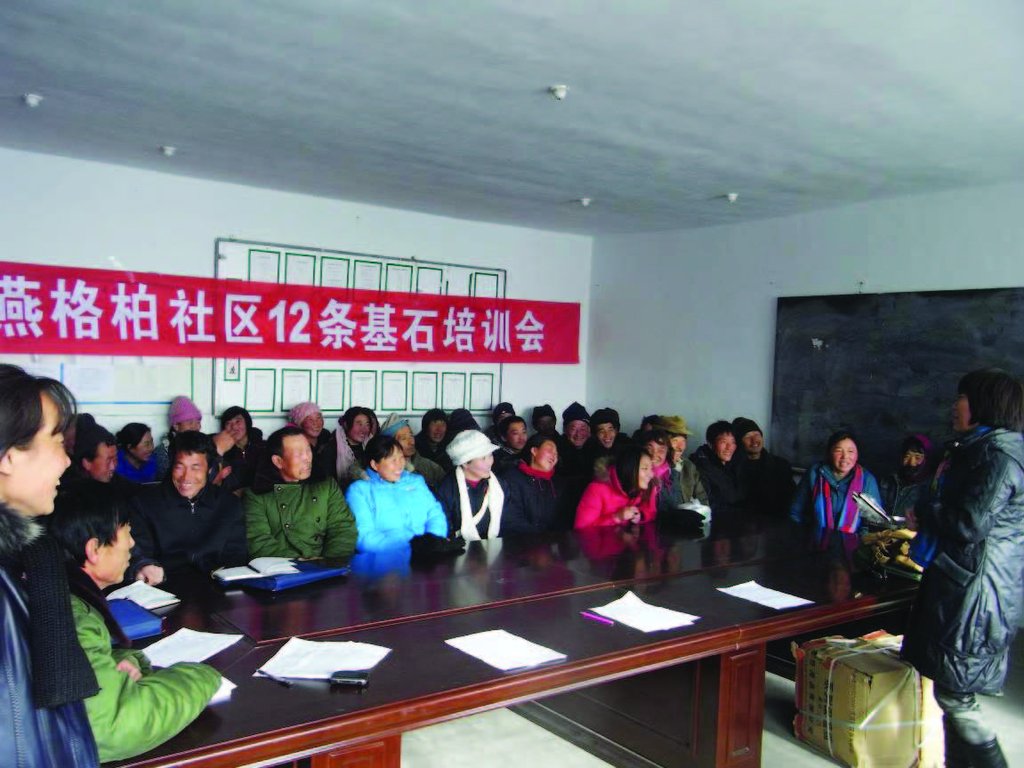
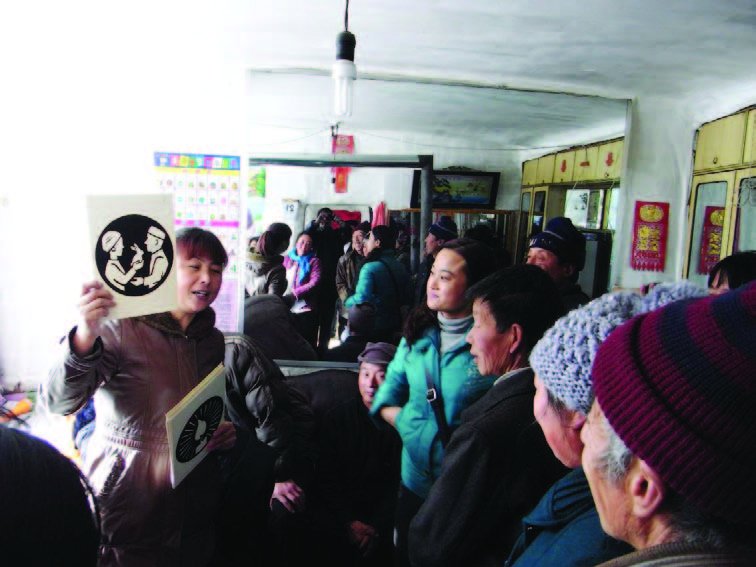
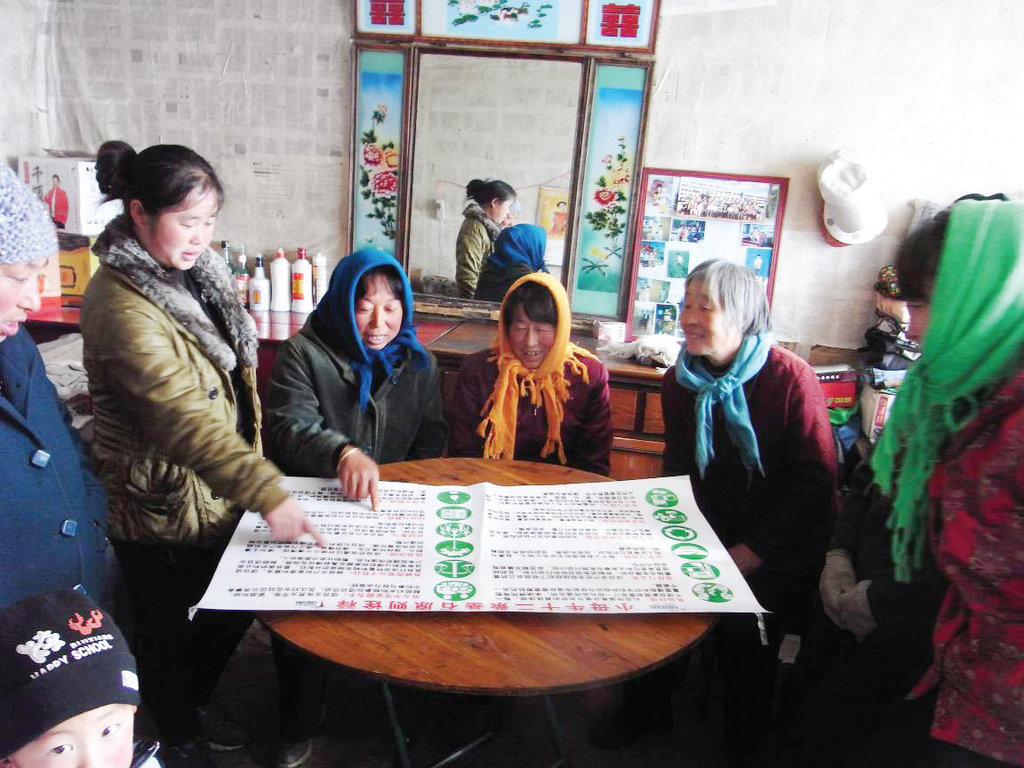
Heifer International introduced in-barn cattle breeding technology and taught villagers how the environmentally friendly method could produce higher profits. Yet, the majority of farmers were unwilling to invest the labor required to build new breeding barns.
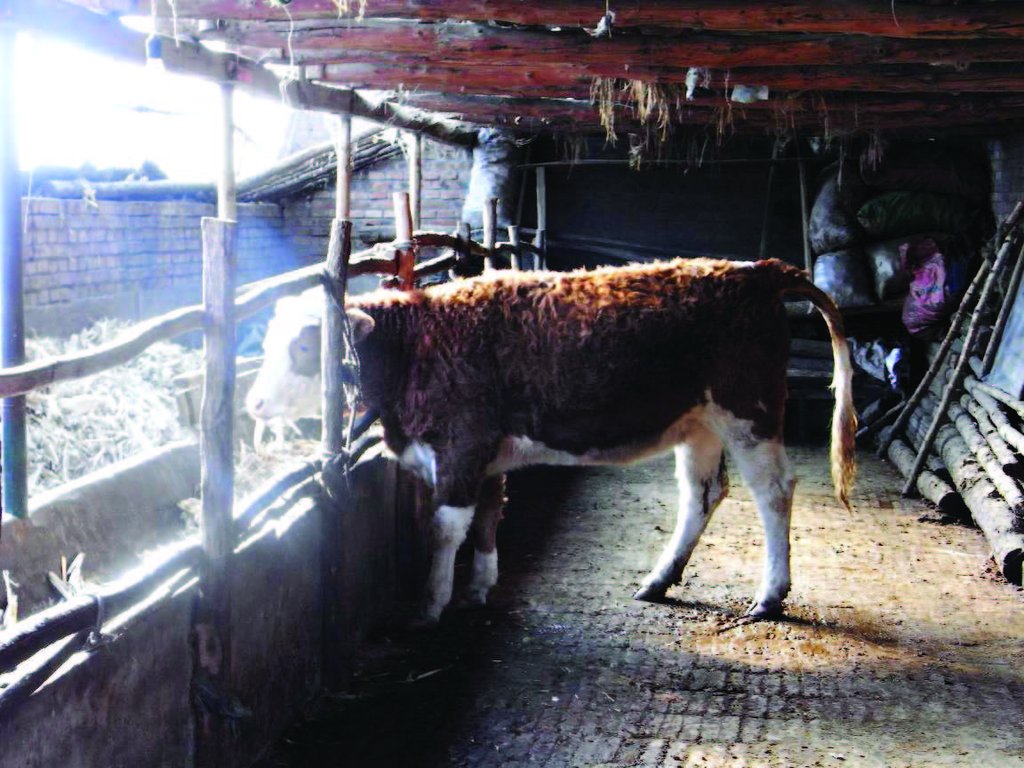
By conducting comparative experiments, Heifer China transformed farmers’ opinions on the newly introduced breeding method. Three demonstration farms were established with 10 cows each. Cattle from the first farm were kept in an unheated barn and fed through traditional grazing. The second farm used a heated barn, still used traditional grazing. Cattle at the third farm were kept in a heated barn and fed nutrient rich silage.
Data recorded from January 1 to March 30, 2013 confirmed in-barn breeding produced healthier cattle. Cattle without heated barns lost 25 to 42kg (about 55 to 93 pounds) in 150 days. Heated barns and silage helped cattle gain up to 1.2kg (about 3 pounds) per day. The experiment helped farmers understand the function of heated barns and silage and eliminated farmers' worries about investing in new barns. In the spring of 2013, project participants planted 542 mu (about 90 acres) of silage corn, which was tenfold over production in 2012. During the summer, 360 project participants collectively built a new barn and began transitioning from traditional methods to in-barn breeding. This eased the threat of hillside desertification and improved livestock living conditions.
The community also executed a desertification prevention plan. Participants planted grass on 250 mu (about 41 acres) of desertified hills to repair damage from erosion and over-grazing. Now, participants can restore hillside ecology and transform small-scale farmer’s socioeconomic status through improved cattle breeding.
Project reports on GlobalGiving are posted directly to globalgiving.org by Project Leaders as they are completed, generally every 3-4 months. To protect the integrity of these documents, GlobalGiving does not alter them; therefore you may find some language or formatting issues.
If you donate to this project or have donated to this project, you can receive an email when this project posts a report. You can also subscribe for reports without donating.