By IMANI HAULE MATHIAS | GENERAL MANAGER OF THE ORGANIZATION
Njombe Town, located in the southern highlands of Tanzania, faces a persistent and growing challenge in accessing clean and reliable water. The situation is particularly dire in neighborhoods such as Mgendela, Joshini (B), and Mjimwema Ward, where residents experience frequent service disruptions from NJUWASA the Njombe Urban Water and Sanitation Authority. These disruptions are most severe during the dry season, which spans from June to December, leaving communities without a dependable water supply for nearly half the year.
In the absence of piped water, residents turn to open springs and ponds as alternative sources. While these natural sources provide some relief, they are highly vulnerable to contamination. Waste disposal near the springs, unrestricted livestock grazing, and farming activities in close proximity to the water sources introduce harmful pollutants and pathogens. As a result, the water becomes unsafe for consumption, exposing households, schools, and businesses to serious health risks such as cholera, typhoid, and other waterborne diseases.
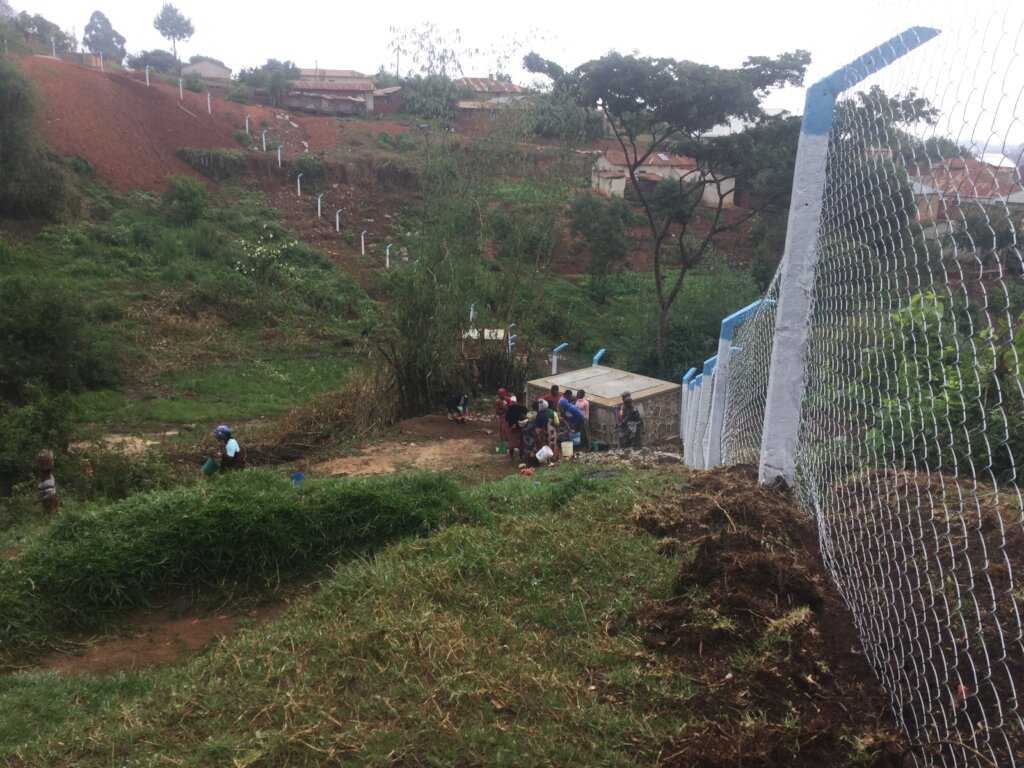
Recognizing the urgency of the situation, a community-led initiative was launched to rehabilitate and protect these water sources. The proposed solution includes fencing off the springs and ponds to prevent contamination, managing waste disposal more effectively, and restricting livestock access. Additionally, the initiative aims to establish local water committees, conduct awareness campaigns, and advocate for policy changes that support sustainable water management. These efforts are designed to ensure safer and more reliable access to water for all residents, especially during the dry season.
To implement this project, a total of $29,280 is needed. This budget covers infrastructure improvements, community training, awareness programs, and administrative costs over a nine-month period. However, the fundraising progress has been alarmingly slow. As of now, only $25 has been raised from a single donor, leaving a staggering $29,255 still required. There are no monthly donors, and only one fundraiser is actively working to mobilize support. This financial gap poses a significant barrier to initiating even the most basic interventions.
The lack of funding not only delays the project but also prolongs the community’s exposure to unsafe water. Without immediate action, the health and well-being of thousands of residents remain at risk. Children are particularly vulnerable, as they are more likely to suffer from the effects of contaminated water. Schools struggle to maintain hygiene standards, and businesses face increased operational costs due to water scarcity. The economic and social impact of this crisis cannot be overstated.
If fully funded, the project promises transformative long-term benefits. Public health will improve significantly as access to clean water reduces the incidence of disease. Environmental conservation efforts will be strengthened through better waste management and protection of natural water sources. Economic stability will be supported by ensuring that businesses and schools have the water they need to operate effectively. Most importantly, the initiative will empower the community to take ownership of their water resources, fostering a culture of stewardship and sustainability.
The current fundraising status highlights a critical disconnect between the community’s needs and the resources available to meet them. With only $25 raised, the project is far from being viable. This report serves as a call to action for all stakeholders local government, NGOs, development partners, private sector actors, and individuals both within and outside the community. Local authorities must prioritize emergency funding and infrastructure upgrades. NGOs and development partners can provide technical expertise and financial support. The private sector can contribute through corporate social responsibility programs, and individuals, including diaspora communities, can help through donations and advocacy.
The water crisis in Njombe Town is a public health emergency that demands immediate and coordinated action. The proposed solution is practical, community-driven, and capable of delivering lasting impact. However, without sufficient funding, the initiative cannot move forward. Every contribution, no matter how small, brings the community one step closer to safe and reliable water. Let us act now to protect the health, dignity, and future of Njombe’s residents.
Project reports on GlobalGiving are posted directly to globalgiving.org by Project Leaders as they are completed, generally every 3-4 months. To protect the integrity of these documents, GlobalGiving does not alter them; therefore you may find some language or formatting issues.
If you donate to this project or have donated to this project, you can receive an email when this project posts a report. You can also subscribe for reports without donating.



Support this important cause by creating a personalized fundraising page.
Start a Fundraiser