By Tseday Bizuayehu | Program Officer
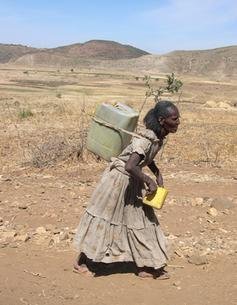
Too little rainfall in this region has been causing catastrophic droughts since the 1970s. In 1984-85 alone, the estimates on famine-related deaths in Ethiopia ranged from 250,000 to 1 million people. Since then, relief and development efforts have focused on finding long-term, sustainable solutions for food production in Ethiopia, with some of the country's regions faring better than others.
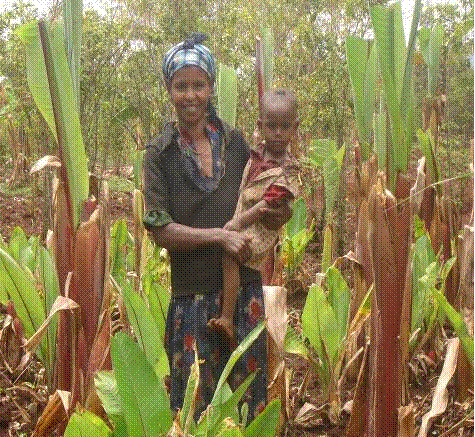
One unique approach has been the nurturing of Enset production. Enset, also known as the false banana, has been perhaps the least studied domesticated crop in all of Africa, but new research shows that it may provide a key resource for guarding against famine. The "Tree against Hunger" is not only nutritious, but can be harvested at any time and stored for long periods. Moreover, enset can survive stresses that reduce other food sources, and it tends to enrich rather than deplete soil as do other crops.
Residents in those areas of Ethiopia where Enset is grown have survived the droughts at a significantly higher rates than those in areas that did not rely on Enset. However, despite Enset's potential as a nutritious food source, it faces some obstacles, Its usefulness is not widely known, even in Ethiopia. Moreover, there are some cultural barriers, with some viewing it as "peasant food." While there are those who like its taste, others find it unpalatable.
Recently, CHF successfully established a market linkage between, food insecure women households and fiber products producing factory, so that these household could supplement their household food gap from the income they generate from sale of the fiber, a resource that would otherwise be wasted with out any use.
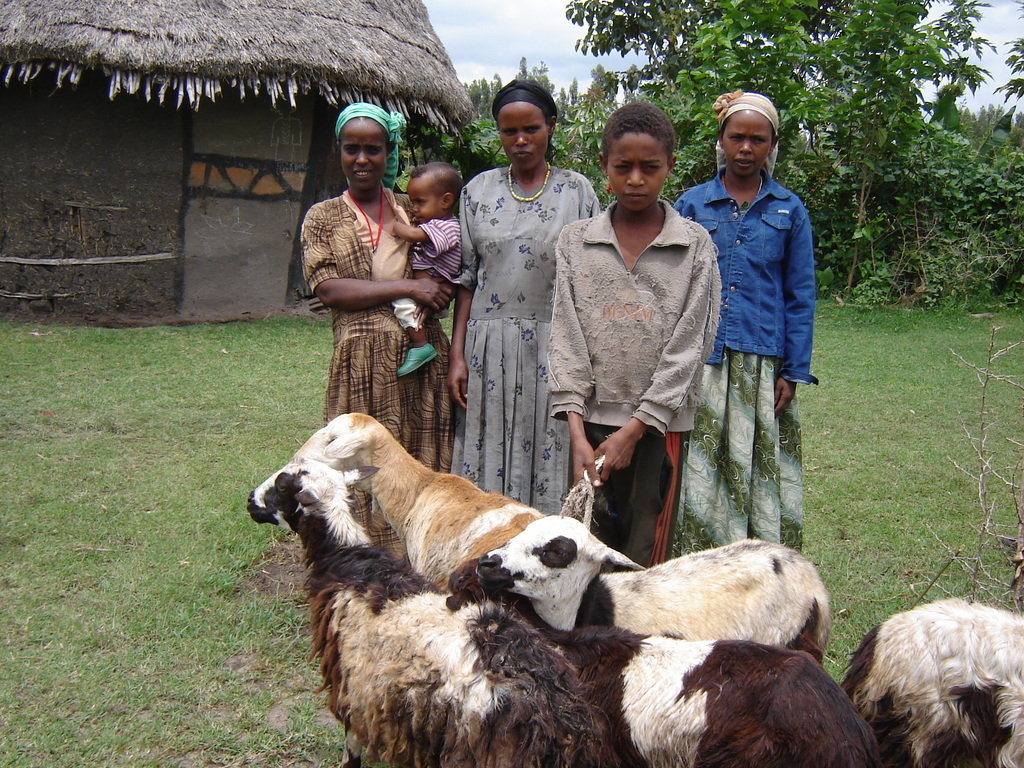
Organizing enset fiber producing and marketing groups is one of the most successful activities of CHF's program in Ethiopia. An asset building group comprising 100 poor women has sold the first truck load of enset fiber to G7 Trading & Industry here in Addis. The factory delivered a technical training on standards of fiber, fiber storage and management free of charge so that they can supply a high quality fiber in the future.
Project reports on GlobalGiving are posted directly to globalgiving.org by Project Leaders as they are completed, generally every 3-4 months. To protect the integrity of these documents, GlobalGiving does not alter them; therefore you may find some language or formatting issues.
If you donate to this project or have donated to this project, you can receive an email when this project posts a report. You can also subscribe for reports without donating.