By Natalie | Communications
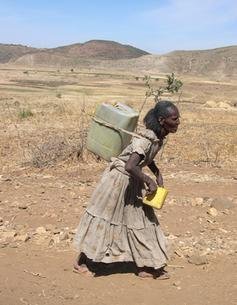
The Somali region of Ethiopia continues to experience drought conditions, which are rooted in longer-term climatic trends of the Horn of Africa. The result is that the food security and asset bases of the population are being severely eroded, increasing the vulnerability to recurrent climatic shocks. In response, CHF is implementing a comprehensive strategy in three arid zones of the region that not only addresses the immediate needs of the people but provides enduring and self-sustaining solutions to improve the quality of life through interventions in irrigated agriculture, livelihoods diversification and access to clean water.
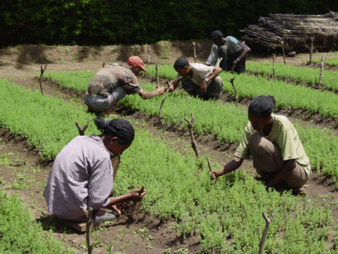
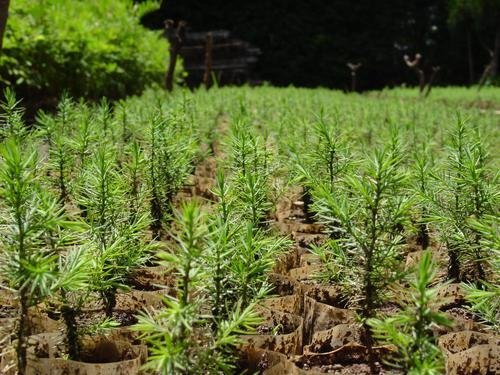
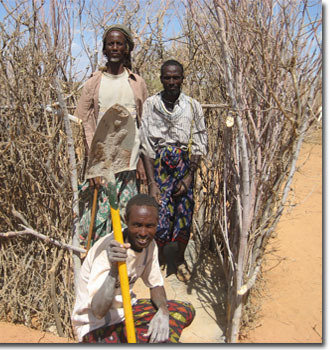
Since 2007, CHF has assisted 1,300 agro-pastoralist households along the Shabele River of the Gode zone to achieve community-based irrigated agriculture through self-managed organization, design and planning. The activities were structured upon a holistic and participatory methodology where beneficiaries were organized into 18 Asset Building Groups (ABGs), facilitated in the initiation of internal saving and lending, participated in health and technical training cycles, and were provided with modest and necessary inputs. CHF trained farmers in gravity dispersion irrigation for the production of fodder, food, and cash crops for support of livestock assets, food security and income generation. The successes of that initiative were so compelling that CHF is now in the start-up phase to build upon those achievements by establishing an additional 27 agriculture groups, diversifying varieties of crops, and linking the communities to markets across the vast Somali region.
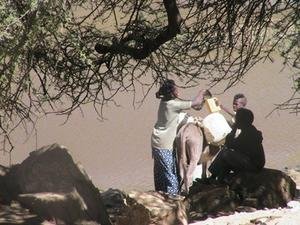
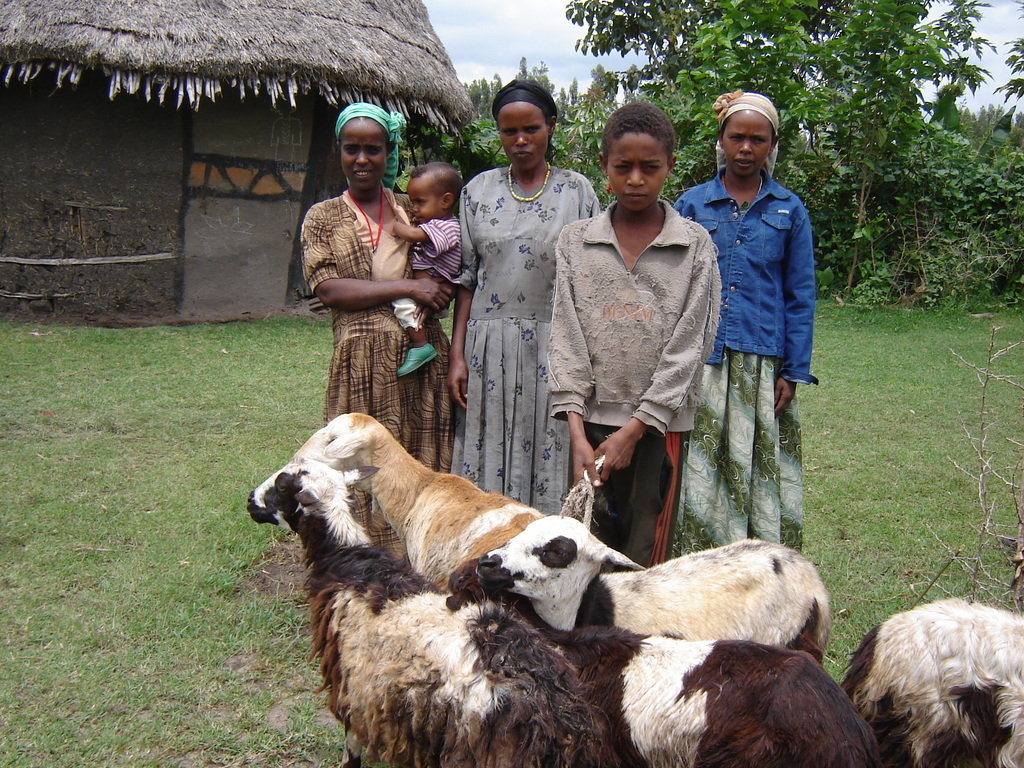
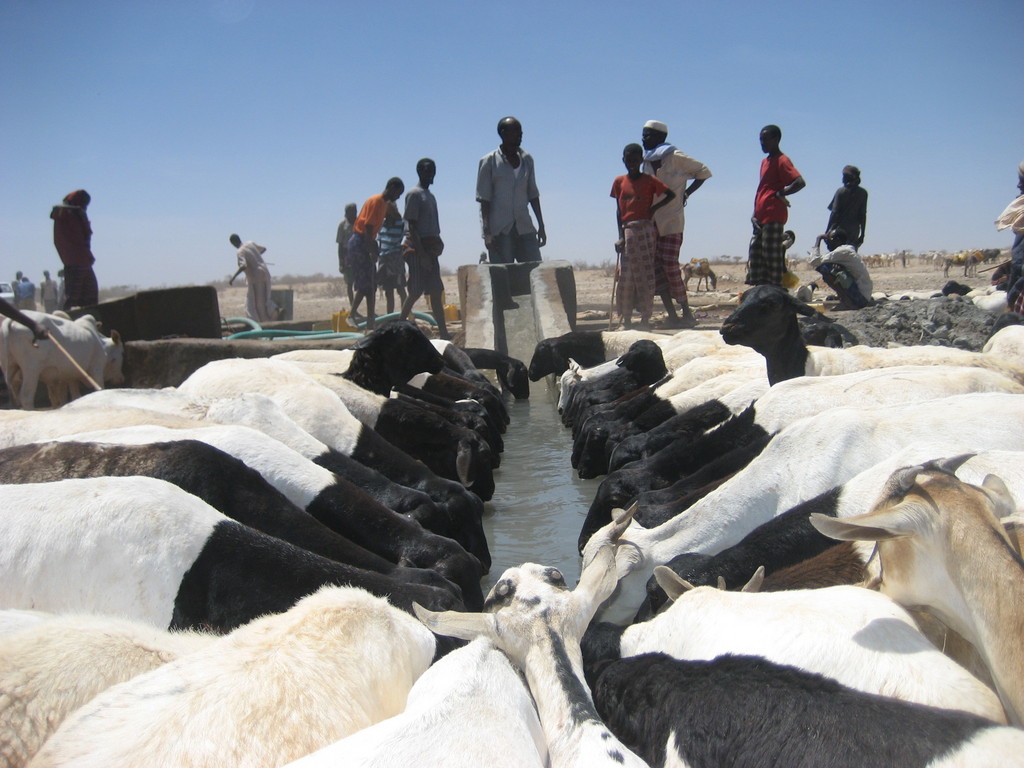
While the production of food, fodder, and cash crops is a critical component to establishing food security, it is equally important to protect the existing livestock assets upon which up to 95% of the Somali region population depends as a source of wealth and food. The drought conditions are making it increasingly difficult for pastoralists to access clean and available water sources. CHF has rehabilitated or constructed more than 230 shallow wells and water reservoirs to provide for both human consumption as well as the livestock upon which the people depend. While CHF continues to provide these long-term water sources in the Gode and Afder zones for the communities, and along traditional migratory routes, we are now providing this water access to the remote Warder zone. The easternmost point of Ethiopia, the Warder zone is accessible to no other NGO, making this a tremendous responsibility upon CHF to implement 75 water points over the coming months. And with the numerous needs of the underserved population, CHF is currently identifying additional interventions in livestock, animal health and livelihoods that will benefit the communities in a more holistic way.
The CHF team is committed to identifying pragmatic and innovative solutions to bring enduring positive change to the people of the Somali region. The generous support of Global Giving is making it possible to achieve an increasingly bright and secure future in this distant corner of the world.
Project reports on GlobalGiving are posted directly to globalgiving.org by Project Leaders as they are completed, generally every 3-4 months. To protect the integrity of these documents, GlobalGiving does not alter them; therefore you may find some language or formatting issues.
If you donate to this project or have donated to this project, you can receive an email when this project posts a report. You can also subscribe for reports without donating.