By Amanda Abunimeh | Director of Partnerships
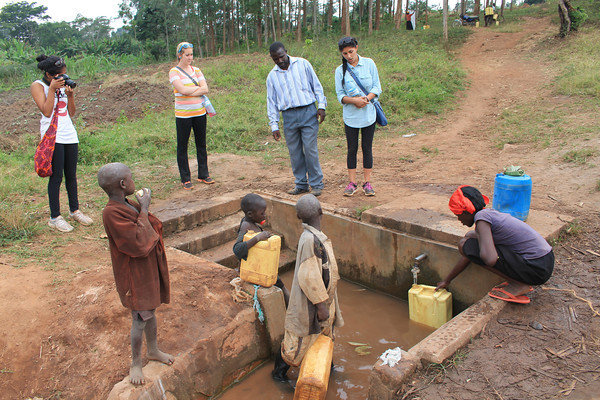
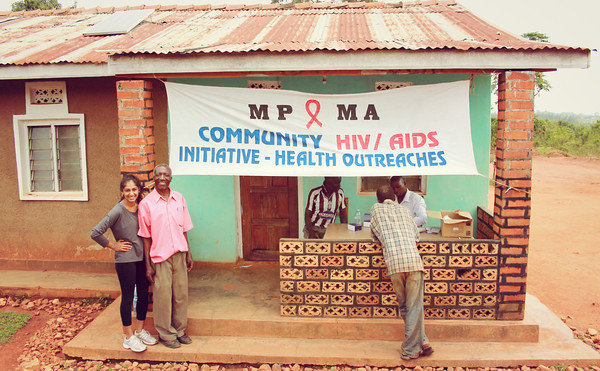
Since our last project report, Mpoma Community HIV/AIDS Initiative’s WASH project has made spectacular progress. The five Water User Committees— Lukalu, Lutengo, Waluga, Buyuki, and Namatogonya— have begun collecting the monthly water user fee (as agreed upon by each community) from what seems like a majority of households. Based on the latest update from the team of GlobeMed interns currently on the ground (known as the GROW team), Buyuki has collected 70,000 Ugandan shillings thus far. Lukalu has collected 92,500 shillings, and Namatogonya has lead the way, collecting 100,000 shillings.
Of the three, Buyuki is the only Water User Committee (WUC) that has opened an official savings account with a local bank. Lukalu and Namatogonya expressed interest in opening bank accounts to keep the money safe, but have asked for assistance in finding a conveniently-located bank with minimal fees.
The GROW team has yet to visit the WUCs in Waluga and Lutengo, but by the end of this week they should have exact values for each water savings fund. Before the GROW team leaves, they will match these values in all five villages, using the money GlobeMed has raised throughout the year, in order to help bolster the funds and to encourage more households to contribute.
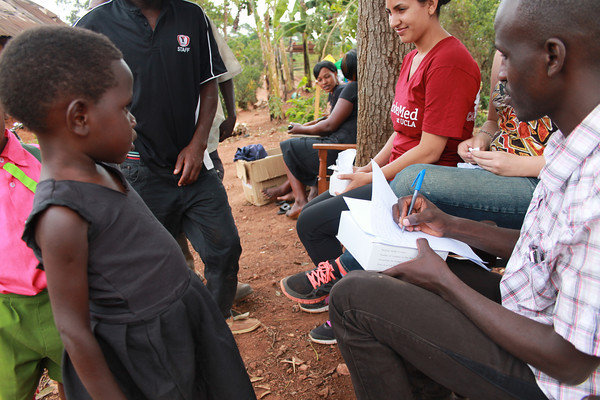
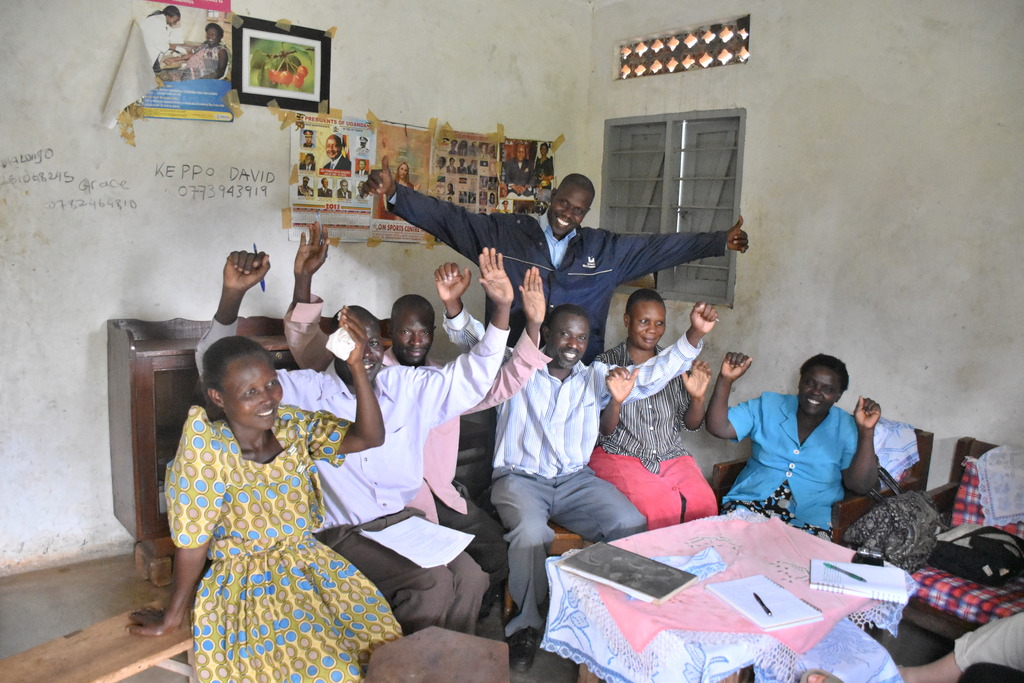
The GROW team has also been working closely with Mpoma staff to encourage the WUCs to assume the other half of their roles as community health educators. There are two members on each Water User Committee, known as “Health Promoters,” that are primarily responsible for educating the community about proper sanitation and hygiene practices. After speaking with the first three WUCs, the GROW team has begun developing a comprehensive training package in collaboration with Mpoma. In addition to the WASH manual (which has been edited using more concise language), the training package will include various posters illustrating the signs and symptoms of common water-borne illnesses, posters explaining how and when to wash hands, bank recommendations, as well as various WUC and Health Promoter performance evaluations.
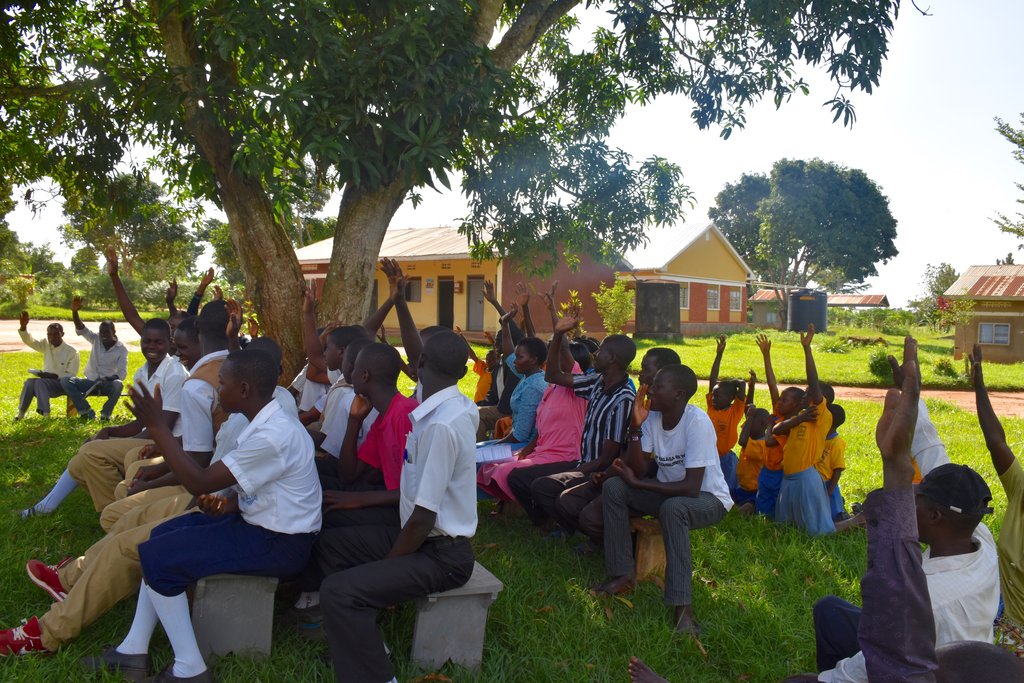
The performance evaluations are particularly important, as they are to be filled out by the WUC and brought to bi-annual meetings. Twice a year, all of the WUC’s will meet at the Nama Wellness Youth Center, conveniently located next door to Mpoma Community HIV/AIDS Initiative, in order to assess progress and receive relevant training in water management, hygiene, and sanitation. The first of these bi-annual meetings is scheduled for July 24th, while the GlobeMed GROW team is still on the ground. There, the WUC’s will receive their training packages, learn from doctors at the clinic about how to recognize illnesses such as typhoid and cholera, and be trained in community outreach and sanitation education.
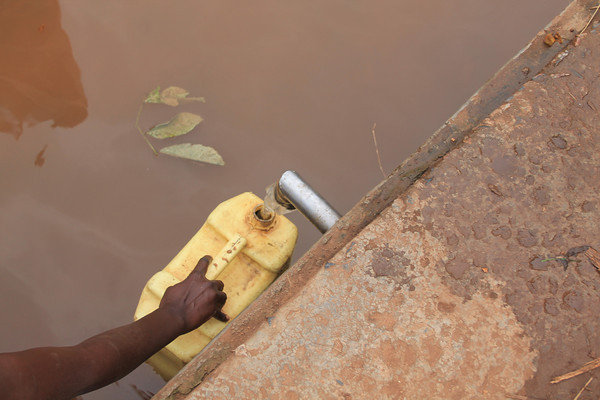
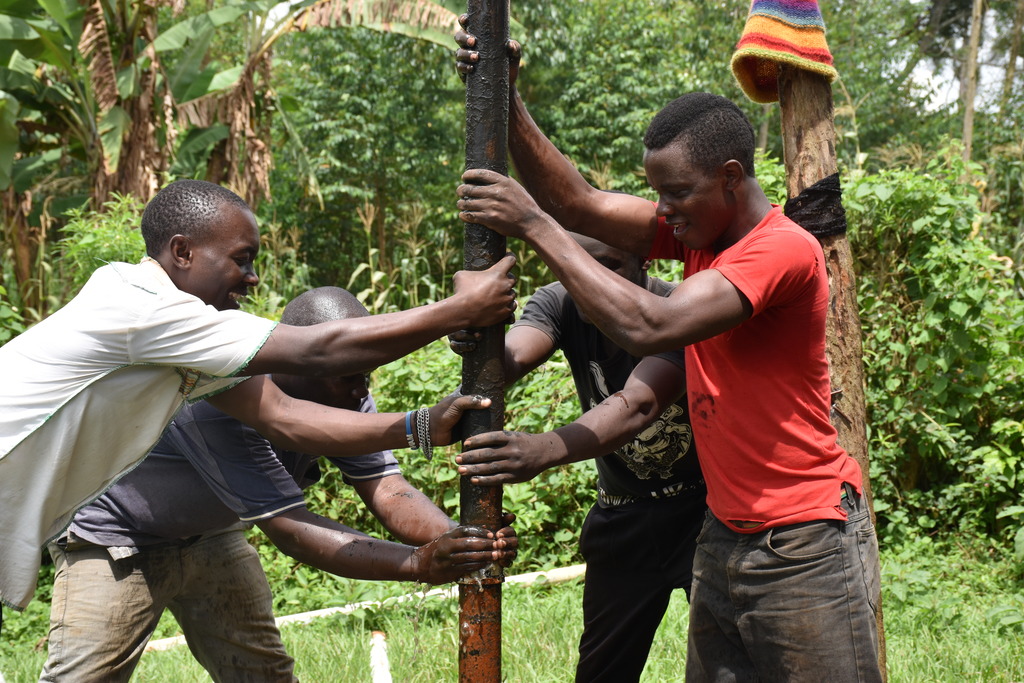
Arguably, the most exciting WASH development has been the expansion of the project to the Katogo Health Center. This water source is supposed to serve not only the largest health center in the surrounding area, but also the nearby school and village. The borehole has long been in disrepair— neighboring households have been walking to Waluga, or using the ponds that are also used to clean boda-bodas (motorcycles). The GROW team got to witness the borehole’s rusty pipes be replaced with brand-new PVC pipes. A week later, the team traveled back to Katogo to facilitate the election of a new Water User Committee, which will also be attending the bi-annual meeting on July 24th.
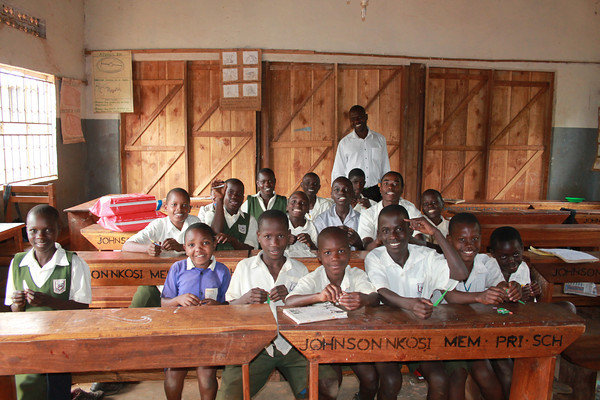
While the progress our WASH project has made is invigorating, the work is far from over. There is much that needs to be done to strengthen the existing WUCs— GlobeMed and Mpoma are working hard to build their capacity and strengthen their clout among their respective communities. We would also like to see the WASH project expand— two of the larger villages we’re working with, Lukalu and Namatogonya, are in need of additional water sources, and we are looking into repairing water sources in two new villages. There are always miscellaneous problems within WASH that need to be addressed, such as the replacement of the enormous, rusting metal water tank that is currently supplying Johnson Nkosi Memorial Primary School. While Mpoma has been praised by the Nama Sub-County Commissioner for their exemplary work in water and sanitation, we need your contributions to keep this project thriving, so together we can achieve our ultimate goal of sustainability.
Project reports on GlobalGiving are posted directly to globalgiving.org by Project Leaders as they are completed, generally every 3-4 months. To protect the integrity of these documents, GlobalGiving does not alter them; therefore you may find some language or formatting issues.
If you donate to this project or have donated to this project, you can receive an email when this project posts a report. You can also subscribe for reports without donating.