By Dr. Laila Risgallah Wahba | Founder, Not Guilty
For families displaced by war, reaching physical safety does not necessarily mean the trauma is over.
Refugees may carry memories of violence, the loss of loved ones, separation from their communities, disrupted childhoods, and the uncertainty of rebuilding their lives in a new place. Children and adults alike can continue to experience the emotional effects of these experiences long after leaving immediate danger behind.
Not Guilty's work with refugee communities recognizes that recovery requires more than meeting immediate needs. Through trauma education, practical tools, and supportive spaces, we seek to help individuals and families understand what they have experienced and begin moving toward healing.
Looking Back: Seeing Through Trauma
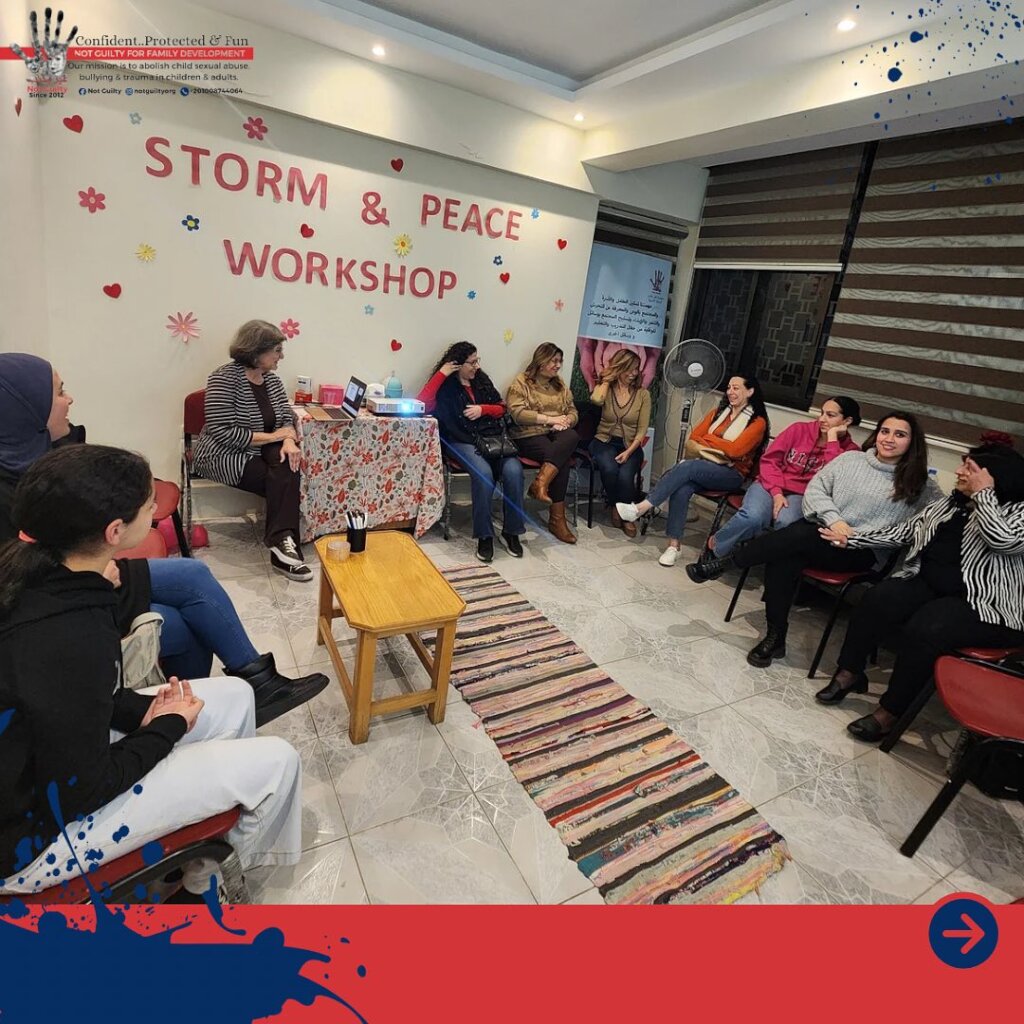
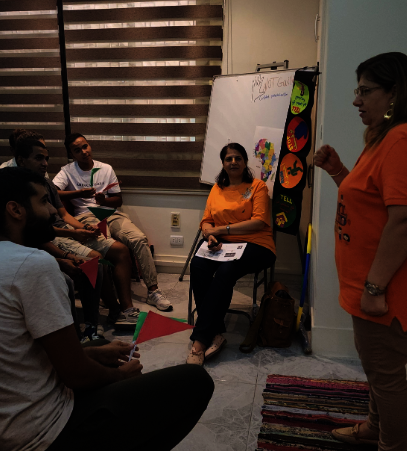
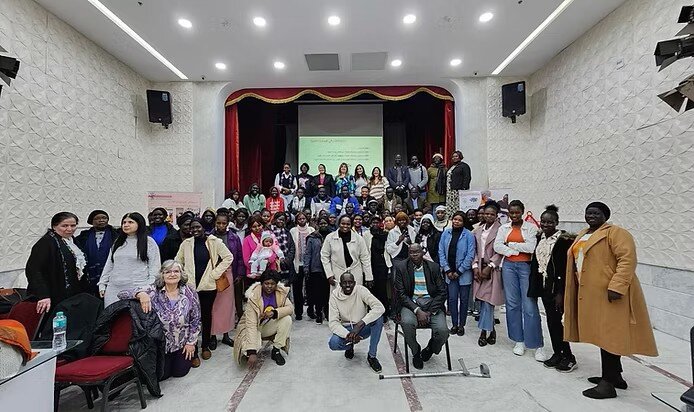
In 2025, Not Guilty facilitated a three-day Seeing Through Trauma workshop with Sudanese refugees. The workshop provided participants with a safe environment to explore how war, displacement, grief, and loss had affected their lives.
The conversations demonstrated that the losses associated with war extend far beyond homes or possessions. Participants reflected on the loss of loved ones, safety, childhood experiences, stability, and the lives and communities they knew before conflict.
Creating space to acknowledge those losses was an important part of the healing process. Participants were able to better understand how their emotional responses connected to what they had experienced while learning ways to process grief and move forward.
One participant reflected on the lasting impact of losing his brother. Alongside his grief, he had carried years of guilt because he felt unable to fulfill the family responsibilities his brother had entrusted to him before his death.
Following the workshop, he shared:
"For the first time, I have hope to move forward and heal."
His words captured an important part of what trauma-informed support can make possible: helping someone begin to see a path forward even when their circumstances and losses cannot be undone.
Turning Trauma Education Into Tools for Healing
During the 2025 workshop, participants moved from identifying pain and loss toward understanding resilience and recovery.
The workshop addressed several important areas, including:
Acknowledging grief and trauma — creating space to recognize and talk about personal and collective losses caused by conflict and displacement.
Building resilience — helping participants recognize their own strength while understanding that healing can continue even after profound loss.
Developing tools for emotional healing — exploring ways to process difficult emotions, rebuild confidence, and move forward without denying what has happened.
Strengthening community support — encouraging connection among participants so that healing does not have to happen in isolation.
The lessons from this workshop continue to reflect the heart of Not Guilty's work with people affected by war and displacement. When adults and caregivers better understand trauma, they can also become more equipped to recognize its effects within their families and respond to children with greater understanding, safety, and compassion.
Building on What We Have Learned
The 2025 Seeing Through Trauma workshop offered an important reminder: trauma recovery is not a single event. Healing takes time, supportive relationships, education, and opportunities for individuals to process what they have experienced.
That understanding continues to inform Not Guilty's commitment to refugee children, parents, caregivers, and families.
Our goal is not simply to provide information about trauma, but to help create communities where people affected by war have the knowledge and support necessary to recover. Through trauma education, caregiver support, and therapeutic resources, we are working to help families understand the invisible wounds of war and strengthen their capacity for resilience and healing.
The experiences shared during the 2025 workshop remind us why this work remains so important. Behind every training session is a person carrying a story of loss—and the possibility of moving forward with greater understanding, connection, and hope.
Thank you for helping make this work possible and for continuing to stand alongside individuals and families affected by war and displacement.
Project reports on GlobalGiving are posted directly to globalgiving.org by Project Leaders as they are completed, generally every 3-4 months. To protect the integrity of these documents, GlobalGiving does not alter them; therefore you may find some language or formatting issues.
If you donate to this project or have donated to this project, you can receive an email when this project posts a report. You can also subscribe for reports without donating.



Support this important cause by creating a personalized fundraising page.
Start a Fundraiser