By Karen Sparacio | Project Leader
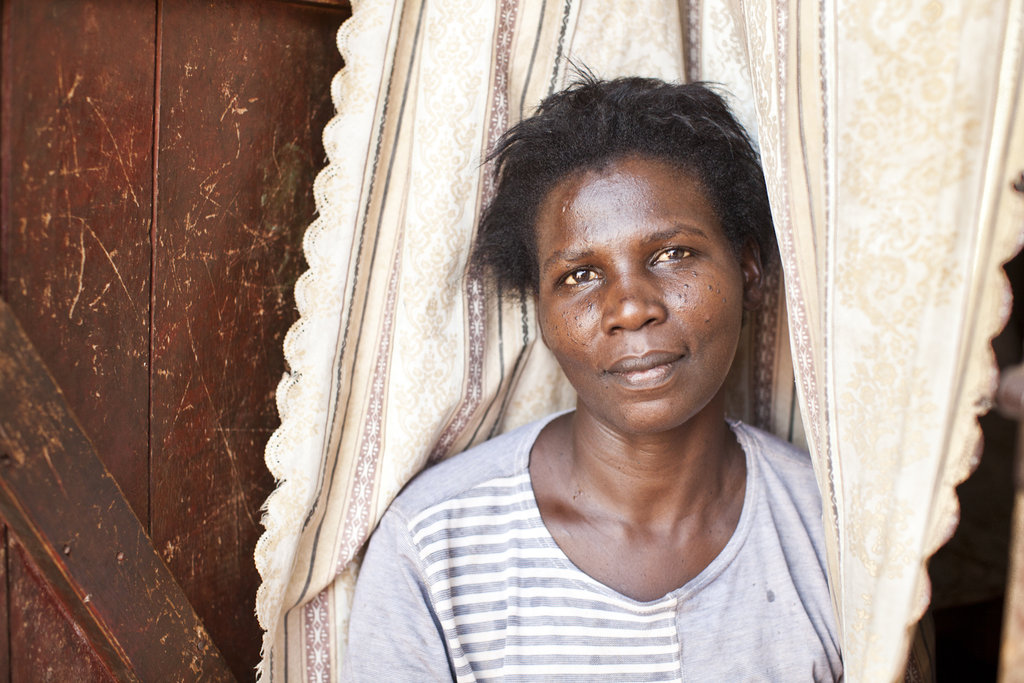
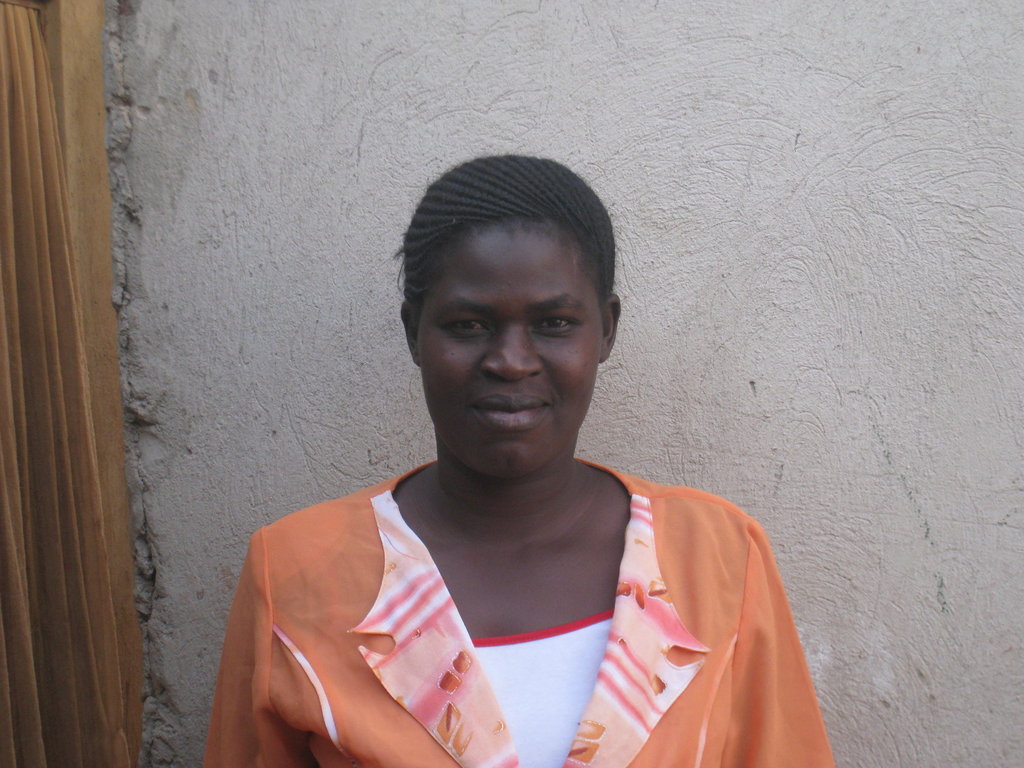
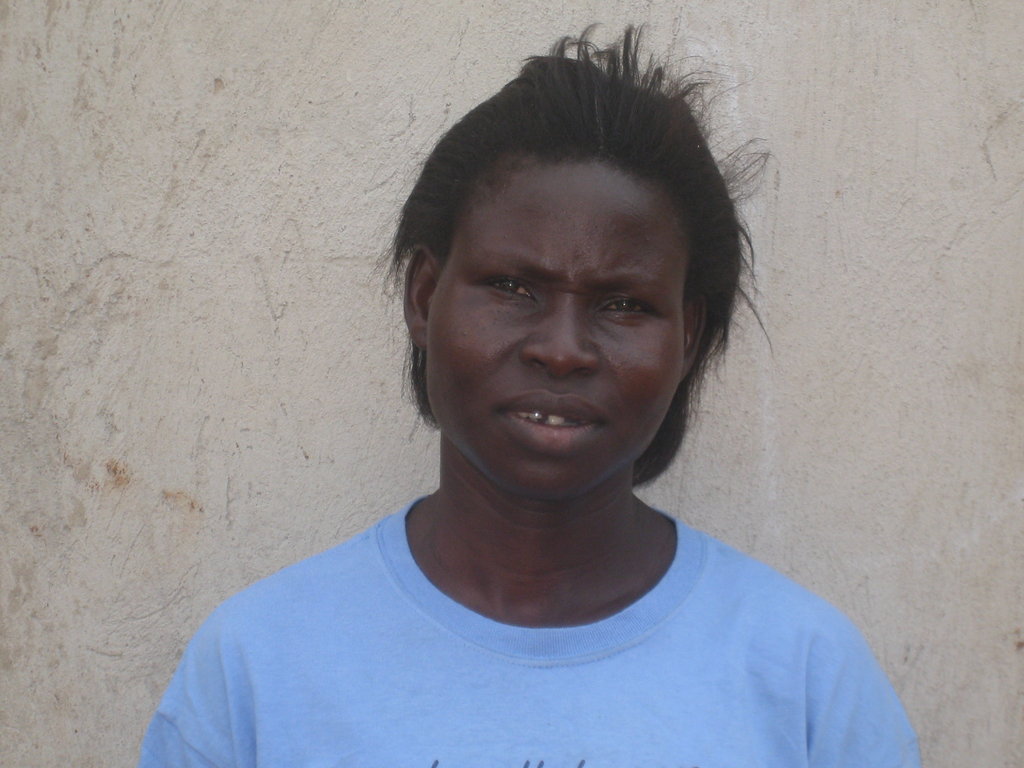
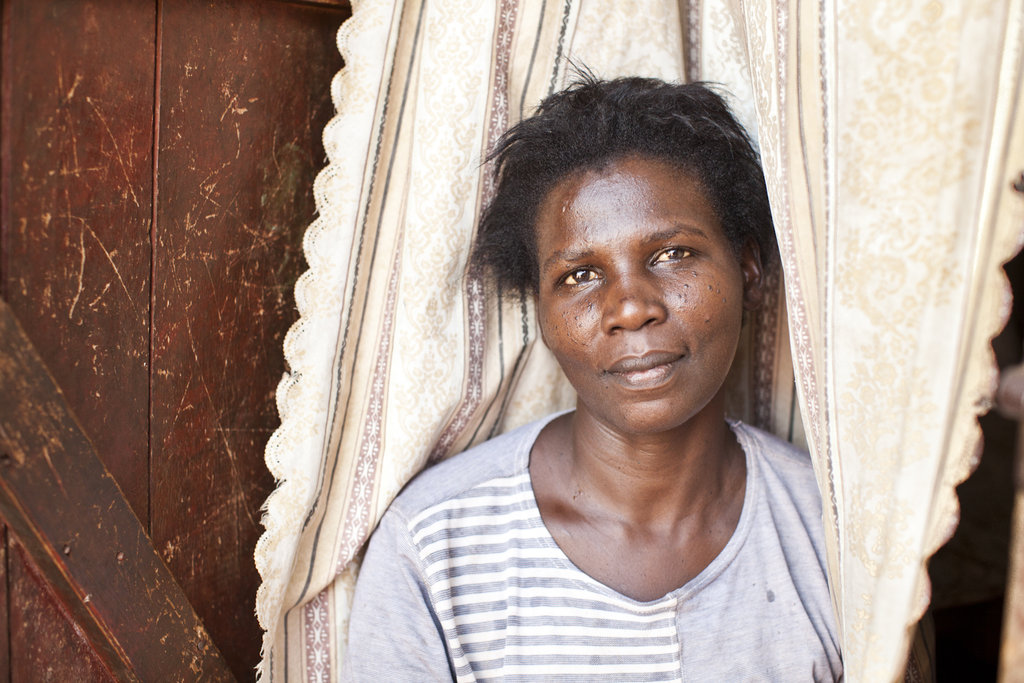
When Jennifer Ayoo was six years old, she had two dreams. One was to be a teacher; the other was to build a house with an iron-sheet roof, just like the other homes in her Acholi village. She would gaze at her family’s grass-thatched house and try to imagine what it would feel like – to be a teacher and have her own iron-sheet home.
At the time, nothing seemed impossible. Life in her small, supportive community had a comforting regularity. In the mornings, the children would fetch water from the well, wash dishes and sweep the compound, then join their parents in the gardens to help with weeding. In the late afternoon, mothers returned home to cook while children watched the babies. And in the waning hours before bedtime, she would listen to the calming sounds of adults talking around the fire.
But in 1978, that life abruptly vanished. The Lord’s Resistance Army (LRA), a guerilla force fighting against the Ugandan government, attacked Jennifer’s village.
“I was about 8 years old when the rebels came,” recalls Jennifer. “When they started firing, people climbed up trees, ran in every direction looking for refuge but many could not run fast enough. I saw neighbors shot and killed, huts burned to the ground, my whole village reduced to rubble.”
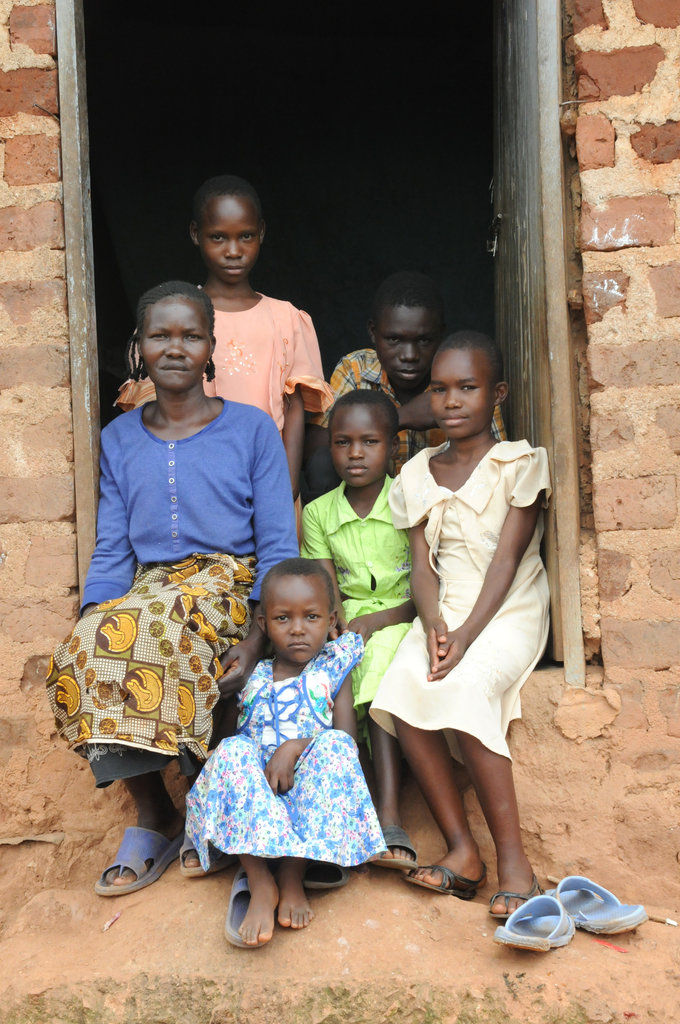
For 2 years, Jennifer endured the squalid conditions of government-run displacement camps. Then, at nine years of age, she was sent to live with her stepmother in Kampala, the capital city of Uganda. Life there was even more intolerable.
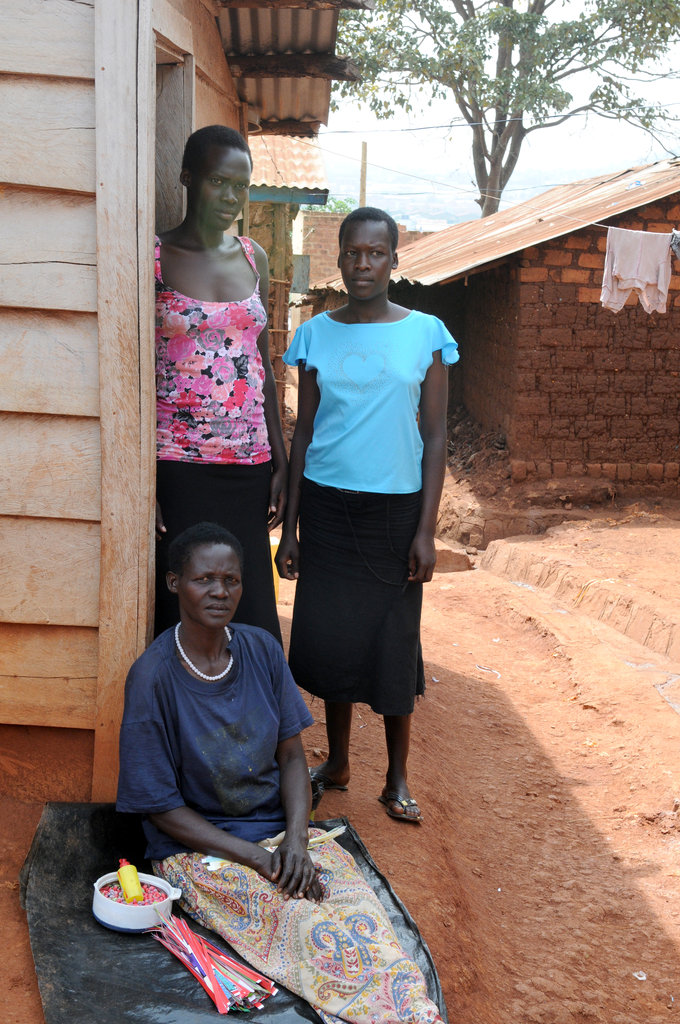
Six years passed before Jennifer found relief. An aunt, recently relocated from the north, had learned of Jennifer’s misfortune and kindly took her into her home in the Acholi quarter of southern Uganda. Yet both needed to work, and for many refugees from war-torn northern Uganda, there was only one kind of work available: pounding rocks at the stone quarry for a daily wage of 25¢ to $1.50 US. Jennifer and her aunt joined the ranks of hundreds of other displaced Ugandans. From dusk to dawn, seven days a week, they labored under the scorching sun, making barely enough money to survive.
Then one day, the extraordinary happened ...
“The village is a small place,” says Jennifer, “and when something new comes in, you can know of it in a day.” That “something new” was Project Have Hope.
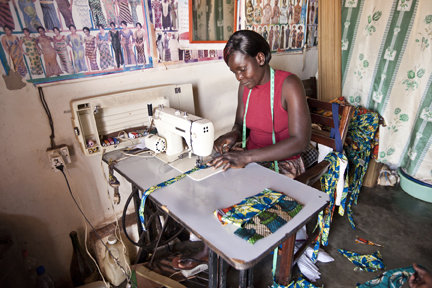
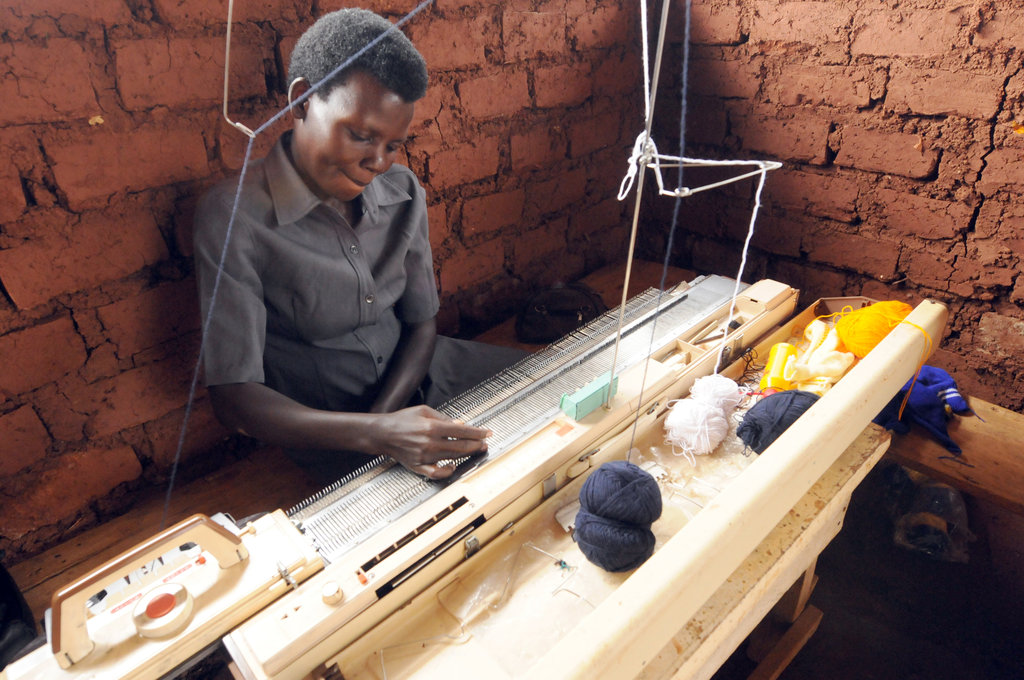
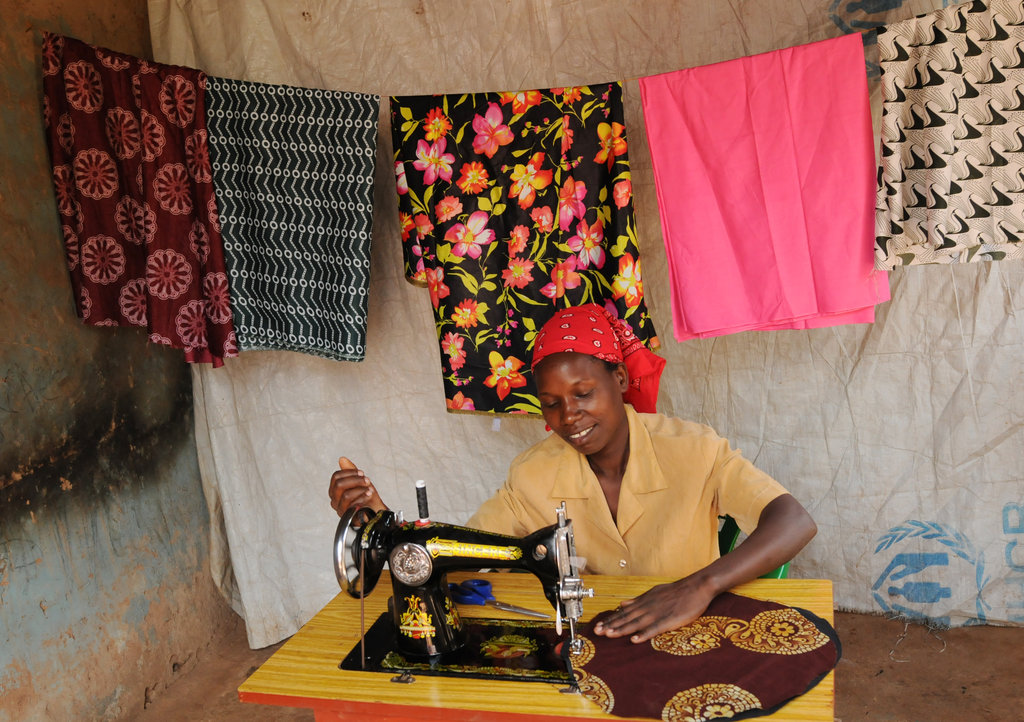
From that day forward, Jennifer began living a new story. She received a loan to make and sell paper and glass beads. With her first effort a small success, she applied for and received a second loan for a more ambitious project - a boda boda (motorcycle taxi) business. When her taxi investment paid off, Jennifer used the earnings to create yet another successful business growing and selling sesame seeds. Jennifer has now saved enough money to build not only a home with an iron-sheet roof but three rental homes as well, ensuring a secure financial future for herself and her children.
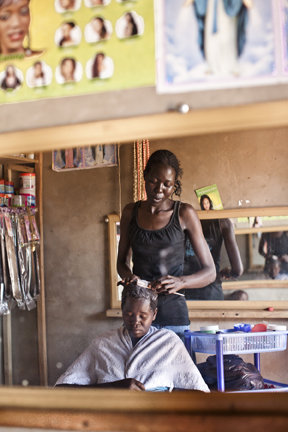
With vocational training and loans provided by Project Have Hope, Jennifer Ayoo was able to build more than a home; she was able to build a life.
Give today to fund our work - and change a life.
Project reports on GlobalGiving are posted directly to globalgiving.org by Project Leaders as they are completed, generally every 3-4 months. To protect the integrity of these documents, GlobalGiving does not alter them; therefore you may find some language or formatting issues.
If you donate to this project or have donated to this project, you can receive an email when this project posts a report. You can also subscribe for reports without donating.



Support this important cause by creating a personalized fundraising page.
Start a Fundraiser